Instagram is kicking off the week with a major announcement that signals a significant pivot in its content strategy: widescreen, long-form video is officially headed to the platform.
The announcement was made public through a collaborative video discussion between Instagram Head Adam Mosseri and the platform’s Vice President of Product, Tessa Lyons. In the video, the two executives unpacked the introduction of a new initiative tentatively referred to as "Features," which represents a substantial corporate investment in longer-form video content. Interestingly, Mosseri admitted in the discussion that he had personally been against introducing this style of content to Instagram for a long time, but acknowledged that the broader digital landscape and user habits have ultimately forced a change in perspective.
Elaborating on the philosophy behind the shift, Lyons noted during the conversation that modern digital creativity extends far beyond short-form videos, single photo posts, or multi-image carousels. According to Lyons, a primary driver for introducing longer video formats to Instagram right now is the reality that creators are actively seeking out diverse ways to tell multifaceted stories. While short-form content has dominated the platform for years, creators are pushing boundaries and require more canvas room for narrative depth.
However, Mosseri’s initial hesitation to embrace long-form video was not unfounded. His primary concern has always centered on protecting the core "friend connection" aspect that has defined Instagram since its inception—the intimate feeling of sharing moments with close acquaintances rather than consuming passive, broadcast-style entertainment. Because of this, Mosseri emphasized that this new push toward longer, widescreen video content cannot exist in a vacuum; it must become entirely "symbiotic" with the short-form ecosystem that users already know and love.
When it comes to rollout timelines, users will need to exercise patience. Mosseri confirmed that the new format is heading to both the mobile phone application and Instagram’s dedicated TV application, though he explicitly cautioned that "it’s going to take a little bit of time" for a full rollout.
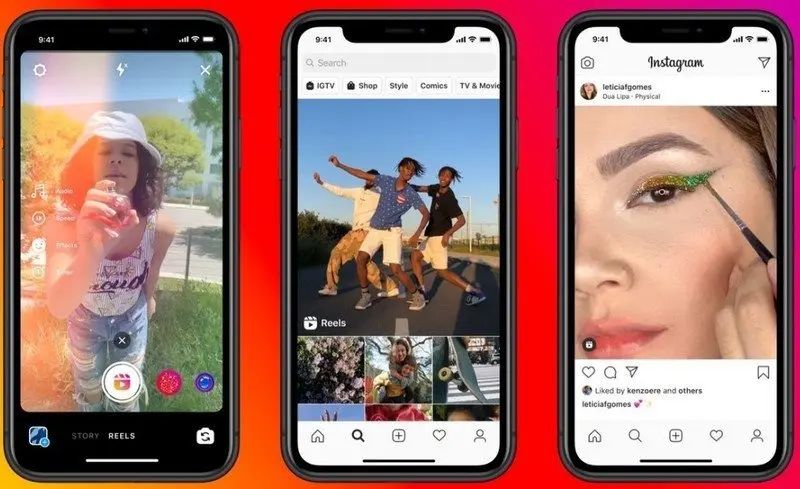
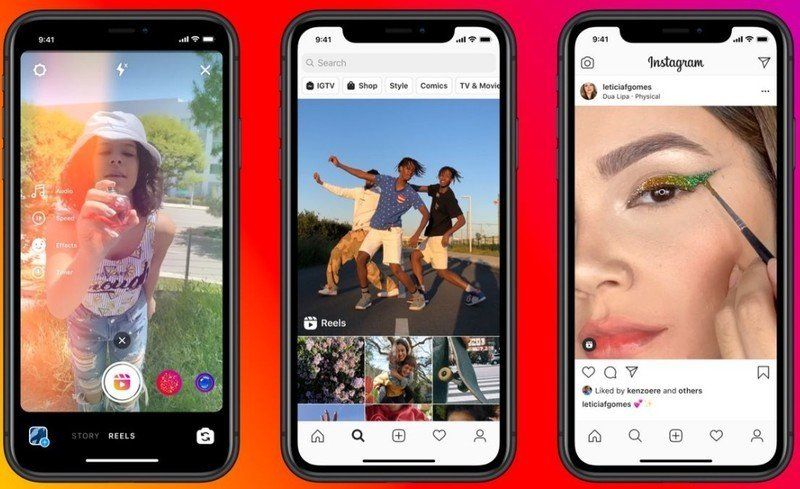
Reassuring the platform’s massive user base, Lyons stressed that Reels—the platform’s short-form video backbone—will remain firmly "at the core" of the Instagram experience. As the company rolls out "Features," a major priority for the product team will be observing how this expanded format coexists and integrates with existing pillars of the app, such as Instagram Live and standard feed posts.
To ensure a smooth transition, Instagram plans to roll out many of these newly developed capabilities in phases over the coming month, beginning with limited testing phases. The platform intends to gradually expand availability to a broader audience, meaning everyday users might begin spotting the new widescreen formats organically on their feeds as testing scales up.
"It’s early, and we’re testing and listening to feedback as we go," Mosseri stated regarding the phased rollout and the platform’s measured approach to community response.
A Long Way to Go
The evolution of Instagram into television environments is an interesting chapter in the platform’s history. The initiative known as Instagram for TV was officially announced late last year through a strategic collaboration between Amazon and Meta designed specifically for Fire TV devices. This living room integration aimed to replicate elements of the familiar mobile experience on a much grander scale, allowing users to sign in with up to five distinct accounts and seamlessly scroll through content from the comfort of their couches. From its inception, Instagram for TV was built primarily around the continuous playback of Reels, steering clear of the traditional photo posts and text-heavy carousels usually encountered on a smartphone screen.
What makes this history particularly relevant to the current long-form announcement is how viewing habits change when users leave their phones behind. In their video discussion, Mosseri and Lyons touched upon an intriguing behavioral shift observed since the launch of Instagram for TV: when users watch video content collectively on a television screen in the same room, traditional sharing metrics shift. Mosseri noted that watching Reels on a TV screen often resulted in fewer direct shares, fewer mentions, and altered engagement patterns.
The underlying social dynamic changes naturally when friends and loved ones gather in a single living room to watch content together on a shared display—there is suddenly far less need to digitally forward a video to someone sitting right next to you. Understanding, navigating, and preserving this communal viewing dynamic will remain at the very forefront of Instagram’s strategy as the company continues to test and refine long-form, widescreen content across both mobile devices and connected living room screens.