To modern moviegoers, Christopher McQuarrie is inextricably linked to the upper echelon of blockbuster action filmmaking, specifically as the creative mastermind behind four consecutive Mission: Impossible features starring Tom Cruise. It is easy to forget, or perhaps difficult to fathom from a contemporary perspective, that there was a significant era in McQuarrie’s career when he did not work with Cruise at all. Two decades before taking the helm of Ethan Hunt’s high-octane exploits, McQuarrie first captured the film industry’s attention by writing the critically acclaimed, Academy Award-winning screenplay for 1995’s neo-noir masterpiece, The Usual Suspects.
While The Usual Suspects is discussed somewhat less frequently today—largely due to the subsequent personal and professional disgrace of its star, Kevin Spacey—it remains a towering achievement of the 1990s neo-noir crime revival. In theory, winning an Oscar for one of the most celebrated screenplays of the decade should have granted McQuarrie carte blanche in Hollywood, allowing him to greenlight virtually any project he desired. Instead, the triumph was followed by a surprisingly stark professional drought, leaving the writer unemployed for the next five years.
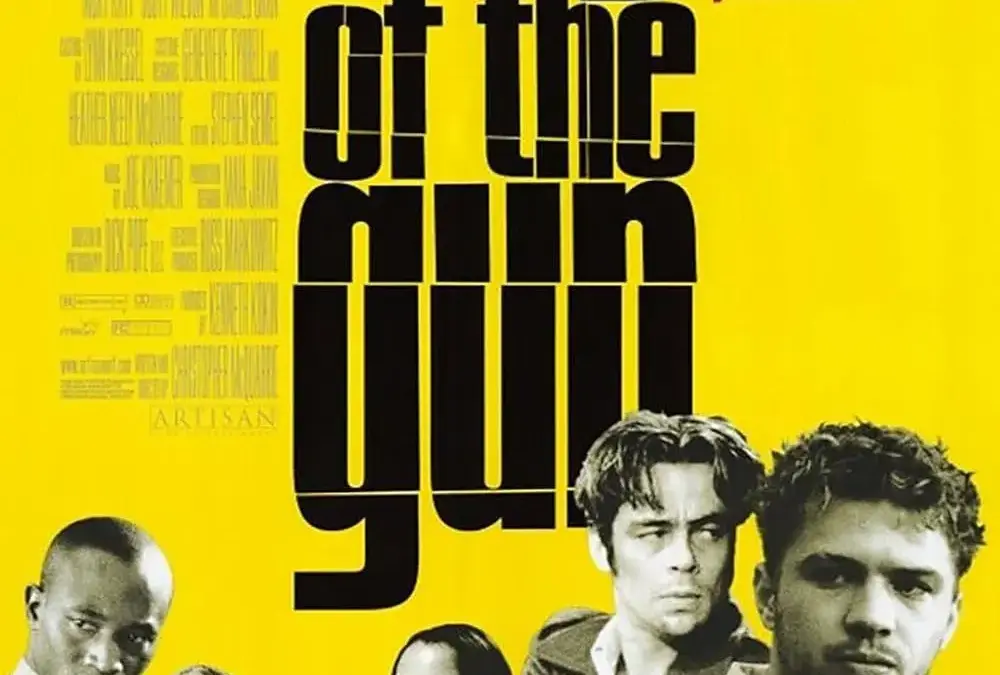
Frustrated by the industry’s reception and eager to reassert himself on the filmmaking landscape, McQuarrie ultimately decided to write and direct his own follow-up to The Usual Suspects. The resulting film was 2000’s The Way of the Gun, an unapologetically abrasive crime thriller that functioned largely as an angry, reactive response to his frustrating years navigating the studio system. McQuarrie crafted an action movie that deliberately defied the conventional expectations of studio executives, intentionally featuring prolonged moments of atmospheric silence, surprisingly subtle and winding plot mechanics, and two of the most thoroughly unsympathetic protagonists in the history of American cinema.
A Misunderstood Release Finds a Second Life
Upon its theatrical release at the turn of the century, neither mainstream critics nor general audiences quite knew how to process The Way of the Gun. The film’s commercial prospects were further complicated by its distributor, Artisan Entertainment, which attempted to market it as just another quirky, post-Tarantino crime caper—precisely at the moment when that specific subgenre was rapidly falling out of fashion with moviegoers.
In the decades since its initial box office disappointment, however, the film has enjoyed a steady resurgence. A new generation of film enthusiasts periodically rediscovers The Way of the Gun, particularly as McQuarrie’s prominent standing in Hollywood has drawn renewed interest to his earlier, lesser-seen works. For audiences eager to explore McQuarrie’s directorial roots and experience one of the most uniquely vicious crime films of the early 2000s, The Way of the Gun is currently available to stream for free on Tubi.
There’s Always Free Cheese in a Mousetrap
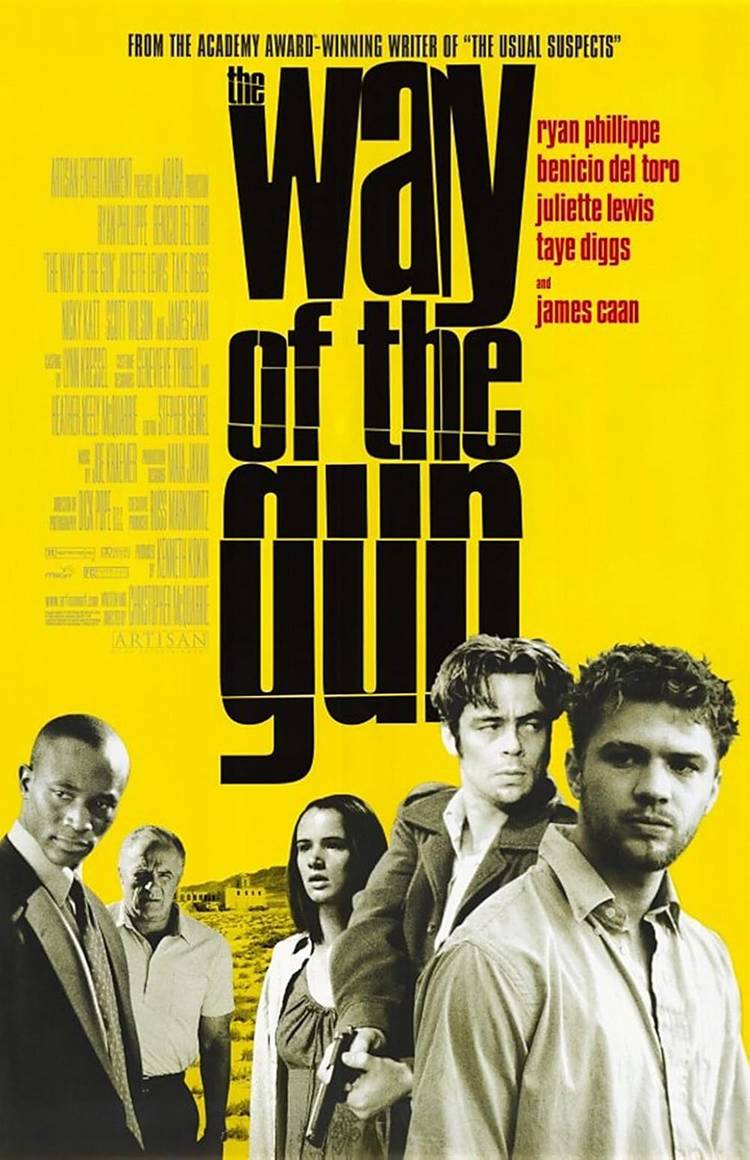
The narrative follows Parker, played by Ryan Phillippe in an effort to distance himself from his post-Cruel Intentions teen idol image, alongside Longbaugh, portrayed by Benicio del Toro. The two men are small-time, transient criminals constantly on the lookout for a life-changing score. When they happen to learn about Robin, a surrogate mother who is being paid one million dollars for her services, they impulsively hatch a scheme to kidnap her for a massive ransom. At no point in their planning do they pause to consider what kind of dangerous, high-stakes individuals would be willing to pay such an exorbitant sum to a surrogate, but operating with little left to lose, they press forward regardless.

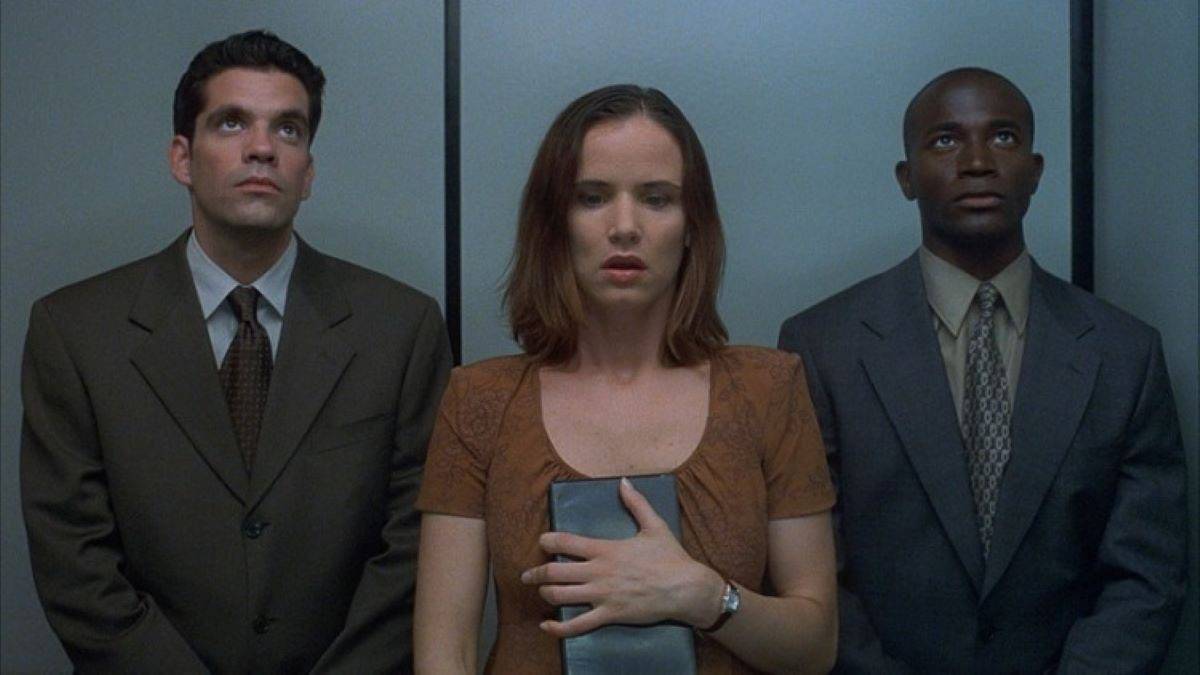
This reckless abduction instantly pits Parker and Longbaugh against a dangerous local money launderer, his ruthless enforcer Sarno—played by veteran actor James Caan—and a pair of unusually dedicated and professional bodyguards portrayed by Taye Diggs and Nicky Katt. Without realizing it, the two petty criminals thrust themselves directly into the center of a volatile situation where nearly every major player has already formulated a secret plan to betray someone else. Their unexpected intercession acts as the vital spark that causes an already precarious powder keg to detonate.
The initial hurdle The Way of the Gun presents to the audience is that virtually none of the primary characters are written to be likable, a creative choice that is entirely intentional on McQuarrie’s part. The film occupies a distinct narrative middle ground between a dusty road-movie Western and a classic, cynical film noir, where no character’s hands are clean from the outset. Parker establishes his abrasive persona within the opening five minutes by sucker-punching a woman, portrayed by Susan Silverman, and promptly follows it up with a harsh, offensive rant. For viewers seeking traditional, unproblematic protagonists, the film offers little comfort, requiring audiences to either adjust their expectations or embrace the friction.
Beyond its character dynamics, The Way ofth Gun has frequently been overlooked for its remarkably advanced action choreography, which proved to be years ahead of its time. To ensure tactical authenticity, McQuarrie enlisted his brother Doug, who was an active-duty U.S. Navy SEAL at the time of production, to serve as the film’s military and weapons consultant. Consequently, every character handles their chosen firearms with professional competence, employs realistic tactical movements, and actively strives to minimize their exposure to mortal danger. Even the protagonists, Parker and Longbaugh, utilize cover and coordinated teamwork with the precision of experienced SWAT operatives once the gunfire erupts. This rigorous attention to combat detail and tactical realism is a quality that would not become standard in mainstream American action cinema until the release of the first John Wick film fourteen years later.
Furthermore, the screenplay deliberately avoids making any of its characters foolish for the sake of convenience. Parker and Longbaugh, despite their miscalculations, possess a strange, competent proficiency in their criminal trade. The narrative consistently refuses to burden its cast with sudden lapses in judgment simply to advance the plot; when characters meet their demise, it is almost invariably the result of unforeseen circumstances or tactical realities they could not reasonably prevent. This subtle storytelling quality sets the film apart from standard, lower-budget American action pictures, as McQuarrie maintains an even keel across all opposing factions rather than reducing any single group to a sacrificial narrative lamb.
Ultimately, The Way of the Gun remains an acquired taste—an action feature designed for viewers who may have grown weary of traditional genre tropes, actively working to subvert standard cinematic expectations. While certain elements of the production have aged poorly, particularly its jarring opening sequence, much of the film continues to function
as a distinct cinematic anomaly. For viewers exploring the origins of a major Hollywood director, The Way of the Gun is currently streaming on Tubi.