
Enterprise software development has long relied on the foundation of open source software, but modern codebases are carrying an unprecedented weight of security debt. According to figures cited by Red Hat, more than 90 percent of typical enterprise application code traces back to open source or third-party libraries. Within this sprawling ecosystem, a standard enterprise codebase carries over 500 known vulnerabilities at any given time. Compounding this challenge is a troubling timeline in modern cybersecurity: attacks targeting known vulnerabilities frequently arrive, on average, a full week before upstream maintainers or security researchers publish an official patch.
To address this persistent vulnerability gap in enterprise open source security, Red Hat and IBM developed Lightwell. The platform is designed to tackle a specific and recurring problem: critical vulnerabilities sitting quietly in production library versions that upstream maintainers have either left unpatched or, in some cases, refuse to fix due to deprecation or architectural shifts. Rather than forcing organizations to wait for upstream maintainers to push fixes to the exact library versions they are running—an update cycle that can take weeks or months and risk breaking production systems—Lightwell bypasses the traditional timeline entirely. It backports security fixes directly to the older versions in use, delivering them through secure package repositories.
Recently, Red Hat shared new milestones regarding the platform’s progress, highlighting its expanding capabilities, technical scope, and broader commercial availability across the enterprise landscape.
Over Four Hundred Vulnerabilities Cleared and Counting
Since its inception, Lightwell has made significant headway in securing foundational enterprise software stacks. To date, the platform has successfully managed to clear 400 previously unpatched or overlooked vulnerabilities across critical Java libraries. In doing so, the engineering team has gone far beyond officially reported Common Vulnerabilities and Exposures (CVEs), contributing their fixes back upstream in strict accordance with responsible disclosure protocols.
The primary target for Lightwell so far has been large organizations running enterprise Java environments. These systems are frequently bound by pinned dependency versions—stricly controlled software bills of materials required for stability, regulatory compliance, or legacy system integration—that cannot be safely updated without risking catastrophic downtime. Lightwell provides a crucial lifeline for these environments by patching vulnerabilities directly in place, leaving the established, pinned version intact and operational.
This capability is now poised to grow significantly. Red Hat has confirmed that Lightwell’s coverage is slated to expand well beyond Java. Support for Python, JavaScript, and .NET is currently on the official roadmap. Each of these programming ecosystems will follow the exact same operational philosophy: security fixes will be meticulously backported to the specific legacy and production versions already deployed in enterprise environments, while simultaneously contributing applicable patches upstream to help harden the broader open source community.
The Clearinghouse Opens Up to the Broader Enterprise Market
Alongside its technical expansion, Lightwell is undergoing a major commercial shift. Up until now, the platform’s more advanced enterprise tier, known as Clearinghouse Premier, has operated under restrictive terms. It was deliberately reserved for a pre-selected group of organizations operating within critical infrastructure sectors, allowing Red Hat to carefully monitor performance, stability, and threat intelligence integration.

That strict access restriction has now been officially lifted. Clearinghouse Premier has reached general availability, meaning any enterprise organization can now sign up for the service directly without needing to wait for a specific critical infrastructure designation to clear their access.
The service as a whole operates across two distinct access tiers designed to meet varying organizational needs. The first is the Lightwell Network, which previously reached general availability as a self-service subscription open to any organization. This tier provides direct access to the backported security patches alongside their comprehensive compliance documentation.
The second tier, Clearinghouse Premier, offers a much more tailored and proactive security experience. Through this advanced tier, organizations can specify which vulnerabilities matter most to their unique operational environment, receive early advance notice before security issues are publicly disclosed, and obtain precise timelines regarding exactly when upcoming fixes will arrive.
A High-Stakes Response to the AI Threat Landscape
Lightwell does not exist in a vacuum; it represents a core component of a broader, multi-billion-dollar corporate strategy. The platform sits squarely within IBM and Red Hat’s joint five billion dollar commitment to redefine the future of open source security. Both companies have pointed to the rapid rise of artificial intelligence-assisted tooling as a major catalyst that has drastically raised the stakes for older, unpatched open source dependencies.
This evolving threat landscape was underscored by Gunnar Hellekson, Vice President and General Manager for Lightwell at Red Hat. Discussing the shifting dynamics of enterprise security, Hellekson noted that modern AI agents have altered the threat landscape virtually overnight by exploiting legacy dependencies at machine speed. According to Hellekson, these automated attack vectors do not care if a codebase is ten years old or otherwise considered stable and mature, because it only takes one small, overlooked crack for an automated agent to chain an attack together across a complex network.
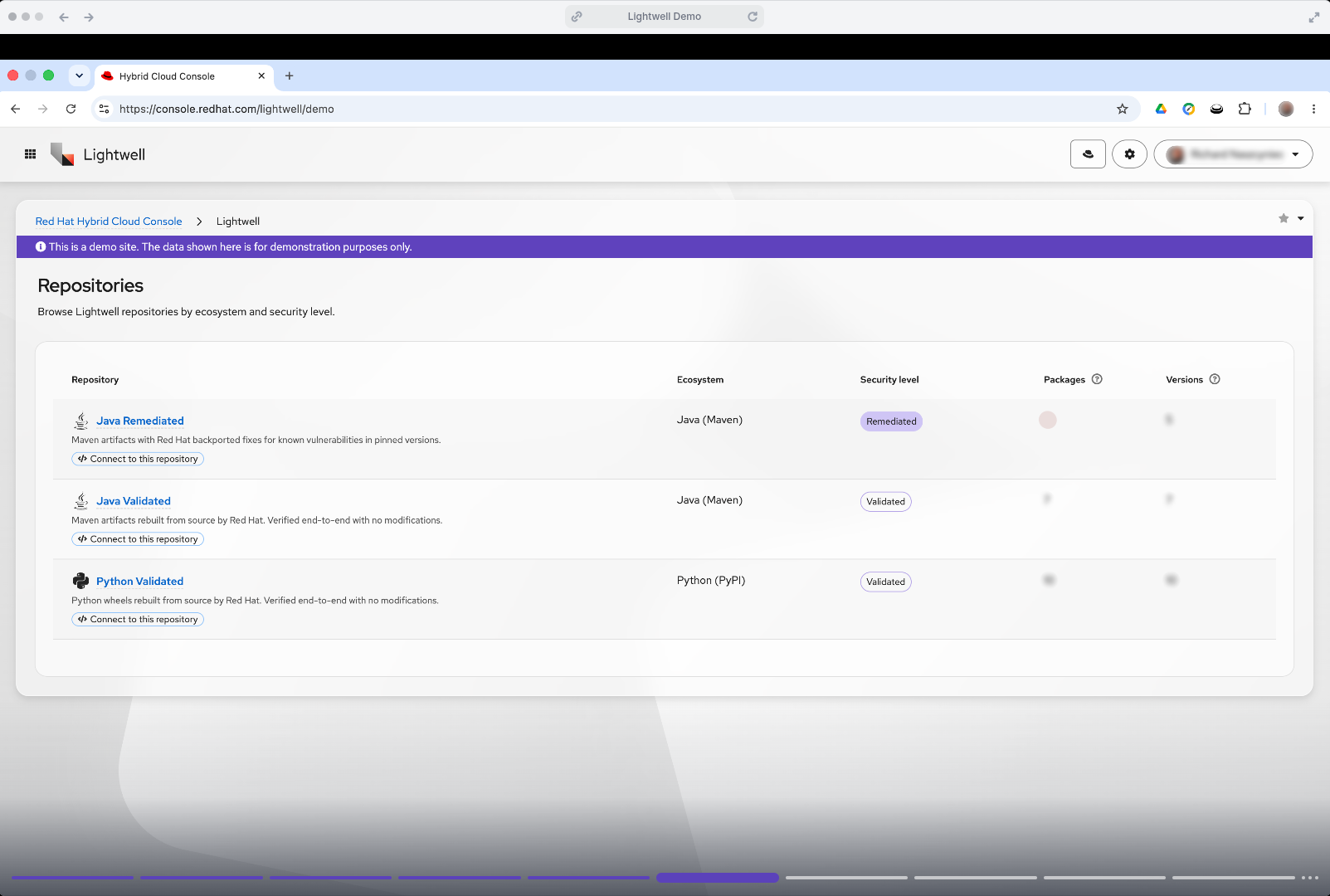
For organizations looking to evaluate the platform before making a commercial commitment, Red Hat continues to provide an interactive technical demo. This resource allows security and engineering teams to walk through the complete patching workflow, observing firsthand how Lightwell handles backported dependencies within simulated enterprise environments.

Leave a Reply