
The management team behind PeeringDB, the vital, user-maintained database serving the global internet infrastructure community, has released its latest comprehensive status report detailing a wave of platform developments, operational improvements, and data quality enhancements. Authored by PeeringDB Product Manager Leo Vegoda, the update outlines how the platform continues to evolve to meet the growing and changing demands of network operators, infrastructure planners, and automated systems worldwide.
While the organization routinely publishes release notes alongside immediate updates and highlights minor bug fixes or interface tweaks across various social media channels, these periodic half-yearly reports take a much broader, more analytical look at recent platform developments. They offer the global networking community an opportunity to understand the strategic direction of a tool that underpins modern internet interconnection decisions at data centres, Internet Exchange Points (IXPs), and peering facilities globally.
Streamlining Automation with Advanced Search Enhancements
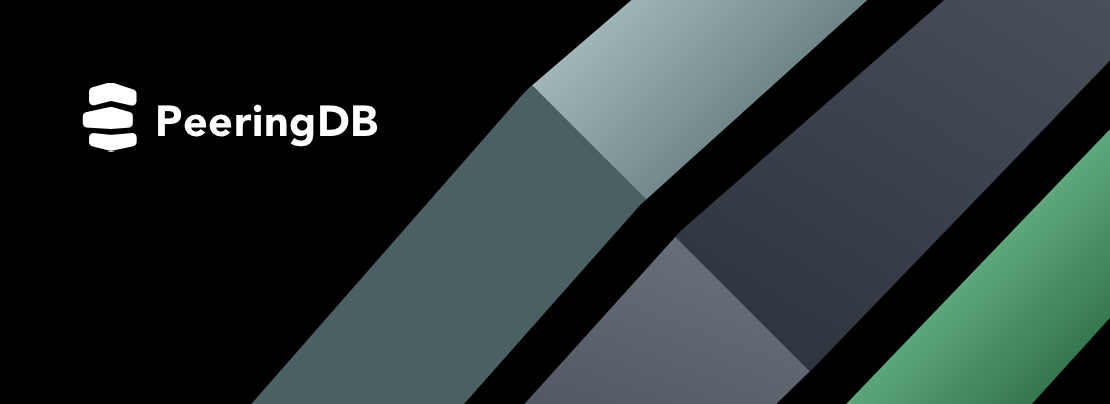
Among the most anticipated feature updates in this cycle is the expansion of the "Copy API Query" functionality, a capability previously promised in earlier product roadmap communications. Users navigating the platform’s Advanced Search interface can now construct complex, highly specific searches manually through the web-based graphical user interface and instantly generate an equivalent API query.
This functionality supports multiple output formats, including standard curl commands and several popular programming and scripting languages. By bridging the gap between manual visual exploration and automated operational workflows, PeeringDB is lowering the barrier for network engineers who want to prototype queries in the browser before embedding them directly into internal orchestration scripts and automated management systems.
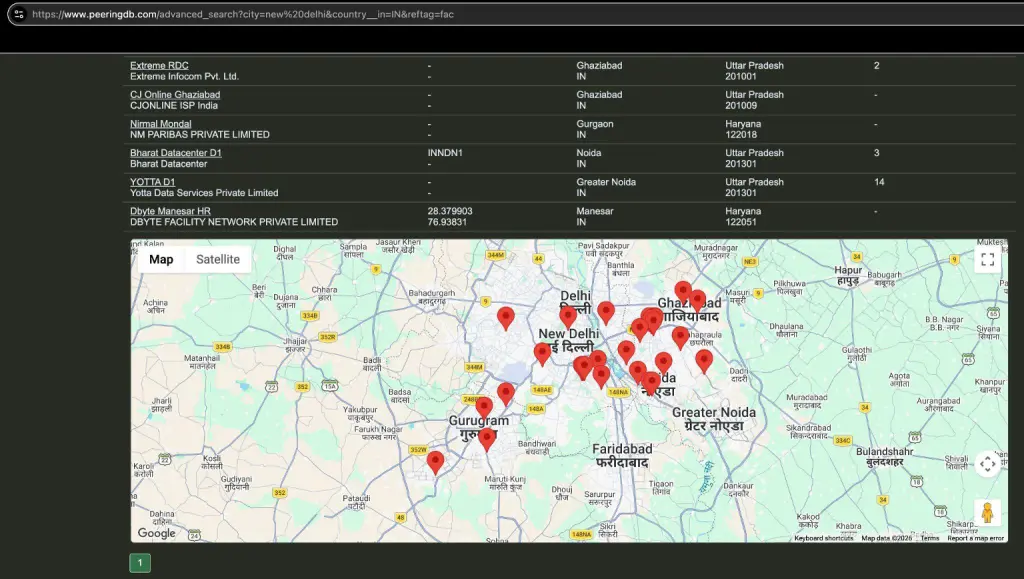
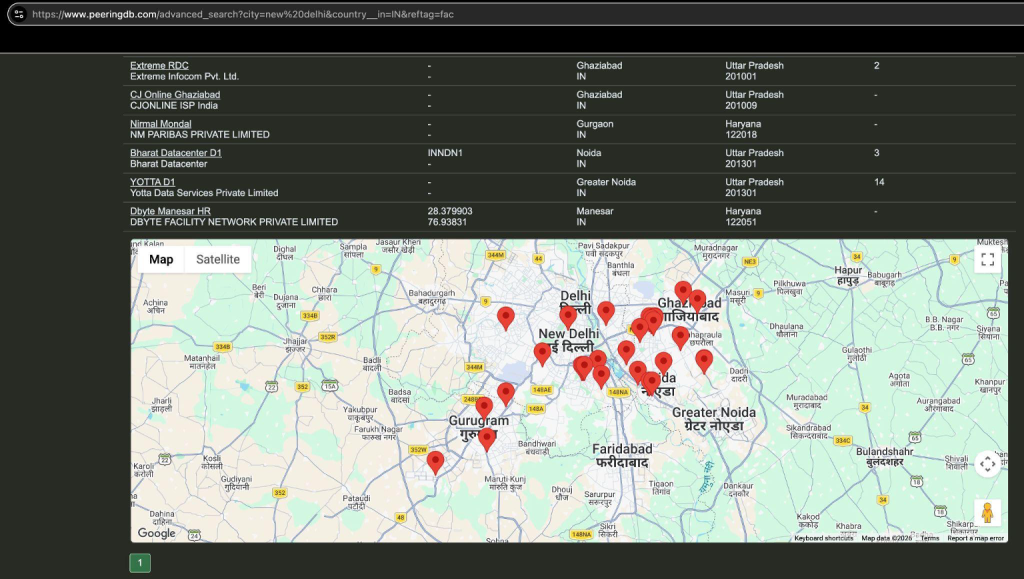
Complementing this search capability is the introduction of an optional in-page map view for Advanced Search. This feature, which can be enabled directly through individual user profile settings, presents a clear visual overview of facility locations grouped within a specific city. By offering a geographical perspective that sits right alongside traditional table-based search results, the map view enables engineers and facility planners to evaluate local interconnection ecosystems and data centre concentrations at a glance.
For advanced users requiring deep geographic analysis for capacity planning or market research, the complete PeeringDB facility dataset remains fully accessible as a downloadable KMZ file, designed for seamless integration into geographic information systems (GIS) and third-party mapping applications.

Refining Operational Processes and Dashboards
On the operational side, PeeringDB has fundamentally rethought its software release lifecycle following direct feedback from the community. Back in August, the platform tested a revised deployment methodology by completely removing the traditional public beta stage, moving updates directly from rigorous internal testing environments straight into production.
This strategic shift followed extensive feedback from community members indicating that the prior public beta process was no longer providing significant, measurable value to the ecosystem. Because the initial August release under this new model proceeded smoothly without generating any technical issues, platform administrators have officially adopted this streamlined approach as the standard release procedure moving forward. However, the organization noted that for exceptionally large changes—particularly those that fundamentally alter user interface paradigms or introduce breaking API behaviour—public beta testing will still be utilized where appropriate.
In tandem with release management changes, PeeringDB has completed the redevelopment of its internal operations dashboard. Designed to offer better visibility and control over platform maintenance, access to this new dashboard is being rolled out to dedicated PeeringDB volunteers, with a broader public rollout planned for later in the year.
Tackling Data Quality and AS-SET Clarity
Data integrity remains a foundational pillar for PeeringDB, and recent updates address long-standing challenges regarding clarity and ambiguity in routing policies. Prompted by valuable community feedback from network engineer James Bensley, the platform has updated how AS-SET names are displayed across the entire ecosystem.
To remove ambiguity and provide immediate context, AS-SET names now explicitly incorporate their originating Internet Routing Registry (IRR) where known. For instance, a traditional designation such as AS4608:AS-APNIC is now clearly rendered as APNIC::AS4608:AS-APNIC. In instances where an appropriate originating IRR cannot be automatically determined by the system, PeeringDB representatives are proactively reaching out to network operators directly to verify and confirm accurate information.
To support this data cleanup initiative and prevent future inconsistencies, the platform has introduced a brand-new AS-SET editor designed to guide users through entering accurate routing data. Additional data quality refinements are already scheduled for rollout over the coming months, including automated system warnings that will trigger whenever an entered AS-SET name is already in active use elsewhere within the PeeringDB database, thereby preventing conflicting entries.
Looking Ahead: APIs, AI Workflows, and Future Metadata
Looking toward the horizon, PeeringDB is preparing several significant expansions to the metadata values available to its users. Beginning next month, network operators will be able to signal precise operational details, including the exact date a network plans to join or leave an exchange point, as well as Maximum Transmission Unit (MTU) capabilities, giving peers deeper insight into network compatibility before establishing direct connections.
Furthermore, platform architects have published a comprehensive discussion document outlining the design for a brand-new PeeringDB API. Operators and developers who regularly rely on programmatic access to the database are strongly encouraged to review the draft proposal and subscribe to the dedicated API v3 discussion mailing list to ensure their operational requirements are considered before implementation begins.
The platform is also evaluating intelligent features designed to alert administrators if a network’s published maximum prefix count falls below the actual observed number of prefixes on the network, helping to prevent silent packet drops and configuration mismatches.
Recognizing the changing ways in which technical data is consumed, PeeringDB is also adapting to the rise of automated artificial intelligence systems. While the vast majority of users remain human engineers, platform maintainers have observed a significant volume of automated searches originating from AI agents and automated assistants. To ensure these automated tools can query the database efficiently and responsibly without degrading service for human users, PeeringDB is establishing a Model Context Protocol (MCP) server and publishing an Agent Skills directory directly within its public GitHub repository.
At the same time, the platform is exploring ways to enhance its native comparison tools and is actively seeking community input on potential new capabilities. Operators interested in shaping features such as enhanced side-by-side network comparisons are invited to participate in discussions on GitHub issue tracking threads.
PeeringDB remains a freely available, user-maintained registry of networks and serves as the undisputed global source of truth for interconnection data. By facilitating the global interconnection of networks at Internet Exchange Points, carrier-neutral data centres, and various interconnection facilities worldwide, it continues to serve as the critical first step for engineers making vital infrastructure and peering decisions. As views expressed by platform contributors reflect ongoing community dialogue, PeeringDB operates under a strict Code of Conduct to maintain a collaborative and professional environment for all contributors.

Leave a Reply