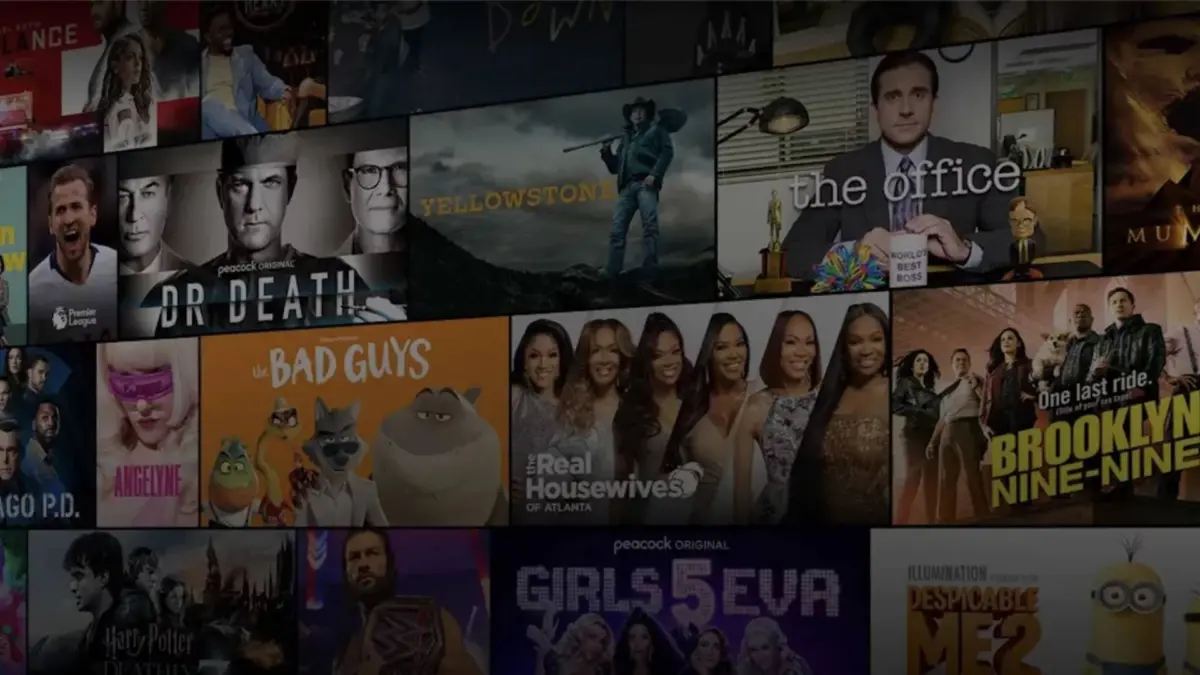
Streaming giants are continuously searching for innovative ways to upgrade the user experience and adapt to evolving usage patterns in an increasingly crowded digital landscape. Peacock is the latest major platform to take its mobile application in a radically new direction, rolling out what executives are calling its biggest and most comprehensive overhaul yet.
NBCUniversal officially announced this new era of the Peacock mobile app, showcasing a roster of fresh upgrades designed not only to refine the user interface but to significantly increase user engagement. The company hopes these changes will encourage viewers to spend more time exploring its extensive library of entertainment and sports titles.
The streamer confirmed that it has already begun testing the new tools and interactive features, with a phased rollout scheduled to continue through 2027. This long-term strategy reflects the platform’s commitment to modernizing its mobile infrastructure and shifting how audiences interact with streaming content on-the-go.
"Our ambition is for Peacock to be more than a place to watch," said Jim Denney, Chief Product Officer for Global Streaming & NBCUniversal Media Group.
"With this new mobile experience, we’re evolving Peacock into an entertainment platform that gives fans more ways to discover, participate, and strengthen their connection to their favorite stories, teams, and franchises, turning viewing into deeper engagement and lasting fandom and loyalty."
What You Need to Know
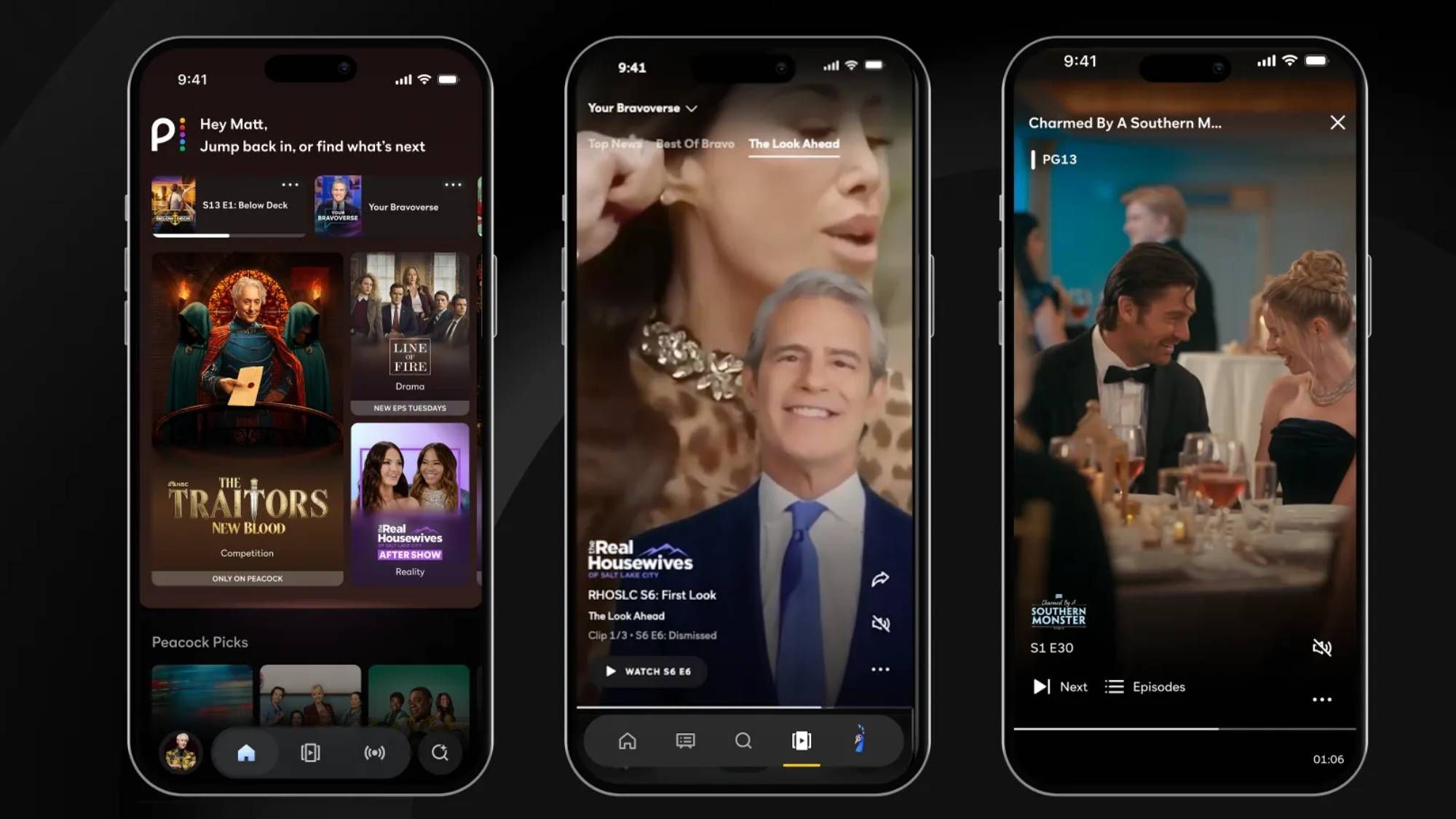
One of the most prominent additions to the reimagined Peacock mobile experience is the introduction of vertical video. Industry observers note that vertical video has become an integral design choice for platforms seeking to distance their mobile apps from traditional television interfaces. Netflix previously introduced similar short-form video features, making it only a matter of time before competitors like Peacock followed suit to capture younger or more mobile-centric audiences.
Within the redesigned app, this functionality takes the form of a dedicated "Clips Feed." This separate section is engineered to provide users with an entirely new mechanism for discovering titles across both entertainment and sports categories, moving far beyond the traditional method of merely scrolling horizontally through static homepage carousels.
In tandem with short-form video clips, Peacock is launching new "Franchise Hubs" aimed at fostering community and fandom around specific intellectual properties. These specialized sections of the app pack interactive games, real-time live moments, and relevant episodes and podcasts centered on major franchises. Whether users are looking for content related to the Minions franchise, Love Island USA, or The Traitors, these hubs group related media together to deepen viewer immersion.
Furthermore, Peacock is jumping on the artificial intelligence bandwagon by introducing conversational AI search. This new function provides users with another intuitive way to locate content within the vast library. Instead of typing exact titles, viewers who cannot decide what to watch can describe a specific mood, theme, or general concept. The conversational AI can then pull up tailored content suggestions based on that input, allowing users to refine their results dynamically as the conversation progresses.
Helping or Hindering Discovery?
Audience behavior is undeniably evolving, forcing streaming platforms to adapt to shifting consumption habits to remain competitive in the modern media ecosystem.
In the broader tech and entertainment space, companies frequently introduce features designed to alleviate friction points for users. For example, Spotify’s messaging features allowed users to share music and podcasts directly within the app rather than forcing them to take screenshots and send them through external group chats. While such features can offer genuine utility, platforms often pair them with less universally loved additions, such as pushing short-form video feeds into unexpected corners of the user interface.
When Netflix first unveiled its vertical video feeds, industry analysts and users alike offered mixed reactions, ranging from mild surprise to outright skepticism regarding the utility of social media-style formats on a subscription video-on-demand service. Now that multiple streaming services are embracing this format, vertical video is rapidly solidifying its status as the new industry norm for mobile app design.
However, these vertical feeds frequently spark debates regarding user intent and digital fatigue. While streaming executives consistently pitch these short-form clips as helpful discovery tools, critics argue that they primarily serve as a mechanism to maximize screen time and increase the duration users remain trapped inside applications. With endless doom-scrolling already dominating the modern social media landscape, some consumers remain wary of seeing the same engagement-driven mechanics infiltrate the environments where they traditionally go to relax and watch movies or television shows.