The open-source software ecosystem is experiencing a period of significant transition, marked by shifting licensing strategies, legal disputes, and notable software developments. From hardware-focused Linux distributions altering their copyright terms to combat unauthorized code scrubbing, to major updates in desktop environments, web browsers, and productivity tools, the landscape of free and open-source software (FOSS) continues to evolve rapidly. Industry watchers and community members are also engaged in ongoing debates regarding digital autonomy, self-hosting alternatives, and the future of independent computing.

Licensing Shifts and AI Scrutiny in Apple Silicon Linux
One of the most consequential developments in the open-source community involves Asahi Linux, the prominent project dedicated to bringing native Linux support to Apple Silicon Macs. The development team recently announced a decisive shift in its licensing strategy, moving every project repository from the permissive MIT license to the GNU General Public License (GPL) version 2 or later.

According to project maintainers, this change was prompted by concerning behavior within the broader software development space, where individuals were reportedly lifting unreleased code and passing it through artificial intelligence tools to rewrite and obscure its original source. While this maneuver implicitly pointed toward ongoing tensions involving projects like Omarchy, public reactions from prominent figures have varied. When questioned in a recent interview, DHH noted that he remains unconcerned by Asahi Linux’s decision to tighten its licensing terms. The shift highlights a growing anxiety among open-source developers regarding how modern automated tools and AI models ingest, transform, and redistribute code without proper attribution or adherence to collaborative community norms.

Legal Pressures and Open Hardware Tensions
Beyond licensing adjustments, legal tensions are emerging within the hardware-adjacent open-source sphere. Developer Mike Lothian recently found himself on the receiving end of a cease-and-desist letter from Synaptics. The legal communication alleges patent infringement concerning Vino, an open-source DisplayLink driver developed by Lothian. As a direct consequence of the legal pressure, Lothian was forced to pull the project repository from public view, temporarily halting open access to a tool relied upon by various hardware enthusiasts.

This incident underscores the complex and often precarious relationship between independent open-source developers and corporate patent holders. While projects strive to provide interoperability and drivers for proprietary hardware platforms, they frequently encounter formidable legal hurdles when corporate entities assert intellectual property claims over interface specifications and device communication protocols.

Desktop Environments, Browsers, and Window Management Updates
On the desktop software front, users can anticipate several notable updates heading into the winter season. Linux Mint 27, codenamed "Adrien," is currently slated for release around Christmas, bringing a fresh round of feature enhancements and system refinements designed to improve the user experience.
Web browsing technology is also seeing incremental functional expansions. Firefox version 160 introduces a new capability allowing users to send either a complete browser tab or a custom-drawn bounding box of a webpage directly into a compact Mini Window. This feature aims to streamline multitasking by letting users monitor specific content streams without keeping full browser tabs active or visible in the primary workspace.

Window management and workspace utilities are receiving targeted improvements as well. The terminal emulator Kitty has released version 0.50, which addresses a long-standing workflow annoyance by introducing session persistence. Once enabled in the settings, the latest version saves every active window, tab, and scrollback history upon logout, seamlessly restoring the complete workspace layout during the next launch.
For users exploring alternative desktop paradigms, the Rust-based Wayland compositor known as Domicile offers an unconventional approach. Domicile renders the entire desktop environment as a web page using a patched build of Chromium. While currently restricted to x86_64 machine architectures, the project represents a novel experimental intersection between web technologies and foundational window management.

Meanwhile, GNOME developers are testing optional section headers for Nautilus, the project’s default file manager. Designed to streamline navigation through extensive directories, the experimental feature automatically sorts files into distinct visual groups. Although still in an early testing phase and subject to modification, the addition reflects ongoing efforts to improve usability for users managing large volumes of data.
Emerging Operating Systems and Infrastructure Tools
The intersection of artificial intelligence and operating system design continues to attract venture interest. Playtron, the company previously known for developing GameOS, has officially rebranded as KORA Systems. The organization has unveiled KORA, a new desktop operating system built on a Linux foundation that deeply integrates AI models and automated agents directly into the core platform experience, with a commercial launch anticipated later in the year.

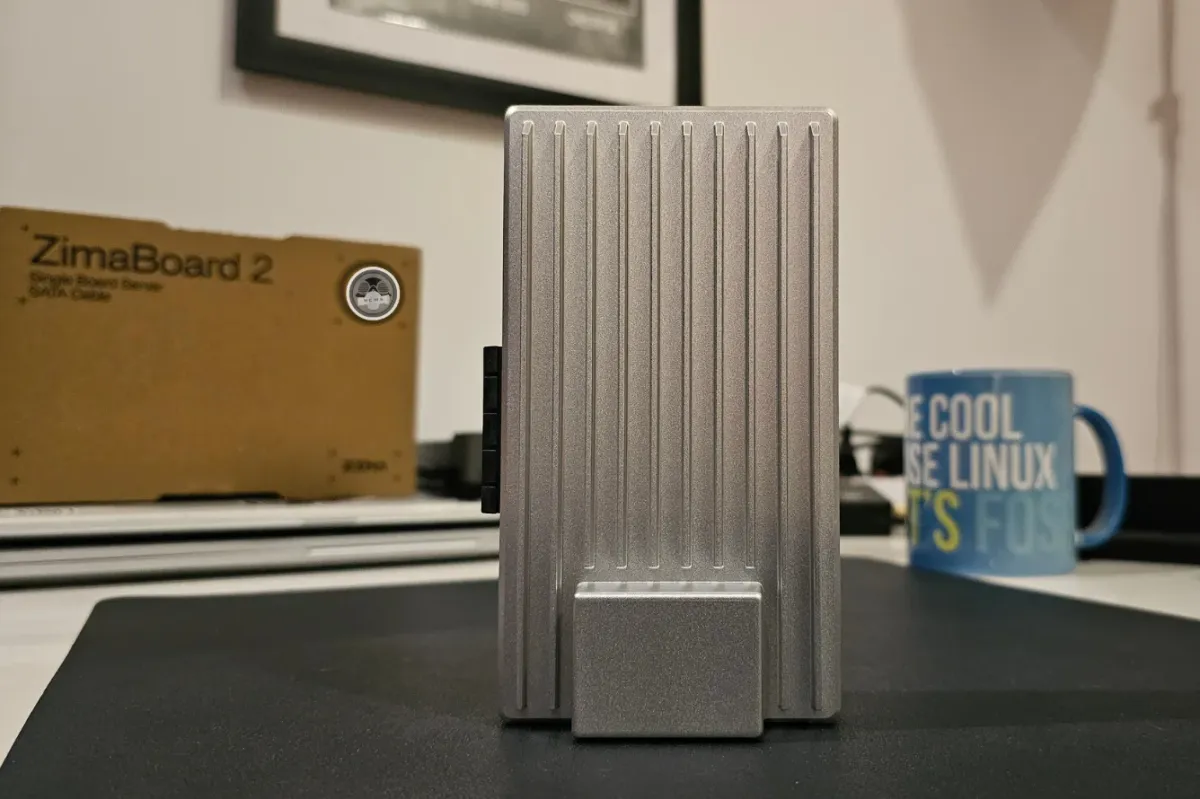
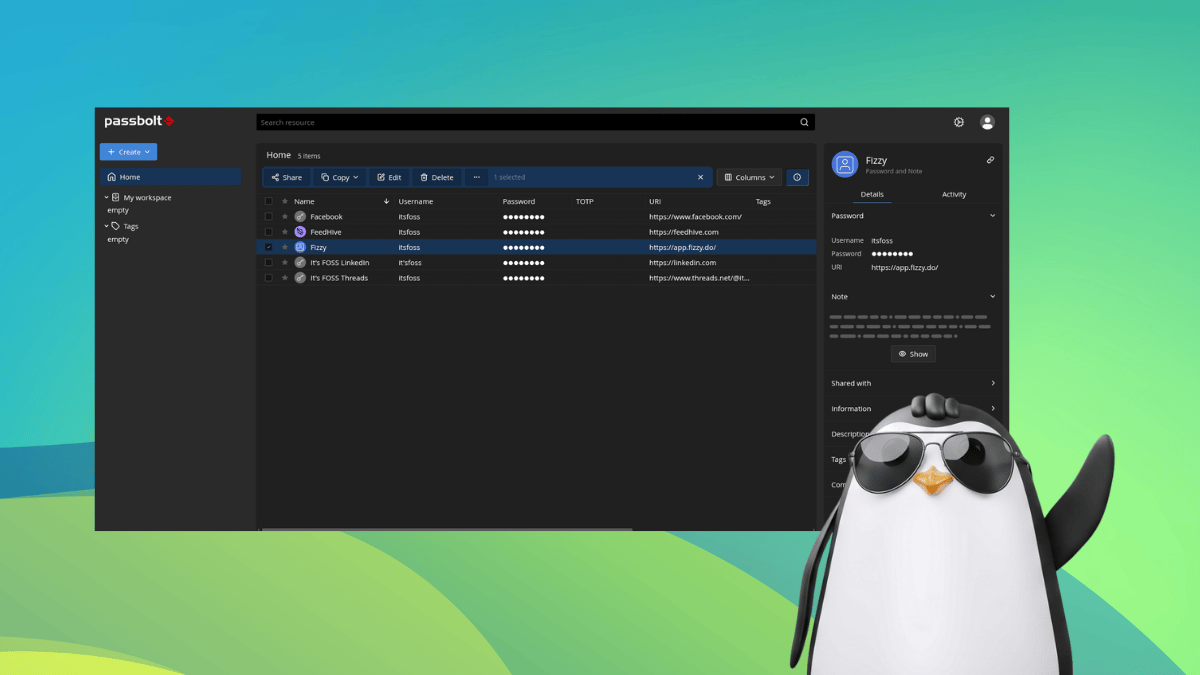
In the realm of enterprise and team infrastructure, self-hosted alternatives to proprietary utilities continue to gain traction. Passbolt remains a popular open-source password management solution tailored specifically for teams, offering a free self-hosted edition alongside a managed cloud version without strict user caps. Similarly, hardware enthusiasts exploring self-hosted infrastructure have found accessible entry points in devices like the ZimaBoard 2, which offers a compact physical footprint for local server deployments and homelabs.

As the open-source ecosystem navigates these shifting technical, legal, and operational landscapes, community discussions persist regarding digital privacy, platform independence, and the long-term sustainability of independent software projects. Whether through adopting stricter copyleft licenses to protect codebases from automated extraction or refining the tools that power everyday desktop workflows, the FOSS community remains at the center of modern software evolution.