
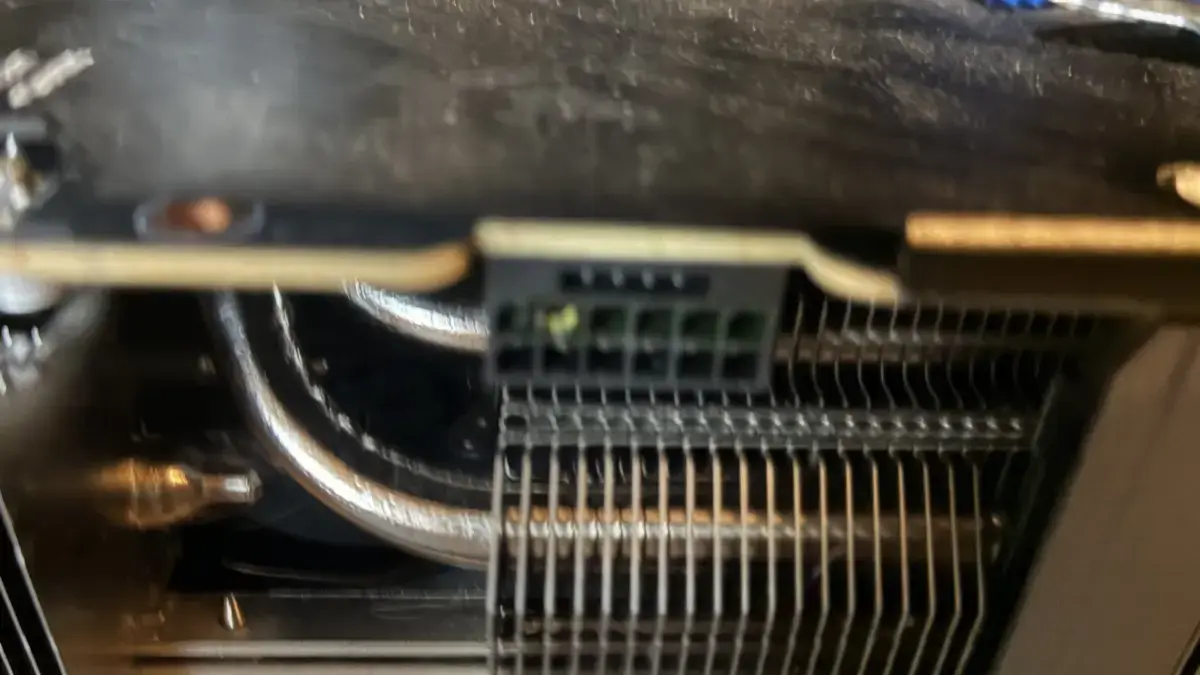
The Nvidia GeForce RTX 5090 is no stranger to public scrutiny and controversy, largely due to the historically volatile nature of its 16-pin power connector. When system builders and hardware enthusiasts introduce demanding features like DLSS 5—which imposes a staggering increase in power consumption on an already high-wattage graphics card—the combination risks pushing hardware past its physical limits. It now appears that this exact recipe has claimed its first widely discussed victim in the enthusiast community. HardOCP forum member Erek reported that their high-end graphics card fell prey to the notorious 16-pin connector woes, suffering a catastrophic hardware failure and melting during testing sessions involving DLSS 5 inside NBA 2K27.
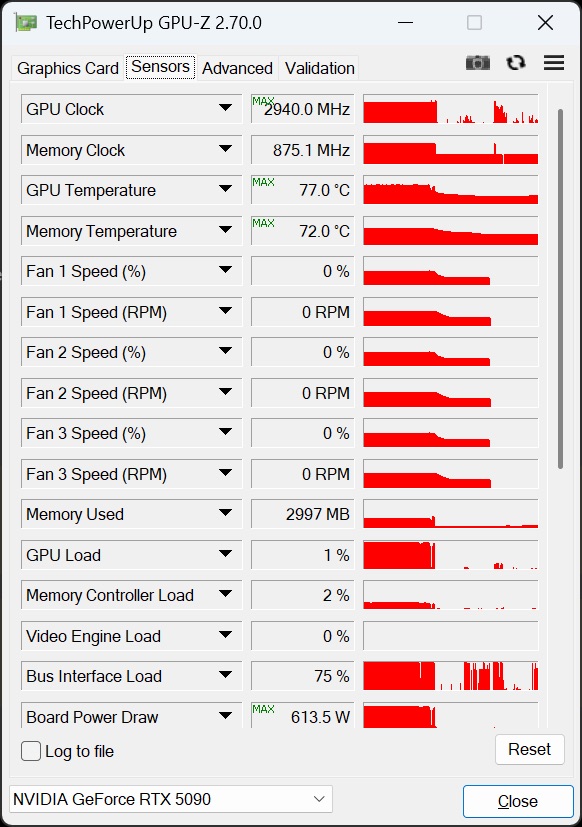
The situation highlights a striking irony within the current PC gaming landscape. At present, NBA 2K27 stands out as the primary game offering official, native support for Nvidia’s DLSS 5 neural rendering technology, with broader implementation across other titles typically relying on community mods. Despite its official status, running the game pushed the user’s MSI RTX 5090 Gaming Trio OC—a powerhouse card with a rated 575W Thermal Design Power (TDP)—beyond its intended threshold. During the diagnostic and gameplay testing phase, Erek reported that power draw figures consistently surged past the 600W mark, with hardware monitoring utilities like GPU-Z recording a steady hovering above 610W rather than brief, momentary spikes. Before activating the demanding rendering technology, the same graphics card historically consumed a relatively stable 450W under heavy gaming loads, implying that DLSS 5 alone introduced an additional power draw of more than 150W.
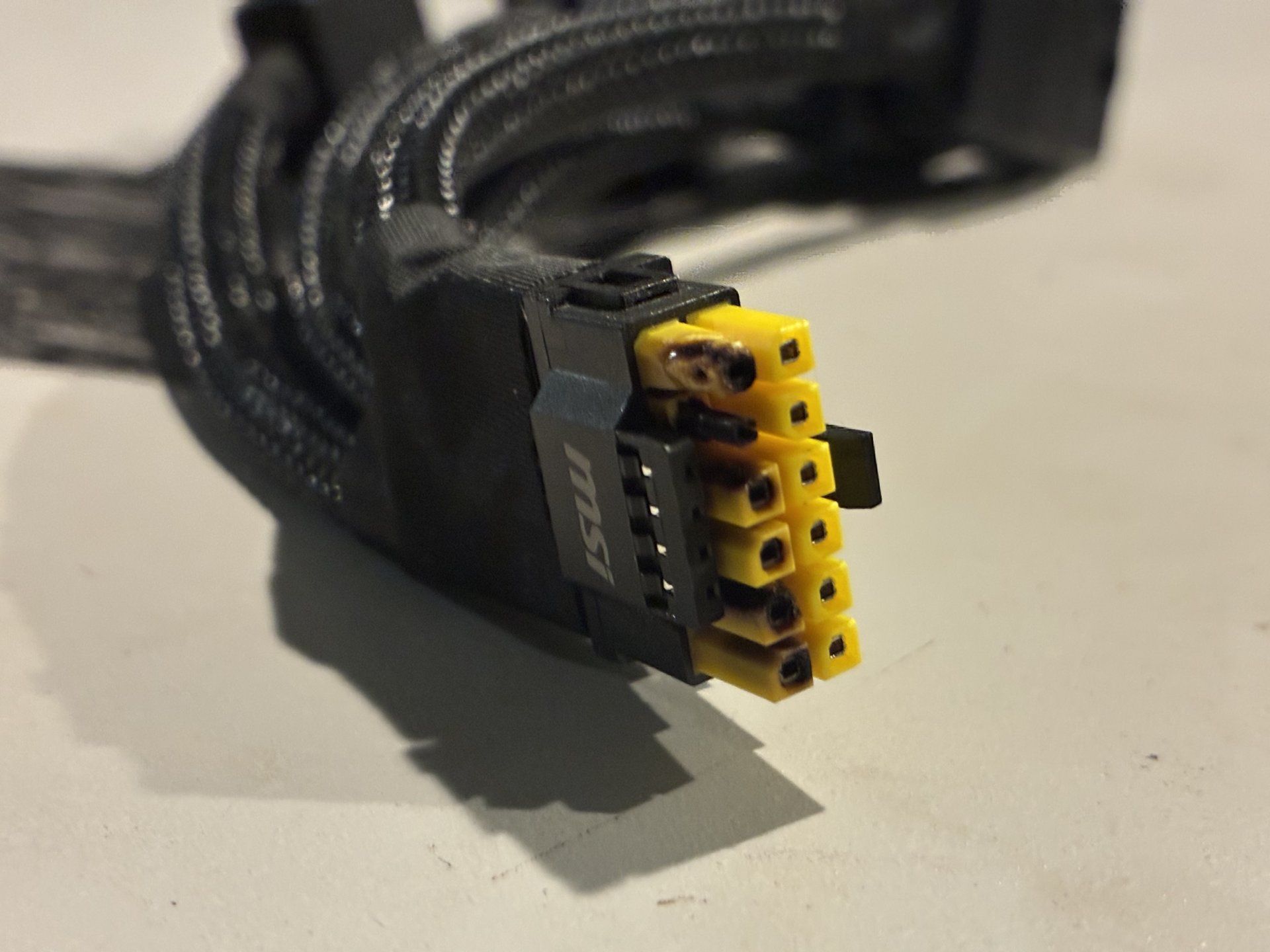
While the standardized 16-pin power connector is theoretically engineered to carry up to 600W of continuous power safely, the PCIe x16 motherboard slot supplying the hardware also contributes an independent 75W. This means the total system power passing through the card was substantial, though the cable itself was forced to handle an immense electrical load. Tragedy struck shortly after the power spikes were recorded, as Erek’s RTX 5090 began exhibiting severe system instability, graphical artifacts, and eventual total failure. Upon noticing a distinct burning odor emanating from the system chassis, the owner inspected the internal components and discovered the 16-pin power connector suffering from a classic thermal failure mode: melting.
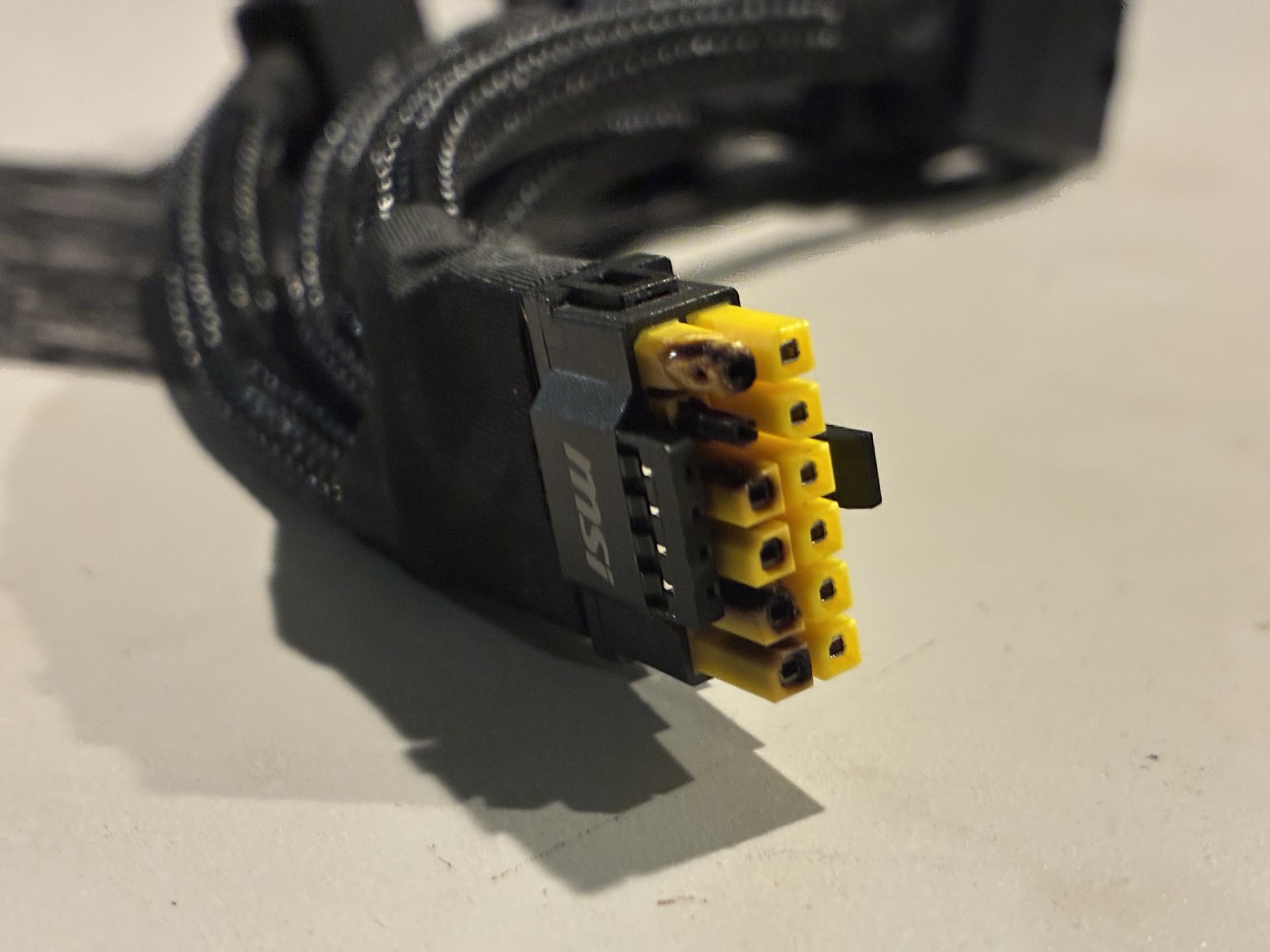
The heat generated during the session caused the plastic housing of the connector to physically melt and chemically bond with the inserted cable, making the two components remarkably difficult to separate. Once they were forcibly pulled apart, the internal damage was immediately and clearly visible. At least five individual pins on the 16-pin cable showed extensive scorching, and the housing surrounding one specific pin had completely dissolved from thermal stress. Notably, this was executed using a yellow-tipped cable—a design revision specifically implemented by manufacturers to provide a clear visual indicator ensuring the cable was firmly and completely seated into the socket. Despite taking precautions associated with the yellow-tipped design, photographic evidence shared on the forums showed the tiny yellow indicator dot of melted plastic standing out comically and alarmingly amidst the surrounding charred black and grey material.
While it is difficult to definitively confirm whether DLSS 5 was exclusively responsible for destroying Erek’s hardware, high-end RTX 5090 failures have become an unfortunate recurring topic among hardware communities. These hardware meltdowns are frequently attributed to minor micro-gaps or loose physical fits between the GPU receptacle and the power cable. However, independent laboratory testing and community benchmarks align closely with the hypothesis that DLSS 5 significantly accelerates thermal and electrical stress. During our own early performance evaluations of community-modded DLSS 5 environments, testing revealed that an MSI Lightning Z variant of the RTX 5090—equipped with dual 16-pin connectors and an aggressive 1,000W XOC BIOS—pulled a massive 800W in Control with the neural rendering technology enabled. Without DLSS 5 active, the identical graphics card consumed a significantly lower 691W.
Even more dramatic power increases were documented during testing with Hogwarts Legacy. Power consumption jumped from a baseline of 480W without DLSS 5 to a staggering 720W with the feature toggled on, representing a nearly 50% increase in power draw dedicated entirely to a single software rendering feature. Similarly, testing the standard Founders Edition of the RTX 5090 in the same title yielded a baseline of 417W without neural rendering, which climbed to 547W once the feature was engaged. This demonstrates a consistent 31% jump in power consumption attributed directly to DLSS 5 on a reference-tier GPU equipped with a single 16-pin connector.
Given that Erek’s MSI Gaming Trio OC model occupies a performance and power tier that falls squarely between those tested variations, and considering his personal telemetry showed a severe power budget imbalance, it is entirely plausible that the intense demands of DLSS 5 served as the catalyst for the failure. Had the graphics card shown erratic behavior or hardware instability prior to testing the new rendering feature, the conclusion might point elsewhere. Instead, the incident underscores the significant engineering challenges Nvidia and its board partners face regarding electrical efficiency and safety margins as they prepare to bring DLSS 5 to older hardware generations, such as the RTX 40-series, down the line. Beyond raw performance gains and framerate improvements, the underlying safety concerns stemming from extreme power scaling and connector thermal limits remain a critical issue that manufacturers will need to address.

Leave a Reply