
At Qualcomm’s annual Snapdragon Summit earlier this week, Motorola made a significant announcement that caught many industry analysts and tech enthusiasts completely off guard: the flagship Motorola Signature 27 is officially coming to North America. This marks a major shift in strategy for the brand. The previous-generation Motorola Signature never made its way stateside, a point of frustration for consumers who otherwise praised the device for its premium industrial design and stellar camera capabilities.
Adding to the significance of the appearance, this year marks the first time Motorola has taken the stage at the Snapdragon Summit as a featured original equipment manufacturer (OEM). The prominent placement signals just how heavily invested Motorola is in Qualcomm’s latest silicon platform and what it enables for the future of mobile computing.
To understand the strategy behind this long-awaited North American flagship rollout and what consumers can genuinely expect from the upcoming device, an exclusive sit-down took place with Nicole Hagen, the executive director and head of Global Product Marketing at Motorola. The conversation shed light on why the company believes now is the ideal moment to re-enter the traditional smartphone flagship arena in the United States and Canada.
Motorola Has Heard the Feedback Loud and Clear
Historically, Motorola has maintained a strictly regional approach to rolling out its device portfolio. Devices launched in European or Latin American markets frequently bypass North America, and vice versa. Consequently, North American consumers have historically missed out on high-end traditional candy-bar flagships, an omission that left many loyal tech fans disappointed.
However, Motorola leadership acknowledges that the message from the market has been received loud and clear. According to Hagen, the company listened intently to feedback from media outlets, industry analysts, and vocal customers across popular online forums who expressed frustration over missing out on the previous generation.
"We heard you, we heard media, we heard analysts, and I’ll be honest, we even heard from a lot of customers in North America on kind of popular feedback forums that they were disappointed," Hagen shared during the interview. She noted that the company even tracked instances of previous Signature devices being imported into the United States by dedicated fans who purchased them abroad, underscoring a persistent and undeniable domestic demand.
The decision to bring the Signature 27 to North America is rooted in timing and capability. Hagen emphasized that this year, the company finally possesses the right product equipped with the correct specifications, advanced capabilities, and refined user experiences. Motorola believes the device will resonate powerfully with consumers seeking a premium flagship alternative that breaks away from the standard options that have dominated the market over the past several years.
For a long time, Motorola’s conservative approach to traditional flagships in North America made financial and strategic sense, particularly given Samsung’s formidable, long-standing dominance with the Galaxy S series. Rather than fighting an uphill battle in a crowded segment, Motorola shifted its primary high-end focus toward foldable devices, heavily backing the Razr flip phone lineup and, more recently, the well-received Razr Fold. Only recently has the company begun integrating top-tier processors into those folding form factors.
Yet, business indicators suggest the market is ready for a broader push. Hagen revealed that Motorola recently closed out its best quarter ever by revenue, noting a 15% year-over-year increase driven primarily by robust growth in its premium product tiers. This financial milestone demonstrates a clear consumer hunger for high-end Motorola hardware that extends well beyond foldable displays.
What We Know So Far About the Motorola Signature 27
While Motorola chose to utilize a slightly lower-tier flagship chip for its recent foldable release, opting against the highest-end silicon in favor of broader thermal and power management balance, the upcoming Signature 27 takes a different path. Powered by the newly announced Snapdragon 8 Elite Extreme Gen 6, the Signature 27 is positioned to be an absolute performance powerhouse.
Hagen expressed immense enthusiasm for what the advanced chipset unlocks for the brand. Beyond raw computational speed and reliable daily performance, the processor enables deeply integrated, helpful artificial intelligence features and vastly improved cellular connectivity. Furthermore, the hardware serves as the foundation for an elite camera system built on a combination of cutting-edge physical sensors and sophisticated computational algorithms.
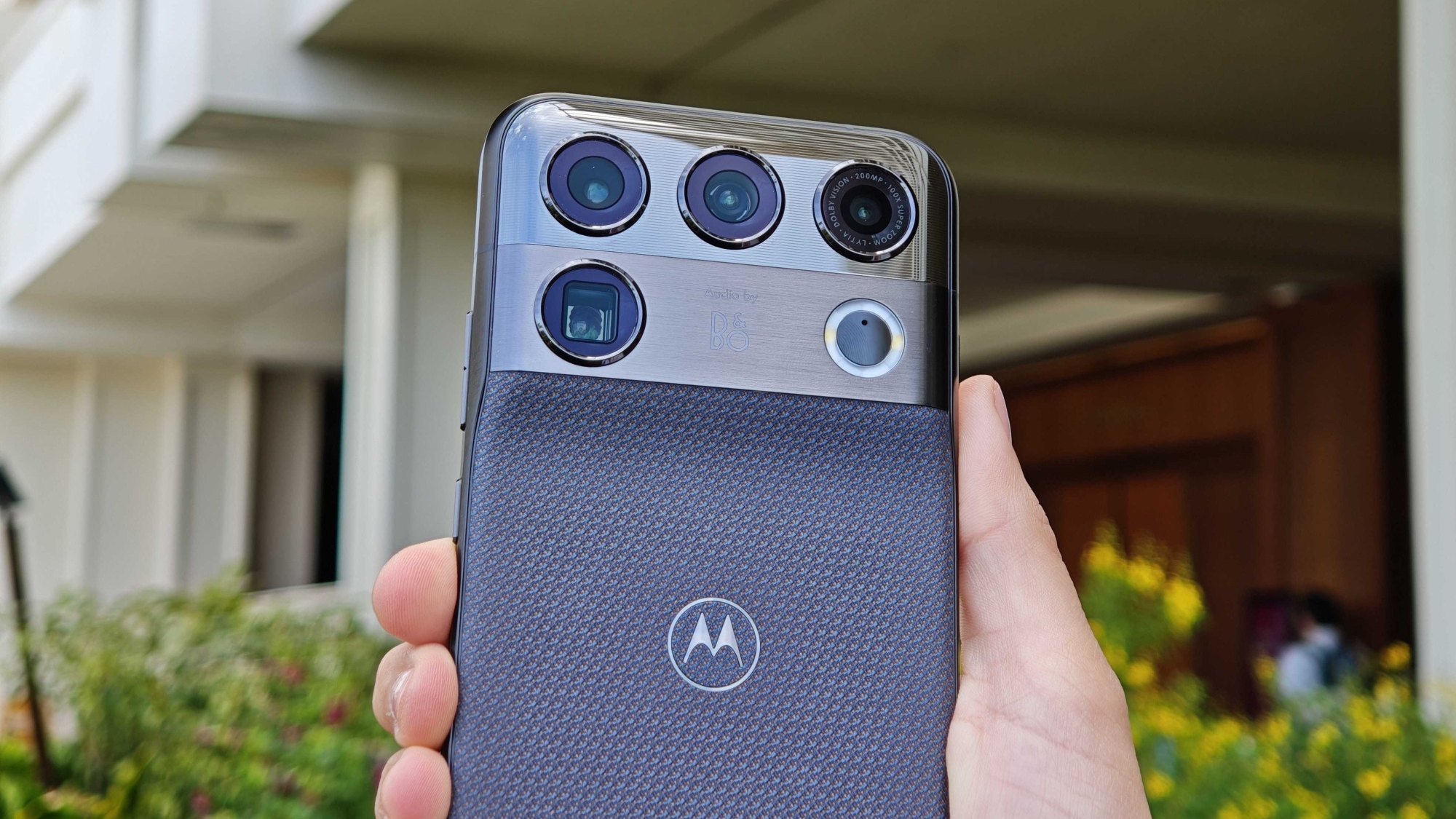
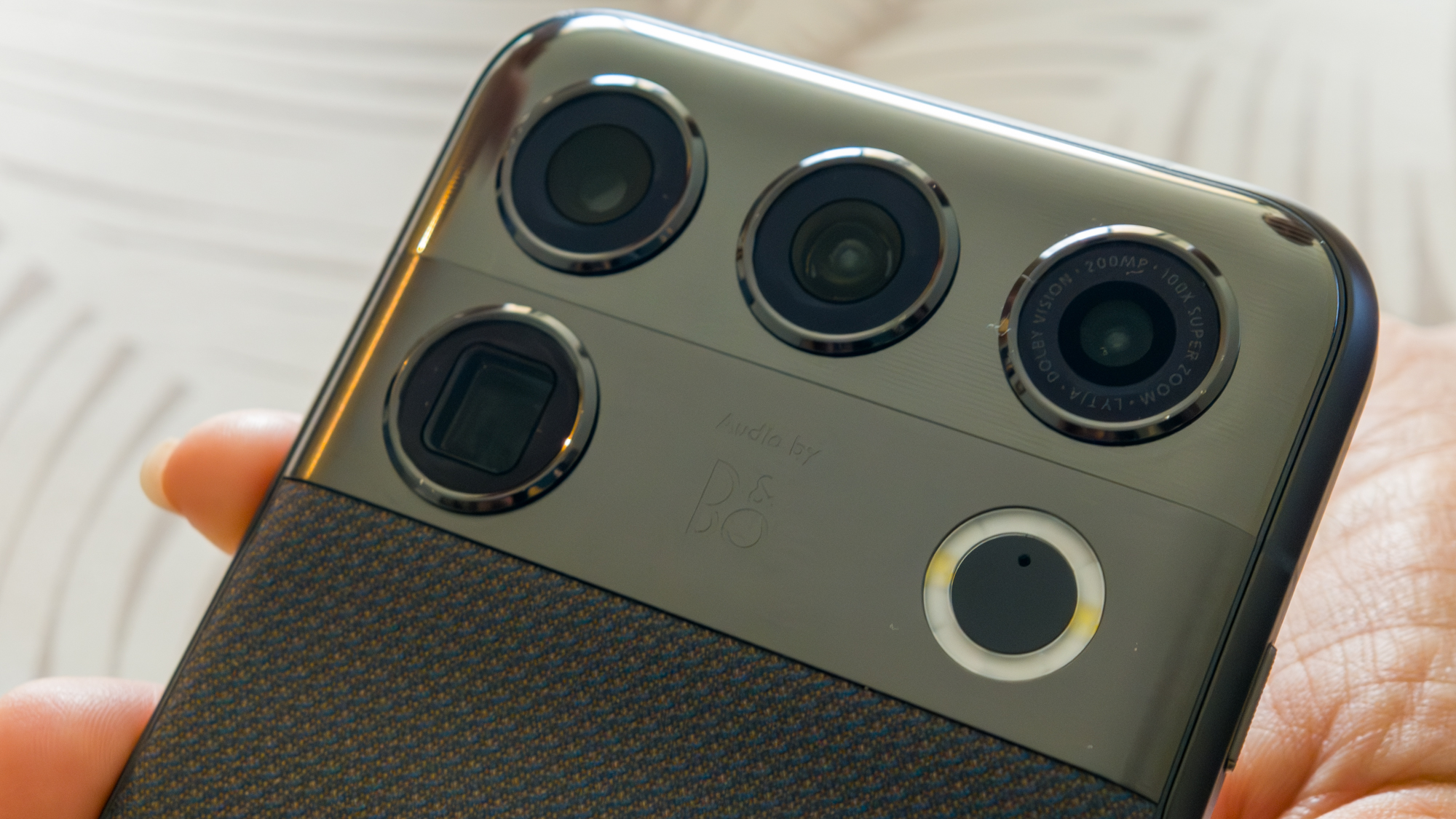
Motorola has already confirmed key details about the camera hardware, highlighting a primary 50-megapixel Sony Lytia 910 sensor alongside an impressive 200-megapixel periscope telephoto lens. The development process involves rigorous testing cycles where Motorola’s internal engineering teams collaborate directly with Qualcomm engineers to fine-tune the Snapdragon platform’s image-processing pipelines, AI algorithms, and optical image stabilization.
Hagen noted that multiple rounds of fine-tuning remain before the product officially launches, but the company anticipates an exceptional DxO test score that will independently validate the hardware and software achievements. Remarkably, internal testing has already shown that the Signature 27 outperforms the camera capabilities of the Razr Fold, a device that has already earned praise as one of the finest overall smartphone cameras available today.
In addition to imaging prowess, Motorola is leaning heavily on external industry partnerships to elevate the core user experience. The company recently announced a multi-year partnership with legendary audio brand Bang & Olufsen to co-create premium acoustic experiences. This collaboration builds upon Motorola’s ongoing design alliance with Pantone.
When asked about the rationale behind these external partnerships, Hagen maintained that the company approaches product development without an ego, recognizing that collaboration with industry leaders yields superior results much faster. With a heritage spanning over a century, Bang & Olufsen is actively assisting Motorola with the acoustic tuning of its hardware, applying the exact same meticulous engineering philosophy used to refine the device’s camera optics.
A Bold New Design Language and Simplified Naming Scheme
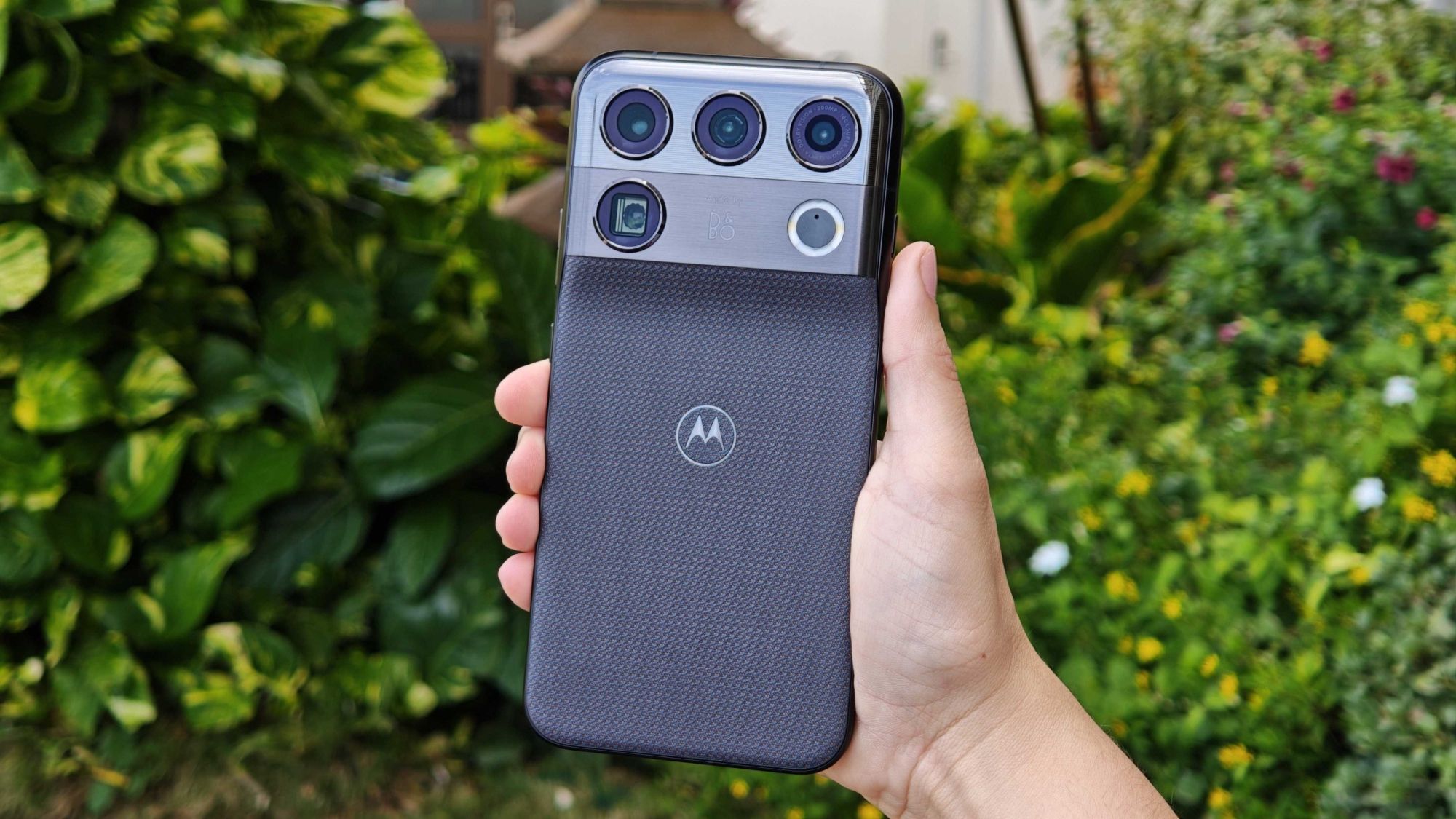
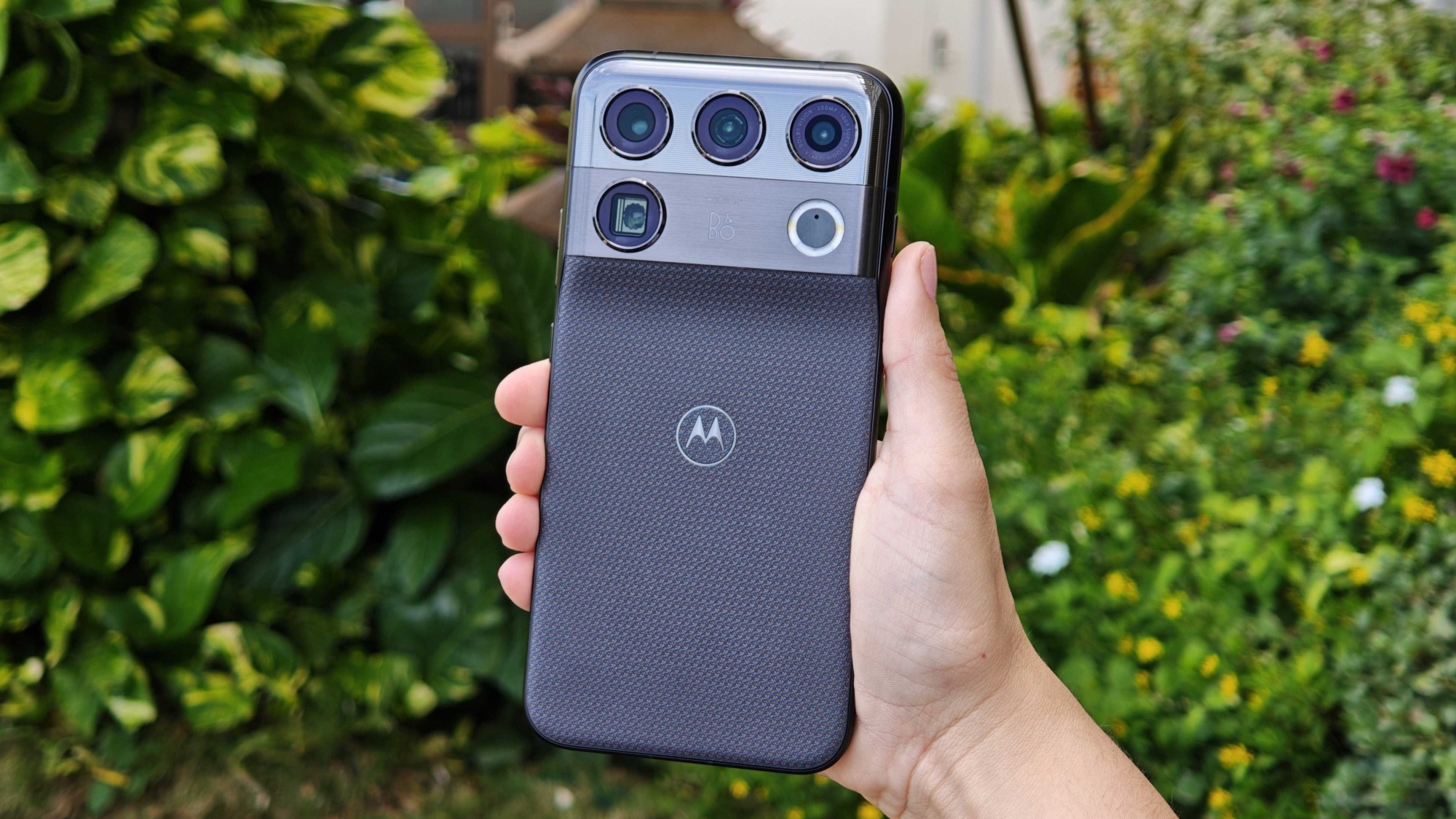
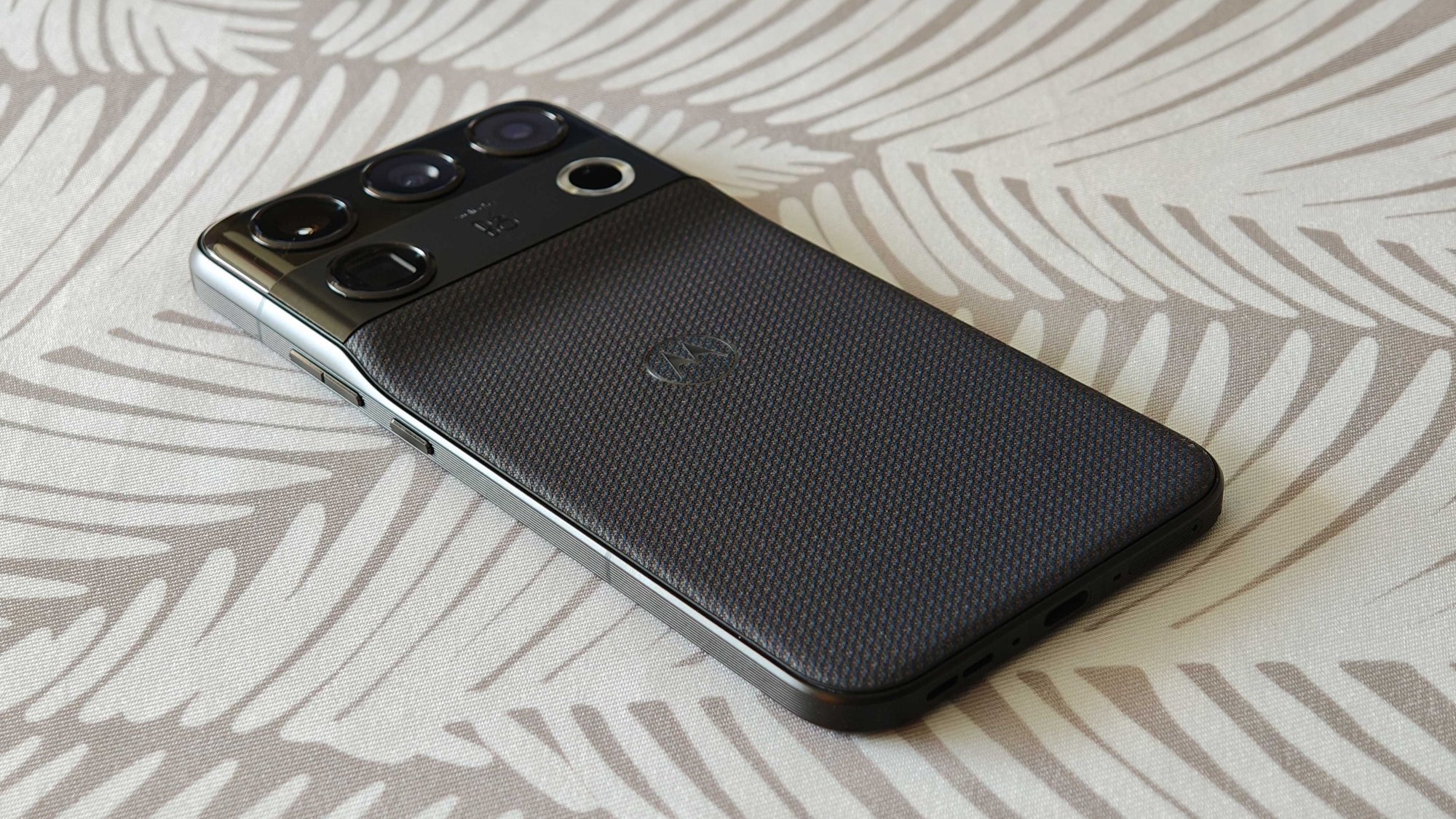
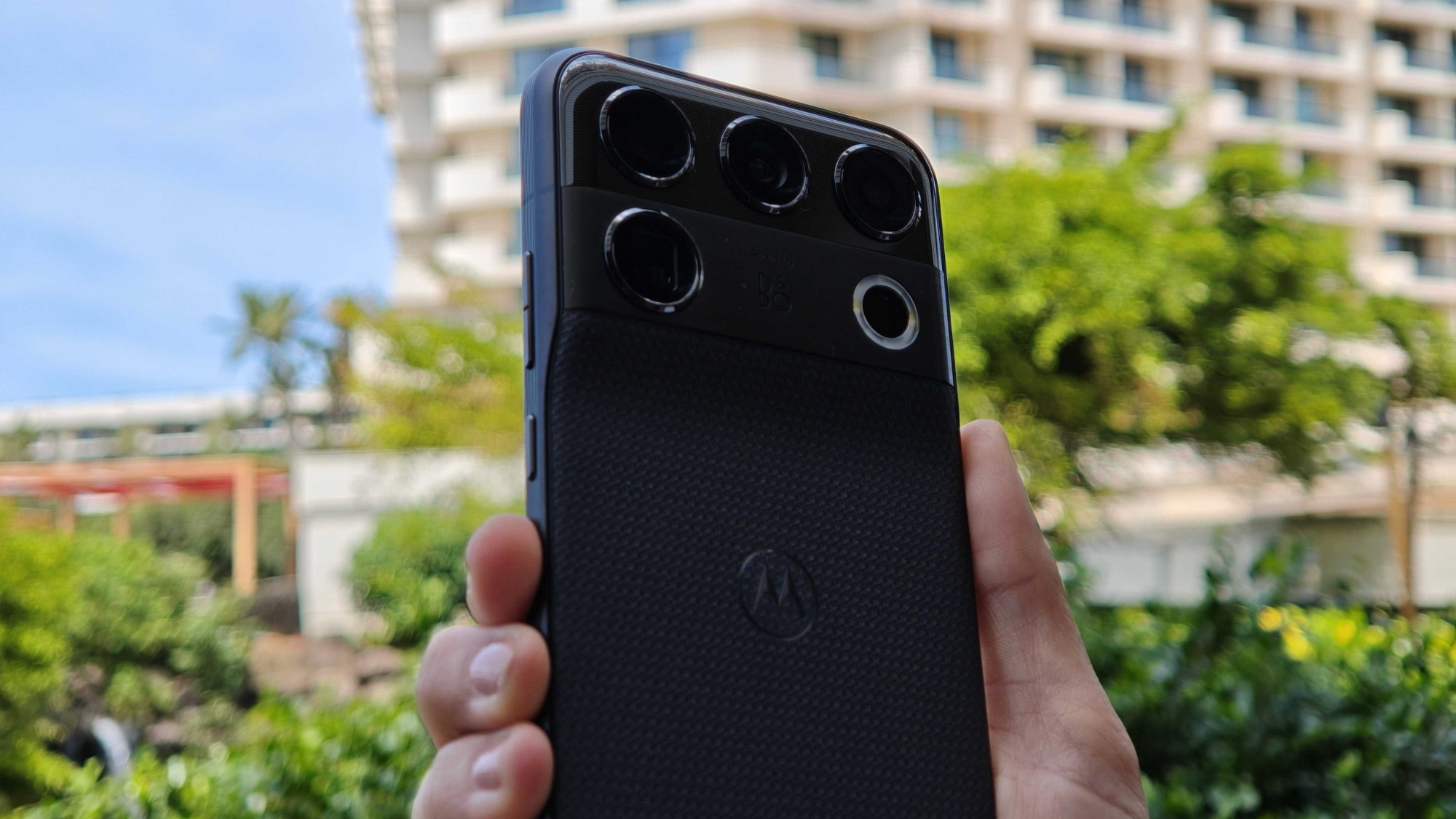
A truly premium smartphone experience demands a design that matches its internal capabilities, and Motorola is introducing a distinct visual identity with the Signature 27. The rear panel features a prominent, top-mounted camera housing that incorporates five distinct circular elements, encompassing the various camera sensors and the LED flash unit.
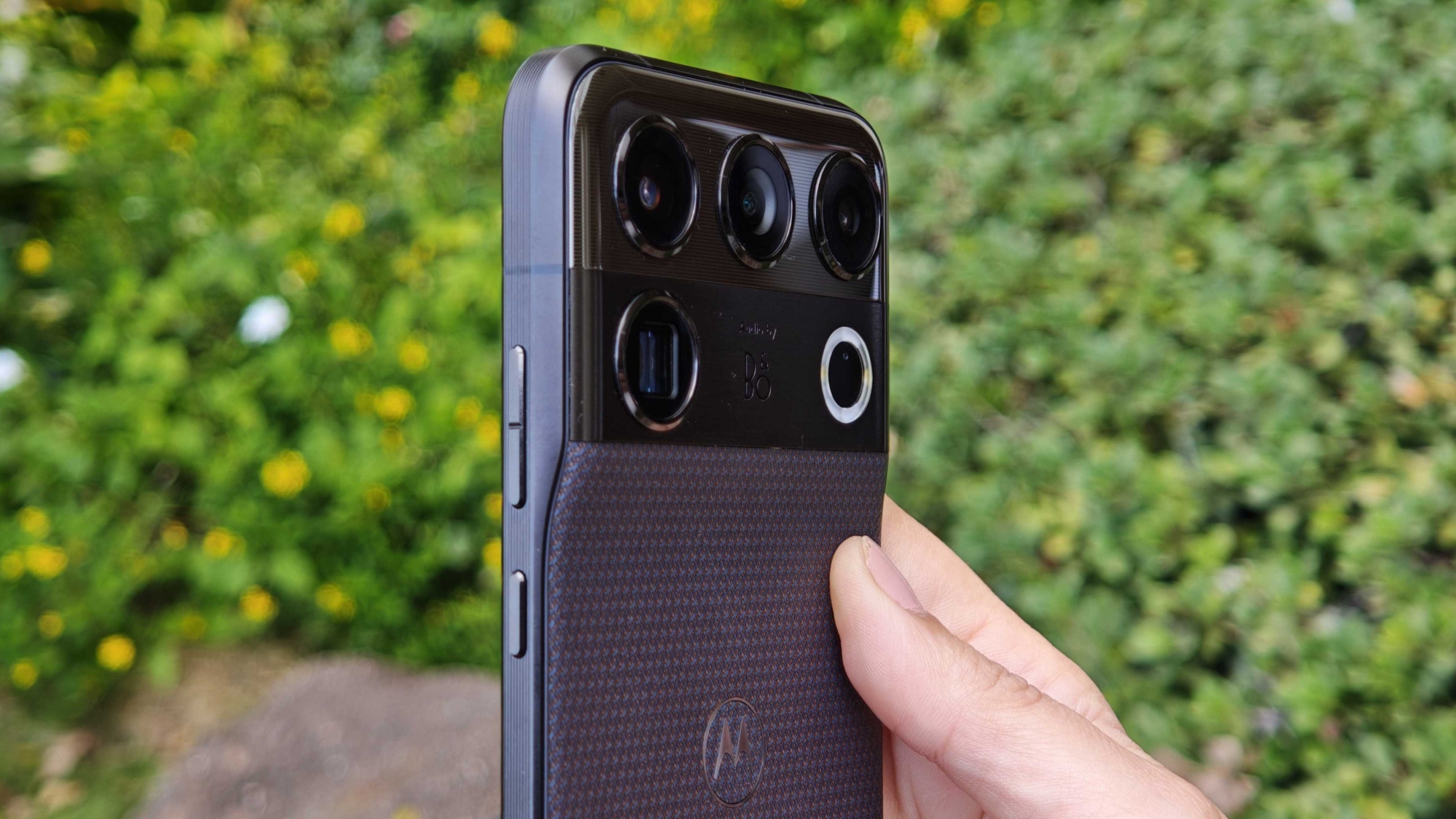
The arrangement represents a bold departure from traditional smartphone aesthetics. Hagen admitted that the layout was a subject of intense internal debate among design teams, with everyone offering subjective opinions. Ultimately, the company settled on a symmetrical, balanced look that breaks away from gender-leaning design trends, successfully resonating across a wide spectrum of users.
Practically speaking, the camera module introduces a major physical improvement over Motorola’s previous designs. Unlike earlier models where camera islands protruded heavily from a single side of the chassis, causing the phone to rock back and forth when placed flat on a table, the Signature 27’s housing is centrally aligned. The result is a physically and visually balanced device that completely eliminates the traditional "teeter-totter" effect.
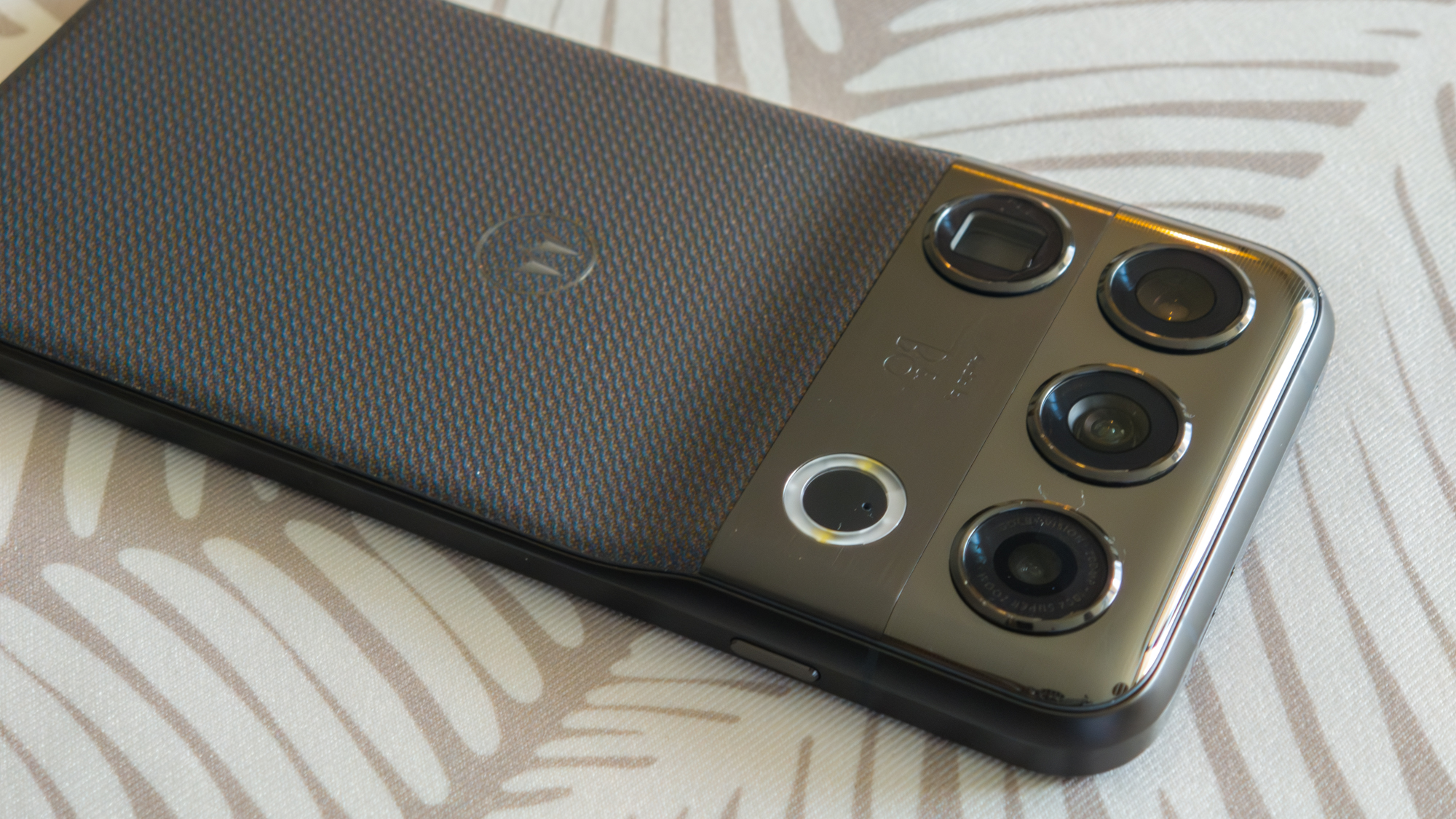
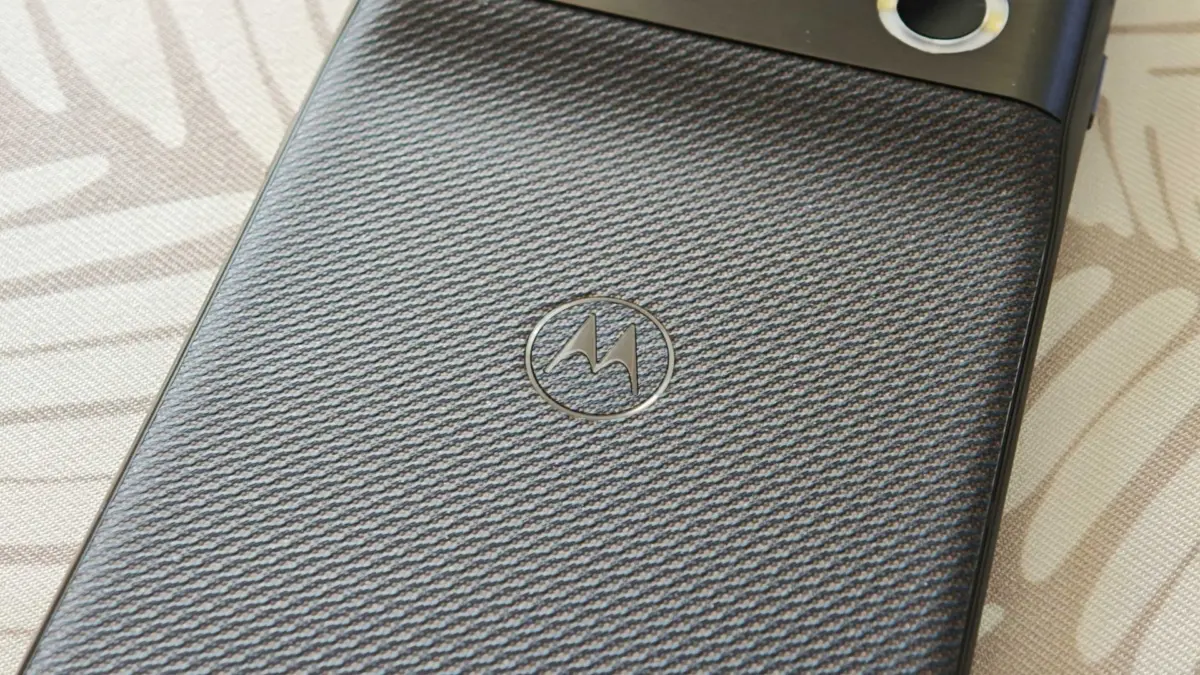
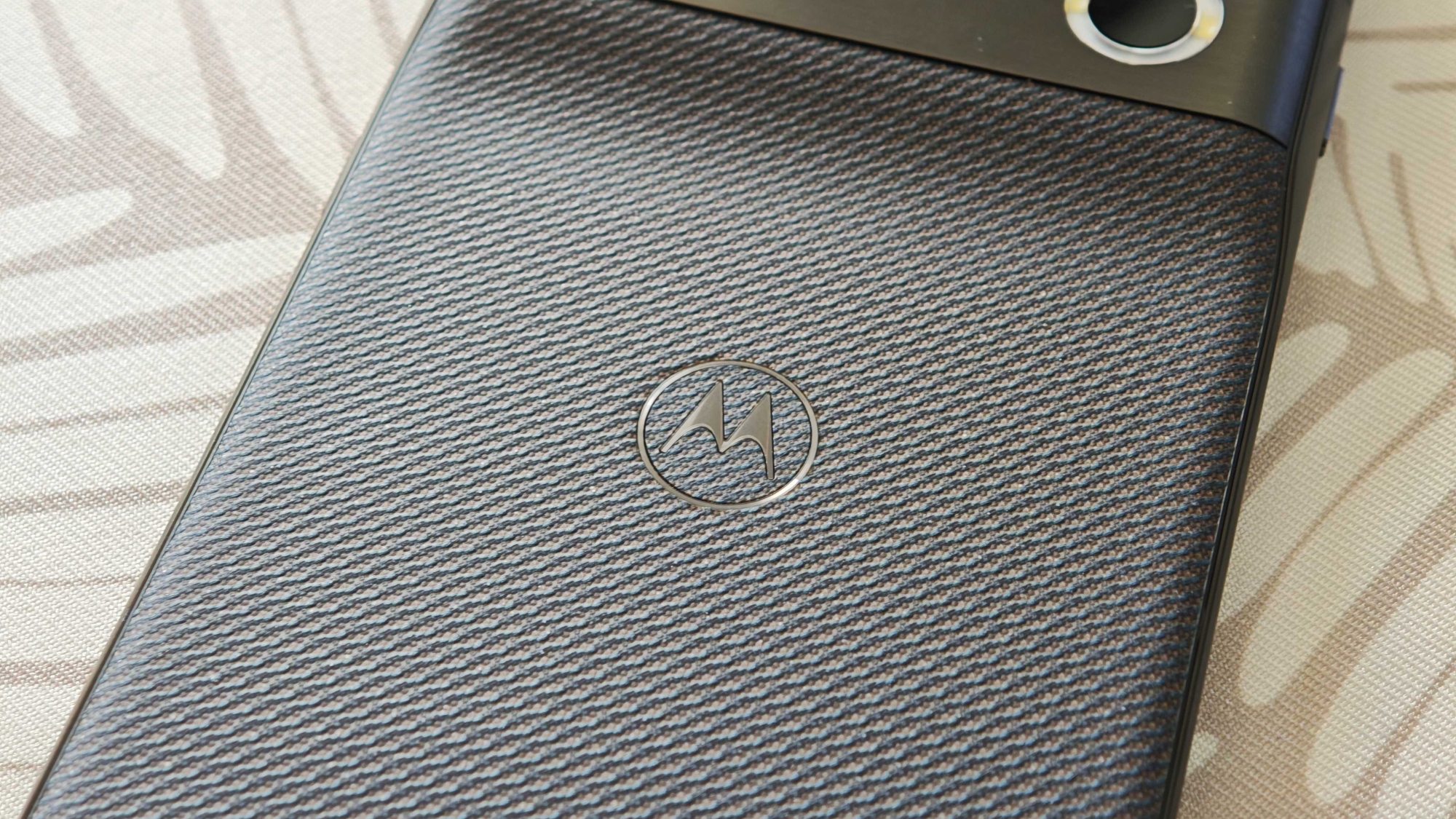
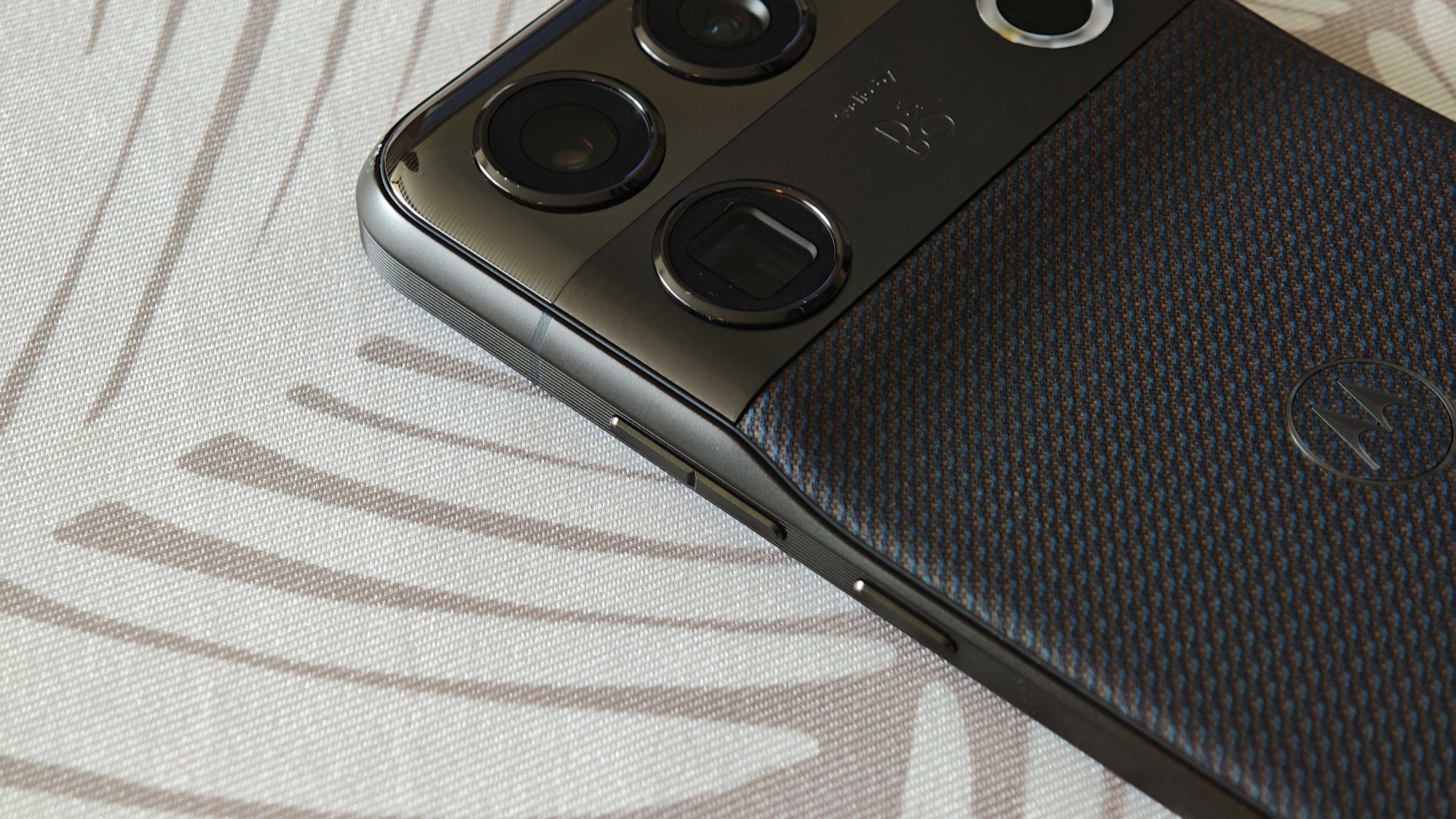
The device will be offered in two distinct tactile finishes: a grippy, black woven texture and a soft, green brushed textile-inspired finish. Showcasing colors curated through the ongoing Pantone partnership—such as the striking Pantone Coal Smoke—the phone maintains a remarkably thin profile flanked by premium metallic side buttons. The camera housing itself cleverly blends two distinct materials, utilizing both ceramic and brushed aluminum to establish a sophisticated, multi-layered aesthetic.
Motorola is also streamlining its consumer-facing nomenclature in North America. While recent generations relied on appending the full year to the end of the product name, the company is shifting to a simplified two-digit naming convention that mirrors automotive branding and industry standards set by competitors like Samsung. According to Hagen, the goal was to establish a clear, unambiguous designation that clearly communicates generational evolution for buyers and ensures effortless compatibility when purchasing post-purchase accessories.
With a global launch scheduled for later this year, Motorola is keeping specific release dates and a complete breakdown of technical specifications under wraps. Nevertheless, leadership confidence is visibly high. Hagen summarized the sentiment surrounding the device by noting that the Signature 27 represents the absolute pinnacle of what the company has ever engineered, combining top-tier hardware with meaningful user experiences designed to propel the brand forward.


Leave a Reply