Motorola appears to be gearing up for a surprising brand resurrection that could see the return of its once-popular Moto One smartphone lineup after nearly five years out of the spotlight.
While tech enthusiasts and industry analysts have largely kept their eyes fixed on the upcoming Motorola Signature 27—a device that is rapidly shaping up to be one of the manufacturer’s most ambitious flagship offerings in years—the company has evidently been busy engineering other hardware behind the scenes. According to a fresh wave of regulatory leaks and industry database discoveries, Motorola is quietly laying the groundwork to bring back the Moto One moniker, a brand that historically targeted consumers looking for clean software experiences in the budget and mid-range tiers.
For those who have followed the mobile industry over the past decade, the Moto One name carries a specific historical context. Motorola originally introduced the Moto One series back in 2018 as part of Google’s broader Android One initiative. At the time, Android One served as Google’s strategic endeavor to deliver a clean, near-stock Android user interface to affordable and mid-tier smartphones, ensuring that buyers who could not afford expensive flagship devices could still enjoy a bloatware-free operating system alongside more reliable, timely software updates.
The Android One program eventually lost momentum across the broader tech ecosystem, and Motorola’s specific Moto One lineup quietly faded into history after several generations of releases. However, the shifting dynamics of the smartphone market may have prompted the company to reconsider the strategic value of the brand name.
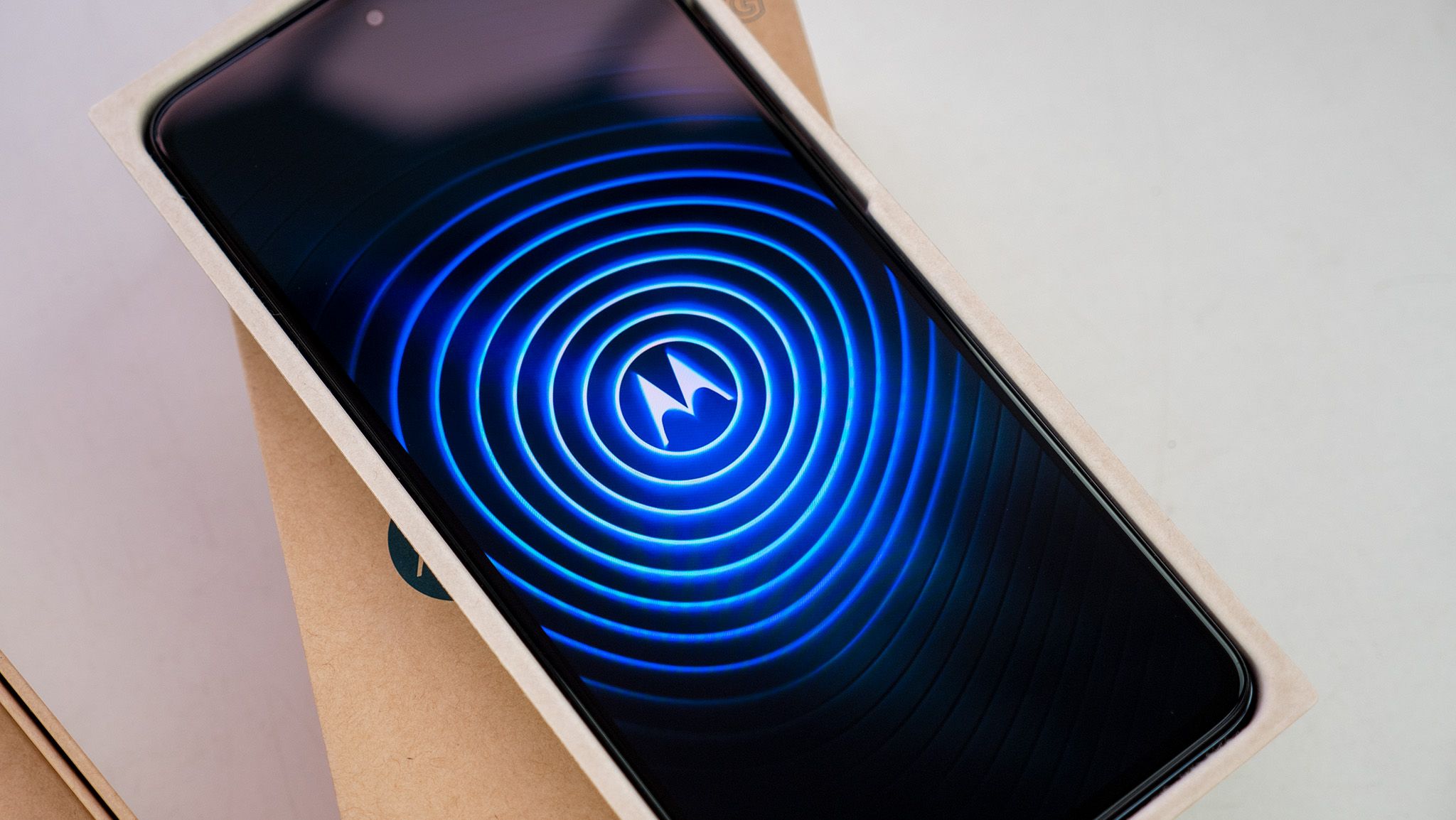
The evidence pointing toward a revival comes straight from the Wireless Power Consortium (WPC) database, where a mystery Motorola device bearing the Moto One designation was recently spotted by industry tracker Notebookcheck. Beyond merely confirming the existence of the moniker in an official registry, the WPC listing includes promotional and regulatory imagery of the device itself, offering an early glimpse at its physical design.
A close examination of the leaked render reveals a design language that feels immediately familiar to anyone tracking recent Motorola releases. The handset features a noticeably curved display panel that sweeps gracefully along both the left and right edges, a stylistic choice that Motorola has frequently employed in its higher-tier offerings. On the rear, the device showcases Motorola’s characteristic camera housing module positioned neatly in the top-left corner, echoing the general aesthetic of the Motorola Edge series from recent generations. In fact, visual comparisons suggest a striking resemblance to the Motorola Edge from 2025, hinting that this revived lineage might bridge the gap between mid-range accessibility and flagship styling.
Beyond its physical appearance, the WPC certification document offers intriguing technical insights into the charging capabilities of the forthcoming handset. Specifically, the listing confirms that the new Moto One will support Qi2 wireless charging technology. However, the documentation includes a notable caveat that prospective buyers and accessory enthusiasts should keep in mind.
According to the regulatory details, the device will support the Qi2 standard via the Extended Power Profile (EPP) rather than the Magnetic Power Profile (MPP). This technical distinction means that, much like several prominent contemporary devices in Samsung’s Galaxy smartphone family, the upcoming Moto One will lack built-in physical magnets designed to securely snap magnetic Qi2 charging pucks and accessories onto the back of the phone. Instead, users will be able to take advantage of the improved efficiency and charging standards offered by Qi2, but they will do so without the native magnetic attachment feature popularized by Apple’s MagSafe ecosystem and select other Android handsets.

This implementation mirrors a growing trend among smartphone manufacturers who are adopting the broader Qi2 charging protocols while omitting the magnetic array to save internal space, reduce manufacturing costs, or maintain specific chassis thicknesses. While it may disappoint users who have invested heavily in magnetic car mounts and puck chargers, the inclusion of Qi2 EPP still represents a step forward in wireless power efficiency for Motorola’s broader portfolio.
While the WPC database confirms charging specifications and basic exterior design, earlier leaks circulating through the supply chain and benchmark databases have begun to paint a broader picture of what lies beneath the surface. Current hardware rumors suggest that the revived Moto One could draw its primary processing power from Qualcomm’s Snapdragon 8 Gen 5 chipset. If accurate, utilizing a previous-generation high-end processor would give the device substantial computing overhead, positioning it comfortably as a high-performance contender rather than a stripped-down budget phone. Furthermore, leaks indicate that the hardware package could be paired with up to 12GB of RAM, ensuring robust multitasking capabilities and longevity for software operations.
At present, official confirmation from Motorola remains absent. The company has not yet issued a formal press release or statement acknowledging whether the Moto One name is definitively returning to the market, nor has it provided an official launch timeline or pricing strategy for the device. Nevertheless, the appearance of unreleased hardware in certification databases like the Wireless Power Consortium typically signifies that a product has moved past early prototyping and is progressing through regulatory approvals. Given that these certifications usually precede commercial releases by a matter of months, industry watchers anticipate that Motorola may share more concrete details regarding the device sooner rather than later.