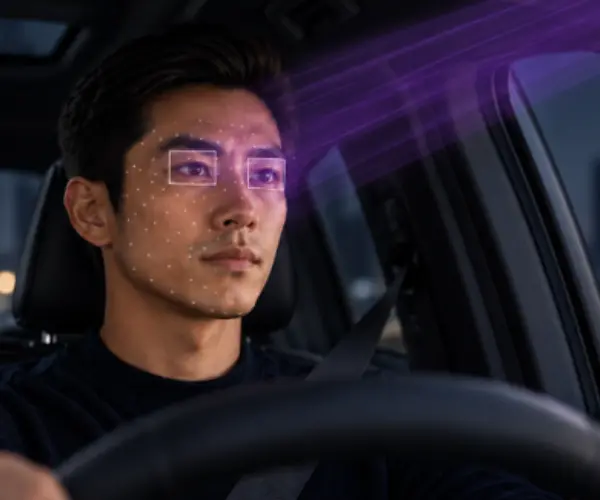
As modern vehicles continue to evolve into sophisticated, software-defined environments with a heavy emphasis on safety and autonomy, the architecture of the automotive cockpit is undergoing a radical transformation. Driven by increasingly stringent global safety mandates, regulatory standards, and consumer expectations for advanced driver-assistance systems, automotive manufacturers are racing to integrate robust interior sensing technologies. Among the most critical advancements in this space are Driver Monitoring Systems and Occupant Monitoring Systems, which are rapidly becoming standard components in the modern vehicle cockpit. However, designing and implementing these sophisticated interior sensing systems presents a myriad of engineering challenges. From complex camera placement and intricate system architecture to managing the demanding power requirements of high-performance infrared illumination, engineers face significant hurdles in bringing these technologies to mass production.
To help address these multifaceted engineering challenges, Monolithic Power Systems has announced a forthcoming series of expert-led webinars scheduled for late 2026. The virtual events, designed for automotive engineers, system designers, and technical leaders, will provide a comprehensive look inside today’s complex DMS and OMS architectures. The sessions are scheduled for Wednesday, November 18, 2026, at 10:00 AM Central European Time, followed by a second session on Thursday, December 03, 2026, at 9:00 AM Pacific Standard Time, which corresponds to 12:00 PM Eastern Standard Time. These global sessions are structured to accommodate engineering professionals across different time zones, offering them a direct opportunity to engage with industry specialists on the cutting edge of automotive electronics design.
The integration of DMS and OMS technologies into modern vehicles is no longer merely a luxury feature or an optional upgrade; it has become a central pillar of automotive safety engineering. Regulatory bodies, including the European New Car Assessment Programme and safety agencies worldwide, have placed a heavy emphasis on combating driver distraction, fatigue, and impairment. As a result, vehicles must be equipped with reliable, real-time sensing capabilities that can accurately monitor the gaze, head position, and overall attentiveness of the driver. Simultaneously, Occupant Monitoring Systems extend these capabilities throughout the entire cabin, ensuring that all passengers are properly seated and protected, while enabling advanced features such as intelligent airbag deployment, rear-seat reminder alerts, and personalized cabin experiences.

Despite the clear safety benefits, developing these systems requires overcoming intense engineering trade-offs. One of the primary obstacles lies in the optical and electrical design of the sensing hardware. DMS and OMS typically rely on active infrared illumination to ensure consistent performance across varying ambient lighting conditions, ranging from blinding midday sunlight to absolute pitch darkness at night. This necessitates the use of high-power infrared LEDs that can flash rapidly and deliver the necessary optical intensity without degrading over time. However, driving these high-power components places a heavy burden on the vehicle electrical architecture, introducing significant challenges related to power delivery, electromagnetic interference, and thermal management within constrained spaces such as the rearview mirror assembly, the steering column, or the overhead console.
During the upcoming webinar sessions hosted by Monolithic Power Systems, attendees will gain practical insights into the intricacies of camera design, advanced power delivery networks, and sophisticated thermal management strategies. The expert presentations will delve into how modern semiconductor solutions, particularly advanced infrared LED driver technologies, can be leveraged to optimize overall system performance, enhance long-term reliability, and maximize energy efficiency within the vehicle cockpit. As power budgets become tighter and thermal constraints more severe in modern automotive designs, the choice of semiconductor components plays a pivotal role in determining whether a sensing system can meet both rigorous automotive qualification standards and commercial cost targets.
The sessions will explore the delicate balance required between optical performance and power consumption. High-performance infrared illumination requires precise current regulation to ensure stable light output and prevent premature aging of the optical components. Furthermore, because these monitoring systems must operate continuously while the vehicle is in motion, minimizing power dissipation is vital to preventing localized overheating, which can negatively impact the reliability of nearby electronics and camera sensors. By examining these challenges through real-world architectural examples, the webinars aim to equip engineers with actionable knowledge that can be applied directly to their current and future automotive development pipelines.
Industry professionals interested in staying at the forefront of automotive interior sensing technology can register for the upcoming sessions through the Monolithic Power Systems registration portal. The webinars represent a valuable opportunity for automotive designers, hardware engineers, and system architects to deepen their understanding of DMS and OMS integration, explore innovative power management techniques, and prepare for the next generation of safe, intelligent vehicle cockpits.