
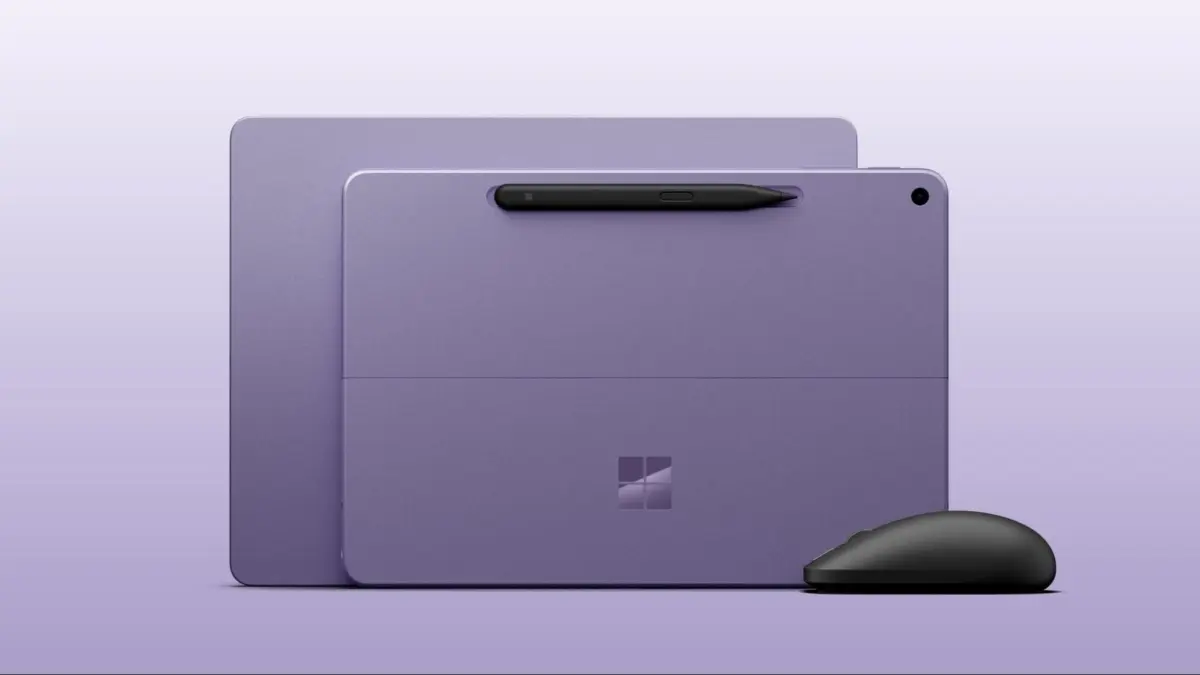
The transition to the Qualcomm Snapdragon X2 Plus represents a notable generational leap for Microsoft’s smallest form-factor computers. The previous iterations of these devices relied on first-generation Snapdragon X Plus processors, which initially introduced the Windows on ARM ecosystem to a broader, more cost-conscious audience with improved power efficiency and native application compatibility. By adopting the Snapdragon X2 Plus, these entry-level systems are poised to deliver enhanced processing capabilities, better thermal management, and improved battery life, building upon the foundation laid by their predecessors.
A major highlight of the Snapdragon X2 Plus integration is the inclusion of a robust Neural Processing Unit capable of delivering up to 80 TOPS of AI performance. This substantial upgrade in on-device artificial intelligence processing power ensures that Microsoft’s most affordable laptops and tablets remain fully equipped to handle modern, AI-driven workloads. As Windows continues to integrate deep generative AI features, Copilot capabilities, and advanced local machine learning tools, having a high-capacity NPU in an entry-level machine guarantees that users will not miss out on software advancements tailored for the latest hardware paradigms.
Despite the excitement surrounding the internal performance boosts, the announcement brings a notable shift in pricing that prospective buyers will need to consider. The updated 13-inch Surface Laptop will start at $1,199, while the newly refreshed 12-inch Surface Pro will carry a starting price tag of $1,149. These figures represent a substantial price increase over the previous generations of these specific product tiers. When the earlier versions first debuted on the market, the entry-level Surface Laptop started at a much more accessible $799, and the base Surface Pro started at $899.
This upward adjustment in pricing places both machines into a higher market bracket than their predecessors, potentially changing how budget-conscious consumers and institutional buyers view Microsoft’s entry-level ecosystem. While the inclusion of the Snapdragon X2 Plus and its powerful 80 TOPS NPU justifies a hardware value adjustment, the price jump narrows the gap between Microsoft’s base offerings and its premium flagship configurations.
Both newly announced devices are scheduled to officially launch on October 13, giving consumers and enterprise customers a concrete timeline for when these machines will hit store shelves and corporate channels. As the release date approaches, anticipation builds around how the market will respond to the combination of second-generation ARM architecture from Qualcomm and the higher cost of entry for Microsoft’s traditionally affordable portable computers.

Leave a Reply