
Writing a sales proposal that successfully converts a prospective buyer into a signed client requires far more than listing product features or formatting a generic template. According to sales and marketing strategists, an effective sales proposal functions primarily as a decision-making document. Its core purpose is to demonstrate a thorough understanding of the buyer’s unique challenges and to present a clear, viable solution. By the time a prospective client reaches the final page of a well-crafted proposal, the decision to sign should feel like a natural conclusion rather than a pressured transaction.
Industry experts emphasize that closing a deal through a proposal relies heavily on pre-writing preparation, precise problem mapping, and an intentional document structure. Professionals must deeply research both the client and the deal dynamics before committing a single word to the page. Furthermore, modern sales strategies increasingly incorporate specialized artificial intelligence agents to streamline tasks such as positioning, copy drafting, legal terms alignment, and follow-up planning, allowing proposal writers to minimize administrative friction without sacrificing personalization.
What is a Sales Proposal?
A sales proposal is a formal business document transmitted to a prospective client following early-stage sales conversations, commonly referred to as discovery calls. During discovery, the buyer articulates the specific problem they need solved and outlines the internal pressures driving their decision-making process.
A high-quality proposal is distinctively tailored so that the buyer immediately recognizes it was written exclusively for them, rather than pulled from a repository of standard corporate offerings. Proposals are generally categorized as either solicited or unsolicited. Solicited proposals are requested directly by the buyer following a discovery call or a formal Request for Proposal (RFP) process. These typically offer a distinct advantage because the seller has already gathered essential details regarding the buyer’s budget, timeline, and core priorities. Conversely, unsolicited proposals are initiated independently by the vendor without a prior request, requiring a much higher degree of persuasion.
A sales proposal also differs significantly from related commercial documents such as quotes, estimates, and broad business proposals. A quote establishes an exact price for a fully defined scope of work and is typically deployed when the buyer already knows precisely what they want. An estimate provides an approximate cost for work that has not yet been completely scoped, usually appearing early in project discussions. A business proposal outlines a high-level strategic plan for a broader partnership or new initiative, carrying a high persuasion requirement because it attempts to sell a relationship that does not yet exist. In contrast, a sales proposal commits to a specific solution for a named problem at a definitive price, appearing immediately after discovery when the buyer is nearing a final decision.
Researching the Client and the Deal
Before drafting the proposal, thorough background research is essential. Sales professionals must synthesize all available intelligence regarding the deal, including notes from discovery calls, the exact terminology used by the buyer to describe their pain points, the composition of the buying committee, and confirmed parameters around budget and delivery timing.
Call recordings serve as an invaluable resource during this phase. Reviewing transcripts through customer relationship management software or specialized sales intelligence tools helps surface the precise phrasing preferred by the client. Integrating the buyer’s own language into the proposal text creates an immediate sense of alignment and understanding.
Special attention must be paid to the buying committee, as most business-to-business deals involve multiple stakeholders with distinct priorities. While a chief financial officer typically focuses on cost containment and financial risk, operations leads prioritize operational continuity and timelines, and end-users care primarily about practical usability. Effective research ensures that the proposal addresses the distinct concerns of each decision-maker before the document is finalized.
Mapping Solutions to Client Problems
Once research is complete, the next critical phase involves mapping the proposed solution directly to the client’s identified problems. This requires clearly articulating the client’s current operational reality, the financial or strategic cost of that status quo, and the projected future state of their business once the solution is successfully implemented.
Every capability included in the proposal must correspond directly to a specific problem voiced by the client during discovery. The inclusion of unrequested “bonus” services or generic product features often dilutes the core argument and introduces unnecessary friction into the buyer’s evaluation process. If a proposed element does not solve a named problem, it should be excluded.
Structuring and Writing the Proposal
A professionally structured sales proposal relies on a concise framework centered around five core sections: an executive summary, a problem statement, the proposed solution, the investment and timeline details, and clear next steps. Optional sections, such as vendor qualifications, social proof, terms and conditions, and supplementary appendices, should be added selectively based on the complexity of the deal.
Writing the document in the logical order of the argument ensures a cohesive narrative. Drafting the problem statement first—using the exact terminology captured during discovery—establishes immediate rapport. The proposed solution should then directly address each problem sequentially, linking every product capability or service component to a specific client outcome.
When detailing the investment and timeline, maintaining consistency in billing models is crucial. Mixing annual and monthly financial figures within the same document can generate confusion and undermine trust. Furthermore, pricing must remain transparent and definitive. Vague pricing models that rely on qualifying phrases force unnecessary follow-up conversations and frequently cause prospective clients to abandon the evaluation process entirely.
Reviewing and Following Up
A rigorous pre-send review process protects against avoidable errors that can jeopardize an otherwise solid deal. Setting the draft aside for a brief period before conducting a final editorial pass allows the writer to evaluate the document objectively from the buyer’s perspective. Ensuring that every financial figure, client name, and technical claim is accurate prevents early erosion of credibility.
Equally important is the preparation of a structured follow-up plan prior to transmitting the proposal. Establishing specific check-in dates and pre-writing accompanying communication emails ensures that the momentum of the deal is maintained. Rather than waiting passively for a response, proactive follow-up strategies treat silence as actionable information, preparing the sales team to address stalls or objections effectively.
Leveraging AI Agents in Proposal Development
As the complexity of sales operations continues to evolve, organizations are increasingly turning to specialized artificial intelligence agents to streamline the proposal-writing workflow. Rather than relying on a single general-purpose chatbot to generate an entire document from a single prompt, modern sales professionals deploy specialized agents tailored to distinct disciplines.
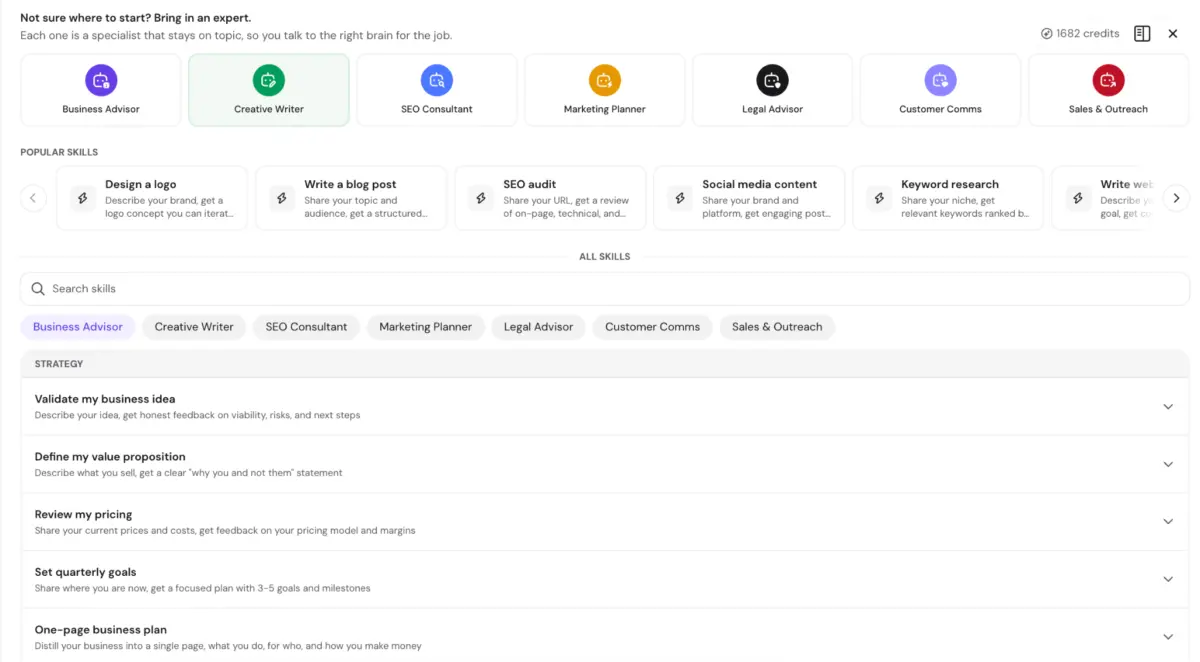
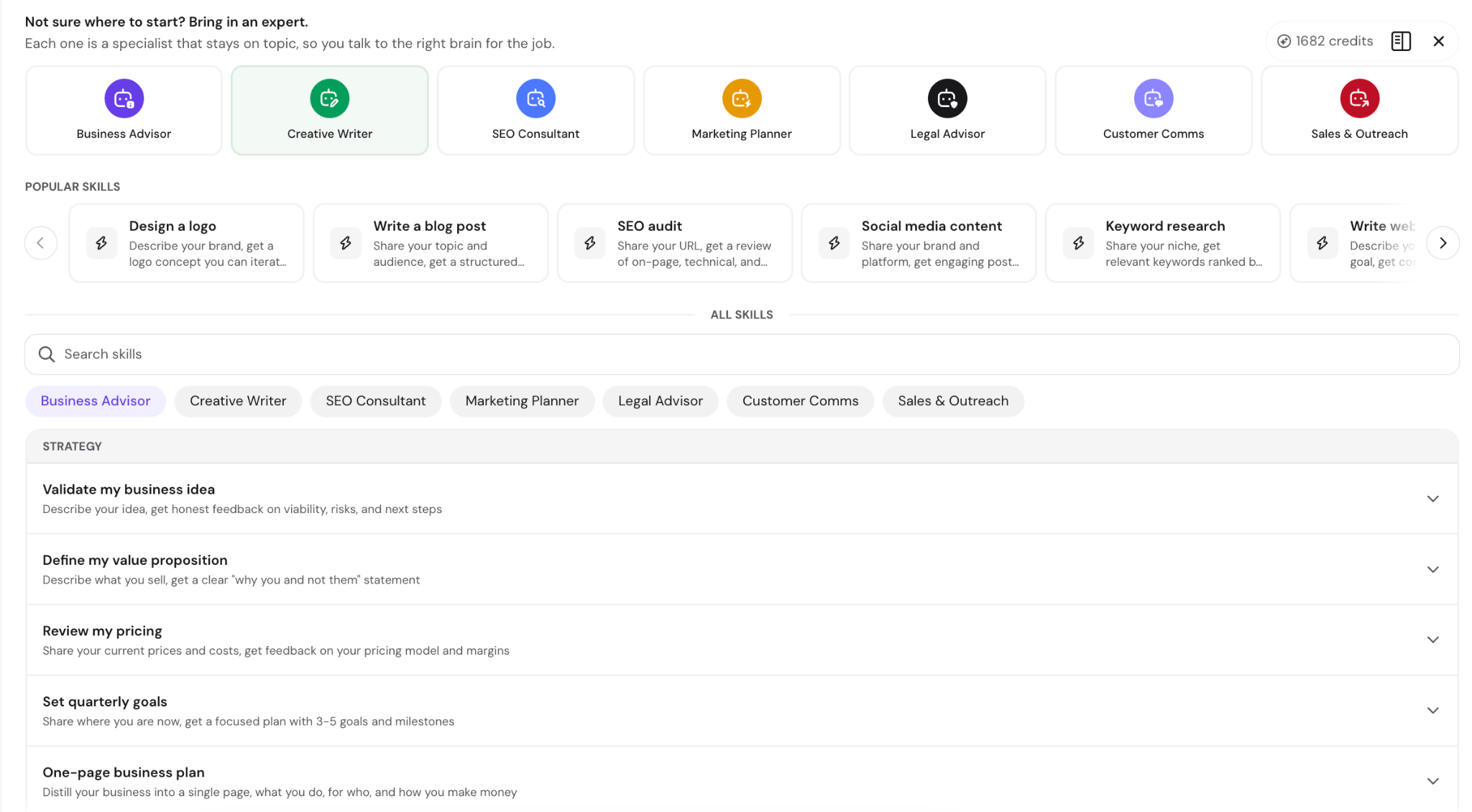
Platforms such as Hostinger Agents illustrate this shift by providing role-based specialists designed for specific tasks including strategic positioning, persuasive copywriting, pricing strategy, legal alignment, and client communications. These systems utilize guided skills and maintain session memory regarding business context, allowing sales teams to accelerate the administrative aspects of proposal creation while maintaining human oversight over essential discovery and solution-mapping judgments.

Leave a Reply