

In April of this year, the gaming and tech communities watched with considerable fascination as developer Andy Nguyen successfully transformed Sony’s PlayStation 5 into a capable, Linux-powered gaming personal computer. By leveraging the console’s built-in hardware, Nguyen’s project made it possible to run native Steam games and various emulators directly on the hardware, unlocking a new level of versatility for the console.
However, that momentum has come to a sudden and unexpected halt. Nguyen, widely known in the scene under the handle @theflow0, has formally announced that he is walking away from the PlayStation 5 hacking community altogether. As part of this departure, he is permanently stopping all ongoing work related to porting the Linux project to the upcoming PlayStation 5 Pro, which had been tentatively slated for release in 2027.
The abrupt exit marks a major turning point for the console modding ecosystem, casting uncertainty over the future of hardware exploration and alternative operating systems on Sony’s flagship hardware.
All Due to a Single Exploit

The ability to run Linux on a PlayStation console has never been a straightforward endeavor, given the robust security measures implemented by manufacturers. The recent breakthrough was made possible because the PS5 Linux project successfully bypassed the console’s hypervisor using a series of exploits that Sony had previously patched, covering firmware versions 3.00 through 7.61.
The latest crisis, however, stems from a different vulnerability: a hypervisor bug present on current firmware that Nguyen claims to have discovered some time ago. Seeking to balance the interests of the hacking community with responsible disclosure and consumer grace, Nguyen had reportedly gatekept the bug while asking fellow researchers to hold off on immediate publication. His goal was to delay disclosure at least until the heavily anticipated release of Grand Theft Auto 6, allowing players ample time to legally purchase and enjoy the game while still having an open window to experience Linux on their consoles.
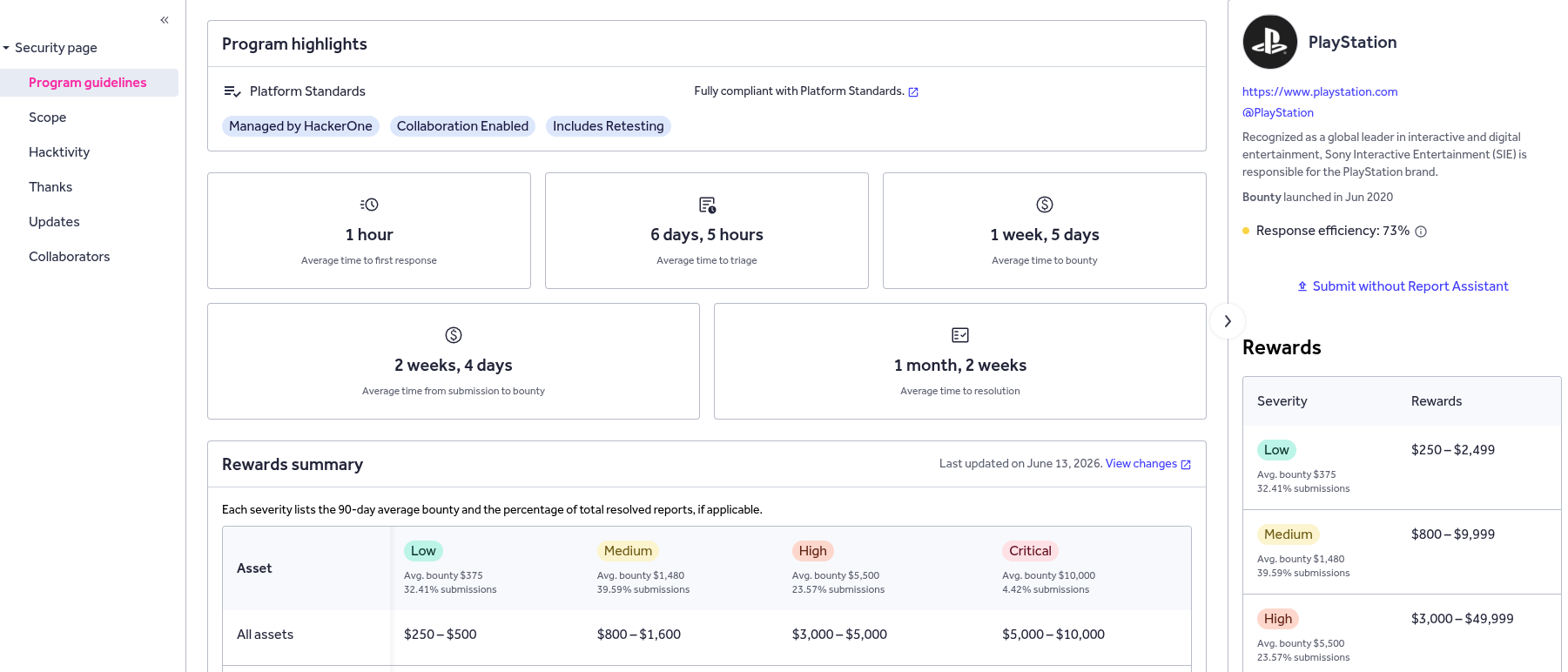
Unfortunately, those plans dissolved when the vulnerability was prematurely divulged to Sony less than a day after the researchers involved had initially agreed to wait. Once a critical flaw of this magnitude reaches the manufacturer, it becomes only a matter of time before a security patch is developed and deployed. This rapid response mechanism is heavily reinforced by PlayStation’s active bug bounty program hosted on HackerOne, which incentivizes external researchers to report security flaws directly to the corporation.
The Ones Who Found It
While Nguyen initially refrained from naming individuals in his public statements, the identity of the reporter quickly surfaced across independent forums and social media platforms following brief public inquiries. Another researcher, known online as Jordy, came forward to publicly share his perspective and outline how he ultimately handled the discovery and reporting of the bug.

According to Jordy’s public account, the vulnerability was his own independent discovery, uncovered using what he described as his trusty artificial intelligence assistance tool without any direct collaboration from external parties. Jordy maintained that he had initially agreed to Nguyen’s request to withhold disclosure of the findings for the time being.
The situation shifted dramatically when an unnamed third party independently discovered the exact same bug using AI tools just a few hours later. Anticipating that multiple researchers were on the verge of finding and reporting the identical flaw, Jordy made the executive decision to submit the security flaw directly to PlayStation’s HackerOne program.
The Code Is Still There
Despite Nguyen’s departure and the cancellation of his high-profile plans for the PS5 Pro, the broader project remains accessible. The official GitHub page for the initiative and all associated code repositories are still active and have not been archived. This preservation leaves the door open for other developers and enthusiasts to step in, take over pending development tasks, or introduce new performance improvements.
Observers of the ecosystem note that the existing loader currently supports both the original PlayStation 5 model and the Slim variant running firmware versions 3.00 through 7.61. For anyone wishing to experiment with the software, a compatible test device running within those specific firmware parameters remains a fundamental requirement. Because the specialized support for the PS5 Pro that Nguyen was actively constructing never officially reached the public repository, any future efforts to target the upcoming hardware revision will need to be built entirely from scratch by new contributors.
This resilience reflects the foundational nature of open-source software development. Even when lead developers, visionary architects, and key core maintainers choose to abandon a project due to burnout, philosophical disagreements, or external pressures, the public availability of the source code allows new participants to fork the project and steer it in whatever technical direction they choose.
While Nguyen’s exit undoubtedly deals a heavy blow to the timeline for supporting newer PlayStation 5 firmware iterations and the upcoming hardware refresh, historical precedents in the open-source community suggest that alternative contributors may rise to fill the void. Whether other developers will successfully shoulder the burden of maintaining and expanding the loader without its original lead remains to be seen, but the core infrastructure remains available for those willing to take up the challenge.
Leave a Reply