

Every parent wants to protect their children, and while safeguarding them is relatively straightforward when they are physically nearby, the challenge multiplies exponentially the moment they step out the door. Providing a child with a kid-friendly smartphone or smartwatch has become a common solution for modern families, offering a vital lifeline to stay in touch and keep basic tabs on their whereabouts. Yet, shielding youngsters from the hazards and complexities of the wider internet remains an extraordinarily difficult task, even when standard parental control software is properly configured and active.
For millions of families trying to strike a balance between safety and digital freedom, finding the right tool is a continuous journey. One parent and tech reviewer has relied on Bark since 2024, initially installing it on their son’s phone and recently expanding the coverage to a new Bark Watch to ensure uninterrupted communication regardless of where he might roam. Unlike traditional, rigid parental control software that relies entirely on blocking specific websites or restricting screen time with blunt force, Bark utilizes an artificial intelligence-powered engine designed to understand context. By sending targeted alerts when potential issues arise, the platform has served as a reliable digital companion in keeping a young user on a safer path online for two years.
What is Bark?
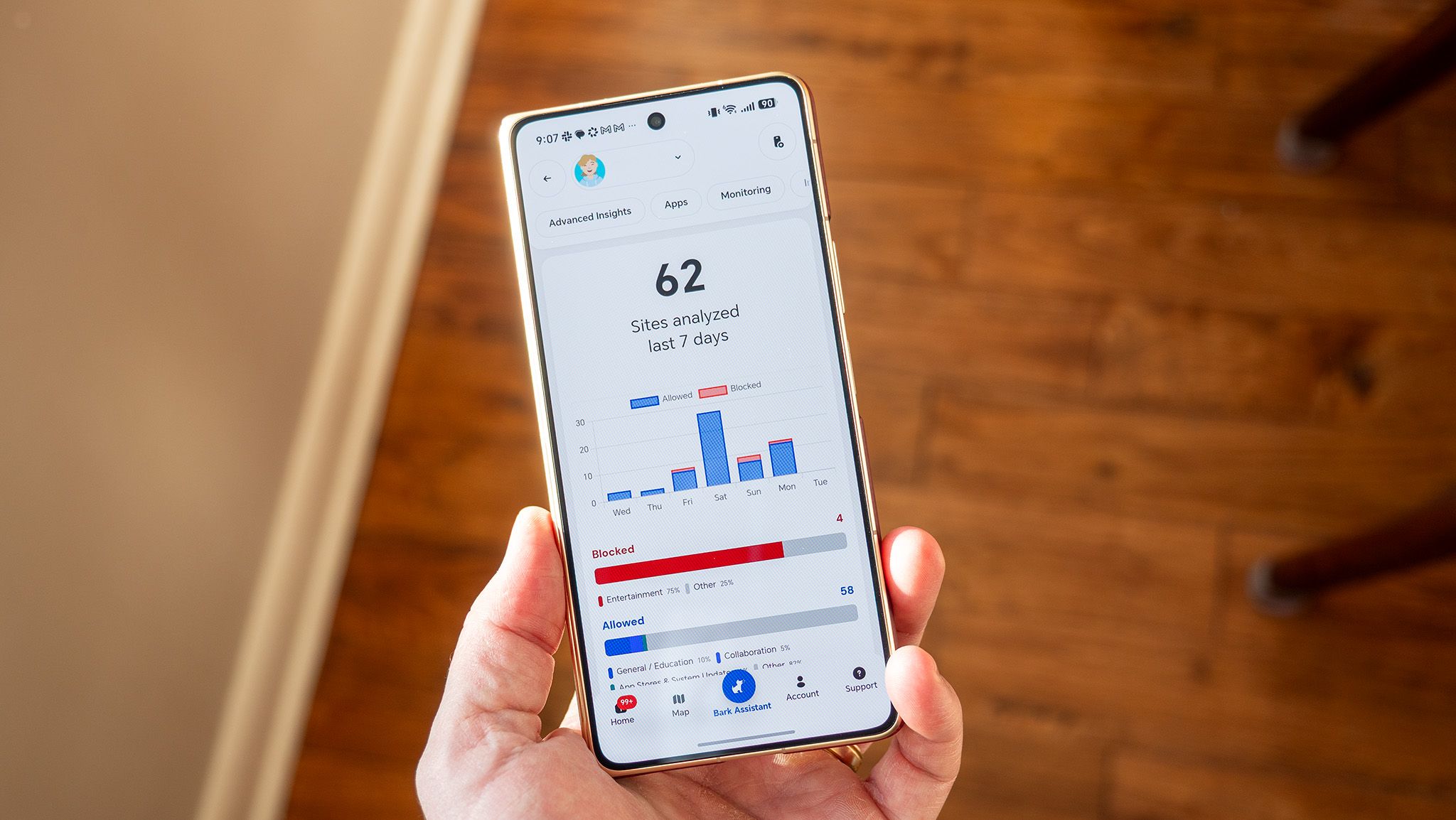
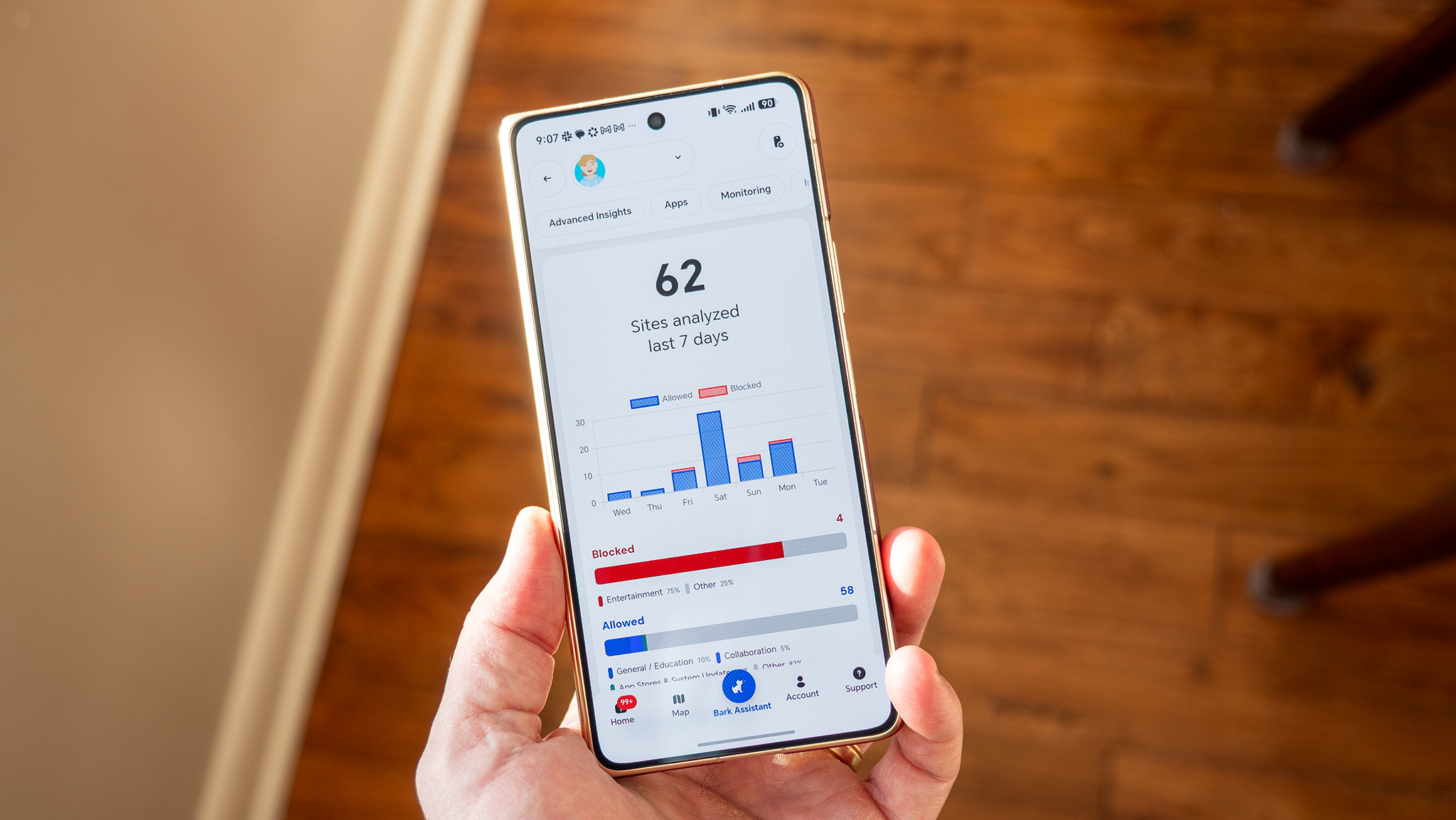
Bark offers comprehensive parental controls tailored for existing Android and iOS devices, alongside its own dedicated ecosystem of hardware. Parents can seamlessly install the application onto a child’s existing device and link it directly to their personal social media and communication accounts, including major platforms like Gmail, YouTube, Instagram, and TikTok. Operating quietly in the background, Bark’s proprietary AI engine regularly scans ongoing activity across the device and all associated accounts, generating alerts whenever something deviates from the ordinary.
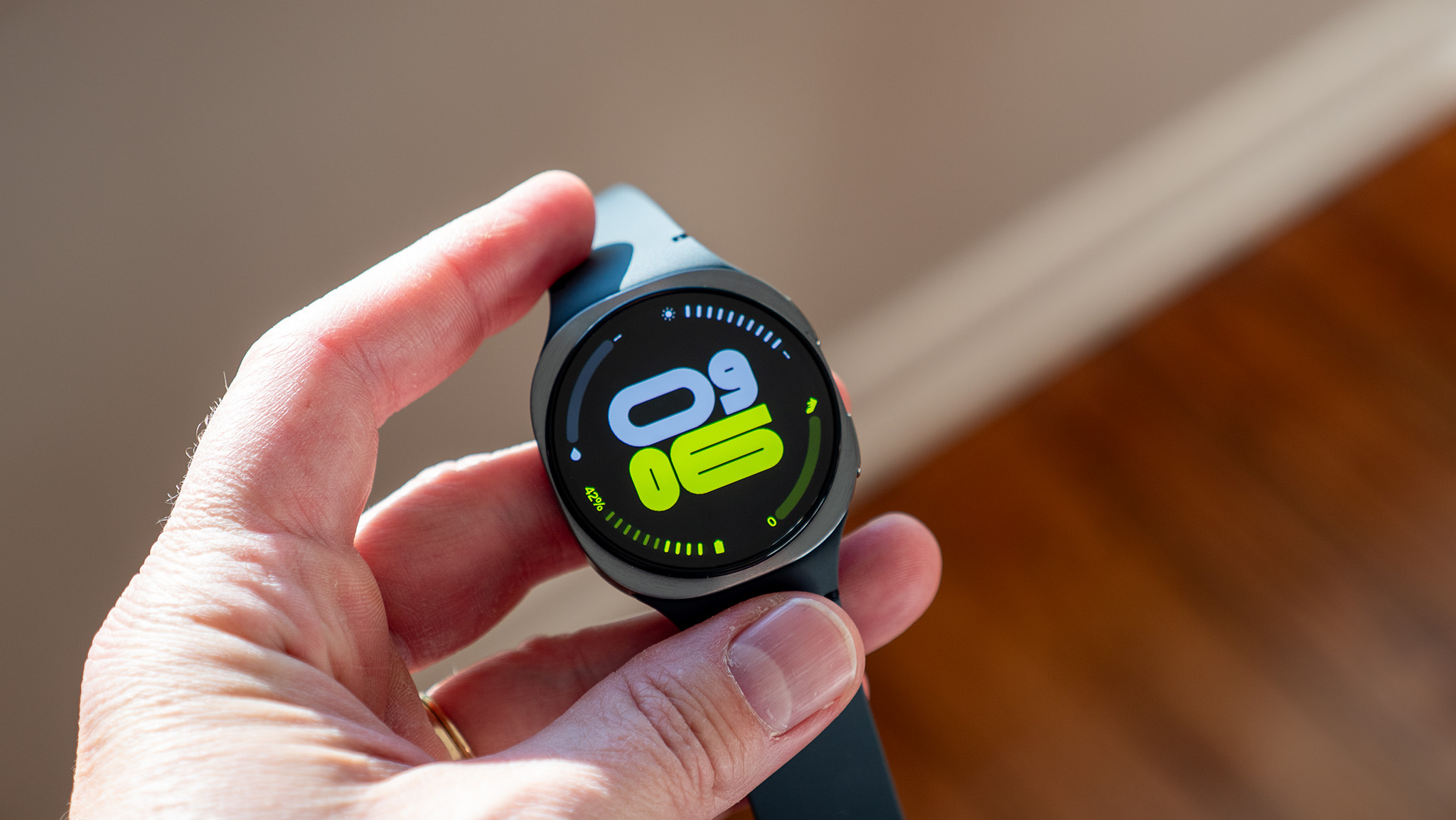
For families who prefer an out-of-the-box solution without the hassle of setting up individual apps and permissions manually, Bark also markets dedicated hardware options. The company currently sells two smartphone models and one smartwatch model with all necessary software pre-installed and ready for immediate use. These devices are built using Samsung hardware, ensuring high-quality manufacturing standards. However, individual hardware preferences can vary; for instance, some parents may opt for alternative hardware choices because certain Samsung displays utilize pulse-width modulation (PWM) dimming, which can trigger health sensitivities or visual fatigue for users prone to such hardware reactions.
The Whistleblower of Online Safety
When children are under the age of ten, parental monitoring is widely accepted as a standard social norm and generally expected by the kids themselves. As children grow older, however, the dynamic shifts significantly. A child approaching their teenage years naturally demands and requires a much higher level of independence compared to just a year prior. Effective parenting involves guiding adolescents to grow into functioning, self-sufficient adults rather than fostering a permanent state of reliance, but granting this freedom introduces clear and undeniable risks.
While parents usually have a solid grasp of who their children interact with in the physical world, monitoring offline social circles is vastly different from keeping track of digital interactions. This is where specialized monitoring tools bridge the gap. Bark’s AI-powered engine continuously evaluates incoming and outgoing data on a device—spanning text messages, images, and videos—running the traffic through a private system to analyze content and alert parents only when potential warning signs appear. Rather than forcing a parent to constantly demand a child’s phone and read every private conversation line by line, the software acts as an automated early warning system.

Instances of flagged content typically occur a few times a month, providing a manageable volume of information rather than an overwhelming stream of notifications. Many of these alerts initially categorize conversations under serious headings such as "bullying" or "violence," but context often reveals a much more benign reality. For instance, adolescent phrasing such as "I’m going to kill you" can sound alarming in absolute isolation, but investigation frequently traces the remarks back to friendly banter exchanged while playing competitive multiplayer video games like Roblox.
Similarly, images or videos flagged by automated systems for containing potentially sensitive themes often turn out to be exaggerated adolescent humor or innocent daily occurrences. In one instance, an automated alert flagged a photo sent to friends as containing concerning imagery, which upon review was simply a picture of a badly skinned knee sustained while playing outside, prompting the parent to retrieve basic first aid supplies before the child even reached the front door. This contextual filtering transforms digital monitoring from invasive surveillance into a practical assistant for modern parenting.

Bark Assistant
While proactive notifications keep parents informed without demanding constant attention to an app dashboard, digging deeper into specific historical data sometimes requires a more interactive approach. To streamline this process, the platform introduced Bark Assistant, an integrated tool accessible directly from the application’s main navigation bar. Powered by advanced language model technology, Bark Assistant is designed to answer specific questions regarding a child’s account activity, execute quick adjustments to device settings, and guide users through configuring features they may not have previously utilized.
One of the standout features within the assistant interface is a dedicated summary tool that aggregates communication history over a seven-day period. This feature generates a concise, single-page overview detailing who a child has been in contact with over the past week, proving particularly valuable for parents navigating anonymous or open communication platforms like Discord, which can occasionally harbor hidden risks if left unmonitored.
Complementing this is the Advanced Insights tab, which leverages private language processing technology to synthesize recent data and offer actionable recommendations. In one notable scenario, the system flagged a Google search for the phrase "where is the eighth heroine" because the initial keystrokes briefly matched restricted terms. However, Bark Assistant correctly deduced and explained that the search was harmless research related to a puzzle character within the popular video game The Legend of Zelda: Breath of the Wild rather than an inquiry into illicit substances.
Beyond merely identifying potential false positives, Advanced Insights provides parents with constructive conversation starters tailored to specific situations detected by the software. Suggested phrasing helps adults approach their children with curiosity rather than immediate accusation, fostering open communication and trust within the household. By focusing on holistic understanding and contextual nuance rather than arbitrary blocking, platforms like Bark continue to redefine how families manage the intersection of technology and child safety.



Leave a Reply