
For small business owners, software is rarely a matter of philosophy. When systems freeze, updates fail mid-morning, or unexpected licensing fees drain the budget, the frustration is purely practical. For years, the owners of small and medium-sized enterprises have felt locked into proprietary software ecosystems, accepting recurring costs and recurring technical headaches simply because they believed there was no viable alternative. But a growing movement led by independent IT professionals is quietly proving that open-source infrastructure is not only viable for commercial operations—it can fundamentally transform productivity.
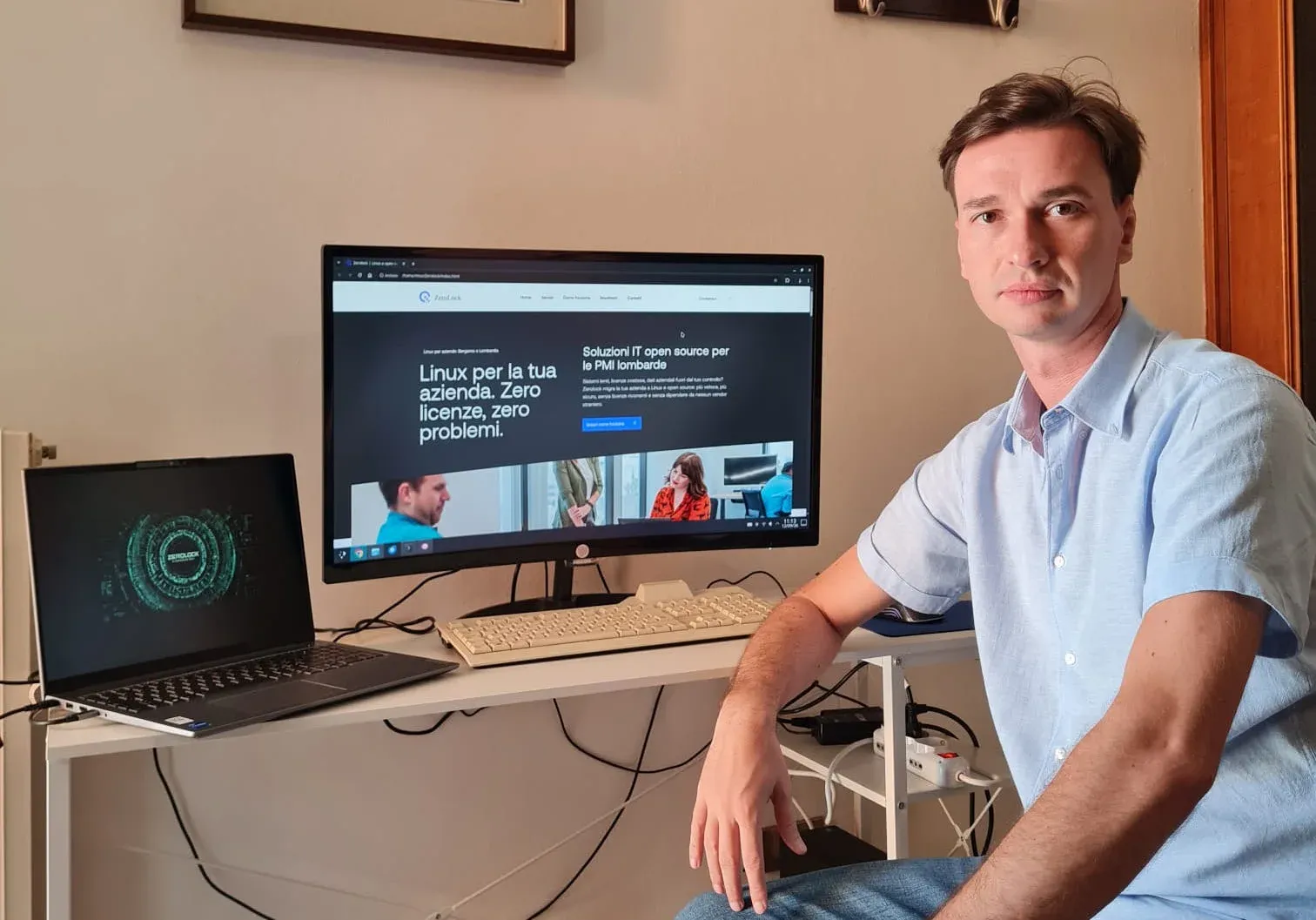
Mião Oroz knows this reality well. As the founder of Zerolock, an Italian IT company based in Spirano, Bergamo, Oroz specializes in migrating small and medium-sized businesses away from proprietary operating systems and commercial suites toward Linux and open-source solutions. When Oroz recently revived a collaborative storytelling initiative to share real-world accounts of open-source adoption, he pointed directly to a project that unfolded in early 2026 for a transport and logistics firm located nearby in Mapello, Bergamo.
The client was a small logistics enterprise operating five office workstations alongside a team of drivers constantly on the move and needing reliable, real-time communication. The company’s owner was entirely indifferent to the ideological debates surrounding open source; he was simply exhausted. He was tired of paying continually for software that generated persistent technical issues, tired of calling in external technicians at a moment’s notice, and, above all, tired of watching his staff lose valuable working hours to IT interruptions that had nothing to do with their core business of moving goods from one place to another.
A Familiar IT Bottleneck
Before Oroz stepped in, the company’s technological footprint looked identical to thousands of other small businesses across Italy. The office infrastructure relied on five workstations running a dominant proprietary operating system, accompanied by a commercial office suite licensed on a per-user basis and a third-party antivirus program requiring annual renewals.
Operational communication was similarly fractured. The drivers coordinated with the office staff using a consumer messaging application on their personal mobile phones. This informal arrangement meant that vital company conversations were taking place on a platform with no centralized archiving, no administrative oversight, and no clear boundary separating personal chats from professional instructions.
Data management was similarly fragmented. Critical files were split between local machine storage and a shared folder system. When Oroz initially asked to locate essential corporate documents, staff members spent several frustrating minutes searching for the most current version of a file that ought to have been instantly accessible to the entire team. Over the preceding two years, the owner had been forced to pay for eight to ten separate external IT interventions to cope with sudden update failures, system slowdowns, and security alerts that turned out to be false alarms but still consumed half a day of anxiety and cleanup time.

Rather than imposing a standardized template, Oroz began the project with a thorough assessment. He spent time observing what each employee actually did on their computers every day, noting that understanding actual workflows matters far more than looking at a theoretical list of installed applications. The office personnel relied primarily on a word processor, a spreadsheet application, email, and a shared filing system. The owner required occasional remote access while traveling, while the drivers needed a dependable connection to the office without mixing personal communications into the mix. Crucially, the company did not rely on complex, sector-specific proprietary software that would prove difficult to replace, making the overall migration path significantly more straightforward than many enterprise transformations.
Building an Open-Source Foundation
The replacement infrastructure was constructed entirely from robust open-source components. Oroz deployed Kubuntu 26.04 LTS across all five office workstations, pairing it with LibreOffice to handle documentation and Thunderbird for email management. To replace the local shared folders and eliminate foreign cloud dependencies, he implemented Nextcloud on a dedicated server hosted locally in Italy. For internal communication, the company adopted Mattermost, installed on the same Italian server infrastructure and accessible both through office desktops and the drivers’ mobile phones via a dedicated app.
Hardware integration presented a few unique technical hurdles, most notably with the office’s networked A4 color multifunction printer, an Epson WorkForce WF-C579R connected via ethernet. Initially, Kubuntu 26.04 automatically installed a driverless IPP driver, which triggered two persistent problems: duplex printing reversed the back page regardless of whether long-side or short-side binding was chosen, and printing speeds were noticeably slower than they had been under the previous operating system. Because current Epson driver packages do not yet fully support the newest release natively through standard automated paths, Oroz resolved the issue by installing the specific printer driver via the system’s package management tools and manually enforcing the correct driver configuration.
For network scanning, Oroz established a Samba configuration on each administration workstation, creating dedicated scanner directories and configuring the Epson web administration panel via IP address with secure SMB credentials. This specific printer quirk proved to be a valuable lesson for modern Linux deployments on recent releases, as relying on default driverless settings routinely triggers duplexing anomalies that require administrative intervention to correct.
To secure the network perimeter, Oroz integrated pfSense as the corporate firewall, supplemented by encrypted, automated nightly backups. For remote desktop management, he deployed RustDesk via a self-hosted Virtual Private Server. This choice addressed a specific compatibility challenge regarding Wayland, the default display server protocol on Kubuntu 26.04, which often creates hurdles for older remote desktop utilities. Once configured through a dedicated relay server, RustDesk provided stable, consistent remote access for the owner on the road.
Following comprehensive bench-testing on an isolated machine to validate every daily workflow, document compatibility, and mobile connection, the actual migration took place over a single weekend. Each workstation was wiped and rebuilt with a clean Kubuntu installation. Data from the old shared structure was transferred to Nextcloud over the local network ahead of time, ensuring that all files were neatly in place by Monday morning. Simultaneously, the drivers were provisioned with the Mattermost mobile application, instantly granting them a dedicated professional communication channel entirely separate from their personal messaging habits.
On-Site Support and Immediate Results
Recognizing that software perfection means little if employees feel stranded, Oroz spent the first three days of the working week on site, remaining available by phone thereafter. He provided individualized training tailored directly to the specific tasks each worker performed daily—guiding them through document creation in LibreOffice, file retrieval in Nextcloud, and messaging protocols in Mattermost. This hands-on presence prevented the friction that often dooms digital migrations.
Aside from the initial printer diagnosis and the Wayland remote desktop configuration, the transition proved remarkably smooth. The adjustment period for the office team was remarkably brief, while the drivers adapted almost instantly to their new communication app.
Six months after the transition, the logistics firm has not required a single ordinary technical support call. The productivity gains were immediately noticeable. Mornings no longer begin with frustrating login delays caused by resource-hungry background antivirus scans, nor are working hours disrupted by intrusive, unscheduled updates forcing mid-day reboots. Operational downtime has dropped to zero, and recurring licensing expenses for operating systems, office suites, and antivirus software have been entirely eliminated. The Nextcloud infrastructure operates at a lower monthly cost than their previous storage arrangement, and the reliance on external technical intervention has ended.
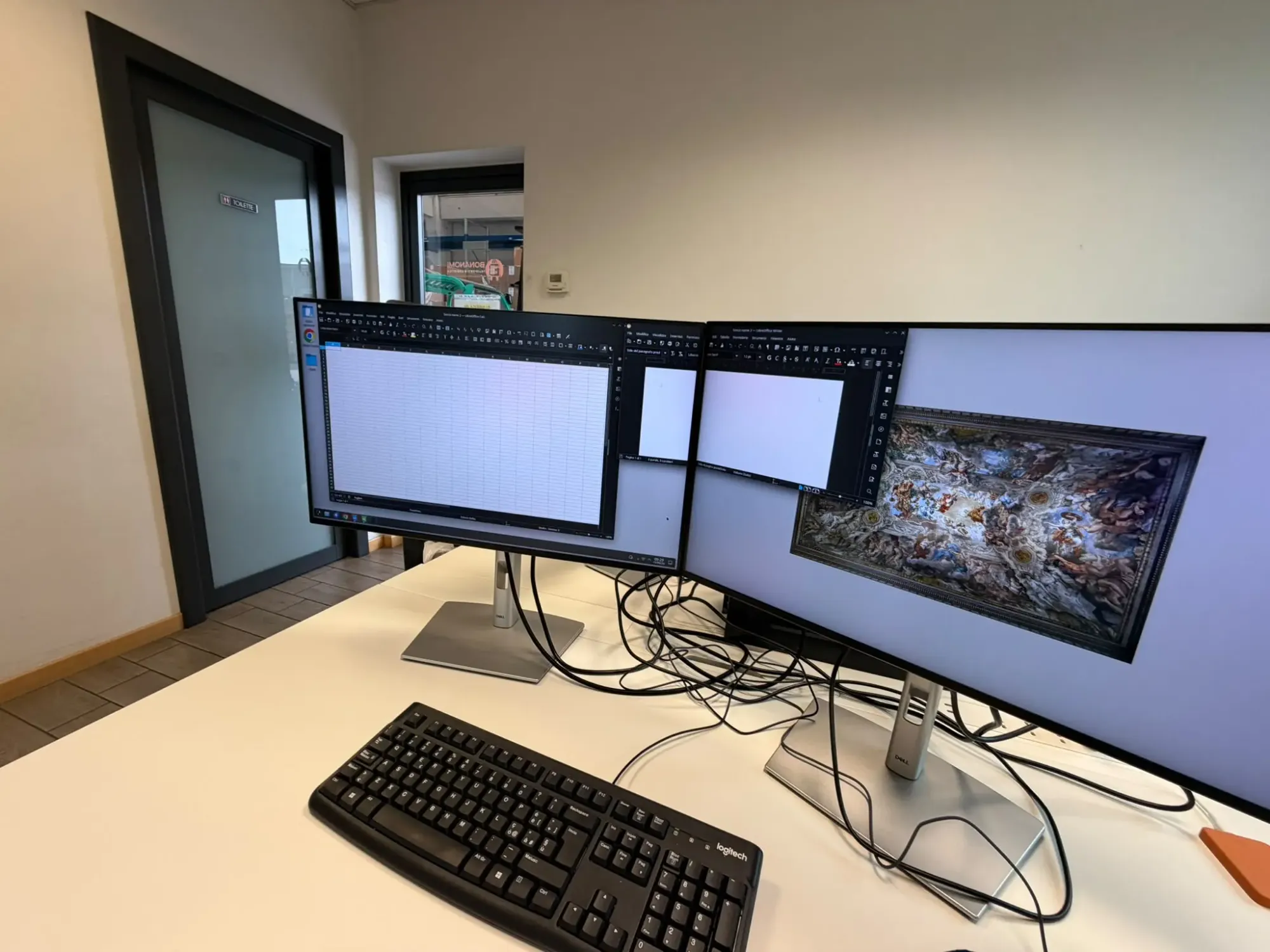
By removing system slowdowns, eliminating unexpected reboots, and streamlining communication, the company has successfully recovered an estimated one hour of productivity per employee every single day, achieving a seamless transition to open-source stability.

Leave a Reply