The smartphone industry has long grappled with a persistent trade-off: as processors become faster, displays brighter, and software features more demanding, battery endurance often takes a backseat. While users crave devices that can last multiple days without needing a top-up, traditional lithium-ion battery technology has historically meant that larger capacities translate directly into bulky, heavy, and cumbersome handsets.
However, recent developments suggest that Honor is aiming to shatter those long-standing boundaries. According to recent supply chain murmurs and insider reports, the Chinese original equipment manufacturer (OEM) is actively testing a futuristic smartphone battery boasting an unprecedented capacity between 14,000mAh and 15,000mAh.
What You Need to Know
Word of this monumental development first surfaced on Weibo via the well-known and frequently accurate industry tipster Digital Chat Station (DCS). In a series of posts detailed by Android Headlines, DCS revealed that Honor is currently in the testing phase for a smartphone battery that pushes mobile power capacities into entirely uncharted territory.
While doubling or even tripling standard smartphone battery sizes would normally result in a device thick enough to double as a brick, Honor is reportedly engineering this breakthrough with efficiency in mind. According to the tipster, the company is focusing heavily on optimizing power draw during periods of low user demand. Rumors suggest that this specialized power cell could be "guaranteed" to deliver up to a full week of normal usage on a single charge, positioning battery endurance as the defining core feature of the device.
Intriguingly, early indications from DCS suggest that the physical dimensions of the phone—and by extension, the battery pack itself—will not be overly large or unwieldy. This points to a significant leap forward in silicon-carbon battery chemistry, a technology that Honor has increasingly championed over the past several product cycles to pack more energy into tighter spaces without bloating the hardware.
Honor Has Huge Battery Plans
These staggering capacity targets are part of a broader, aggressive hardware strategy that Honor has been executing over the last year. Just twelve months ago, the company laid out a roadmap signaling a renewed focus on mobile power solutions. At the time, Honor engineers were reportedly developing 7,020mAh to 7,200mAh batteries for their flagship tiers, with mid-range devices targeted to land comfortably between 8,200mAh and 8,400mAh.
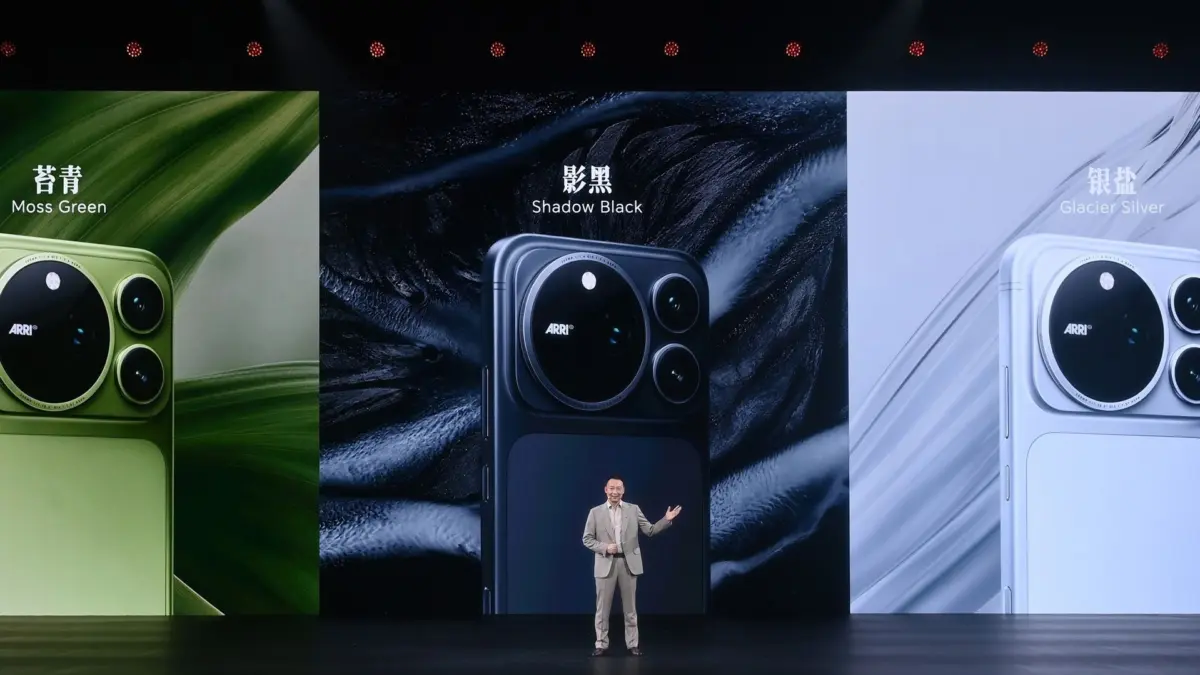
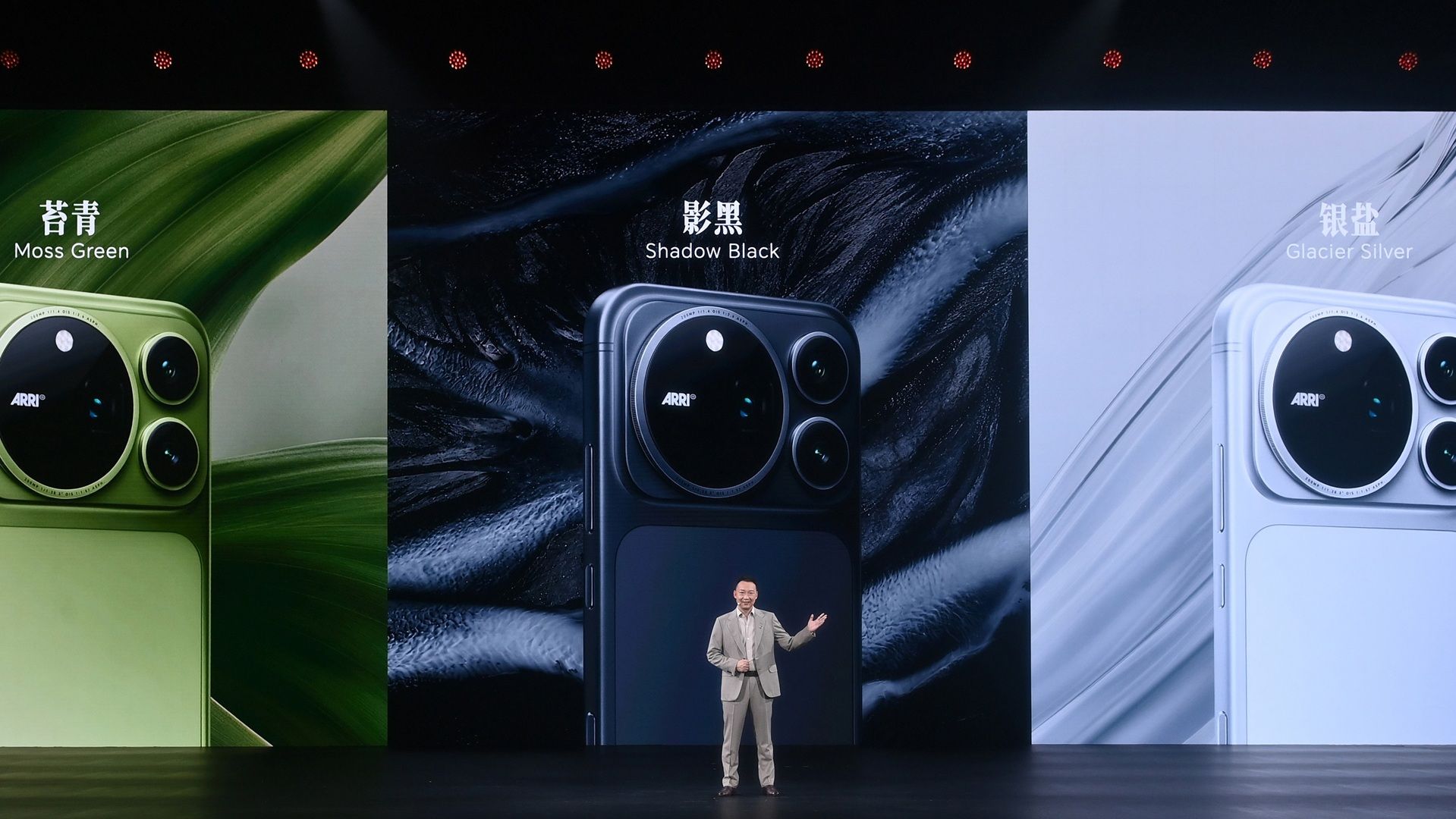
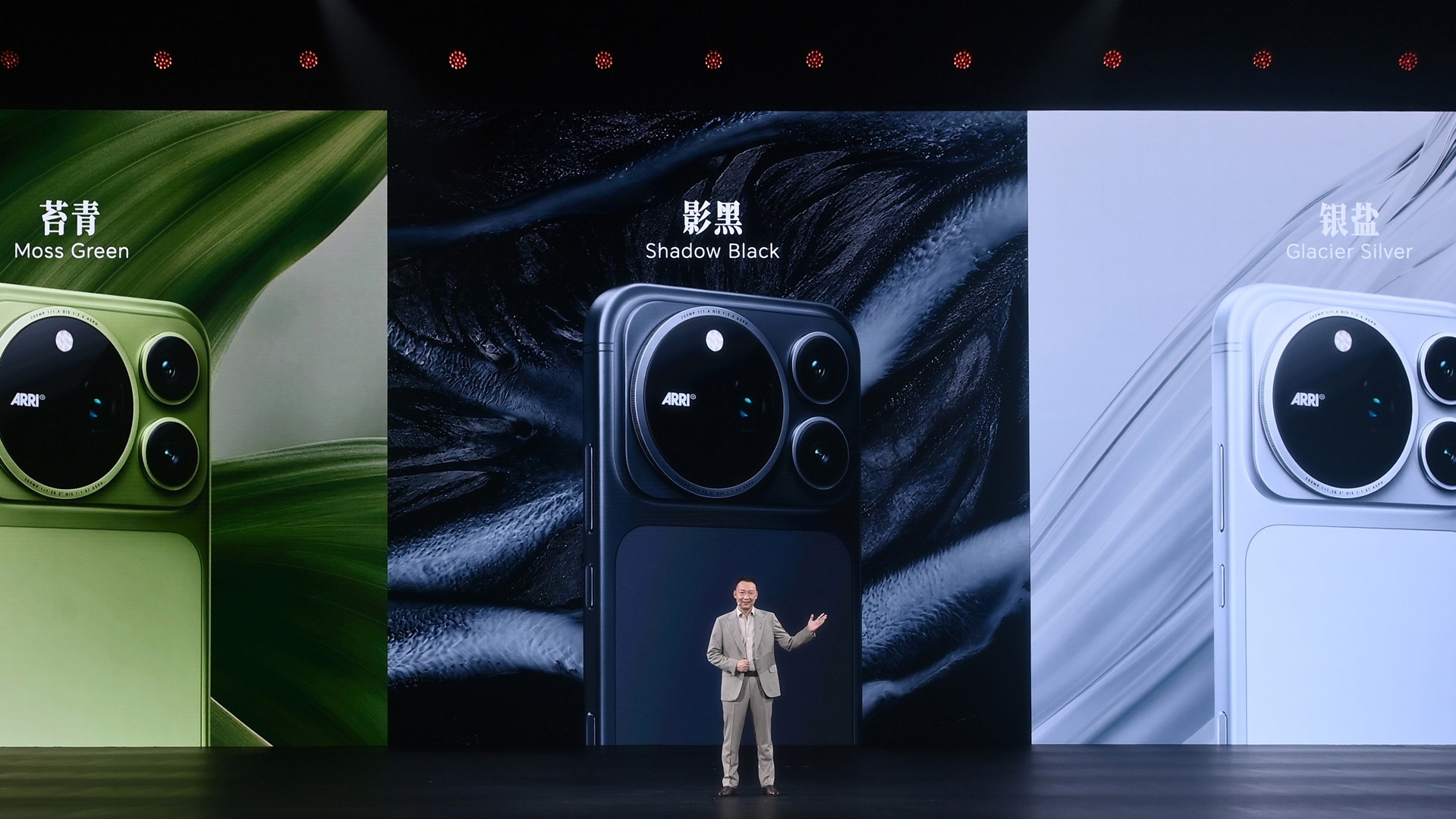
Yet, Honor has consistently outpaced even its own ambitious timelines. The company recently debuted the Honor Magic 9 Pro Max, a flagship device that captured global attention following its showcase at the 83rd Venice International Film Festival. The Magic 9 Pro Max marked a major strategic shift for the brand, highlighting a cinematic partnership with ARRI that emphasizes professional-grade video and photography capabilities. Alongside its advanced imaging suite, the phone shipped with a formidable 8,800mAh silicon-carbon battery—substantially larger than standard flagship offerings in the contemporary market.
To complement these massive power reserves, Honor has paired its high-density cells with fast-charging infrastructure. The Magic 9 Pro Max supports 100W wired SuperCharging alongside 80W wireless charging, features that have become hallmarks of Honor’s high-end portfolio. If the company successfully scales its technology up to the rumored 15,000mAh threshold, consumers can likely expect similar rapid-charging innovations to help replenish such an enormous energy reservoir in reasonable timeframes.
The secret behind Honor’s ability to scale battery sizes so dramatically lies in its advancements in silicon-carbon anode technology. As explored in previous analyses of Honor’s hardware deployments—such as the battery systems featured in the Magic 7 Pro—silicon-carbon chemistry offers a markedly higher energy density compared to traditional graphite-based lithium-ion batteries.
This higher density allows engineers to store significantly more electrical charge within the exact same physical volume, or alternatively, maintain standard battery capacities within a much thinner chassis. By pushing this technology to its limits, Honor is attempting to resolve the perpetual anxiety of daily charging.
Industry observers have noted that Honor is no stranger to experimental or niche high-capacity hardware. For context, Android Headlines pointed to other specialty devices in the broader ecosystem, such as the Win RT 2 gaming phone, which incorporates a massive 12,070mAh battery. Given that precedent, the notion of a mainstream or specialized productivity device sporting a 15,000mAh power cell, while extreme, is no longer entirely out of the realm of possibility.
As Honor continues to refine its silicon-carbon manufacturing processes and tests these high-capacity prototypes behind closed doors, the mobile industry watches closely. Whether this experimental battery ultimately transitions from the testing labs to commercial production remains to be seen, but the prospect of a smartphone that comfortably operates for an entire week on a single charge signals a potential paradigm shift in mobile technology.