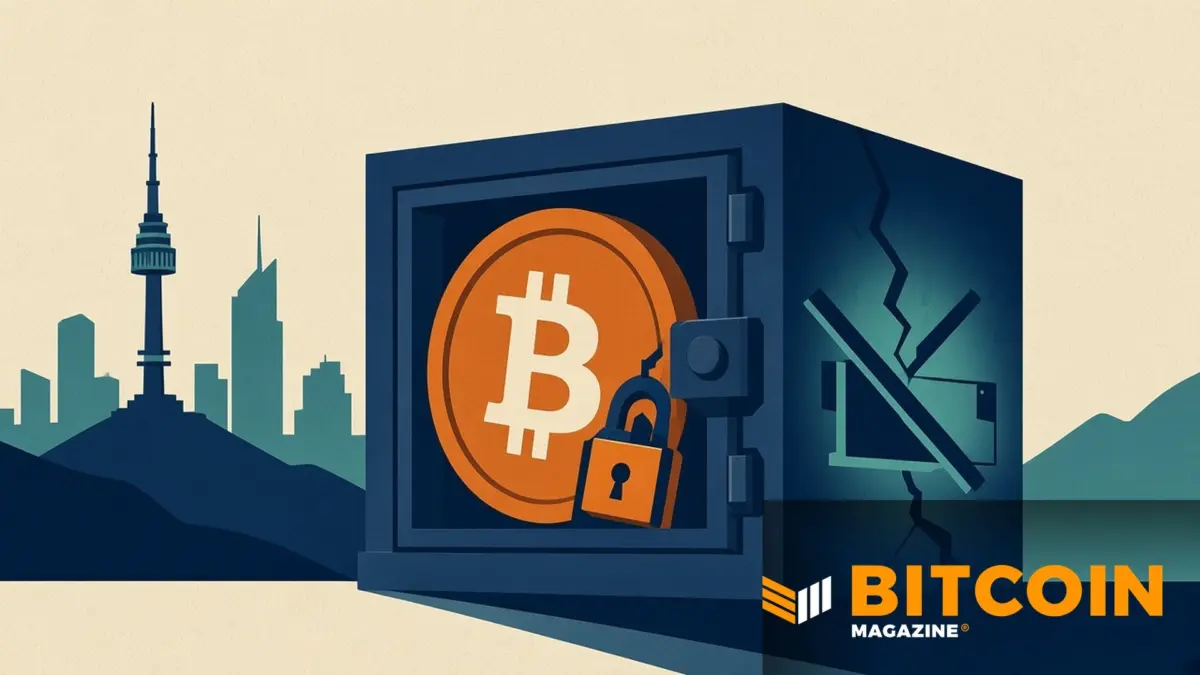
South Korean cryptocurrency exchange Gopax took swift defensive action on Friday, suspending both trading and standard withdrawal services after receiving an alarming, unverified email threatening a cyberattack. In response to the warning, the platform announced it is actively migrating all held virtual assets into offline cold wallets as a strictly precautionary measure designed to safeguard customer funds from potential compromise.
According to reports from the Yonhap News Agency and the Seoul Economic Daily, Gopax halted standard deposit and withdrawal operations at 2:55 p.m. local time on Friday. Shortly afterward, at 3:53 p.m., the exchange officially brought all trading activities to a halt. As a result of these emergency measures, direct withdrawals through the company’s official website and mobile application are entirely unavailable. Customers seeking to access and remove their digital assets must submit formal requests through the Gopax customer support center, where each transaction is subject to manual processing and internal security verification.
"To ensure the safe custody of user assets, we plan to transfer all virtual assets to cold wallets for storage," Gopax stated in official remarks carried by the Seoul Economic Daily. "Direct withdrawals through the Gopax website or app are temporarily unavailable, and customers wishing to withdraw funds should apply through the Gopax customer support center."
Company representatives confirmed that no actual loss of user assets has been detected or reported in connection with the threat email. At the time of the lockdown, Gopax had not established a specific date or timeline for the resumption of standard trading operations or automated withdrawals.
What Gopax closed and what still works
With trading systems abruptly taken offline, all open orders on the exchange were automatically canceled, as reported by Chosun Biz. While deposits were initially paused alongside withdrawals during the first wave of emergency shutdowns, subsequent updates from South Korean media indicated that deposit functionality was later restored while web and app withdrawals remained firmly locked down. Consequently, customers attempting to execute manual withdrawals through the support center must anticipate significantly longer processing times than usual.
To understand the scope of the defensive maneuver, it helps to examine the architecture of digital asset storage. A cold wallet refers to a specialized storage setup that remains completely offline, entirely severed from the internet connections that hot wallets rely on to quickly process customer transactions and withdrawals. Gopax explained that shifting its remaining hot-wallet balances into cold storage drastically shrinks the digital footprint and attack surface available to any malicious actor attempting to breach its online systems.
A Gopax official told Yonhap News Agency that the threatening message arrived from an unidentified party claiming the technical capability to compromise the exchange, though the credibility and validity of the threat itself remained unverified. "We ask for your understanding, as this measure is intended to prevent financial incidents and protect user assets," the company remarked in a public statement addressing the user base.
A rough stretch for Korean crypto platforms
The sudden operational freeze at Gopax arrives during a particularly tense week for the global cryptocurrency exchange ecosystem, where digital security has been thrust into the international spotlight following a series of high-profile incidents. On October 29, malicious actors successfully drained approximately $6.34 billion from Binance hot wallets in what Binance later described as a sophisticated, months-long campaign that reportedly originated from a deceptive job interview. The United States Federal Bureau of Investigation has publicly attributed that massive theft to state-sponsored actors linked to North Korea. While Binance has since initiated phased reopenings for withdrawals and assured the public that it will cover all customer losses using its own corporate reserves, the breach has rattled confidence across the industry.
Simultaneously, Brazil’s Mercado Bitcoin was forced to freeze both deposits and withdrawals earlier in the week following its own security breach, with preliminary estimates placing suspicious unauthorized transfers near the $40 million mark. Analysts note that the situation at Gopax differs fundamentally based on the facts disclosed so far, as the South Korean exchange is reacting to an unverified threat email and implementing a proactive lockdown rather than responding to a confirmed asset drain.
Gopax itself has navigated a challenging operational period regarding account security in recent months. Beginning in early September, anomalous access attempts targeted a subset of user accounts, resulting in the leakage of personal information belonging to seven customers and two current or former employees. A subsequent data leakage was confirmed by the company last month, according to dispatch reports from Yonhap’s Korean-language news service. However, Gopax has consistently maintained that this preceding breach is entirely separate from Friday’s threat email, and investigators have not confirmed any direct link between the two events.
South Korea’s Financial Services Commission has also maintained intense regulatory pressure on domestic cryptocurrency platforms following a broader wave of cybersecurity incidents impacting financial institutions across the country. South Korean regulatory standards already mandate that domestic exchanges store at least 80 percent of customer cryptocurrency assets within cold storage facilities. Friday’s preemptive action pushes Gopax’s asset protection measures even further offline while compliance and technical teams thoroughly investigate the validity of the received threat.
For bitcoin holders and digital asset investors utilizing Gopax, the immediate practical consequence is a logistical bottleneck. Coins are presently parked securely offline while support personnel manually review and approve outbound transfer requests on an individual basis. While this administrative queue is considerably slower than the convenience of an automated app button, the exchange insists this friction is a necessary trade-off to ensure account balances remain intact.
The immediate test for Gopax centers on its ability to successfully complete the cold-wallet transfer process, clear the backlog of manual withdrawal requests without financial loss, and eventually announce a definitive timeline for the restoration of normal trading operations. Meanwhile, the industry watches to see whether the unverified warning will dissolve into a false alarm or test the limits of the platform’s defensive posture.