
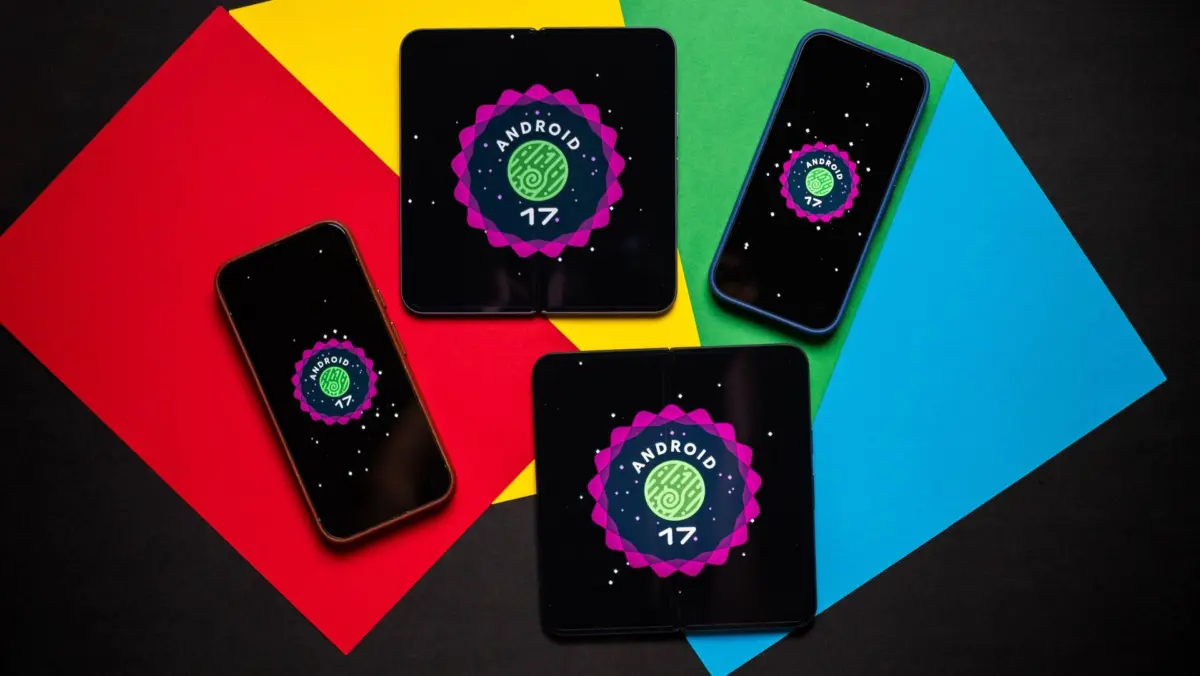
Google is maintaining a rapid development cadence as it pushes further into its software testing schedule, rolling out Android 17 QPR2 Beta 6 to participating Pixel users worldwide. The latest software drop arrives just days after the release of Beta 5, demonstrating the tech giant’s determination to iron out prominent system instabilities as the platform moves closer to its official, public-facing commercial release.
Spotted initially through community channels on the Android Beta subreddit, the company confirmed that the rollout unifies build numbers across the entire compatible hardware lineup. Testers across supported devices will now find themselves operating on build version vCP41.260831.007. The eligibility pool for this latest update spans a broad spectrum of hardware, starting from the Pixel 6a and extending all the way up to the newly launched Pixel 10 family, which also encompasses the Pixel 10 Pro XL, Pixel 10 Pro Fold, and the more budget-friendly Pixel 10a.
This latest over-the-air package introduces a handful of targeted, high-priority fixes addressing frustrating hardware and software hiccups that have plagued testers over the past several weeks. Among the most notable patches included in Beta 6 is a direct solution for an irritating and prominent reboot glitch that disproportionately affected foldable devices, specifically triggering unexpected restarts on the Pixel 9 Pro Fold.
Addressing Critical System Reboots and Kernel Stability
The unexpected reboot issue had become a major talking point within the Pixel enthusiast community throughout the QPR2 Beta testing phase. Frustrated users took to official channels, flooding the Google Issue Tracker and public forums with logs detailing how their devices would suddenly crash and restart without warning. According to official developer notes from Google, these unprompted reboots were triggered specifically during the initialization sequence of the camera viewfinder when launched from within third-party applications.
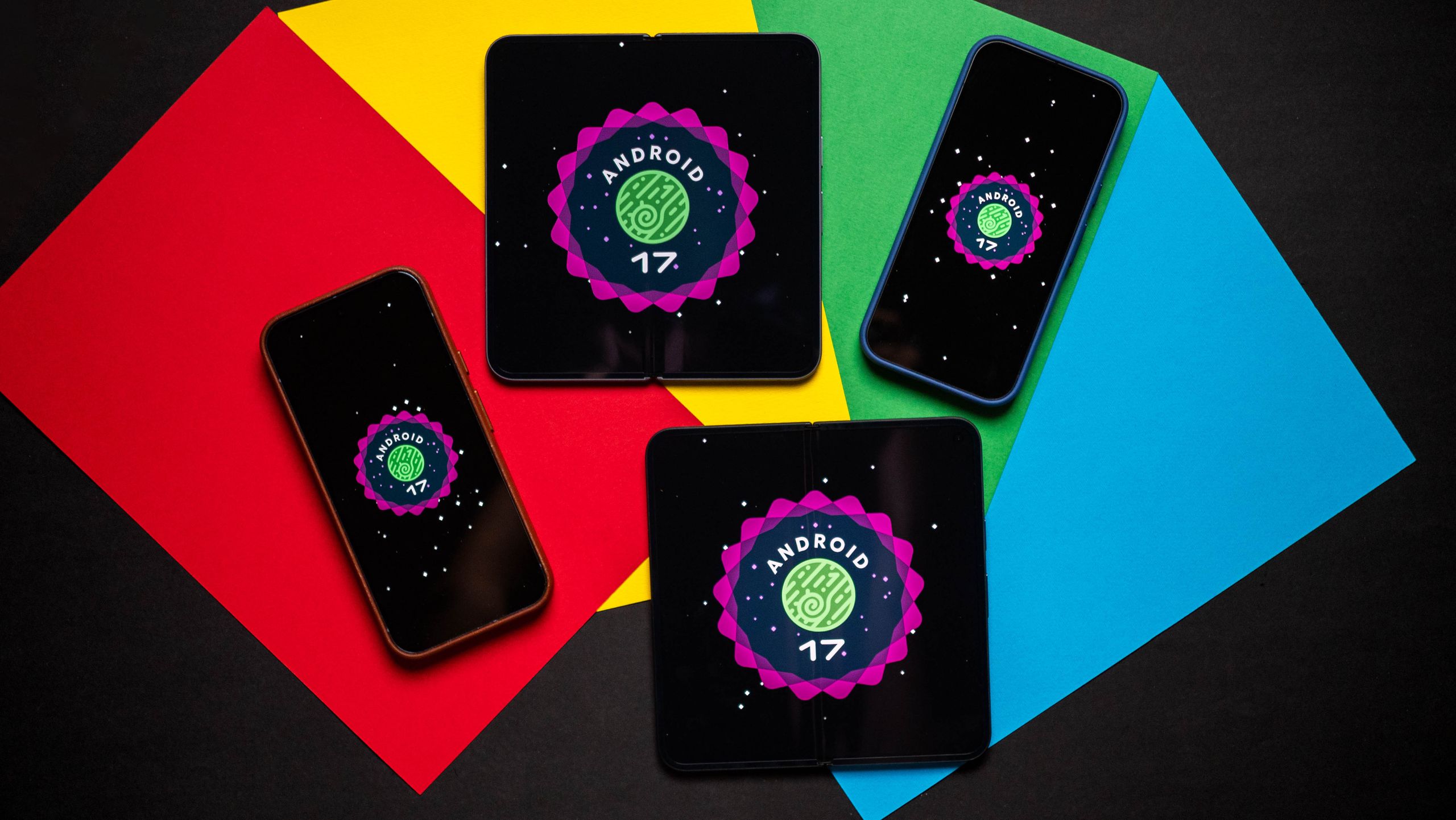
For many users who rely heavily on social media applications, messaging tools, and third-party photography software, the bug rendered daily interactions unreliable. The deployment of Beta 6 aims to put these stability concerns to rest, ensuring that opening a camera interface inside a non-native application no longer forces the hardware into a crash loop.
In addition to resolving the viewfinder restart bug, Beta 6 tackles another severe system stability hurdle: a dangerous kernel crash. Testers had previously reported catastrophic system failures when third-party applications requested simultaneous access to both the camera and the microphone while the device was concurrently processing biometric verification stages, such as facial recognition or fingerprint scanning. This intersection of hardware permission requests and security protocols frequently overwhelmed the operating system, leading to abrupt system kernel crashes. The new beta update introduces deep-level codebase adjustments designed to handle these overlapping hardware requests securely, safeguarding overall device uptime.
Interface Tweaks and Kernel 6.12 Integration
Beyond under-the-hood stability patches, Beta 6 brings a few visible interface adjustments and architectural updates that have quickly drawn the scrutiny of prominent Android developers and enthusiastic testers alike.
One immediate visual change noticed by users following the installation of the update is the temporary removal of the blurred notification effect on the lock screen. The sudden disappearance of the visual polish sparked immediate discussion and inquiry across online developer communities. Noted Android expert Mishaal Rahman stepped in to clarify the situation for concerned users, explaining via social channels that the product team at Google temporarily reverted the lock screen blur effect in this specific beta build solely to isolate and resolve underlying rendering bugs. It remains unclear whether the blur effect will return in subsequent beta builds or if it has been shelved for a later software iteration.
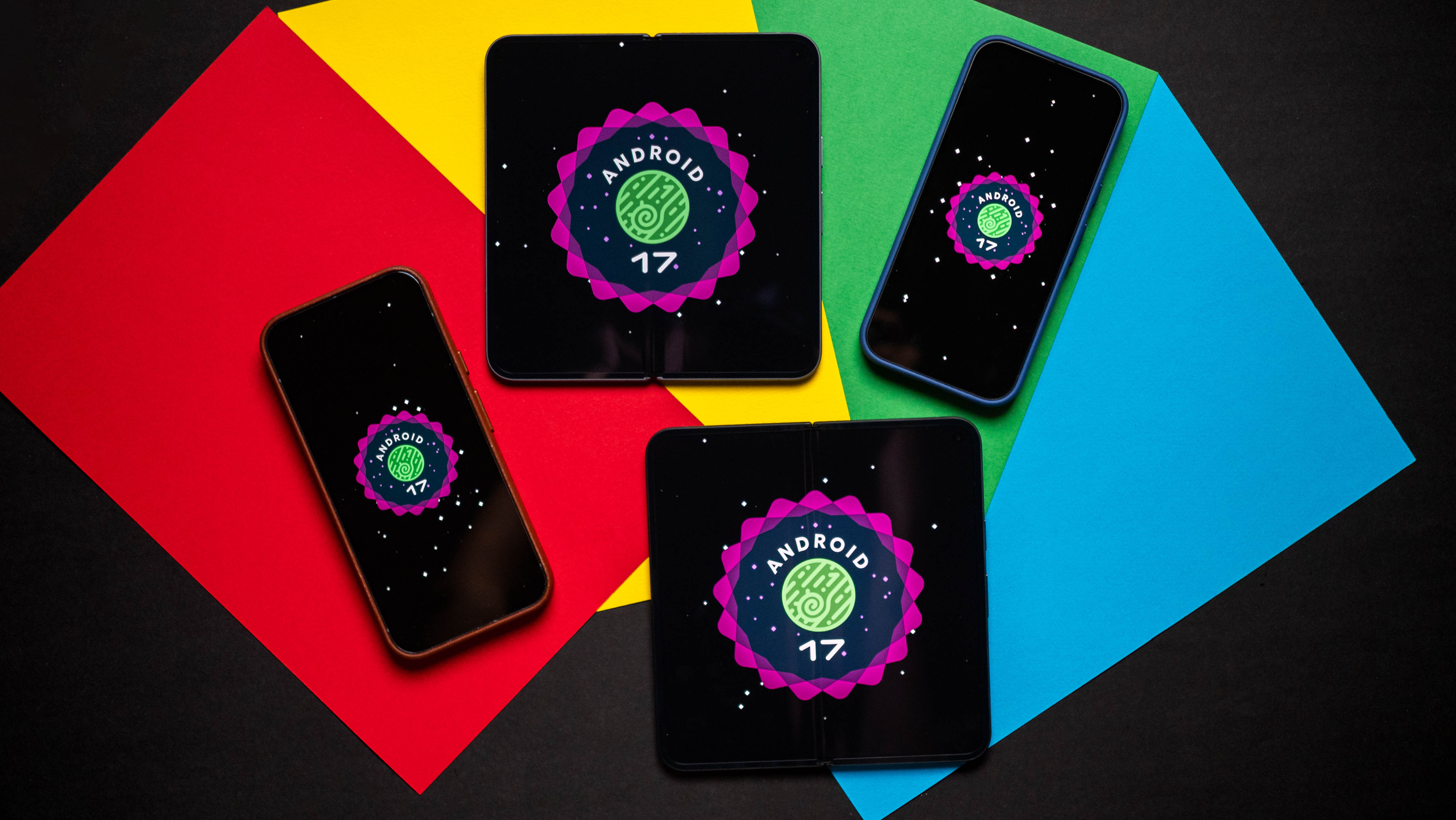
Concurrently, a significant number of testers operating various hardware configurations—including owners of the Pixel 7, Pixel 9, and Pixel 10 Pro XL—have reported that their devices have been upgraded to Kernel 6.12. Alongside this kernel update, many community members have documented noticeable improvements in general system fluidity, touch responsiveness, and overall navigational snappiness across the user interface.
The arrival of Beta 6 comes just ten days after Google pushed out Android 17 QPR2 Beta 5, highlighting a compressed development window as the engineering teams race toward the finish line. Last week’s preceding releases also incorporated a series of targeted Bluetooth connectivity fixes, arriving hot on the heels of Android 17 QPR2 achieving official "Platform Stability." As Google continues to check off remaining bug reports and polish the user experience, the software ecosystem inches steadily closer to completing its final stretch of development ahead of the broader public rollout.

Leave a Reply