
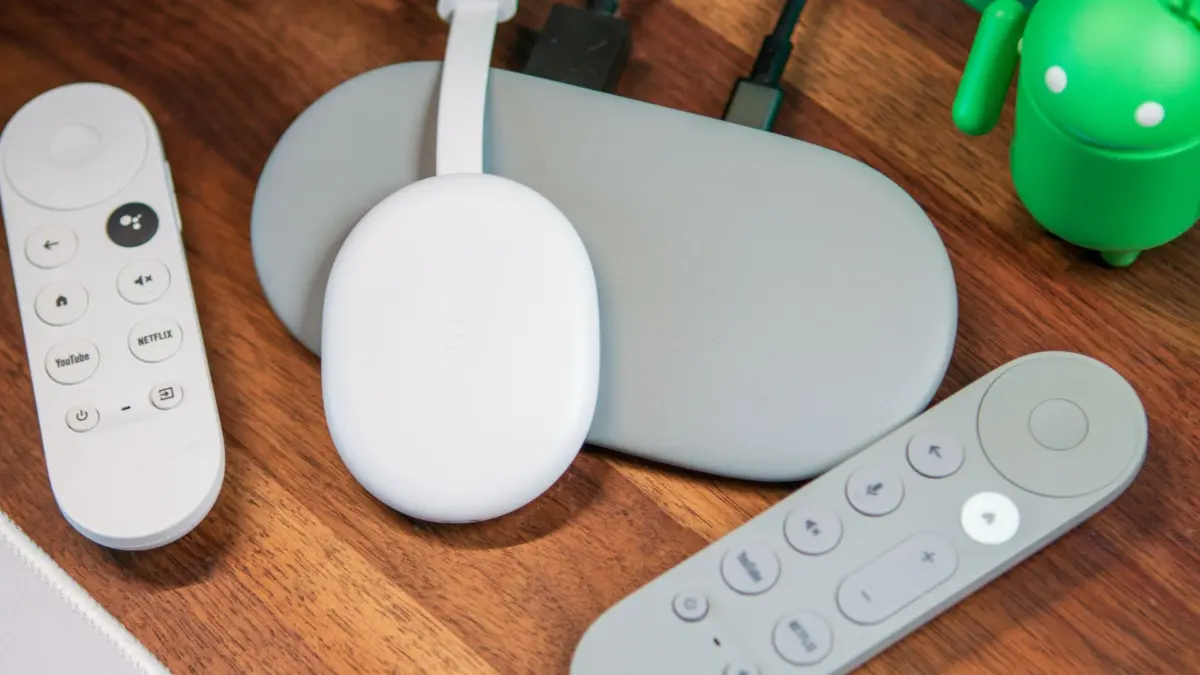
Google may already be working on a successor to its recently launched hardware lineup, with fresh reports indicating that a next-generation Google TV Streamer is actively in development. While the current model has quickly established itself as a premier option for living room entertainment—running a feature-complete version of the Google TV platform on robust hardware—industry insiders suggest that the tech giant is preparing a significant hardware refresh that could fundamentally alter how users interact with their home entertainment ecosystem.
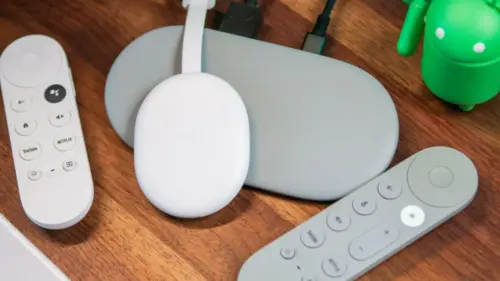
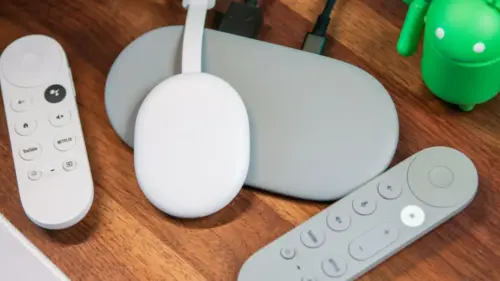
According to a recent report from industry publication 9to5Google, the upcoming streaming device will maintain a design philosophy closely mirroring the current generation. However, the physical footprint is expected to see minor adjustments, specifically being built slightly narrower to offer a more compact profile on media consoles and entertainment centers. Despite the subtle exterior tweaks, the internal and functional upgrades being planned point toward a much more ambitious device.
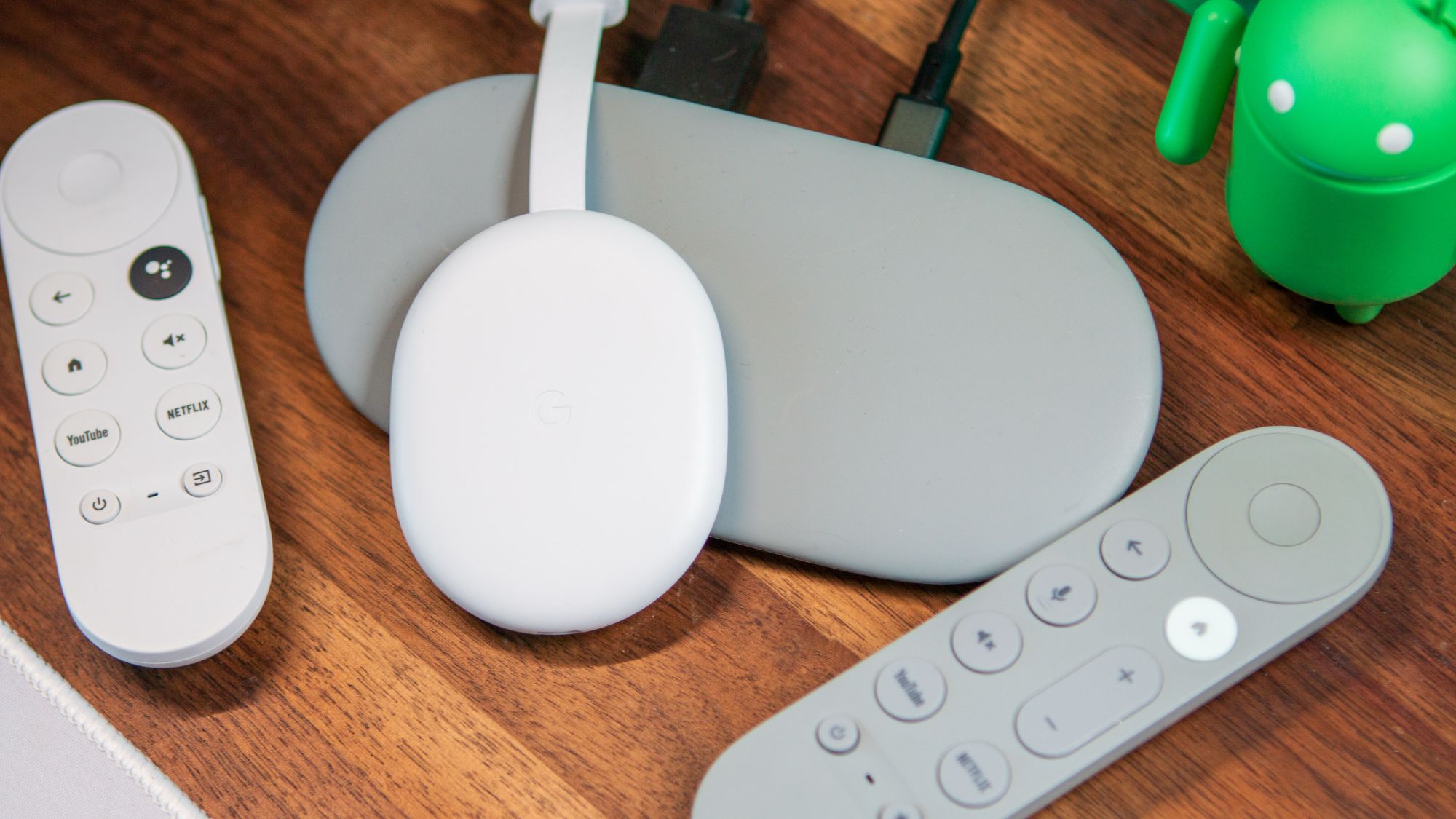
The most prominent feature rumored for the next-generation streamer is the inclusion of built-in far-field microphones directly on the hardware body. Under the current ecosystem setup, users looking to summon Google Assistant or interact with advanced artificial intelligence features like Gemini on their Google TV Streamer must rely exclusively on the microphone embedded within the physical remote control. The implementation of far-field microphones on the streaming hub itself would eliminate this requirement entirely, enabling hands-free voice commands. Users would theoretically be able to issue verbal prompts simply by speaking aloud in the room, saying phrases like "Hey Google" to control playback, search for content, or manage smart home appliances without needing to pick up or locate the remote control.
Alongside the hands-free microphone capabilities, reports indicate that Google is exploring advanced presence-sensing technology for the upcoming device. While similar functionality has already trickled into the market via select smart televisions from manufacturers like TCL, bringing this feature to a dedicated streaming box would represent a novel approach for Google’s hardware ecosystem. Presence-sensing allows the hardware to automatically recognize when an individual enters the living room or approaches the viewing area. Upon detecting human presence, the system could intelligently wake up from an idle state, displaying contextual real-time information such as local weather updates, the current time, or transitioning into an ambient Google Photos screensaver slideshow.
Beyond software-driven smart home integrations and voice recognition improvements, the hardware itself is slated for notable performance enhancements. Industry watchers anticipate that the next-generation streaming device will house a faster processor capable of delivering snappier navigation, quicker app loading times, and smoother overall system performance. Furthermore, storage capacity is expected to see an upgrade, building upon the baseline 32GB of internal storage currently offered by the existing model to ensure ample room for applications, games, and cached media data.
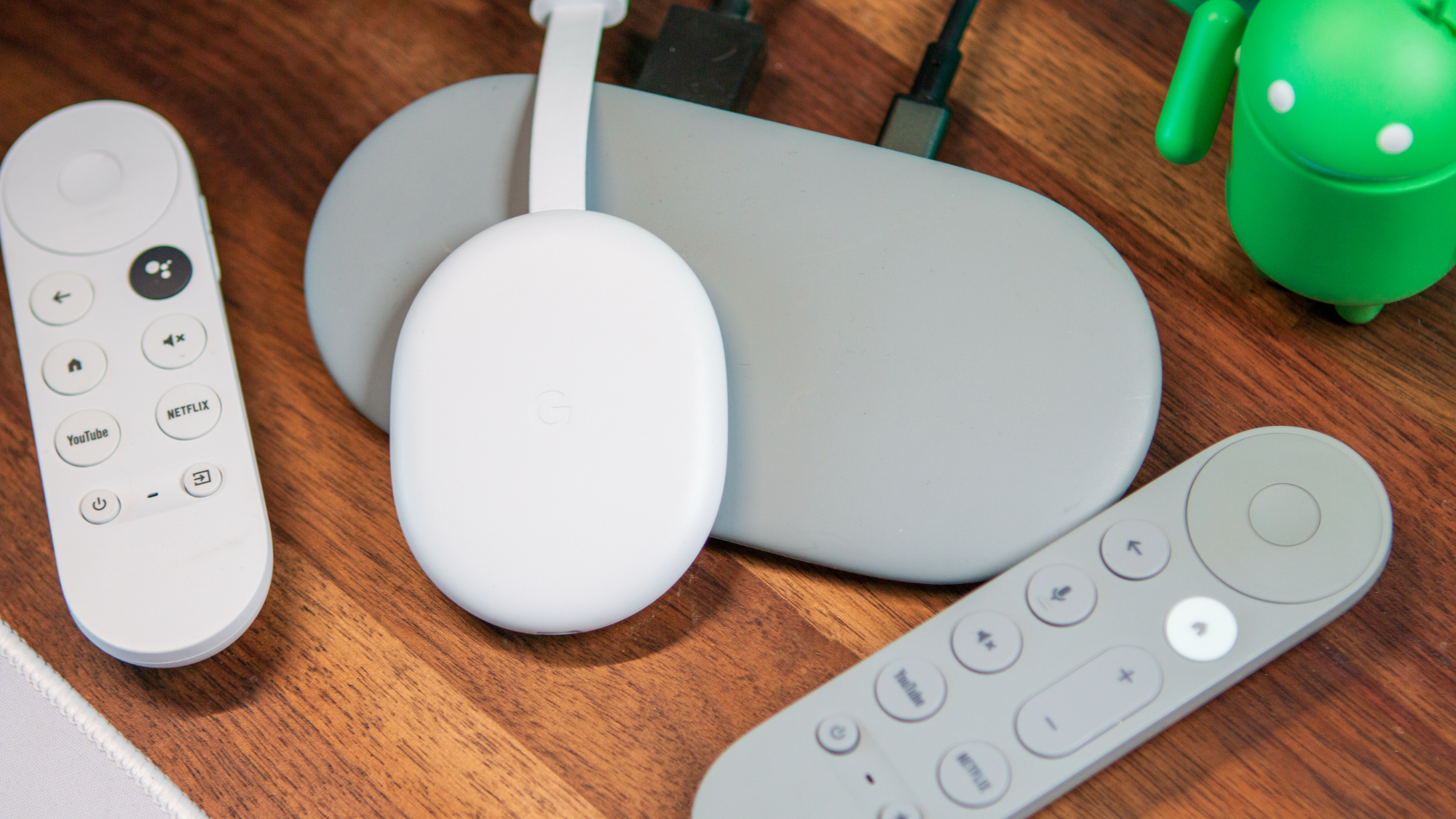
Hardware modifications are also expected to extend to the included remote control. Sources indicate that Google is designing a refreshed remote layout that will incorporate two additional dedicated shortcut buttons for popular subscription video-on-demand services, specifically calling out YouTube and Netflix. Additionally, the streaming box itself may feature a physical button designed to trigger a "Find My Remote" function, addressing a common household frustration by causing a paired remote to emit an audible alert when it slips between couch cushions or goes missing.
The emergence of these development rumors arrives shortly after Google adjusted its pricing structure for the current ecosystem, which included a fifty-dollar price increase for the existing Google TV Streamer alongside adjustments to select Nest smart home cameras. Even with the higher price point on current shelves, the prospect of a heavily upgraded successor demonstrates that hardware innovation continues moving forward within the division.
As of now, official details regarding a concrete release timeline or expected retail pricing remain undisclosed. Industry analysts note that competitive pressures within the living room tech space—including reports that Apple is preparing to unveil an updated Apple TV 4K hardware revision—could influence Google’s ultimate rollout schedule, making a fall announcement a distinct possibility. Until official announcements are made by the company, developments regarding the next-generation Google TV Streamer continue to unfold through supply chain and software reports.
Leave a Reply