
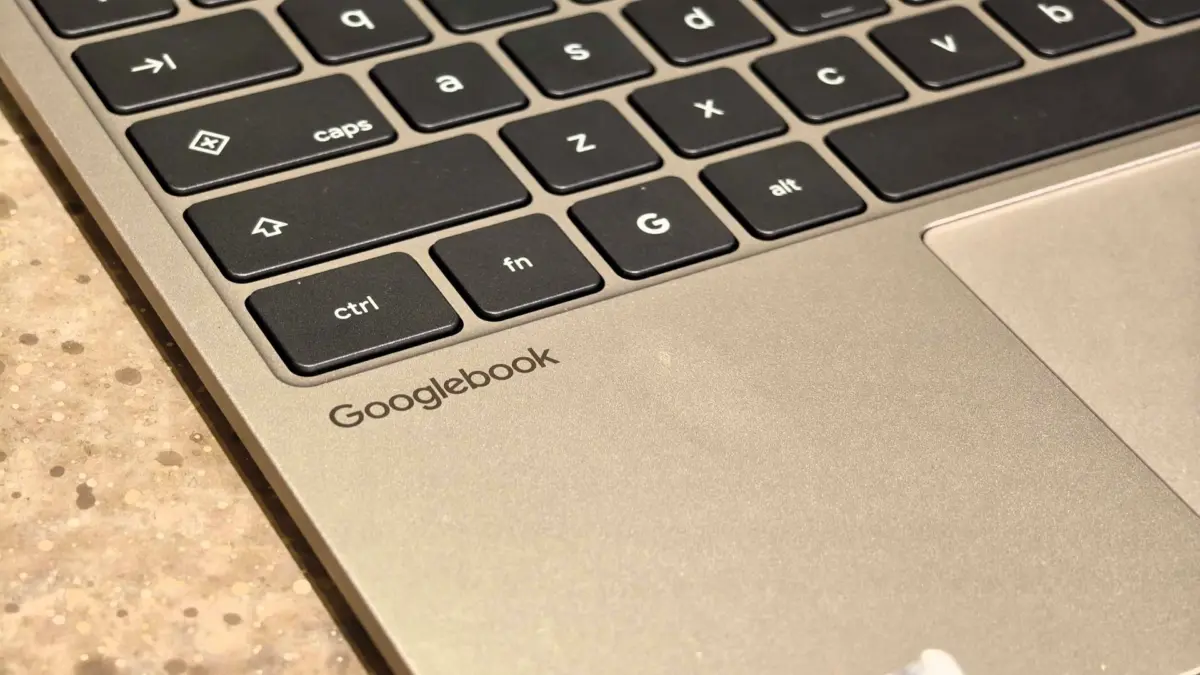
Google is finally resolving one of the most prominent criticisms surrounding the initial rollout of the Googlebook. By extending its signature "Better Together" ecosystem features to Samsung Galaxy smartphones and simultaneously smoothing out a historically frustrating initial setup process, the tech giant is attempting to bridge a significant gap in its hardware strategy.
When the Googlebook was first introduced to the market, its primary competitive draw was the depth of its integration with the user’s mobile device. Unlike traditional laptops that treat smartphones as isolated external storage devices, the Googlebook promised a fluid, interconnected ecosystem. Users were promised the ability to seamlessly stream mobile applications directly to the laptop screen, synchronize real-time notifications, access local phone files on the fly, and utilize features like "Continue On" to effortlessly pick up supported activities from wherever they left off on another device.
However, despite Samsung reigning as one of the absolute biggest and most influential names in the global Android ecosystem, Samsung users found themselves entirely left out of these capabilities at launch. The omission was jarring for consumers who expected a cohesive cross-device experience out of the box, though Google had offered assurances at the time that formal support for Samsung devices would arrive in the weeks following the initial product release.
The current rollout, which was recently brought to light by Google’s Mishaal Rahman through community discussions on Reddit, functions primarily as a targeted fix for a persistent pairing bug. Even with this fix, Galaxy owners will still need to ensure their devices are running the correct software versions before their phones can fully unlock and take advantage of the laptop’s deep Android integration features.
According to the details of the rollout, this update is specifically designed to work alongside Samsung smartphones operating on One UI 9.0, which is built on top of Android 17. Once the necessary updates are applied, supported devices gain access to the full suite of cross-device capabilities, including Continue On, Cast My Apps, Quick Access, and Notification Sync.
Alongside the device compatibility fix, a separate and equally crucial update is being deployed to Google Play services. This update is specifically engineered to streamline the initial setup procedure, eradicating an annoying bug that previously caused the pairing QR code to remain stubbornly frozen on the screen even after the phone had successfully established a connection with the laptop.
Google has stated that these necessary changes will be distributed automatically over the coming days through standard background updates managed via Google Play and associated system services. For users eager to expedite the process and get everything working sooner, specific version requirements must be met. Devices need to ensure that Google Play services is updated to version 26.37 or newer, while Cross-device services must be running version 1.0.1346 or newer. Furthermore, basic operational requirements remain in place, necessitating that both the phone and the Googlebook are signed into the exact same Google account while having both Bluetooth and Wi-Fi toggled on.
Network environments can also play a critical role in the success of the pairing process. Google has issued recommendations advising users to connect via a private home network during the setup phase. Connections between tightly integrated devices can frequently be blocked or restricted on public Wi-Fi networks commonly found in hotels, corporate offices, and local cafes. For users experiencing persistent roadblocks, temporarily disabling an active virtual private network (VPN) or a system-wide DNS blocker can also alleviate pairing failures.
Early community feedback indicates that the automated rollout is already beginning to take effect and make a tangible difference for early adopters. Some owners of the Galaxy S26 Ultra have reported that mobile application casting is now functioning as intended, while other users continue to await regional compatibility and system updates on their respective hardware configurations.
While this update represents a very welcome fix for frustrated consumers, it also highlights underlying issues that plagued the launch phase of the Googlebook. Chief among them was the reality that core, heavily marketed features were simply not ready for a massive percentage of the broader Android user base at the exact moment the product hit store shelves. Moving forward, securing robust and reliable Samsung support will be vital if Google hopes to make the Googlebook platform a convincing alternative in the laptop market, especially as it attempts to deliver a consistent, reliable ecosystem experience across a fragmented landscape of supported phones.
Leave a Reply