Google is once again upgrading its smart home ecosystem, rolling out a robust suite of improvements that breathe new life into older hardware while expanding the capabilities of its artificial intelligence assistant. The latest wave of updates focuses heavily on refining the Google Home experience through early access to Gemini features, resolving persistent connection bugs that have long plagued legacy Nest security cameras, and introducing new conveniences for energy management and digital security.
As smart homes become increasingly complex, users often struggle with voice commands that overlap across multiple connected appliances and lighting systems. To address this friction, Google is making its Gemini-powered voice assistant noticeably smarter when it comes to interpreting ambiguous commands. Under the new rollout, if a user issues a smart home request that matches multiple devices—such as asking to turn off a light without specifying which room—Gemini will no longer resort to guessing or failing the task outright. Instead, the assistant will prompt the user with a quick, conversational follow-up question to clarify precisely which device is intended. This enhancement aims to eliminate the common frustration of arguing with smart speakers over individual room configurations and device naming conventions.
Gemini Enhancements Bring Visual Responses and Faster Voice Controls
Beyond smarter conversational logic, Google is leveraging the Gemini integration to make smart displays far more interactive and useful. Owners of Nest Hub devices will now benefit from visual responses that appear on-screen alongside spoken answers. When users ask questions or request assistance with specific queries, the smart display can now surface relevant images to help explain or contextualize the response. This multimodal approach reduces the reliance purely on verbal explanations, making complex information easier to digest at a glance.
Performance tweaks have also been applied to everyday voice interactions. The update introduces noticeably faster response times when users are setting, checking, or canceling timers and alarms across their connected ecosystems. Additionally, media sleep timers have been rendered more reliable, reducing the chances of audio or video playing uninterrupted through the night.
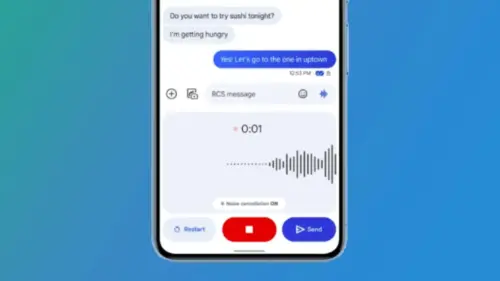
Voice feedback itself has been refined to feel significantly more natural and conversational. Users can now seamlessly add supplementary details or revise their voice messages dynamically before sending them out. Furthermore, connected smart displays and speakers will execute broadcast commands with reduced latency, ensuring messages travel through the household more quickly.

Critical Fixes Arrive for Legacy Nest Cameras and Doorbells
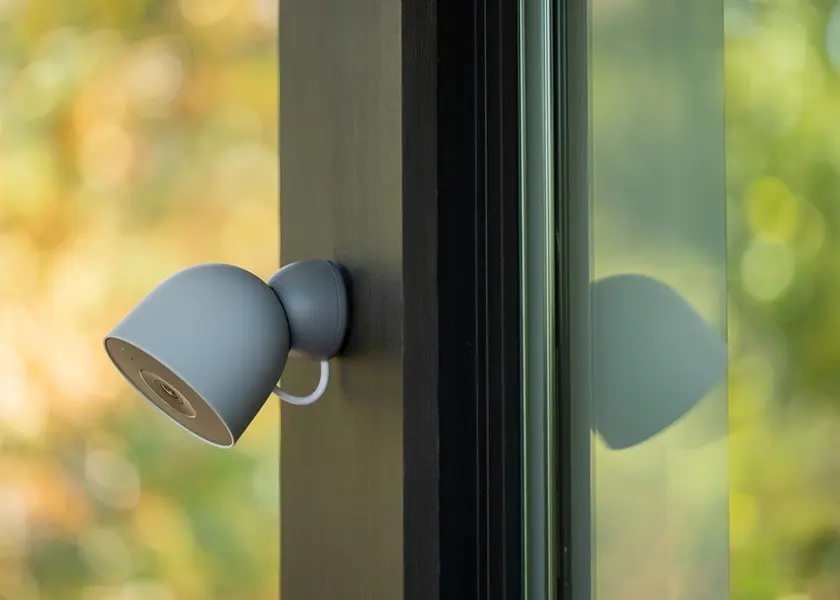
While much of the attention in recent months has centered on Google’s newer hardware iterations, the latest Google Home app update delivers essential troubleshooting for older Nest devices that have transitioned from the legacy Nest app to the newer Google Home architecture. For years, owners of vintage Nest hardware have reported various connectivity hurdles, and Google’s latest patch directly addresses several of these pain points.
The software update resolves critical live-streaming connection issues affecting several foundational products, including the first-generation Nest Cam Indoor, the Nest Cam Outdoor, the wired Nest Doorbell originally known as Nest Hello, and both generations of the Nest Cam IQ. These fixes are particularly beneficial for households utilizing specific, more demanding network configurations, such as PPPoE connections, high-speed fiber internet setups, or mobile hotspot configurations that previously caused intermittent streaming failures.
Owners of the Nest Cam IQ line will also see the restoration of event thumbnails, a crucial feature for quickly reviewing activity alerts without needing to scrub through entire video timelines. Furthermore, improvements to clock accuracy ensure that recorded footage displays reliable and synchronized timestamps. Google has additionally updated underlying security certificates and resolved underlying stability issues that previously triggered unexpected camera reboots, providing a much more dependable surveillance experience.
For Android users specifically, the update introduces a series of smaller yet highly requested quality-of-life adjustments. Camera history controls are now more responsive and reliable, reducing instances of lagging feeds. The software also minimizes unwanted Nest account-linking prompts that previously annoyed users who had already completed the migration process, while providing much clearer, step-by-step instructions for successfully re-linking third-party cameras. Additionally, the interface now restores the ability to properly remove an offline, unmigrated first-generation Nest Doorbell from user accounts, clearing out lingering clutter from device lists.
Expanded Home Automation and Energy Management Tools
Beyond cameras and artificial intelligence, Google is expanding the utility of the Google Home platform through broader ecosystem integrations and automation controls. Households managing multiple Nest thermostats will appreciate the introduction of a new "Eco Mode Everywhere" toggle. This centralized control allows users to activate energy-saving settings across all compatible thermostats simultaneously with a single press, simplifying climate management and potentially reducing utility consumption without the need to adjust each device individually.

Security and access controls are also receiving a modern upgrade. Through support for compatible Aliro smart locks, users can now securely add digital home keys directly to Google Wallet on supported Android devices. This integration enables hands-free unlocking, allowing doors to open automatically as authorized users approach with their smartphones.
Meanwhile, the Google Home Model Context Protocol (MCP) framework is receiving a notable expansion. Artificial intelligence agents can now step in to set up and manage complex home automations, while gaining expanded access and control over a wider array of connected appliances. This includes deeper integration with robot vacuums, electric vehicle chargers, thermostats, and other smart home hardware.
Users are encouraged to ensure their devices are updated to the latest available firmware over the coming days. While many updates propagate automatically in the background, owners can also check for and pull updates manually directly through the Google Home app to ensure access to the latest camera fixes, security patches, and Gemini capabilities as they go live.