
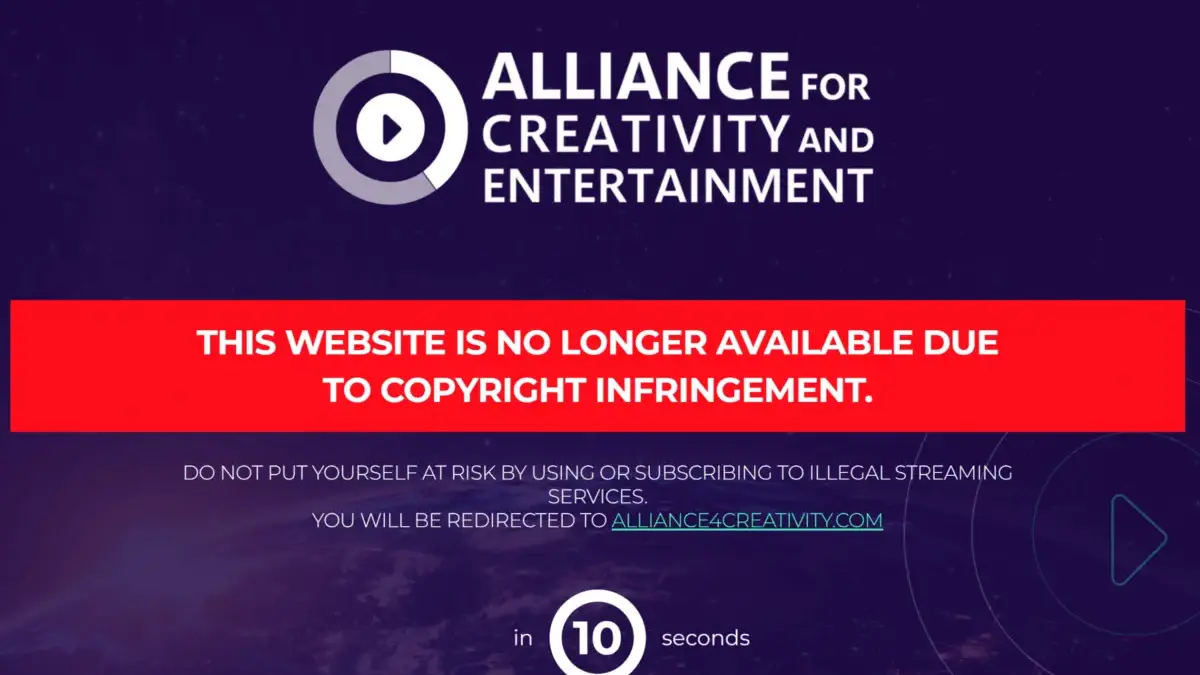
The Alliance for Creativity and Entertainment (ACE), the world’s leading anti-piracy coalition, has announced the definitive shutdown of LiveNetTV, a prominent and long-standing free IPTV application. The platform managed to survive for a full decade despite facing persistent legal pressure from multiple jurisdictions and rightsholders. The resolution of the case involves two Turkey-based operators who have reached a formal settlement with ACE, handing over ten core domain names and issuing a public statement acknowledging their wrongdoing.
While the formal announcement was only recently made public, the application itself had effectively ceased operations months earlier. In late February, the streams abruptly went dark following a high-profile raid conducted by Istanbul law enforcement agencies.
Over the years, unauthorized streaming applications have carved out a substantial user base, particularly on Android-based hardware and Amazon’s Fire TV devices. Because the Fire TV ecosystem became a favored platform for sideloaded applications, it increasingly drew scrutiny from anti-piracy advocates and media conglomerates.
Responding to mounting pressure from rightsholders and the broader stigma associated with digital piracy, Amazon initiated targeted countermeasures. Last year, the tech giant began remotely disabling several popular unauthorized streaming applications that users had sideloaded onto their Fire TV hardware.

Among the primary targets of Amazon’s enforcement actions was LiveNetTV. Operating as an ad-supported service, the platform offered users access to hundreds of television channels spanning dozens of countries, making it one of the most widely used applications of its kind. Despite Amazon’s blocking mechanisms, the developers demonstrated resilience by rolling out successive updates designed to bypass the platform’s technological hurdles. Consequently, LiveNetTV remained fully operational as the new year began.
However, the resilience of the application met its match in late February when the streams went offline under entirely different circumstances. Although the application still opened and interface thumbnails remained visible, the underlying video feeds were completely dead. At the time, the operators offered no public explanation for the sudden outage, leading many observers and users to assume that the developers had voluntarily abandoned the project due to escalating legal risks. With the operators maintaining total silence for months, the exact reasons behind the sudden collapse remained an open question.
LiveNetTV Shutdown and Settlement
The mystery surrounding the abrupt disappearance of the application was finally solved when ACE released details of a coordinated enforcement action. In a press release shared with TorrentFreak, the global anti-piracy coalition took credit for the app’s permanent demise, revealing that investigators had successfully identified and tracked down two primary operators based in Istanbul, Turkey, ultimately securing a comprehensive settlement.
The individuals responsible for running the service have been identified only by their initials, A.B. and R.B. According to the ACE announcement, the settlement followed a series of legal proceedings in Turkey, though specific details of the legal framework were not disclosed. As part of the resolution, the operators agreed to publish a mea culpa statement highlighting the heavy personal and financial toll of their illicit enterprise.

Reflecting on their experiences, the operators described how an online venture intended for quick financial gain rapidly spiraled beyond their control. They admitted that they failed to fully comprehend the severe legal ramifications or the broader market impact of their actions. Looking back, they concluded that the financial rewards were ultimately outweighed by everything they had lost.
Police Raid in February
While the public statement issued by the operators serves as a stark warning to others in the ecosystem, it omitted specific details regarding the immediate catalyst for the shutdown. Similarly, the initial press release from ACE referenced ongoing legal proceedings and expressed gratitude to Turkish authorities without elaborating on the sequence of events. However, further inquiries provided clarity on the timeline leading up to the settlement.
An ACE spokesperson confirmed that a coordinated search and seizure operation was executed in February by local law enforcement officers accompanied by a court-appointed expert. The subsequent blackout of the application was a direct decision made by the operators themselves, occurring immediately after the law enforcement raid took place and well before formal settlement discussions commenced.
The criminal investigation was initiated following formal complaints filed by member companies of the Motion Picture Association (MPA) at the chief public prosecutor’s office in Istanbul. The four-month negotiation period culminated in late June, when the final settlement documents were officially signed. This sequence indicates that while law enforcement did not forcefully take down the software infrastructure directly, the intervention by Turkish police prompted the operators to pull the plug on the service permanently.

Domain Name Takeovers
Records associated with the application’s network infrastructure provide additional context to the enforcement timeline. The majority of the seized web domains were originally registered in 2016, coinciding with the initial launch of the streaming service. A decade later, administrative control of these properties was transferred to the Motion Picture Association on behalf of the ACE coalition.
Rather than hosting the original application package files, the domains now redirect web traffic to the legal awareness campaign hosted on the ACE website. The transfer of these digital assets occurred in stages, beginning with several domains in late June, followed by additional transfers in August, and concluding with the primary domain switching over in September.
At the height of its popularity, network traffic data indicated that the associated websites drew approximately 2.4 million annual visits. Representatives from ACE noted that this metric reflects only web-based traffic and does not account for the significantly higher volume of active users engaging directly through the mobile and streaming application interfaces.
While ACE officials declined to comment on whether the settlement included specific financial restitution, the coalition frequently highlights monetary damages in its enforcement actions. Nevertheless, the public admission of liability and remorse from operators of a decade-old service underscores the evolving strategy of global anti-piracy organizations in dismantling large-scale unauthorized streaming networks.



Leave a Reply