
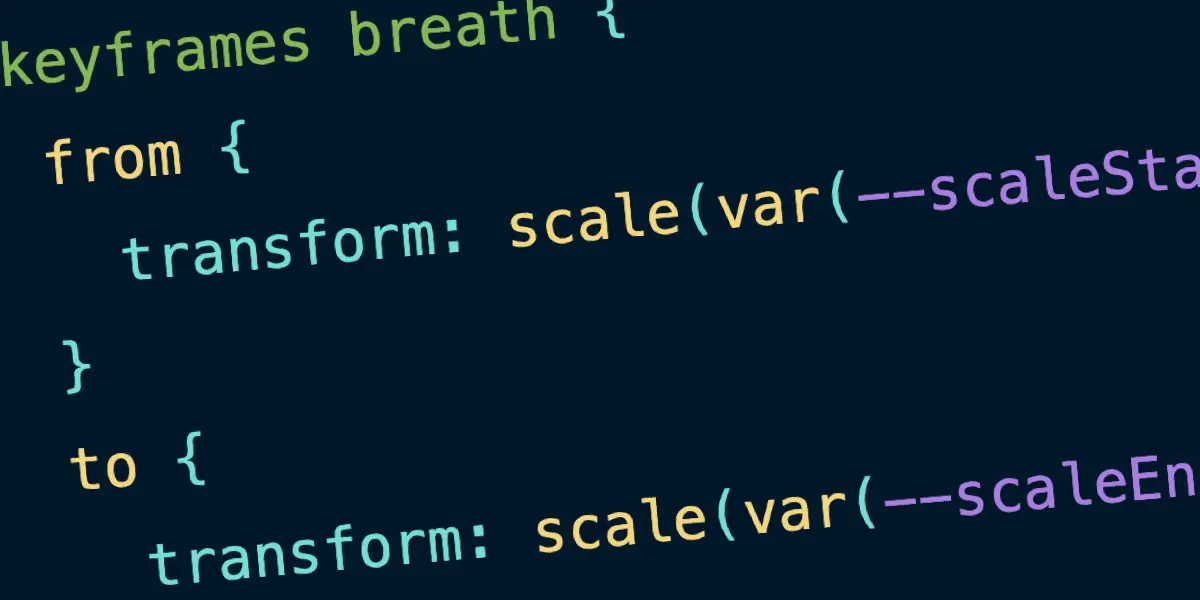
Web developers have long sought simpler ways to display code blocks on their sites without the burden of complex markup, nested spans, heavy classes, and bloated JavaScript libraries. Now, a new solution courtesy of developer Dave—widely known in the community as Uncle Dave—promises to change how syntax highlighting is handled on the web. The newly introduced tool, called MicroLighter, bypasses traditional heavy DOM manipulation by leaning heavily into modern CSS capabilities, specifically utilizing the emerging power of the CSS Custom Highlight API.
For years, displaying code snippets cleanly on a website meant relying on robust JavaScript libraries like Prism.js or similar tools. While these legacy solutions have proven reliable, battle-tested, and capable of supporting a vast number of programming languages, they inevitably introduce external dependencies and require parsing and modifying the underlying HTML structure. Chris Coyier and the team at CSS-Tricks famously implemented a custom WordPress block years ago that plugged directly into Prism.js to handle syntax highlighting. While Prism served that purpose well, the landscape of web standards has shifted significantly, opening the door for native browser features to take over heavy lifting previously reserved for JavaScript frameworks.
MicroLighter approaches the problem from a fundamentally different angle. Instead of injecting spans and classes throughout a code block’s markup, it relies on straight-up CSS paired with the ::highlight() pseudo-element. This API has reached Baseline status, meaning it enjoys broad, interoperable support across modern web browsers. By utilizing the Custom Highlight API, the markup required to display a code block becomes refreshingly minimal. A standard implementation requires nothing more than a basic pre and code element structure, freeing developers from complicated nested HTML generated by syntax parsers.
Despite its lightweight nature, MicroLighter manages to accomplish every essential requirement needed for a publication like CSS-Tricks, including themes, line numbers, multiple language support, and semantic markup, all while shedding the heavy dependencies usually relied upon for such features. This does not imply that JavaScript is entirely absent from the equation, but rather that significantly less of it is required to achieve the desired outcome.
Because the tool leans so heavily into modern CSS, it natively brings features like the light-dark() color function and CSS custom properties along for the ride. This architectural choice makes rolling a custom theme entirely straightforward and manageable directly within stylesheets. Developers can define syntax color schemes using intuitive variables for backgrounds, foregrounds, comments, keywords, operators, strings, constants, functions, types, variables, properties, tags, selectors, and inserted or deleted code lines, ensuring seamless adaptation to both light and dark viewing modes without writing custom JavaScript logic to toggle themes.
Furthermore, the architecture of MicroLighter is designed to be exceptionally modular. Developers are not forced to import a monolithic package containing features they do not need. Instead, components can be snagbed a la carte, allowing teams to pull in specific themes, load only the exact programming languages required for their specific use case, add line numbers optionally, or utilize a web component wrapper if they prefer custom element integration. This flexibility bridges the interval between minimalist design and robust feature sets.
The philosophy behind MicroLighter echoes other recent creative experiments in the web development ecosystem, such as specialized web fonts designed with built-in syntax highlighting capabilities that handle visual styling at the font glyph level without additional markup or script overhead. Developers who have experimented with these alternative approaches have noted how freeing it is to manage visual presentation through native browser styling primitives rather than intricate client-side scripts.
Following initial evaluations, the integration of MicroLighter into production environments has yielded measurable benefits regarding asset size and performance overhead. Transitioning from traditional tools like Prism.js to MicroLighter demonstrates a noticeable reduction in payload size. Where legacy libraries often hover around larger footprints in their raw and gzipped states, MicroLighter scales down significantly, even when factoring in custom platform-specific modifications and WordPress integrations required to bake the tool directly into content management workflows.
As modern CSS specifications continue to evolve and gain widespread browser support, tools like MicroLighter highlight a broader industry trend toward reducing reliance on heavy JavaScript abstractions. By delegating text highlighting and styling directly to the browser’s native rendering engine via the Custom Highlight API, developers can deliver faster, cleaner, and more maintainable web pages while retaining all the visual polish expected by readers and technical audiences alike.


Leave a Reply