Fortunately, the genre does not have to restrict itself to dry treatises. While heavy, technical science fiction can be remarkably rewarding for dedicated readers, speculative fiction also offers an abundance of lighter, more adventurous narratives. For readers seeking a healthy dose of humor alongside their futuristic vistas, a robust catalog of entertaining science fiction books exists to grapple with the modern, quirky issues facing humanity in the 21st century.

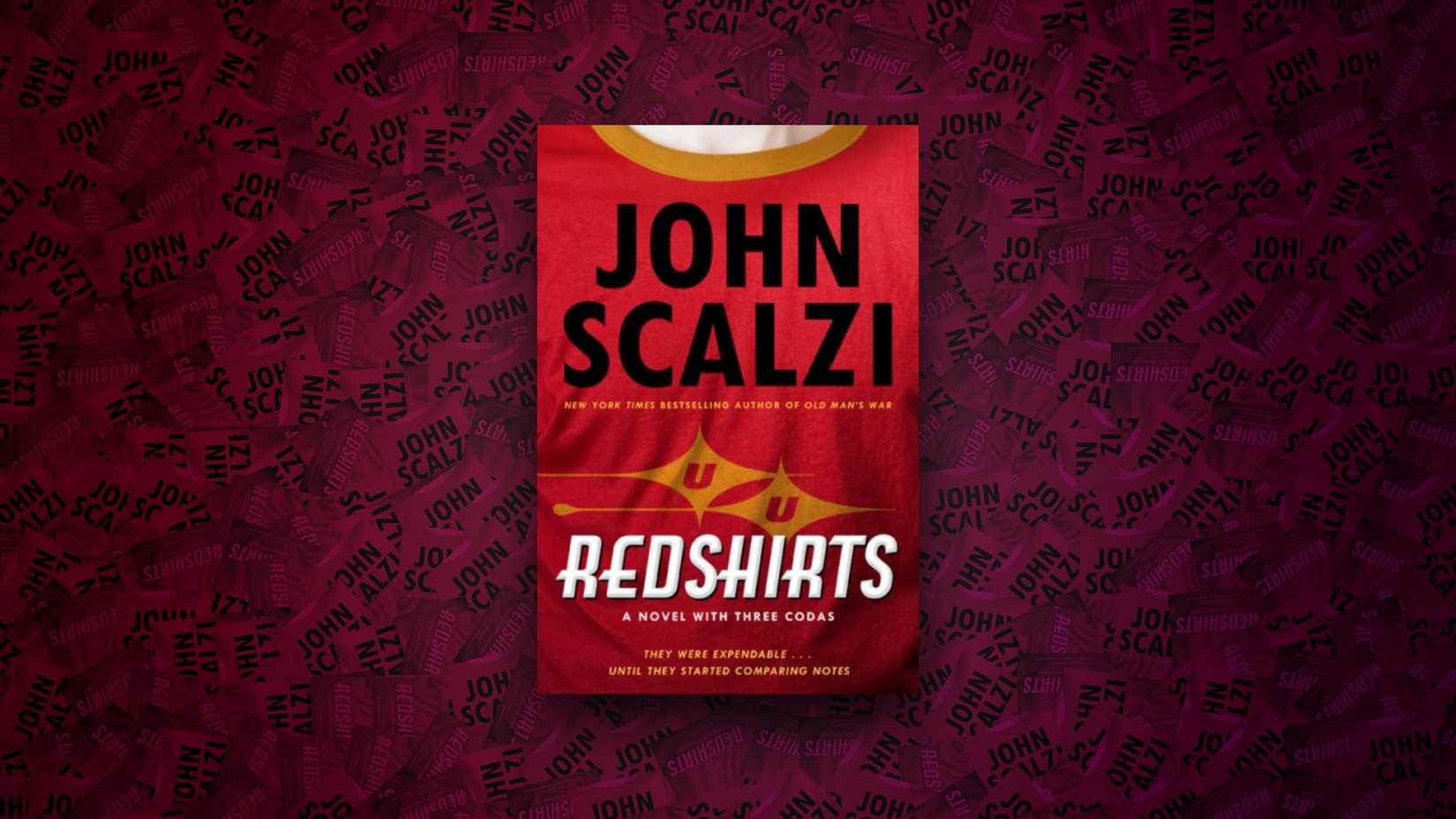
Redshirts by John Scalzi (2012)
John Scalzi has established himself as a master of comedic science fiction, effortlessly shifting between zany, high-concept novels like Starter Villain and the witty, satirical short stories that inspired episodes of the Netflix animated anthology series Love, Death & Robots. Fans of television shows like Star Trek: Lower Decks will find an immediate kindred spirit in Scalzi’s Hugo Award-winning novel, Redshirts.
The narrative follows a group of junior ensigns stationed aboard a prestigious starship, where they quickly realize that participating in away missions carries an appallingly high mortality rate for anyone outside the main command crew. Things escalate from workplace hazard to existential absurdity when these newly minted crew members begin investigating the bizarre narrative tropes governing their ship’s frequent confrontations with aggressive alien species. Driven by a desperate need to preserve their own lives, the ensigns embark on a mission to uncover the fundamental rules of their universe and find a way to rewrite their predetermined fates.

The Long Way to a Small, Angry Planet by Becky Chambers (2014)
Eschewing high-stakes political intrigue for intimate character development, Becky Chambers’ debut novel—which was originally self-published before finding widespread critical acclaim—is very much a journey-over-destination story. The book centers on Rosemary Harper, a young woman fleeing a shadowed past on Mars who manages to secure a fresh start by joining the eclectic crew of the Wayfarer.
The ship’s primary function is a gritty, unglamorous one: tunneling wormholes through space to connect distant corners of the galaxy. Aboard the vessel, Rosemary finds herself surrounded by a quirky assortment of human and alien crewmates, ranging from a multi-eyed navigator to a synthetic intelligence trying to understand what it means to be alive. As they navigate the vastness of space, Chambers crafts a sweet, comforting narrative about found family, mutual protection, and cultural understanding. The cozy, character-driven atmosphere makes the novel an ideal read for enthusiasts of classic television ensembles like Firefly or Farscape.
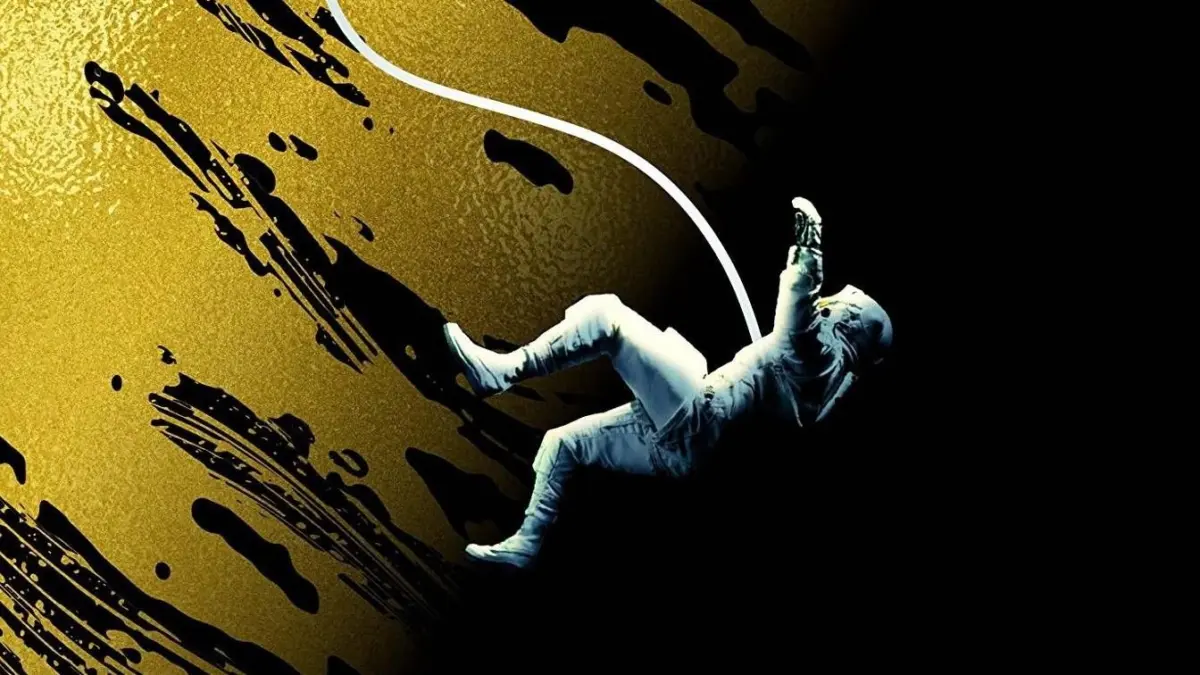
Artificial Condition by Martha Wells (2018)
Martha Wells’ celebrated Murderbot Diaries series offers a hilarious and cynical perspective on the future through the eyes of its protagonist: a rogue, self-hacking cyborg security unit that would rather spend its time quietly streaming endless soap operas than protecting vulnerable, helpless humans. While Murderbot’s internal monologue is consistently entertaining throughout the series, the second installment, Artificial Condition, stands out as a particular high point.
In this volume, Murderbot finds the ultimate comedic foil in an advanced, overly enthusiastic transport ship artificial intelligence that dubs itself "Asshole Research Transport," or ART for short. As Murderbot endeavors to piece together the fragments of its forgotten past, it is forced to endure the unsolicited friendship of a vessel that insists on sharing television time and analyzing emotional states. The dynamic provides plenty of dry humor, making Artificial Condition a vital read for fans anticipating further screen adaptations in the franchise.

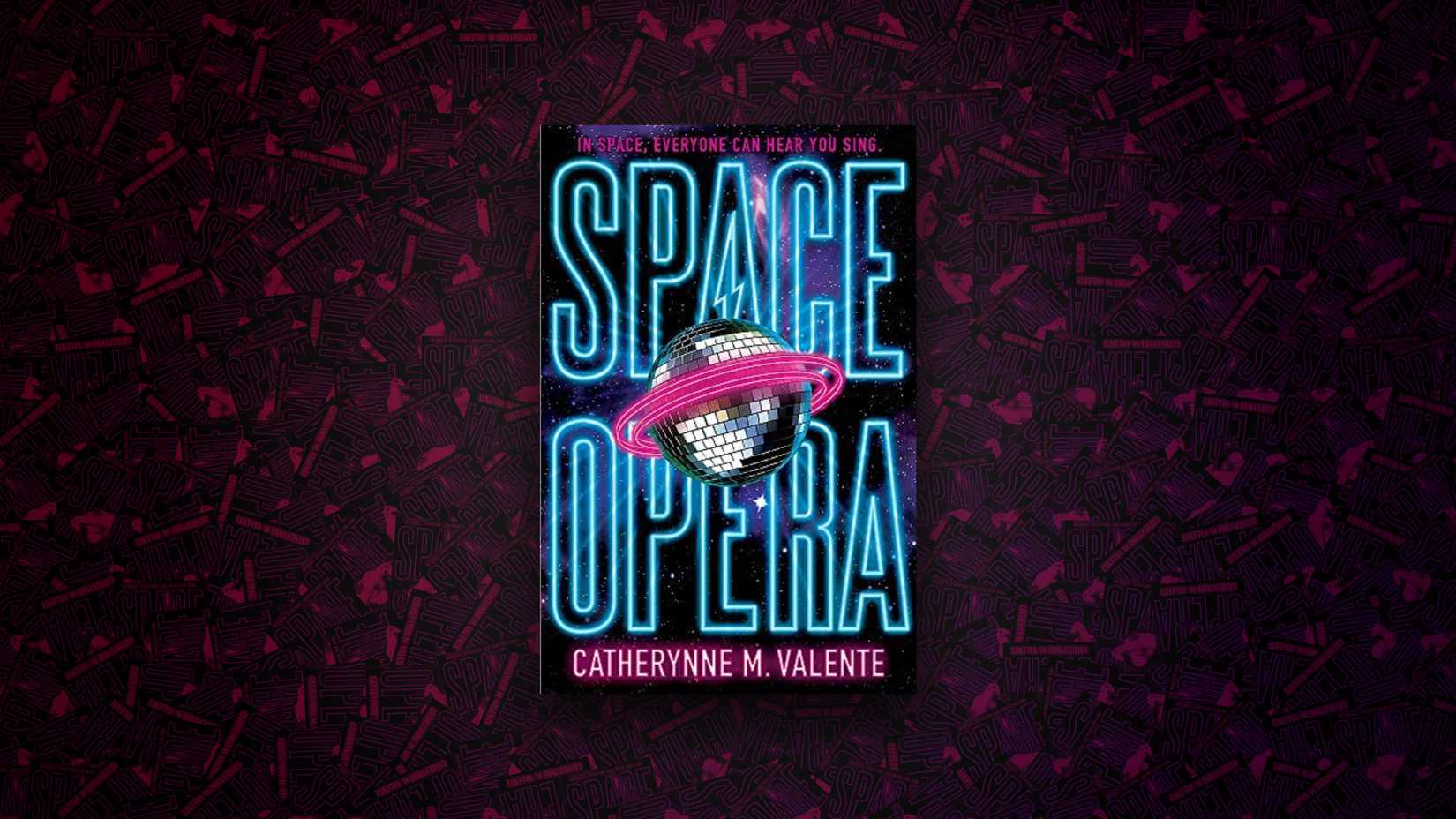
Space Opera by Catherynne M. Valente (2018)
Taking the subgenre name quite literally, Catherynne M. Valente’s absurdist novel introduces a universe where humanity’s continued survival depends entirely on a high-stakes, interstellar reality television event. In this vividly imagined future, newly spacefaring civilizations must prove their sentient worth by competing in the Metagalactic Grand Prix, a cosmic, multi-species music competition heavily reminiscent of the Eurovision Song Contest.
Overflowing with over-the-top humor and stylistic flair, Space Opera operates essentially as a glam-rock tribute to The Hitchhiker’s Guide to the Galaxy. The burden of proof falls upon Decibel Jones and the Absolute Zeroes, a washed-up, has-been earthly band. To prevent the complete eradication of the human species, the reluctant musicians must take the stage and demonstrate through song that humanity possesses true consciousness and artistic soul, or face total annihilation if they finish in last place.

Chilling Effect by Valerie Valdes (2019)
Space operas frequently lean on the trope of the oddball crew, but few ensembles match the eccentricities found aboard the starship La Sirena Negra. The narrative centers on Eva Innocente, a foul-mouthed, fiercely protective captain whose primary objective is tracking down and rescuing her kidnapped sister. To achieve this, Eva is forced to deceive her loyal crew about the true nature of their contracts, leading them straight into a series of increasingly hazardous jobs to scrape together the exorbitant ransom.
Along the way, the crew must contend with a variety of bizarre obstacles, including psychic cats and the relentlessly unwanted romantic attention of an eccentric alien emperor. Valdes weaves sharp pop-culture commentary and playful nods to video game tropes throughout the narrative, grounding the cosmic chaos in a deeply human, chaotic family dynamic.
Gideon the Ninth by Tamsyn Muir (2019)
Tamsyn Muir’s science fantasy novel Gideon the Ninth introduces a universe where gothic aesthetics, necromancy, and interstellar imperialism collide. Although the story functions primarily as a bloody, locked-room murder mystery, the titular protagonist’s unrelenting snark and irreverent humor prevent the proceedings from ever feeling weighed down by their own darkness.
Gideon is an indentured warrior tasked with an unwelcome duty: acting as the bodyguard and reluctant companion to Harrowhark Nonagesimus, a brilliant and hostile necromancer. The pair travels to a crumbling, archaic palace where the heirs of the empire’s great necromantic houses must compete in a series of deadly trials to attain supreme immortality. Adorned in skull makeup and aviator sunglasses, Gideon spends much of her time exasperating Harrow, yet the two must forge a fragile alliance if they hope to survive the trials and unmask the entity systematically eliminating their rival competitors.

Project Hail Mary by Andy Weir (2021)
Andy Weir’s breakout debut novel, The Martian, proved that hard science fiction could be remarkably lighthearted, even when structured around a lone astronaut struggling against starvation on a desolate planet. Weir followed up that success with Project Hail Mary, applying his signature brand of dry wit, problem-solving protagonists, and accessible explanations of complex scientific principles to an interplanetary buddy comedy.
The story follows Ryland Grace, a former molecular biologist and middle school science teacher who wakes up from an induced coma aboard a spaceship orbiting a distant star. Suffering from severe amnesia, Grace gradually realizes he is the sole surviving member of a desperate interstellar mission designed to save Earth’s sun from being consumed by an alien microbe known as astrophage. Fortunately, Grace is not entirely alone in the void; he soon encounters an unlikely and endearing alien ally who is on a parallel mission to save his own dying civilization.

Dungeon Crawler Carl by Matt Dinniman (2024)
Matt Dinniman helped propel the "LitRPG" subgenre into broader mainstream awareness with his self-published series Dungeon Crawler Carl, which received a formal commercial release. Blending science fiction and high fantasy tropes, the narrative follows Carl, an ordinary Coast Guard veteran who is forced to navigate the end of the world after Earth is suddenly repurposed into a subterranean obstacle course by an opportunistic alien corporation.
Accompanied only by his ex-girlfriend’s prized Persian show cat, Princess Donut, Carl is thrust into a broadcasted reality television show where participants must defeat monsters, collect loot, and level up to survive. The chaotic dynamic between Carl and the increasingly articulate feline provides a steady stream of dark comedy, as the duo must rapidly adapt to absurd rules, appease a capricious artificial intelligence, and win over a galaxy of fickle viewers.