
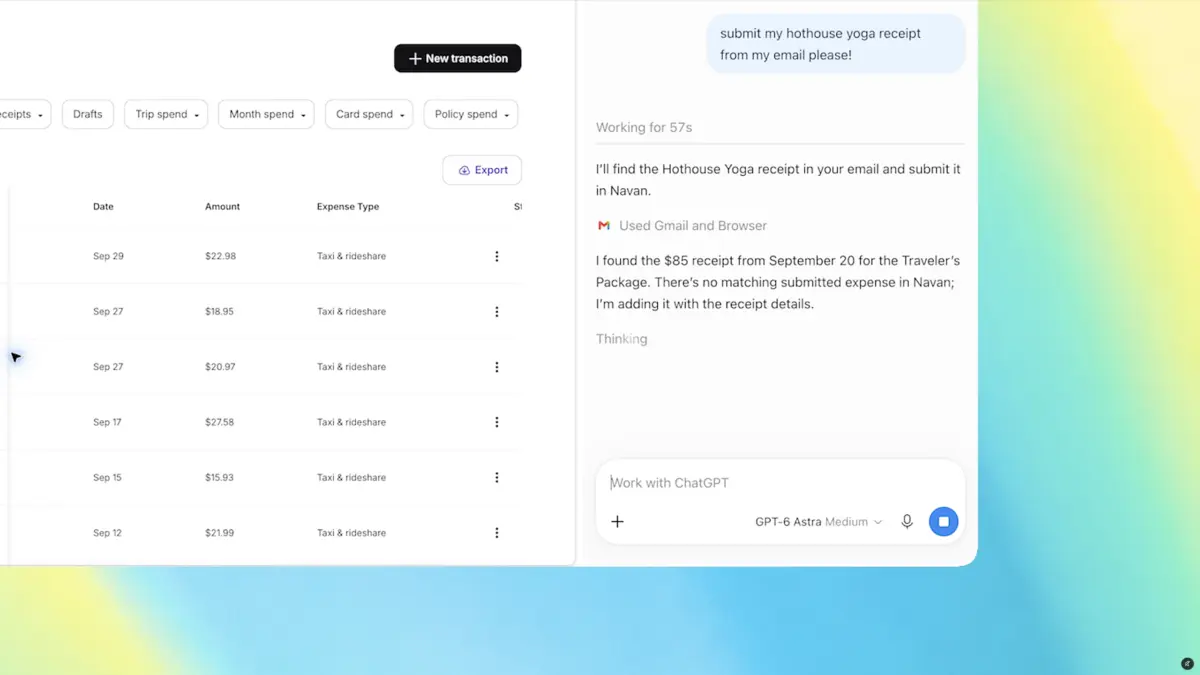
According to announcements from OpenAI, the updated Chrome extension allows ChatGPT to view, analyze, and manage the web pages a user currently has open. To activate this capability, users simply need to tag Chrome within the ChatGPT web interface or its dedicated desktop application. OpenAI demonstrated this functionality through a recently released video showcasing a user asking the AI to compare three different open tabs featuring various sofas they were considering for purchase. The AI was able to process the contents of all three tabs simultaneously, weighing factors and providing a cohesive summary without requiring the user to manually copy, paste, or switch between windows.
Beyond basic tab comparison, OpenAI has outlined several sample queries that highlight the versatility of the upgraded add-on. These capabilities bridge the gap between static web browsing and active research, allowing users to leverage the conversational engine of ChatGPT as an active co-pilot during intensive online tasks. Whether a user is conducting academic research, planning a complex travel itinerary, or shopping across multiple e-commerce platforms, the integration aims to streamline the flow of information by giving the AI contextual awareness of the user’s active browsing session.

The update extends far beyond simple tab viewing by revamping ChatGPT in the browser sidebar as well. This refreshed sidebar now delivers the full power of ChatGPT, complete with a user’s entire conversation history across both standard chat threads and the specialized "Work" mode. This integration means users can access advanced reasoning, drafting tools, and historical context without ever leaving the specific web page they are currently viewing, eliminating the friction of navigating to a separate tab or application window.
Furthermore, the updated extension introduces advanced operational capabilities through ChatGPT Work. The AI can now actively control a user’s Chrome tabs to execute tasks that typically require manual intervention, such as sending messages, filling out online forms, or downloading files. This functionality bears a strong resemblance to Google’s own Gemini-powered "auto browse" feature, highlighting an escalating race among major tech companies to embed autonomous AI agents directly into web browsers to automate tedious digital chores. In addition to handling administrative tasks, the updated system can intelligently organize and group open tabs, helping users manage digital clutter as their research expands.
The pivot toward enhancing the Chrome extension rather than maintaining a separate web browser underscores the immense market share and entrenched user base Google Chrome continues to command. While OpenAI previously explored standalone browser territory with projects like ChatGPT Atlas, integrating directly into Chrome allows the company to reach millions of existing users right where they already browse, shop, and work. As competition intensifies between OpenAI, Google, and other technology giants in the realm of browser-based artificial intelligence assistants, these latest updates signal that the future of web navigation is increasingly collaborative, automated, and context-aware.



Leave a Reply