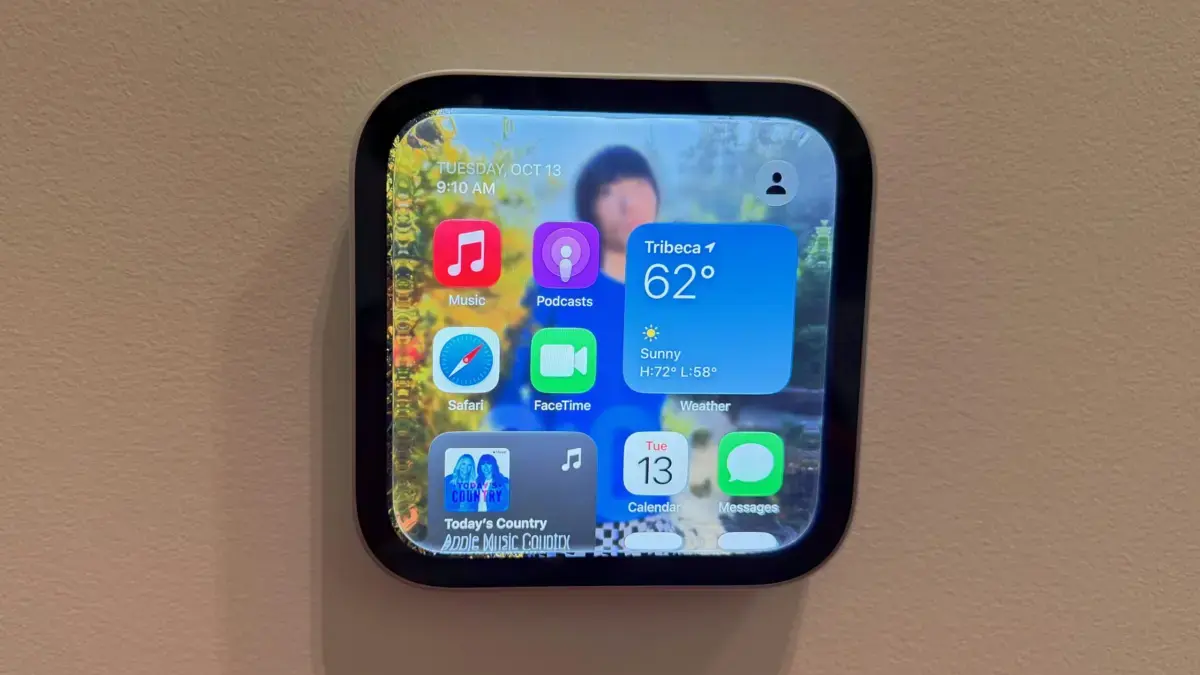
The discovery, which surfaced over the weekend, highlights code flags and backend structures that point to a potential shift in how third-party and native services operate on Apple’s dedicated home management hardware. While the software strings themselves do not explicitly name specific corporate partners or standalone artificial intelligence providers, industry observers and developers analyzing the beta package note that the category naturally accommodates major conversational models. Given Apple’s recent strategic push into generative intelligence and its existing platform integrations, third-party AI chatbots such as OpenAI’s ChatGPT and Anthropic’s Claude are widely considered prime candidates to eventually utilize this framework once the feature moves from backend code to public implementation.
Beyond the broad "Conversational Apps" flag, the iOS 27.3 beta code reveals technical underpinnings designed to support complex, voice-driven and interactive exchanges. According to software analysts tracking the update, the preview build also introduces support for bidirectional audio routing and advanced session management protocols. However, these specific audio handling components are reportedly still works in progress, with code indicators suggesting they are not yet fully wired up or active for everyday testing. The presence of bidirectional audio routing hints strongly at real-time, low-latency voice interactions—capabilities essential for fluid, conversational AI applications where users speak and listen continuously without awkward pauses or rigid command structures.

In tandem with these potential conversational upgrades, the iOS 27.3 beta introduces enhanced security measures aimed at protecting smart home hubs from unauthorized access and physical spoofing attempts. The newly implemented anti-spoofing protection protocol adds layers of verification, specifically requiring a user to authenticate their identity using a paired iPhone after a designated number of failed entry attempts. According to early findings from the beta build, the system triggers this mandatory iPhone authentication requirement after three consecutive failed attempts.
Should authentication continue to fail or if unauthorized access is repeatedly attempted, the system incorporates a progressive lockout mechanism designed to deter intruders. The lockout penalties scale upward incrementally, starting with a mandatory one-hour waiting period following the second lockout phase. For subsequent violations, the security protocol extends the lockout window significantly, eventually climbing to an eight-hour suspension period by the fourth tier. These robust security additions underline Apple’s ongoing emphasis on privacy and physical security, particularly as smart home hubs gain more autonomy and handle increasingly sensitive personal data.
As is customary with early developer builds and unannounced software flags, Apple has not yet officially acknowledged or discussed the "Conversational Apps" framework, the underlying bidirectional audio routing capabilities, or the updated anti-spoofing lockout tiers. Because features discovered in beta code are frequently experimental, subject to internal redesign, or occasionally abandoned entirely before reaching a public release, there is currently no official timeline or confirmation regarding when these capabilities might roll out to consumers.