
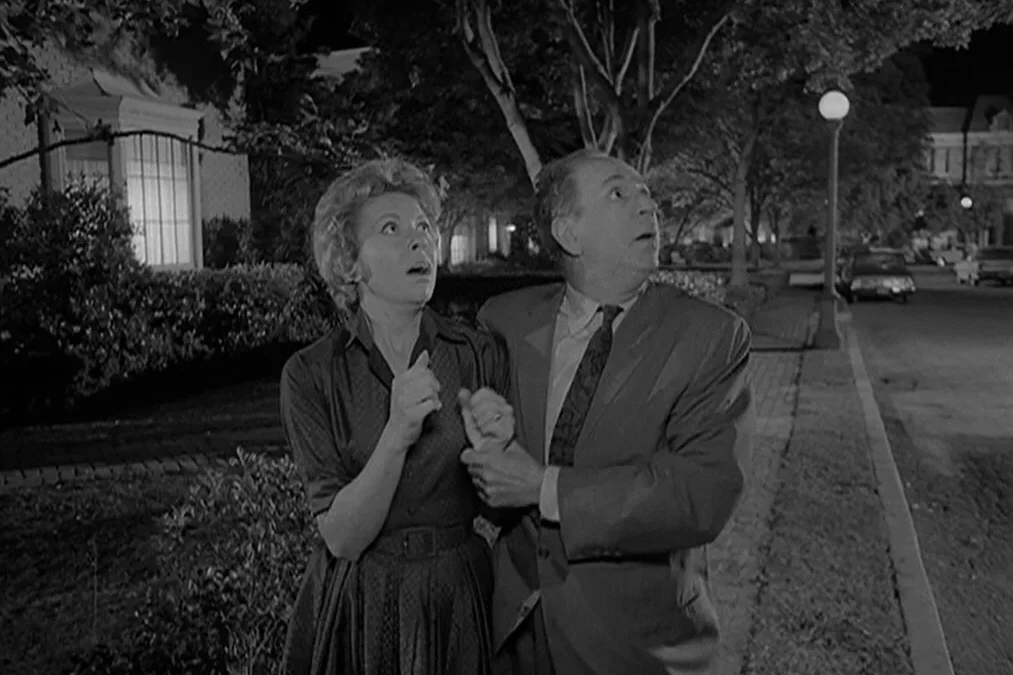
When television audiences tuned in to watch The Twilight Zone during its original 1959-to-1965 run, they expected to be transported into a realm of the shadow, populated by outer-space entities, malevolent spirits, and uncanny transformations. Yet, some of the most enduring and terrifying installments of creator Rod Serling’s legendary anthology series discarded the supernatural entirely, opting instead to examine the dark, unyielding complexities of the human heart.
While the show is undeniably a product of its era—marked by mid-century aesthetic choices, broadcast standards of the late 1950s and early 1960s, and creature and special effects that appear decidedly quaint by contemporary standards—its psychological core has refused to age. Long after the technological markers of its production have faded into historical curiosity, the underlying observations about societal pressure, fear, and prejudice remain razor-sharp. A prime example of this phenomenon is the enduring season 3 episode "The Shelter," which originally debuted on CBS in the fall of 1961, more than six decades ago.
A Quiet Neighborhood Celebration Interrupted
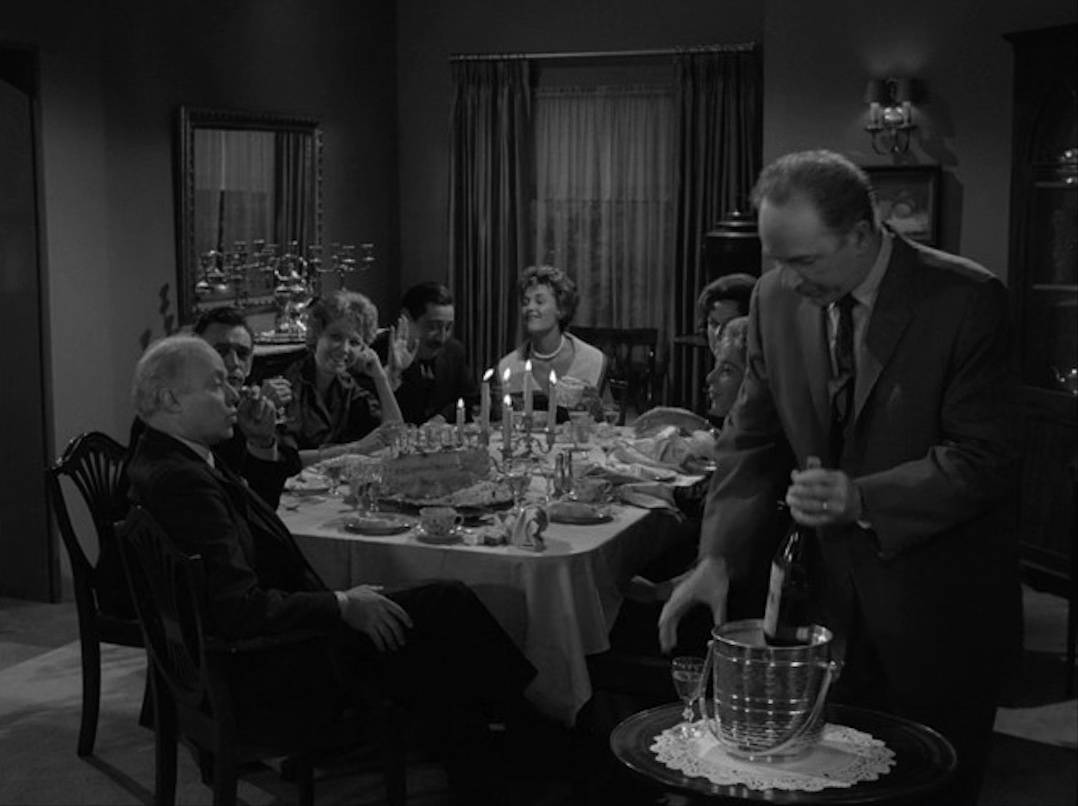
Written entirely by series mastermind Rod Serling, "The Shelter" begins under deceptively peaceful, domestic circumstances. A group of suburban neighbors are gathered together for a warm, cheerful birthday dinner celebrating Dr. Bill Stockton, portrayed by veteran character actor Larry Gates. For years, Dr. Stockton has served as the trusted, reliable family physician for everyone living on the suburban block, earning their deep respect, familiarity, and affection.
The pleasantries of the evening, however, are abruptly shattered by a routine television or radio broadcast. An urgent emergency announcement breaks into the atmosphere, warning that unidentified objects have been detected in the skies nearby. The bulletin delivers a chilling message: a nuclear attack may be imminent, and citizens are instructed to immediately seek refuge in their basements or personal bomb shelters.
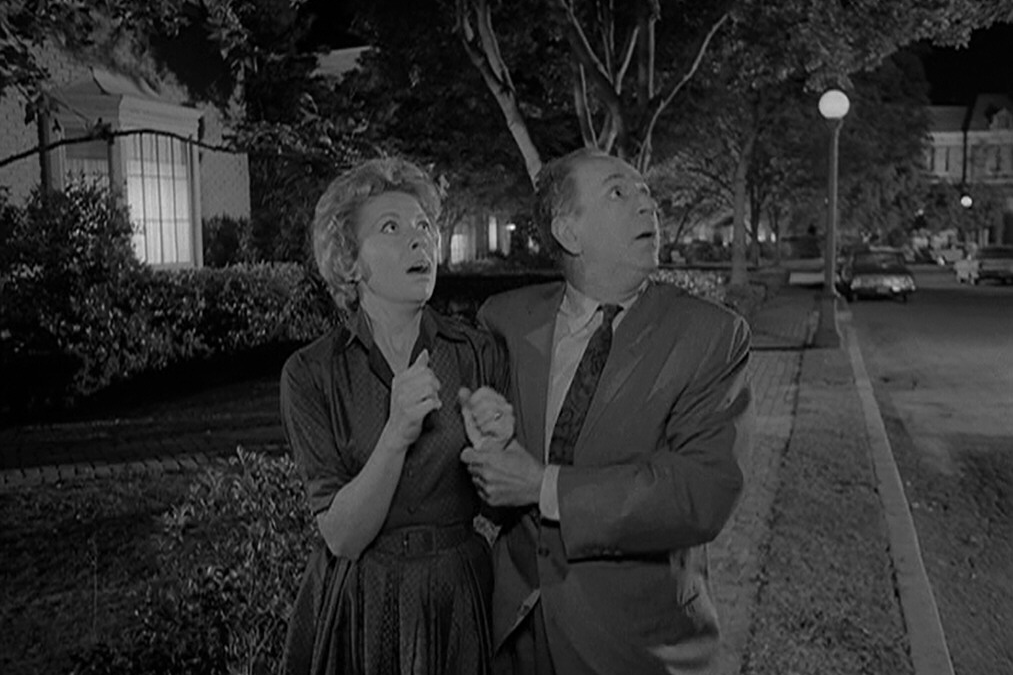
As panic instantly replaces neighborly cordiality, a harsh reality sets in. Among the gathered group of friends, acquaintances, and family members, Dr. Stockton is the only individual who has prepared for the unthinkable. He is the sole homeowner on the block who took the warnings of the era seriously enough to construct a private bomb shelter on his property. It is an amenity that his neighbors had previously mocked and teased him about, even poking lighthearted fun at his expense during the very birthday dinner they had just been sharing.
Stockton, however, had quietly built the underground sanctuary strictly for himself, his wife, and his child, designing the space with exact dimensions that allowed for no additional occupants or extra provisions. When his terrified neighbors frantically plead to be let inside the sanctuary to escape the perceived impending doom, the doctor finds himself facing an impossible moral dilemma. Apologetically, but firmly, he refuses their desperate requests and locks the heavy steel door, sealing himself and his family away from the outside world.
The Rapid Erosion of Civil Society
Outside the locked metal door of the shelter, the fragile veneer of suburban civilization instantly shatters. Left exposed to the elements and the terrifying possibility of atomic destruction, the group dynamic quickly devolves from reasoned begging into bitter acrimony, suspicion, and outright hostility.
As the argument over who deserves survival rages in the front yard, the underlying prejudices and basest emotions of the neighbors rise forcefully to the surface. The veneer of polite society completely strips away, revealing deep-seated xenophobia and bigotry. In a particularly telling escalation of hostility, one neighbor turns on another, arguing that because a fellow community member was born overseas, he is somehow less deserving of American safety and less entitled to the protection of the shelter than his native-born peers.

The collective hysteria reaches a fever pitch when the neighbors abandon all pretense of neighborly affection and rational discourse. Driven by raw terror and a desperate desire for self-preservation, the mob resolves to secure a nearby community flagpole, using it as a makeshift battering ram to forcefully breach the door of Dr. Stockton’s shelter and take the space by physical force.
Why ‘The Shelter’ Resonates Decades Later
To modern viewers looking back across more than sixty years of television history, the exact historical context of "The Shelter" can easily feel distant. Aired in 1961 at the height of Cold War tensions, the episode reflected a world where American schoolchildren routinely participated in mandatory "duck and cover" nuclear drills, and where building backyard bomb shelters was a tangible, widely discussed response to constant geopolitical anxiety.
With the distinct benefit of historical hindsight, contemporary audiences know that the catastrophic nuclear strikes feared during the Cold War did not materialize in the way the characters anticipated. In that strict sense, the specific nuclear paranoia of the episode is undeniably a historical artifact. Yet, much like the greatest triumphs of Rod Serling’s writing career, what the episode appears to be about on the surface is not truly its ultimate subject matter.
The most poignant and enduring message woven into "The Shelter" does not concern the political anxieties of the bygone Red Scare; rather, it focuses entirely on the persistent flaws of human nature. At the start of the narrative, Dr. Stockton is warmly embraced as a cherished friend, a valued community fixture, and a trusted healer. By the conclusion of the evening, those same individuals are hurling vicious insults and attempting to break down his door, enraged simply because he cannot accommodate them in a space they already know is physically incapable of holding them all.
In this regard, "The Shelter" remains as urgently relevant today as it was on the night it first broadcast. Even if contemporary viewers cannot directly relate to the specific atmospheric terror of a 1960s nuclear standoff, the broader spectacles of social breakdown, tribalism, and knee-jerk bigotry continue to flash across daily news cycles.
Ultimately, the reason The Twilight Zone continues to endure across generations is that Serling and his collaborators understood that the most compelling storytelling does not rely solely on alien invaders, menacing creatures, or technological marvels. Instead, the anthology’s greatest power lay in holding up an unflinching mirror to human behavior—a subject that remains timeless.
The Twilight Zone is free to stream on Pluto TV.


Leave a Reply