
By Maria Loreto
Published Sep 22, 2026, 1:00 AM EDT
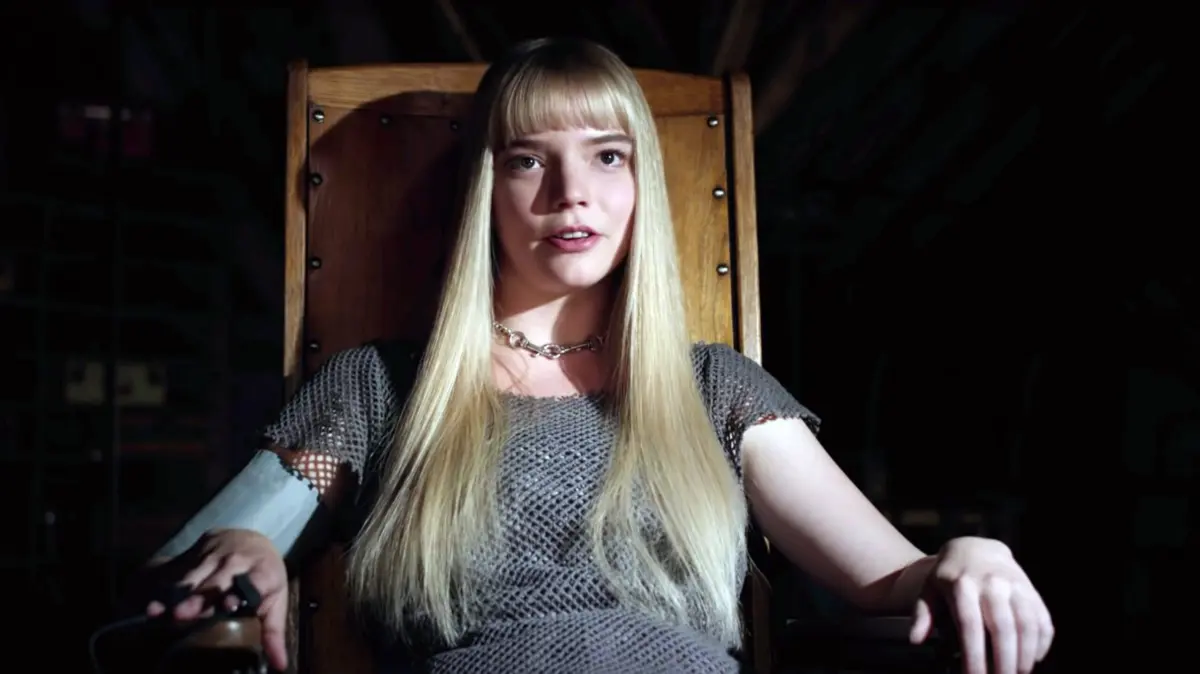
Over the past decade, Anya Taylor-Joy has firmly established herself as one of her generation’s leading and most versatile actors. Now at age 30, she has built an impressive and diverse career spanning both film and television, seamlessly transitioning from major studio franchises like The Super Mario Bros. Movie and Mad Max: Fury Road to acclaimed prestige television, winning a Golden Globe for her mesmerising performance in Netflix’s chess phenomenon The Queen’s Gambit. Her momentum continues to build unabated; this year, she starred in the Apple TV series Lucky and is set to appear in Denis Villeneuve’s highly anticipated sci-fi epic Dune: Part Three.
Today, Taylor-Joy comfortably embodies the elusive modern movie-star label, a status built on a unique screen presence and daring project choices. Yet, this trajectory all began with a career-defining breakout role that fundamentally turned the traditional horror "final girl" trope on its head—introducing audiences to a young heroine who survives not by fighting back or destroying the monster, but by ultimately giving in.

Robert Eggers’ feature directorial debut, The Witch, premiered in 2015, serving as an immediate calling card for Taylor-Joy as a rising talent and establishing Eggers as a visionary filmmaker to watch. It also turned Black Phillip, the sinister family goat, into a contemporary horror icon almost overnight. More than ten years later, the film remains just as invigorating, atmospheric, and deeply unsettling as it was upon its initial release. For fans looking to revisit the modern classic—or discover it for the first time—the film is currently streaming on Netflix, though it is slated to leave the platform on Oct. 1, leaving viewers with only a matter of days to watch it before it departs.
What is The Witch About?
Set in 1630s New England, The Witch unfolds against the backdrop of a devout, deeply isolated Puritan family. This was an era when witches, dark myths, and folklore quietly stood at the very root of most people’s everyday fears, inextricably tied to their understanding of survival and morality. Following a formal exile from their religious community due to a theological dispute with the church leadership, a family of seven is forced to relocate to the stark, unforgiving outskirts of society. Their new homestead sits mere feet away from dark, unmapped, and menacing woods.
The film is meticulously steeped in its historical setting, immersing the audience in an environment where characters speak a dense, authentic form of archaic English. Religion functions as the absolute center of their daily lives, dictating their labor, their fears, and their interpersonal dynamics. While this commitment to historical realism can occasionally present a challenging watch for modern viewers accustomed to fast-paced genre fare, The Witch ultimately tells a stark, timeless story about a fragile family unit hitting its absolute breaking point under the weight of isolation and paranoia.

With their farm failing, animals no longer available to hunt, and their crops rotting in the dirt, the patriarch William (played by Ralph Ineson) and his grief-stricken wife Katherine (Kate Dickie) find themselves pushed to the brink of desperation. They spend their dwindling days bitterly arguing in their cramped, dimly lit cabin, implicitly blaming one another for every misfortune that befalls their household. Meanwhile, their younger children absorb this suffocating tension—perhaps influenced by the quiet, devilish whispers of Black Phillip—and begin acting out in erratic ways that further strain the family’s fragile stability.
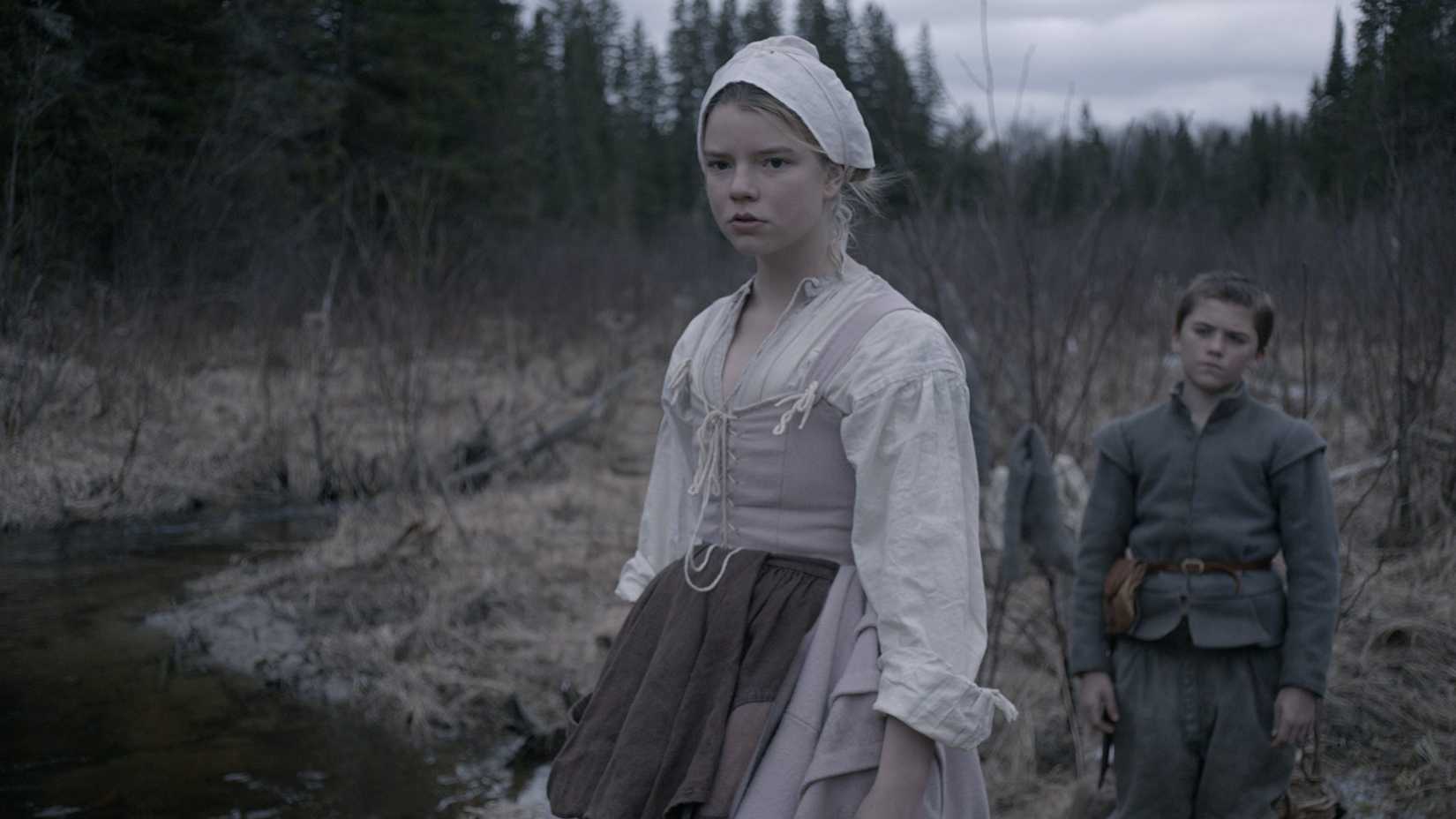
The situation boils over into irrevocable catastrophe when the family’s newborn infant, Samuel, mysteriously disappears into the treeline while under the watch of their eldest daughter, Thomasin, played by Anya Taylor-Joy. What follows is a haunting, psychological, and violently tragic unraveling of a family tearing itself apart from the inside out.
Living Deliciously
As paranoia takes root, Thomasin quickly becomes her family’s primary scapegoat. Blamed directly by her grieving parents for the inexplicable loss of baby Samuel, she absorbs the dark projections of every member of her household. Katherine, consumed by a consuming maternal grief and religious zealotry, begins to view her daughter’s maturing, developing body as a vessel for the devil’s work. Her younger brother Caleb, played by Harvey Scrimshaw, finds himself drawn to Thomasin out of profound loneliness mixed with a newly awakened adolescent sexuality, further complicating their domestic dynamic. The younger twin siblings use their overactive imaginations to openly accuse her of witchcraft, while her father William—despite his outward displays of strict devotion—ultimately fails to protect her, setting her up to take the blame for a silver cup he secretly sold behind his wife’s back.
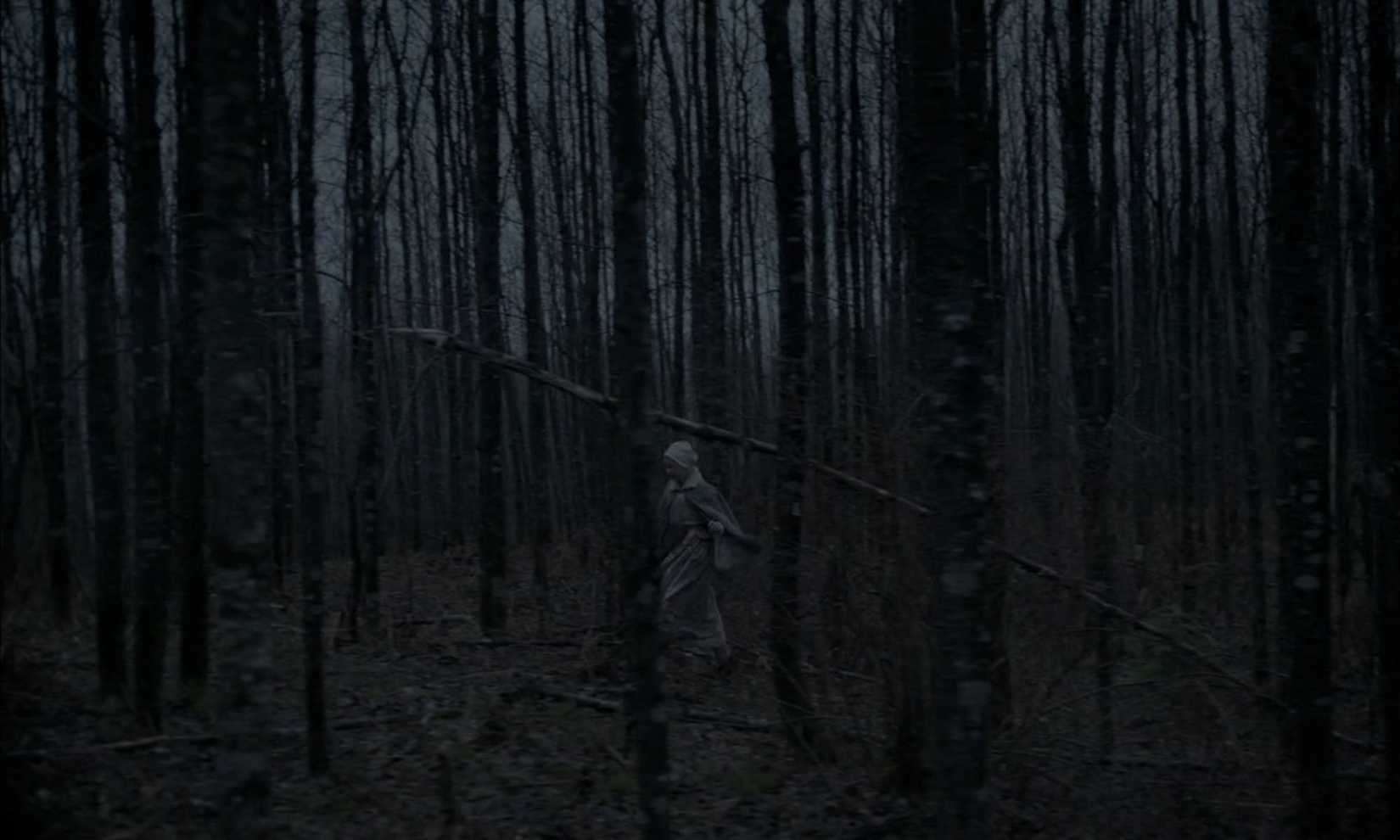
When the imposing, brooding goat Black Phillip finally reveals his true demonic nature to Thomasin, she finds herself utterly abandoned by her family and society, with nothing left to lose. In the context of her grim reality, the supernatural encounter arrives almost as a profound relief.
The film’s climactic line, "Wouldst thou like to live deliciously?", remains iconic and deeply chilling, owing not only to the hypnotic tone and pitch delivered by voice actor Daniel Malik, but also because it represents Thomasin’s first and only genuine offer to let go of her miserable earthly suffering. In that fateful moment, she signs the dark book, sheds her restrictive Puritan garments, and walks naked into the very woods that have terrorized and consumed her family since the beginning of the narrative.
This haunting conclusion invites numerous interpretations from audiences and critics alike. It can be viewed as a bleak tragedy in which Thomasin ultimately succumbs to the very malevolent force that destroyed her kin. Alternatively, it can be read as a twisted tale of liberation, wherein Thomasin finds a community of like-minded women who were likewise cast out and demonized by a rigid, puritanical society designed to pit them against one another. In standard horror narratives, the traditional final girl survives by outsmarting and defeating absolute evil; in the case of Thomasin, she chooses to embrace it as her only pathway to freedom.
While The Witch served as a monumental cinematic debut for Anya Taylor-Joy, it simultaneously introduced the global film community to Robert Eggers, a director defined by a singular, uncompromising artistic voice. Known for his atmospheric, meticulously researched productions and an obsessive, near-manic attention to historical and period detail, every subsequent film by Eggers has expanded his distinct vision of cinema. From exploring the brutal myths of Viking culture in The Northman—which also marked a successful professional reunion with Taylor-Joy—to his recent, highly anticipated vampire adaptation Nosferatu, Eggers continues to prove that ancient cinematic creatures carry far more terrifying weight than the romanticized anti-heroes popular in modern pop culture.
Eggers is set to return to theaters on Dec. 25 with Werwulf, which stars Aaron Taylor-Johnson as a cursed man navigating the perils of 13th-century England. Whatever grim directions he chooses to take traditional mythologies next, it remains a worthwhile endeavor to look back at where his cinematic journey officially began: with a desperate girl, a mysterious goat, and a fateful choice made at the edge of the woods.
The Witch is streaming on Netflix until Oct. 1.


Leave a Reply