
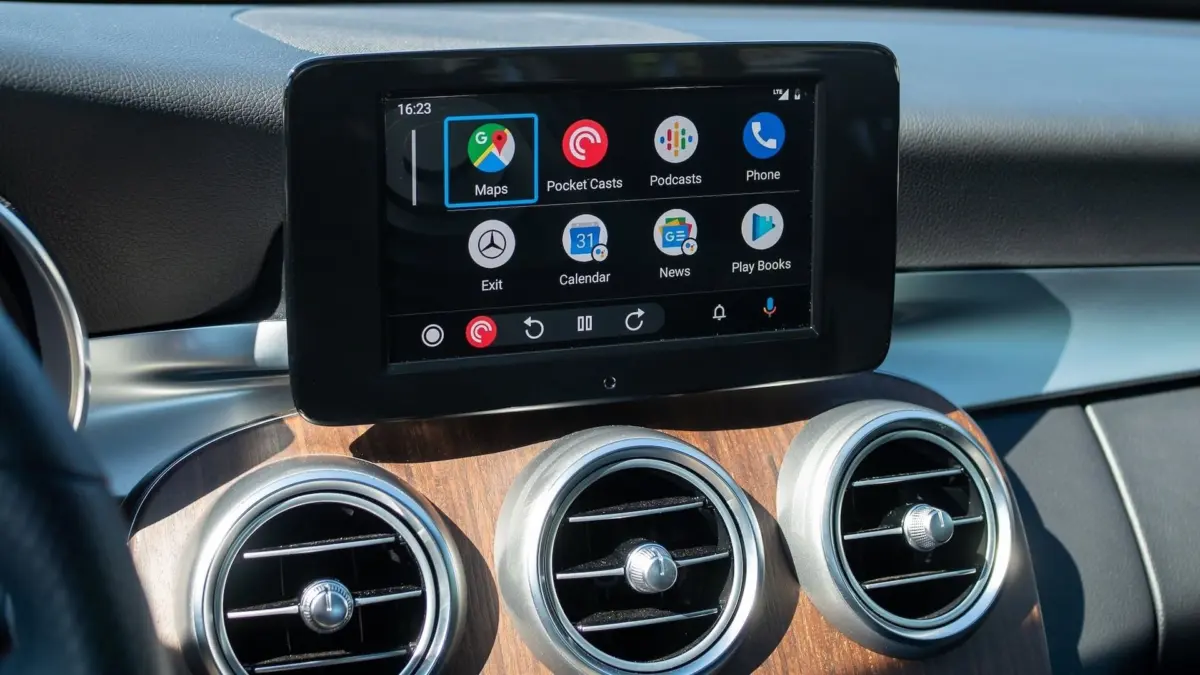
Drivers relying on Android Auto are encountering a frustrating software quirk that appears to tie call failures directly to the physical state of foldable smartphones. Over the past few weeks, a growing wave of user complaints across popular online communities, Reddit, and official OEM support channels has shed light on an unusual issue: certain foldable phone owners cannot successfully initiate phone calls through Android Auto unless their device is physically flipped open.
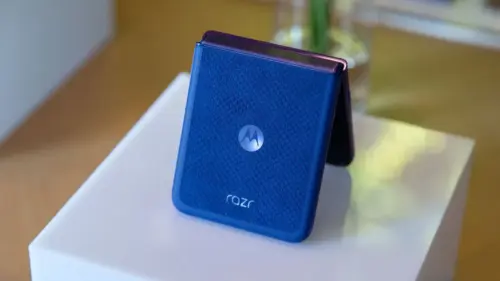
The problem has captured the attention of motorists and tech enthusiasts alike, particularly because it introduces a bizarre physical requirement into an in-car experience designed to minimize distractions. While foldable smartphones like the Motorola Razr series have gained immense popularity for their compact form factors—allowing users to glance at notifications on outer cover screens without unfolding the main display—this latest software friction turns a routine driving command into a cumbersome physical chore.
What You Need to Know About the Foldable Call Bug
User reports detailing the glitch have surfaced across multiple platforms, including Reddit threads and Google’s official support forums. One prominent early report came from an owner of a Motorola Razr Ultra 2025 who took to Reddit to express confusion after realizing that attempting to place hands-free phone calls via Android Auto while the phone remained closed resulted in absolute failure. According to affected users, the system appears to go through the motions of starting a call—pulling up the correct contact card and displaying the correct phone number on the car’s infotainment screen—but ultimately fails to process or transmit the call itself.
Initially, some motorists speculated whether the behavior was an unintended consequence of broader operating system updates, such as Android 16. However, deeper investigation and collective troubleshooting by the community have pointed the finger elsewhere: the increasingly aggressive rollout and integration of Google Gemini.
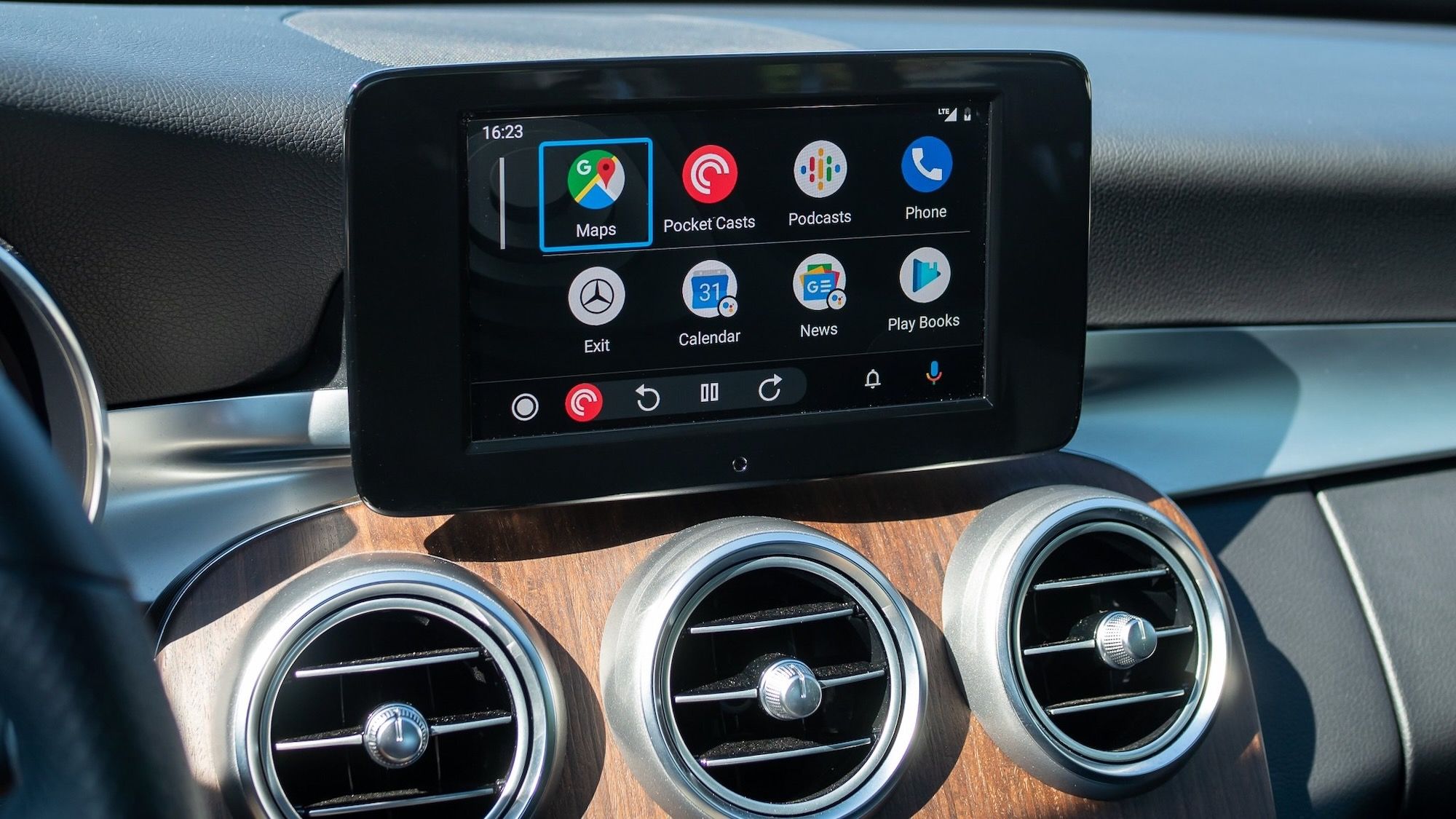
As Google continues to expand Gemini’s presence across its ecosystem as the default assistant, users have noted an uncomfortably close timeline between the assistant’s wider deployment and the emergence of these Android Auto call failures. Further clues emerged when tech-savvy users tested workaround methods. By manually disabling Gemini within their device settings and temporarily reverting to the traditional Google Assistant experience, several motorists discovered that their calling functionality instantly returned to normal. With the older assistant active, calls went through seamlessly regardless of whether the foldable handset was securely closed in a center console or flipped open.
Fortunately, public-facing developer and community monitoring indicates that both Motorola and Google are aware of the situation. Industry observers tracking the forums have noted that representatives from both companies appear to be monitoring the influx of complaints related to Gemini interactions and Razr foldables. While an official patch or dedicated hotfix has not yet been rolled out to the public, the acknowledgement of the issue suggests that engineering teams are actively investigating the underlying software conflict. Until an official update arrives, affected drivers are left waiting for a permanent resolution from Google or Motorola.
Android Auto Woes Continue
This latest glitch is merely the latest chapter in a long-standing history of software turbulence surrounding Android Auto. While millions of drivers rely daily on the platform to bridge the gap between their smartphones and vehicle dashboards, the software has frequently played host to quirky bugs, display glitches, and connectivity hurdles.
Just prior to the unfolding foldable phone issue, owners of newer Google Pixel devices encountered a distinct graphical bug upon connecting their phones to compatible car stereos. In that instance, users reported that plugging in their devices resulted in a blank gray screen dominating the infotainment display, accompanied by frustrating freezing issues that persisted even after Google deployed preliminary software patches.
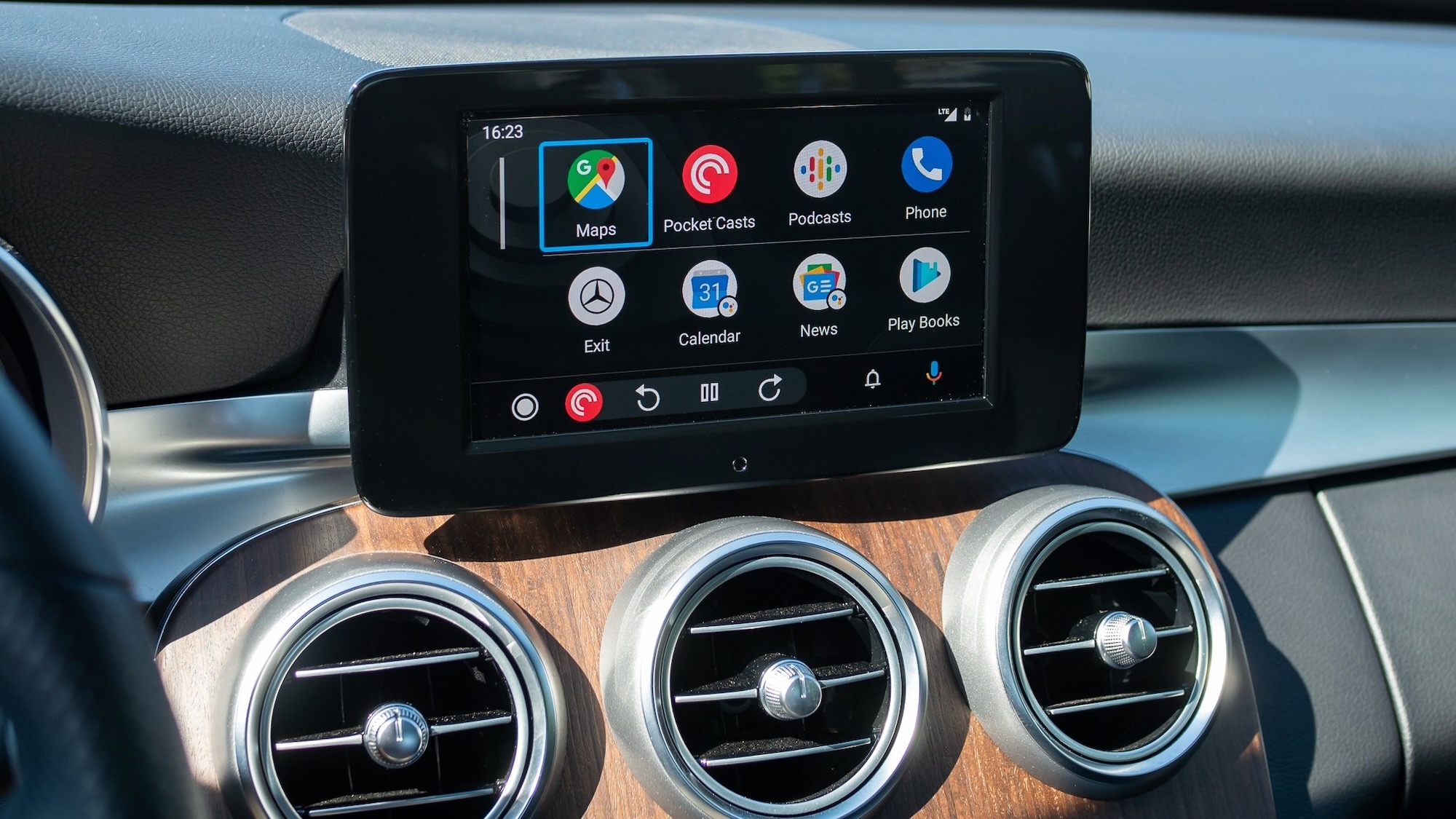
Earlier in the year, Android Auto users faced a different kind of visual annoyance when a version update caused the cellular signal icon to mysteriously vanish from the car display entirely. Despite the missing indicator, core functions such as data connectivity, audio streaming, and turn-by-turn navigation continued to operate normally, but the lack of status feedback caused unnecessary panic among drivers trying to monitor their network coverage on long road trips. That specific UI bug was ultimately traced back to version 16.5 of the Android Auto application, prompting many frustrated motorists to downgrade to an older, more stable release until Google issued a corrective update.
As connected car software grows increasingly complex—juggling variable screen resolutions, diverse hardware form factors like foldables, and advanced artificial intelligence assistants like Gemini—maintaining seamless compatibility across thousands of unique vehicle and smartphone combinations remains a formidable challenge for developers. For now, drivers utilizing foldable devices are advised to keep an eye out for upcoming app updates from Google and Motorola, or temporarily revert to classic assistant settings if hands-free calling from a closed device remains an absolute necessity on the road.

Leave a Reply