The explosive growth of artificial intelligence has triggered a gargantuan surge in energy demand across the United States, placing unprecedented pressure on the nation’s electrical grid. As tech companies rush to build and expand power-hungry data centers to train and run increasingly complex machine learning models, critics warn that the sudden upswell in connections is acting as a severe stress test for America’s aging grid infrastructure.
These mounting pressures have sparked widespread concerns among energy experts, policymakers, and consumers alike. In the short term, analysts worry that the intense energy crunch could lead to surging utility bills for everyday households as regional grids scramble to keep up with wholesale power demands. In the long term, fears persist that the sheer volume of electricity required by modern computing facilities could eventually lead to localized outages, rolling blackowns, and other technical system failures if infrastructure upgrades fail to keep pace.
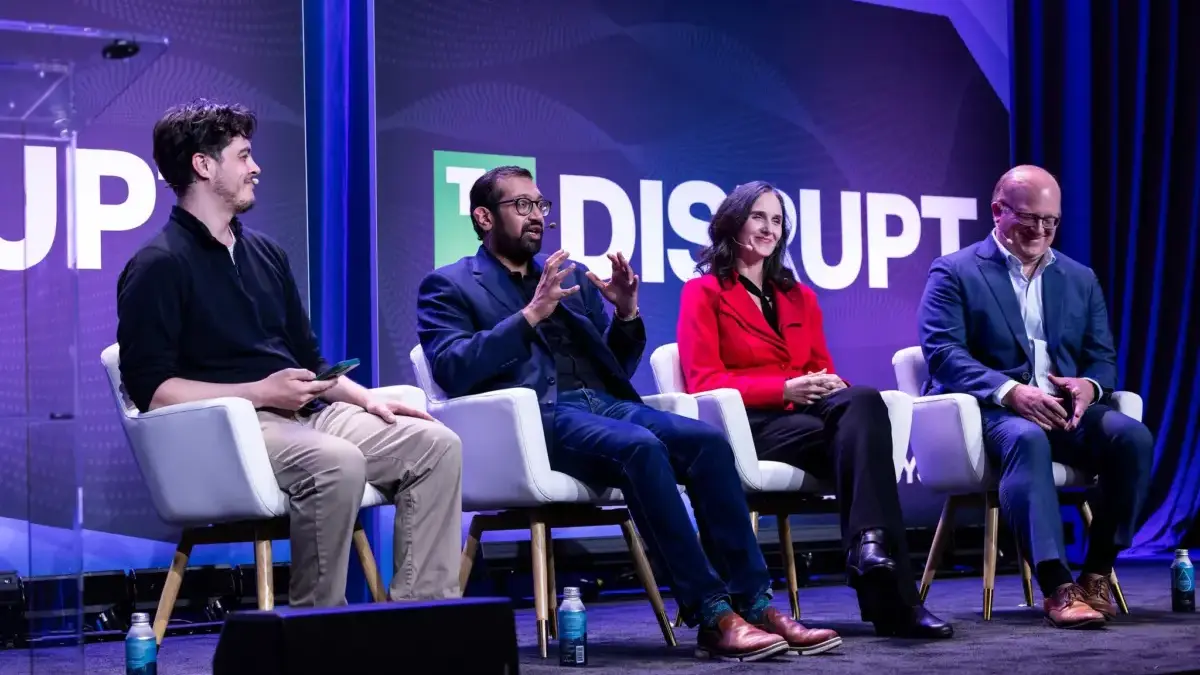
Yet, despite the formidable challenges facing utility providers and regulators, industry insiders are finding reasons for optimism. Speaking at the TechCrunch Disrupt conference earlier this month, a panel of energy and technology leaders argued that the flood of new energy connections might actually be acting as a long-overdue catalyst, opening the door for massive grid modernization efforts across the country.
The panel, featuring Apoorv Bhargava, founder and CEO of software firm Weavegrid; Tim Heidel, CEO of superconducting technology developer Veir; and Kristen Eberhard, vice president of policy at advocacy group Rewiring America, explored how the intersection of AI and energy infrastructure is reshaping the landscape. While acknowledging that the grid faces unprecedented new challenges, the speakers emphasized that these very pressures are unlocking unique opportunities to rethink how power is generated, distributed, and consumed.
"It’s a very different electric grid, right?" Bhargava told attendees during the panel discussion. "We’re dealing with a ton of new variables, including renewable energy. We’re dealing with a ton of new load in the form of electric vehicles and data centers and heat pumps, and the ability to manage and orchestrate is fundamentally what utilities are now grappling with."
The transformation of the American power grid is happening concurrently on multiple fronts. Utilities are no longer just managing traditional centralized power plants serving predictable, steady loads. Instead, they are attempting to integrate volatile renewable energy sources like wind and solar, while simultaneously absorbing a massive wave of new, highly concentrated electricity demands from hyperscale data centers, millions of newly adopted electric vehicles, and residential heat pumps designed to replace fossil-fuel heating systems.
While all of these concurrent new connections are driving an ever-larger amount of physical and operational stress to the grid, technology companies are stepping in to offer software- and hardware-based solutions. Bhargava’s company, Weavegrid, aims to provide the kind of sophisticated load orchestration and management tools that help utilities maximize the efficiency and potential of their existing systems. By deploying advanced software platforms, organizations can coordinate energy flows more effectively, ensuring that electricity is distributed where it is needed most while simultaneously optimizing connections to help reduce utility payers’ monthly bills, according to the founder.
While software solutions like Weavegrid’s focus on intelligent orchestration, other startups are tackling the physical limitations of the grid head-on. Tim Heidel runs Veir, a company working to build out and expand the physical infrastructure of the electrical grid while dramatically improving its operating efficiency. Veir specializes in developing and selling advanced superconductive power lines designed to transfer energy at a much higher rate and with far fewer losses than traditional copper or aluminum cables.
According to the company, Veir’s specialized cables are capable of carrying electrical power up to five times further than traditional power lines while simultaneously requiring twenty times less physical space along transmission corridors. This dramatic reduction in spatial footprint and transmission loss could prove critical as developers search for ways to route massive amounts of electricity to remote or urban-adjacent data centers without acquiring vast amounts of new land for traditional transmission line rights-of-way. Earlier this month, the Microsoft-backed startup reached a major commercial milestone by raising $110 million in a Series C funding round to accelerate the commercialization of its superconducting power delivery technology.
"The scale of the investment in AI infrastructure is driving a tremendous amount of innovation," Heidel said during the Disrupt panel. "There’s a ton of new technologies that are coming off the shelves and starting to get to scale that, pulled together, can actually really make sure that data centers are the best community neighbors and citizens right."
Heidel added that the rapid deployment of these emerging technologies is essential for clearing the current bottlenecks. "I think that we really need to look at ways that we can really adopt all of that as fast as possible to ease this next stage of growth," he noted.
The sense of urgency surrounding AI data centers is also spilling over into other areas of the energy transition, including household and commercial electrification. Kristen Eberhard, whose organization, Rewiring America, actively advocates for widespread household electrification and clean energy policies, pointed out that while the sudden surge in data center energy demand has introduced complex complications, it has also created a uniquely receptive environment where industries and regulators are finally ready to try innovative approaches.
"I feel like this era of AI and load growth is a very improv era," Eberhard said during the discussion. "There’s a lot of yes-and-ing going on. So yes, we need more transmission lines. Yes, we need more centralized power plants, and we also need to make sure that we’re taking advantage of all this other stuff that we had previously been leaving on the table when we didn’t have this urgency of the AI demand."
Historically, upgrading the national electrical grid has been plagued by regulatory hurdles, bureaucratic delays, and a lack of financial and political urgency. Transmission projects often take a decade or more to move from initial planning stages to actual construction, hampered by local opposition and complex interstate permitting processes. However, the sheer economic weight and computational ambitions of the tech industry—driven by massive investments in artificial intelligence infrastructure from some of the world’s largest corporations—are fundamentally shifting those dynamics.
By forcing utilities, regulators, and technology companies to confront grid capacity constraints in real time, the AI boom is accelerating conversations about how to modernize power markets, streamline transmission deployment, and adopt advanced technologies that were previously considered too experimental for widespread municipal or regional utility use. Whether these private-sector innovations and software-driven orchestration tools can scale quickly enough to prevent short-term price spikes and grid instability remains a central question for the energy sector. Yet, as industry leaders at TechCrunch Disrupt emphasized, the pressure cooker of AI-driven demand may ultimately forge a smarter, more resilient, and more flexible electrical grid for the future.