As artificial intelligence continues its rapid evolution across enterprise environments, a fundamental shift is taking place in how software
systems solve complex problems. For years, organizations have relied on traditional AI models and rule-based systems designed to execute narrowly defined tasks. These systems excel at classification, prediction, and recommendation, but their operational scope ends precisely where the assigned task concludes. Today, however, industry leaders are increasingly turning their attention toward agentic AI—a newer paradigm capable of planning and executing multiple sequential actions toward a broader objective.
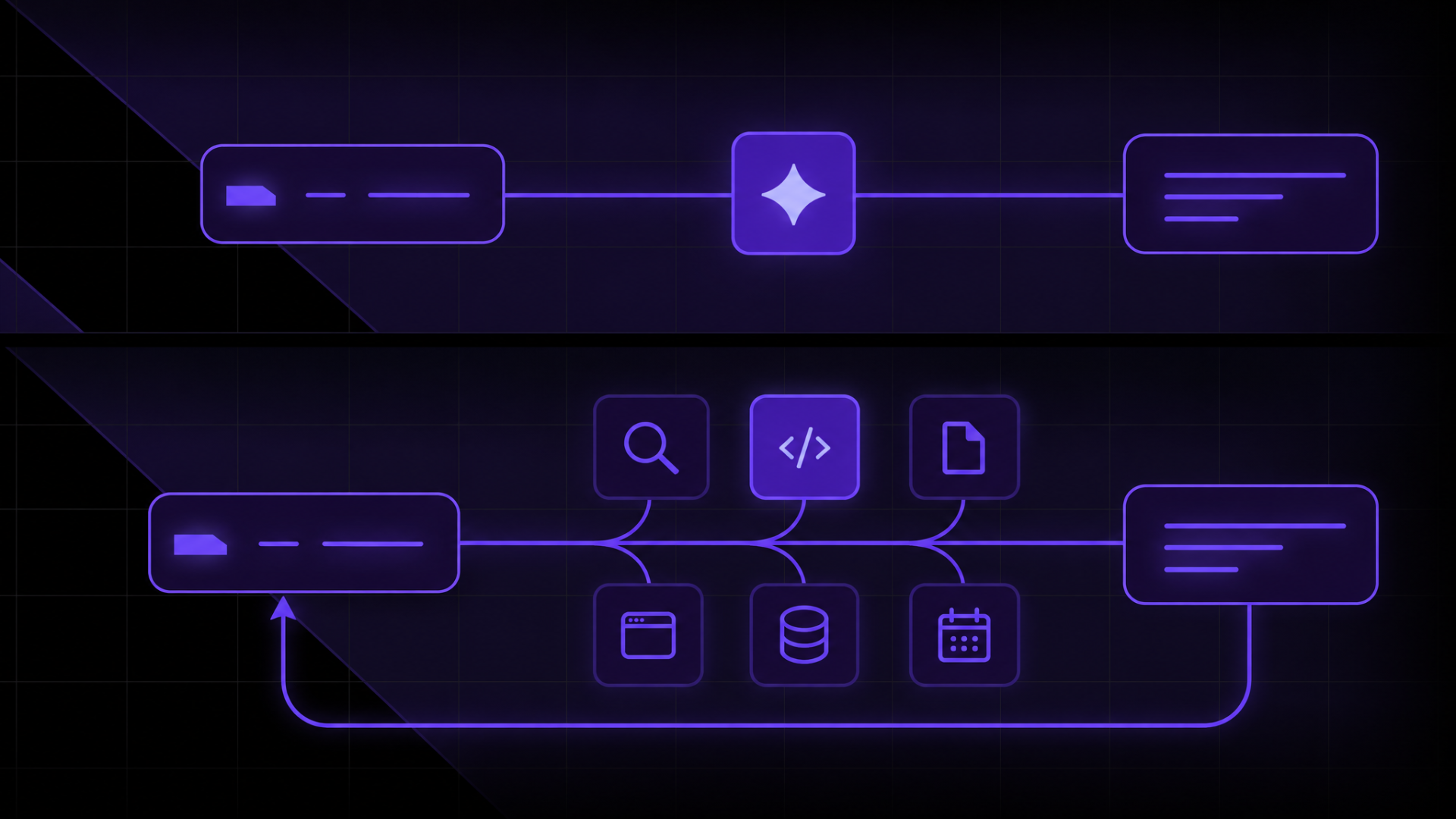
The primary distinction between these two approaches lies in autonomy and execution. While a traditional AI system performs a single, bounded function and returns a specified output, an agentic system can use that output as a stepping stone within a larger process. It can interact with connected tools, assess intermediate outcomes, and dynamically adjust its subsequent actions based on real-time feedback. This capability makes traditional AI exceptionally well-suited for focused, repeatable analytical workloads, whereas agentic AI shines in multi-step environments such as resolving complex customer support cases, coordinating inventory replenishment across fragmented supply chains, or troubleshooting technical problems spanning multiple software systems.
What is Agentic AI?
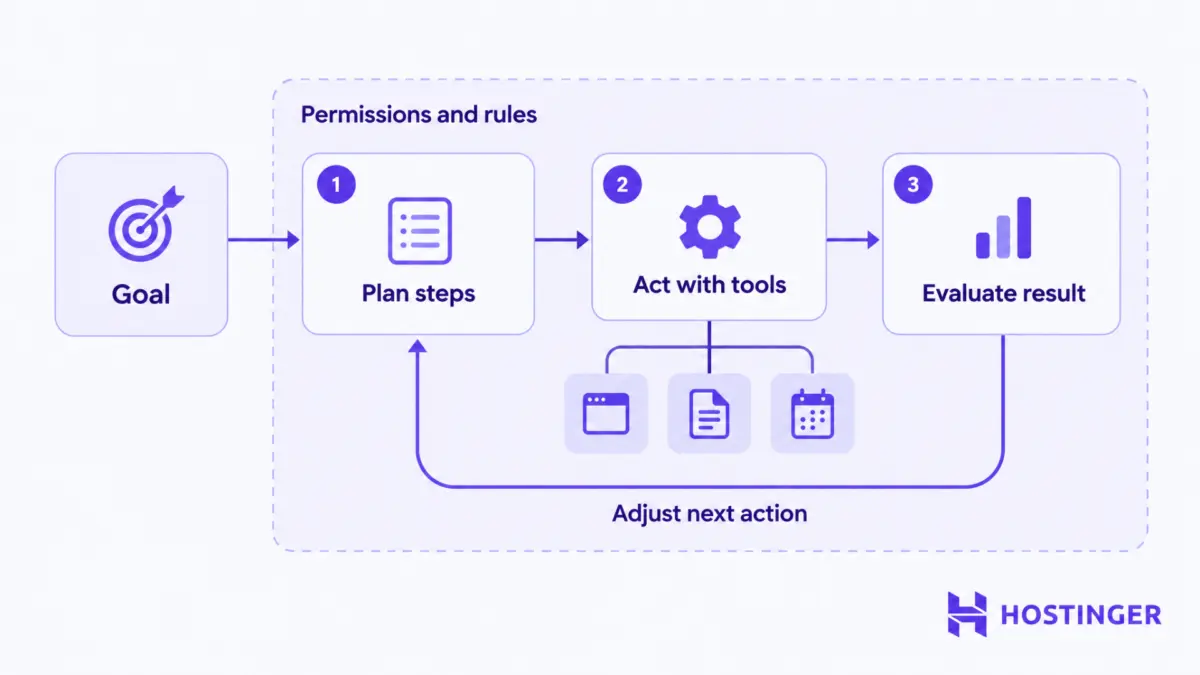
At its core, agentic AI refers to systems designed to pursue an overarching objective through a series of autonomous actions, deciding what steps to take next based on the information and results they receive along the way. The defining characteristic that separates agentic AI from traditional AI is this continuous loop of planning and acting toward a goal.
An AI agent operates safely within the boundaries of the tools, permissions, and rules assigned to it by human operators. It takes a high-level goal, breaks it down into manageable steps, utilizes connected enterprise systems to carry them out, evaluates the consequences of those actions, and modifies its future path when unexpected conditions arise.
This dynamic execution model also sets agentic AI apart from standard generative AI applications. Even when an agent incorporates generative text or code models into its workflow, the core difference comes down to content generation versus task execution. Generative AI produces text, images, or media based on prompts, whereas agentic AI determines, initiates, and manages the practical steps required to accomplish a real-world goal.
What is Traditional AI?
Traditional AI encompasses rule-based systems and task-specific machine learning models built to execute a single, predefined function. Whether classifying incoming data, generating risk scores, or recommending products, these models follow strict programmatic logic or apply patterns learned from historical data to fresh inputs.
Unlike ordinary automation software—which merely executes a fixed, unbending sequence of code—traditional AI makes an analytical judgment about its input, such as assigning a specific support ticket category or calculating a fraud risk score. Yet, despite this analytical capability, traditional AI remains fundamentally bound to the process it was designed for.
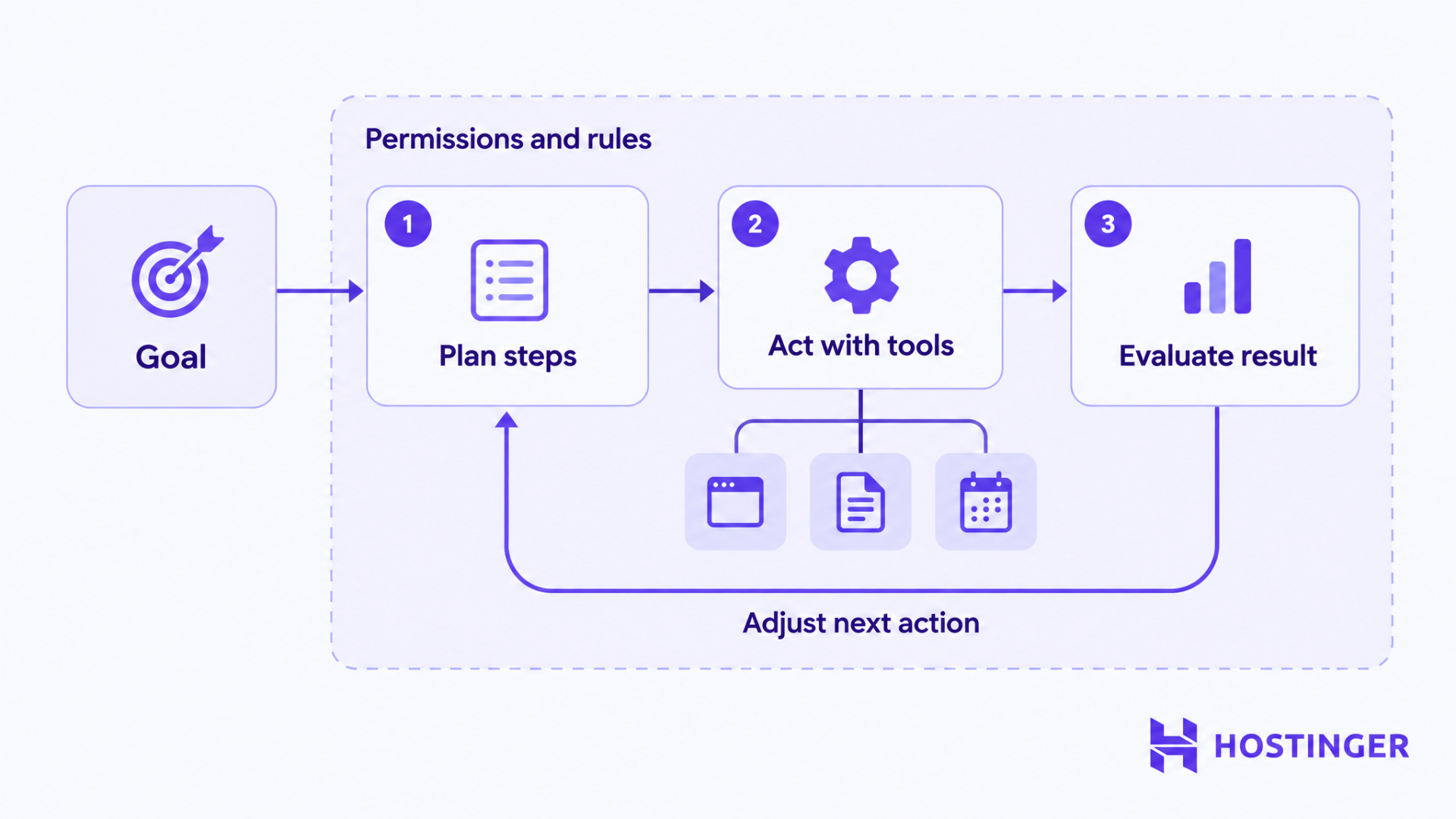
When comparing agentic AI to traditional systems, several operational dimensions highlight their differences: adaptation, tool use, human oversight, reliability, and cost. While traditional AI follows a fixed process to deliver a predictable output, agentic AI retains far more control over how work gets accomplished, dictating its own path and responding fluidly to changing external conditions.
Adaptation to Changing Conditions
When external conditions shift, traditional AI and agentic AI respond in fundamentally different ways. Traditional AI adapts by changing its output while keeping the assigned task exactly the same. For instance, an e-commerce company utilizing traditional AI for holiday demand forecasting might notice early sales figures climbing much higher than initially projected. The forecasting model incorporates this fresh data into its algorithms and revises its prediction upward from 5,000 units to 7,000 units. The task remains forecasting, but the numerical output changes.
In contrast, agentic AI adapts by changing its plan while keeping the overarching objective constant. If that same retail company relies on an autonomous agent to manage inventory and fulfillment, an unexpected surge in early sales creates a shortage that the primary supplier cannot fulfill in time. Instead of simply generating a higher number, the agent reassesses the operational landscape. It checks alternative approved suppliers, intelligently splits the purchase order between two vendors capable of meeting the tight deadline, and updates the warehouse replenishment schedule automatically. The path changes, but the goal of stocking the inventory is successfully achieved.
Tool Use and System Interaction
System integration highlights another major division between the two approaches. Traditional AI operates passively within a broader automated workflow without exerting control over it. A predefined software pipeline determines which systems to access, when to run them, and at precisely which moment the AI model performs its assigned task.
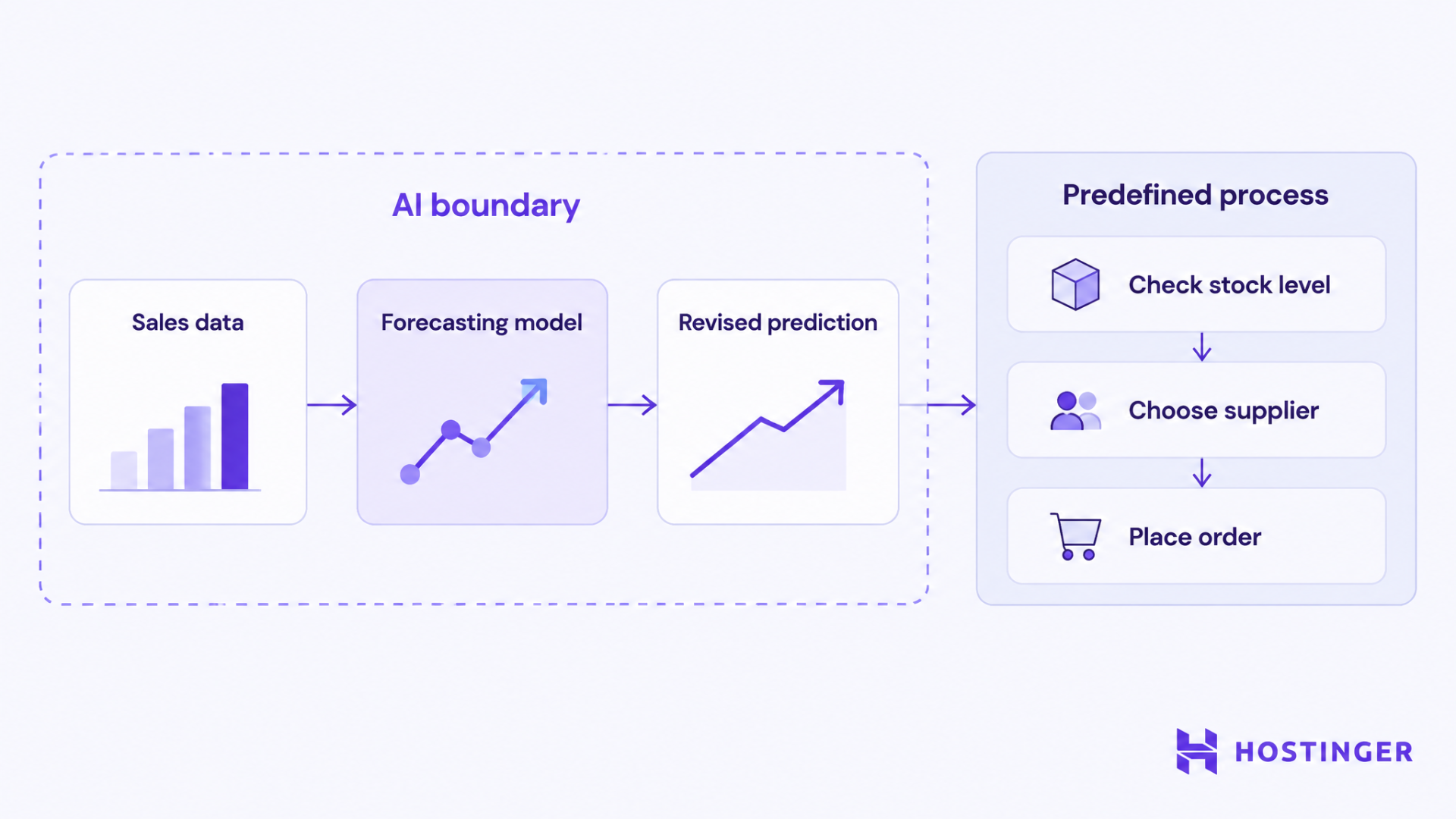
Agentic AI, however, actively determines which permitted tools and systems to engage as the work progresses. While the overarching goal dictates the destination, the agent dynamically decides which services to interact with based on intermediate findings.
For example, when a customer submits a support ticket regarding a delayed delivery, a traditional workflow might route the message through an AI classifier to categorize the issue before handing the ticket off to a human agent according to a rigid script. An agentic system handles the same scenario by independently checking the internal order database, recognizing the need for real-time tracking data, querying the external shipping carrier’s API, opening a formal delivery inquiry upon discovering a delay, and updating the customer directly through messaging tools. The agent’s discoveries dictate its next operational step.
This level of autonomy introduces important security considerations. Giving an AI agent excessive access privileges can expose sensitive corporate data or trigger unintended actions, such as altering financial records, executing unauthorized transactions, or sending automated messages to clients. Experts emphasize that organizations must restrict every agent strictly to the data sources and tools required for its specific task, while enforcing mandatory human approval checkpoints for high-impact actions.
Human Involvement and Oversight
Human oversight in traditional AI environments centers almost exclusively on the final output. Once the model delivers its classification, recommendation, or score, human operators or automated processes determine how that output should be applied.
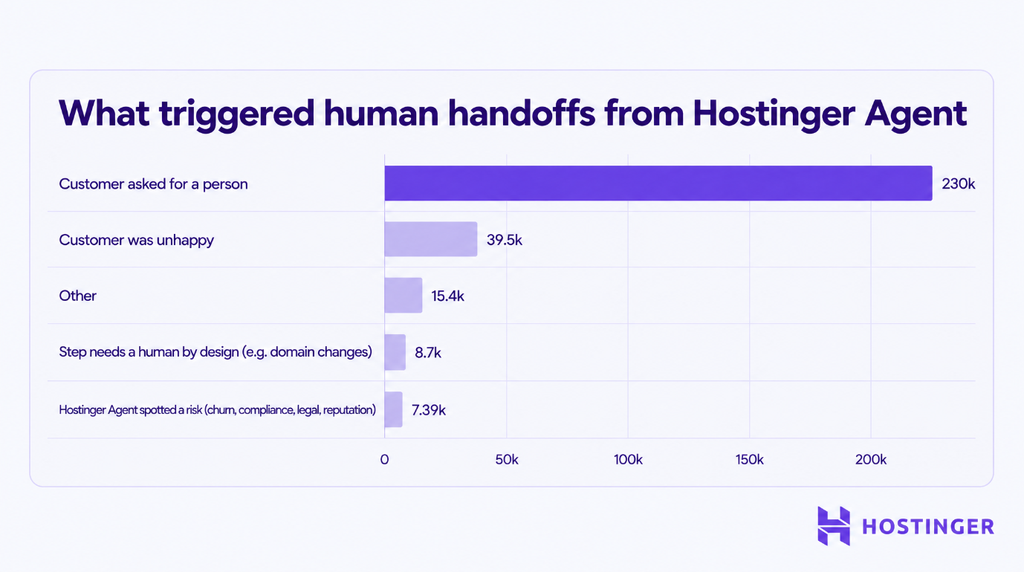
With agentic AI, because the system executes multi-step workflows autonomously, human oversight must extend far beyond the final result to encompass structural boundaries, access controls, real-time visibility, and clear escalation rules.
Real-world deployment data from Hostinger’s AI support infrastructure illustrates how autonomy and human oversight intersect at scale. Across millions of customer conversations handled by Hostinger Agent between August and October 2026, roughly 22% of tool-using interactions involved capabilities capable of altering live data, such as modifying orders or unblocking IP addresses. However, complete autonomy was intentionally constrained. Certain complex workflows required human intervention at specific operational thresholds, resulting in thousands of direct human-in-the-loop handoffs, alongside additional escalations triggered when the agent detected potential churn, regulatory compliance concerns, legal liabilities, or reputational risks.
While a traditional AI model evaluating a refund request simply returns a recommended approval score for a human manager to review, an autonomous agent can independently verify purchase records against corporate policy, confirm eligibility, and execute the financial refund if the amount falls below a designated threshold—automatically pausing to route the request to a human manager if the payout exceeds pre-set limits.
Reliability and Operational Cost
Reliability profiles also diverge due to structural differences. Traditional AI models feature fewer potential failure points because their operational scope is strictly bounded. If a traditional model produces an erroneous classification, the error typically remains isolated because the task concludes immediately thereafter. Agentic AI, operating more like an interconnected chain of decisions and tool calls, introduces multiple potential failure points across a multi-step workflow. A single poor intermediate decision can push the agent down an incorrect path, leaving a job unfinished even if earlier steps were executed flawlessly.
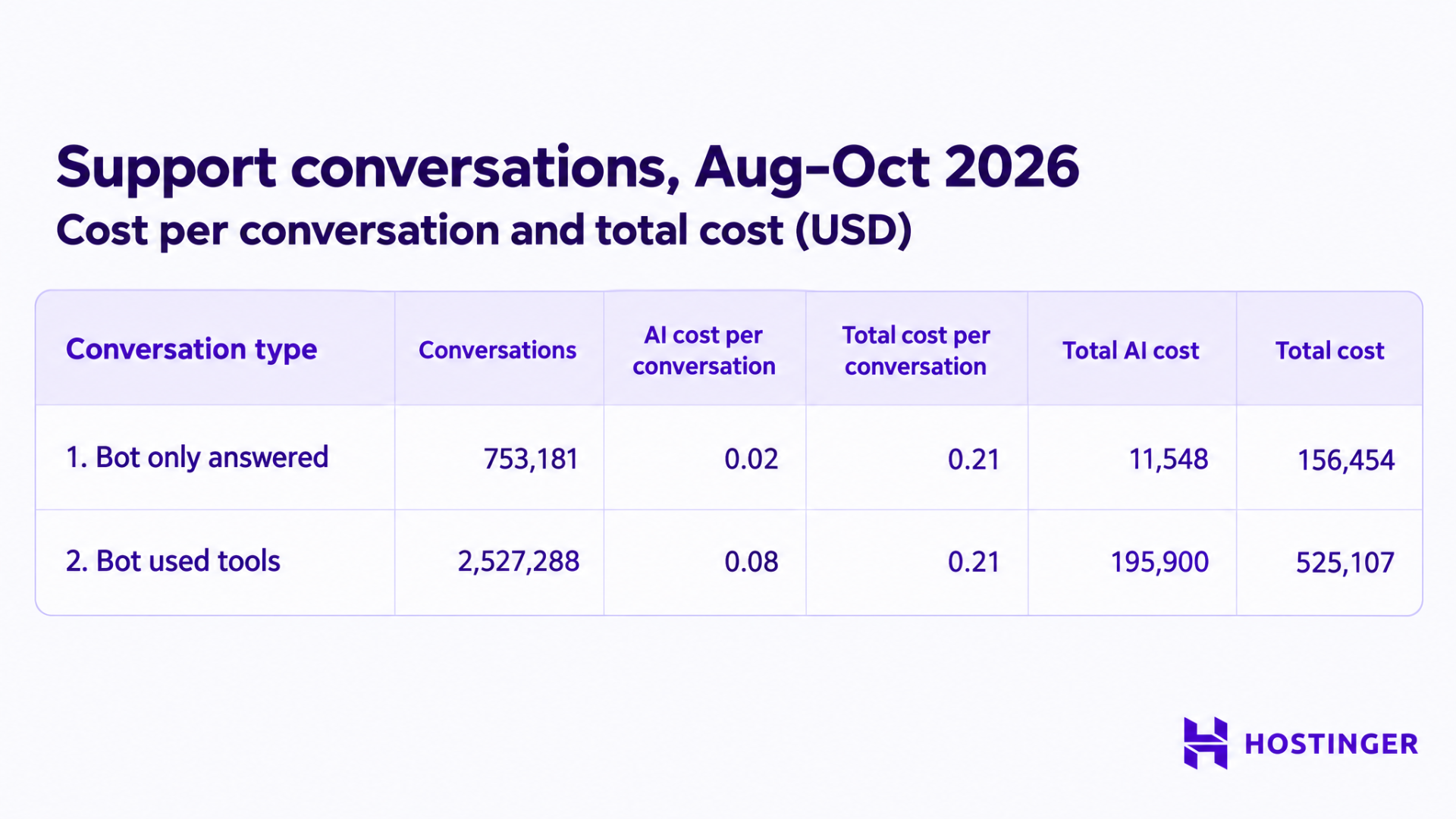
Financial costs follow a similar dynamic. Traditional AI incurs a highly predictable operating cost per task due to consistent computational processing paths. Agentic AI costs, conversely, vary significantly depending on the number of steps, model calls, tool interactions, and error retries required to reach the final objective. Internal data from Hostinger’s customer support operations demonstrates this impact: support conversations where the AI chatbot utilized connected tools averaged roughly five times the model cost of simple answer-only interactions. Furthermore, broader industry analyses by firms like McKinsey & Company indicate that enterprise AI expenditures frequently multiply as projects transition from initial pilot programs into full production, driven by scaling model usage, cloud infrastructure demands, and necessary human oversight mechanisms.
Combining Technologies and Making Strategic Choices
Organizations frequently find the greatest success by integrating both paradigms within the same architecture. An autonomous AI agent can seamlessly call upon a specialized traditional AI model whenever it requires a precise prediction, classification, or numerical score. The traditional model completes its bounded task and returns the output to the agent, which then utilizes that data to inform its broader multi-step strategy.
When deciding whether to deploy traditional AI or agentic AI, technology leaders evaluate several practical criteria, including whether the required output can be defined in advance, how frequently execution paths change based on incoming data, the complexity of required system integrations, anticipated operating costs, reliability tolerances, and the strictness of approval guardrails needed for specific actions.
Ultimately, whether an organization chooses to adopt existing ready-made enterprise agents or build custom solutions tailored to proprietary workflows, successful deployment begins by mapping out clear business goals, defining measurable outcomes, identifying necessary system integrations, and establishing robust governance frameworks for human supervision.