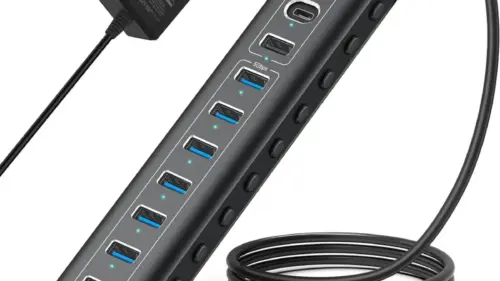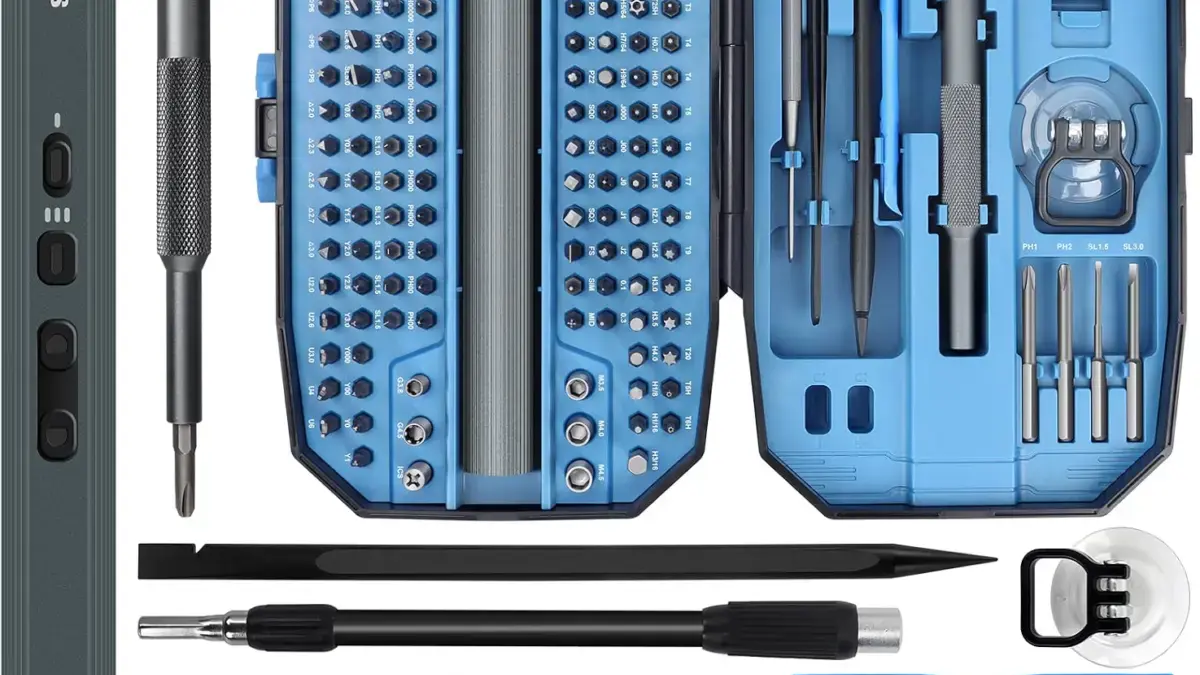
It is an experience familiar to hardware enthusiasts and system builders around the world: the meticulous research of parts, the careful balancing of pros and cons, and finally, the physical assembly of a brand-new desktop computer. Even as the broader technology landscape shifts, driven heavily by an ongoing artificial intelligence boom that has pushed component prices higher and higher across the market, assembling your own custom PC remains a deeply rewarding endeavor.
For many enthusiasts, the absolute pinnacle of the experience comes at the very end of the build process. It is that tense, exhilarating moment when you press the power button for the very first time to run the initial boot test. Waiting to see if the system will successfully post, load its operating system, and spring to life—rather than responding with a chorus of error beeps and a blank monitor—remains one of the most thrilling rituals in modern technology.
Yet, reaching that milestone requires more than just patience and a collection of high-end silicon. To successfully navigate a modern PC build, an enthusiast needs the right equipment. The requirements extend far beyond the core components like processors, graphics cards, and memory modules. Successfully putting together a desktop computer demands a specialized kit of tools designed not only for initial construction, but also for long-term maintenance, deep cleaning, and inevitable hardware repairs down the line. Every custom-built machine will, at some point in its lifecycle, require dusting, component swaps, or troubleshooting, making a well-stocked toolkit an essential investment for any serious builder.
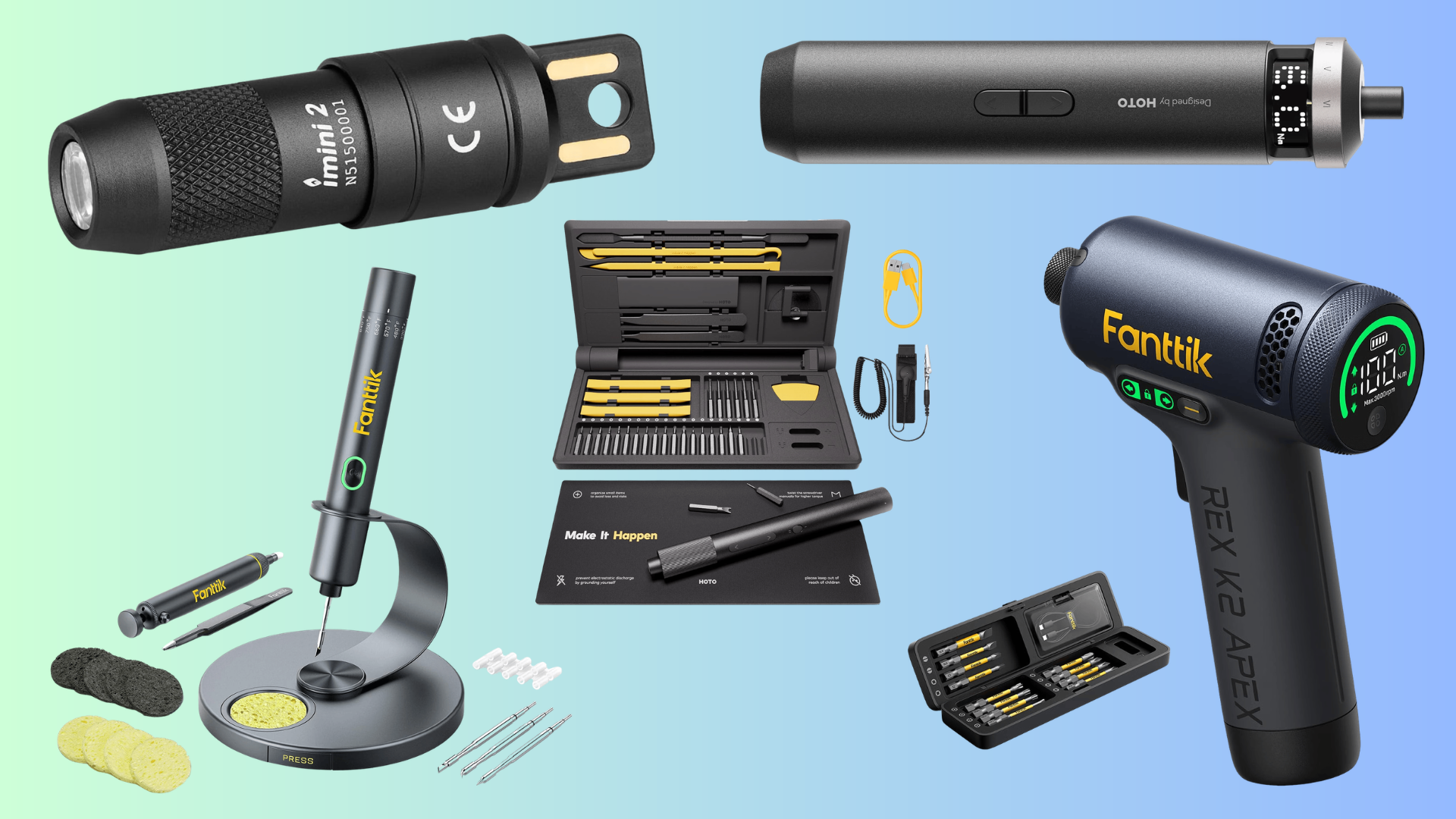
Over years of tackling various builds and hardware projects, experienced system builders often curate specialized collections tailored to the nuances of PC architecture. A standard configuration typically features reliable, precision-oriented instruments. Among the most popular modern choices for builders are versatile electric screwdrivers, such as those produced by brands like Hoto, which offer precise torque control to avoid stripping delicate screw heads or damaging sensitive circuit boards. Beyond basic fastening tools, a comprehensive setup often includes electric dusters to keep airflow optimal and temperatures in check, high-lumen flashlights to illuminate tight spaces inside cramped chassis, and organized modular screw kits to prevent lost fasteners during complex installations.
Interestingly, the utility of a well-assembled tech toolkit rarely stops at the edge of the computer desk. The same precision tools, reliable illumination devices, and compact fastening systems required to route cables and mount motherboards often prove equally valuable during household renovations, furniture assembly, and general DIY projects around the house. This cross-functionality highlights how the skills and equipment gathered for the hobby of PC building naturally extend into practical, everyday problem-solving.
As the hardware market continues to evolve and builders adapt to changing economic realities, the core appeal of assembling your own system endures. Whether it is a high-end gaming rig designed to tackle the most demanding graphical titles or a modest workstation built for productivity, the journey from a box of disparate parts to a fully operational machine relies just as much on the tools in your hand as it does on the technology inside the case.