Nabu Casa, the commercial arm of the Open Home Foundation responsible for steering the popular Home Assistant smart home platform, has officially launched the Home Assistant Connect Aux-2. Priced at $69 and roughly the size of a deck of cards, the new multi-function box is designed to bridge the gap between legacy, non-smart hardware and modern automated ecosystems. This release forms part of a broader, ongoing initiative by Home Assistant to lower the technical barriers of entry and become significantly more user-friendly for everyday consumers, a strategy that appears to be gaining tangible traction across the smart home community.
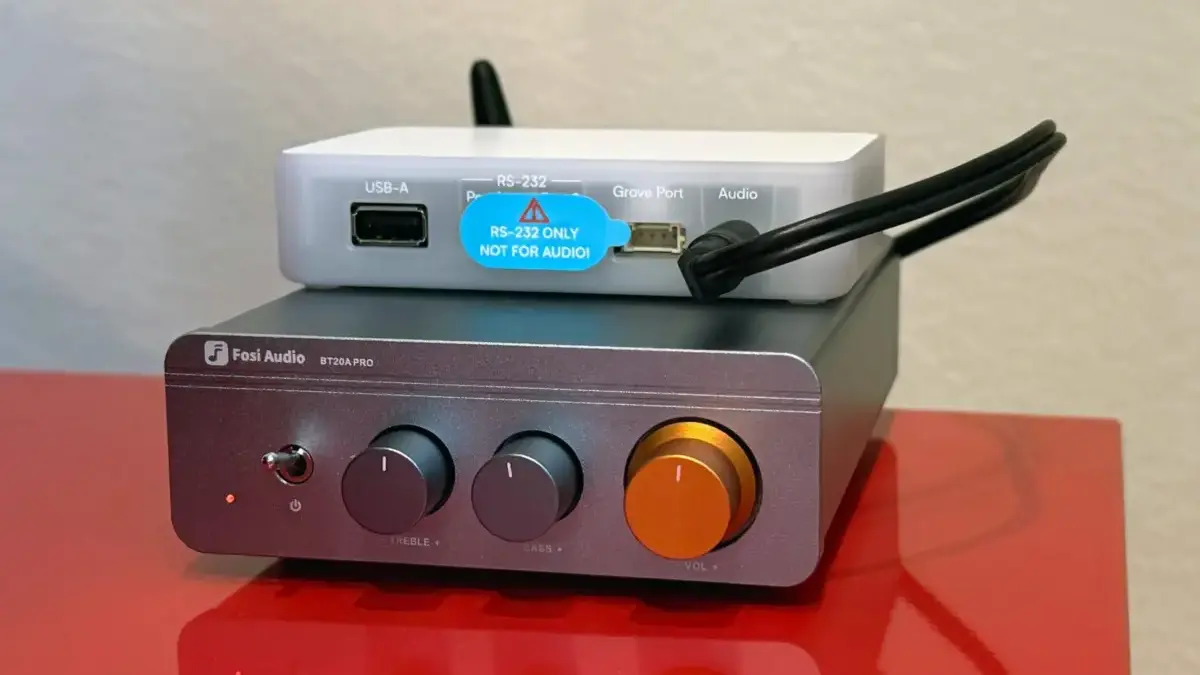
The Aux-2 arrives packed with an impressive array of hardware interfaces. Built around an open ESPHome architecture, the compact device features 2.4GHz Wi-Fi, Bluetooth, an Ethernet port with Power over Ethernet (PoE) support, USB-A and USB-C ports, a digital and analog audio jack, a Grove port for easily plugging in modular peripherals such as sensors, buttons, and LEDs, and a pair of RS-232 serial ports. Despite its technical versatility, the hardware is designed to integrate seamlessly with existing Home Assistant and ESPHome integrations, allowing users to leverage robust communication protocols right out of the box.

For households operating a fragmented smart home setup, the Aux-2 offers practical solutions to common connectivity hurdles. The device can function as a bridge for Bluetooth signals, while its USB port accommodates Nabu Casa Z-Wave or Zigbee antennas, offering strategic placement flexibility if the primary Home Assistant hub is locked away in a basement or utility closet. Furthermore, the inclusion of a serial connector enables direct control over legacy electronic equipment like televisions, AV receivers, and solar inverters. Meanwhile, the audio jack can be paired with an external amplifier or powered speakers, enabling older audio gear to stream modern music sources.
The development of these features relies heavily on the collaborative nature of open-source software development. While the serial integration was refined earlier in the year, audio playback functions are driven by Music Assistant and Sendspin, two complementary audio projects currently in active development within the Open Home Foundation ecosystem. For users juggling multiple platform ecosystems
—such as a mix of Google Home, Apple Home, and various standalone apps—devices like the Aux-2 aim to consolidate control without requiring a complete overhaul of existing hardware.

In practical testing scenarios, setting up the Aux-2 proves to be straightforward. Connecting the box to a computer via USB-C allows users to download and flash the latest firmware directly from a web browser while configuring local Wi-Fi credentials. Once configured, the device can be relocated to a permanent media console or utility space, drawing power either through USB-C or directly via an Ethernet cable using PoE. Within the Home Assistant interface, the system automatically prompts the user to install ESPHome, which promptly discovers the Aux-2 and launches a dedicated setup page detailing its extensive capabilities.
Enabling advanced features, such as Bluetooth proxying, requires minimal interaction. For instance, pairing compatible Bluetooth hygrometers with Home Assistant transforms the Aux-2 into an extended receiver capable of maintaining stable connections through physical barriers like walls and appliance doors. This solves a frequent pain point for monitoring environments like garage refrigerators, where standard wireless signals often struggle to reach the main hub. Similarly, pairing the audio output with an auxiliary amplifier and configuring Music Assistant unlocks whole-home streaming capabilities, pulling content from services like Spotify, YouTube Music, or local network libraries and routing it to traditional in-wall speakers.
While the serial control capabilities present an exciting avenue for automation enthusiasts looking to integrate complex appliances like solar inverters or legacy home theater receivers, the modular nature of the Aux-2 highlights a broader philosophy within the open-source community. The device does not introduce capabilities that are fundamentally impossible to achieve using raw ESP32 development boards and individual accessories. Alternative hardware options, such as the Apollo Automations Cast-1, offer comparable music-casting and Bluetooth proxy features at a lower price point, and hobbyists have long been able to solder together custom solutions using inexpensive microcontrollers.

However, the value proposition of the Aux-2 lies in its polished packaging and plug-and-play integration with the broader open-source ecosystem. Both Nabu Casa and independent hardware manufacturers support the Open Home Foundation, funding the continuous development of Home Assistant, ESPHome, Music Assistant, and Sendspin. By offering hardware that bridges the gap between raw DIY tinkering and commercial user experience, these companies lower the barrier to entry for users who might otherwise experience analysis paralysis when facing complex smart home upgrades.
Ultimately, the release of the Home Assistant Connect Aux-2 underscores a maturation of the open-source smart home movement. By providing a reliable, multi-purpose bridge for audio, serial, and wireless protocols, the device empowers users to repurpose legacy hardware, solve stubborn connectivity issues, and gradually expand their automation capabilities without starting from scratch.