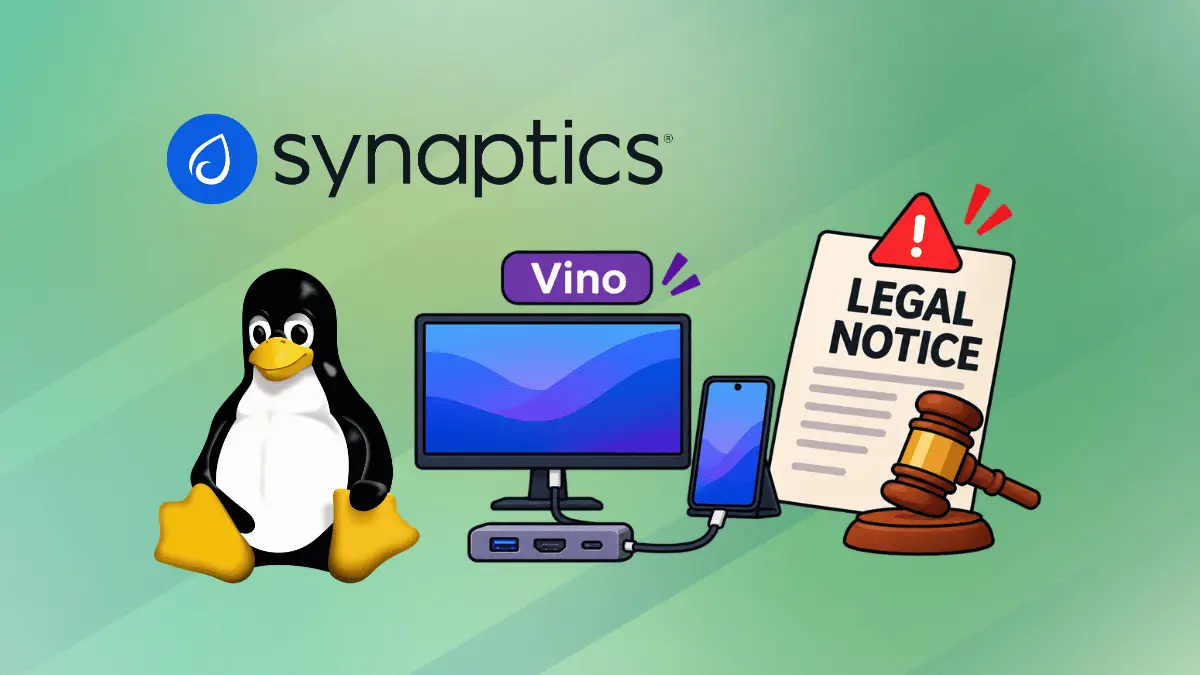
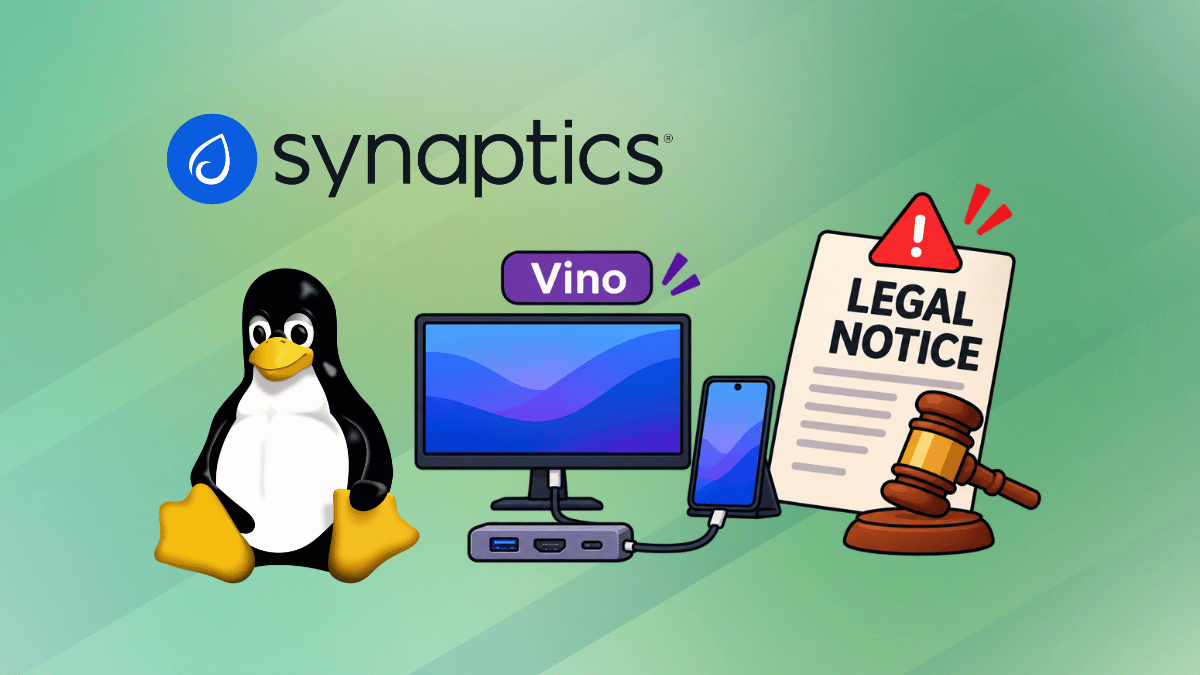
The open-source Linux community is facing fresh controversy over hardware compatibility and intellectual property rights, as tech giant Synaptics takes aggressive legal action against a lone developer. Mike Lothian, widely known in the developer community as FireBurn, has been forced to take down his GitHub repository for "Vino"—an experimental open-source driver designed to allow the Linux kernel to communicate directly with DisplayLink docks. The project, partially assisted by AI coding tools, triggered a rapid and severe legal response from Synaptics, complete with hefty financial demands and allegations of patent infringement.
Before diving into the complexities of the legal dispute, it is helpful to understand the underlying technology that ignited the conflict. DisplayLink is a proprietary graphics transport technology that allows computers to connect to one or more external displays over a standard USB connection. This is typically achieved using specialized docking stations or adapters built around proprietary DisplayLink silicon chips. The technology works by compressing display data on the host computer and transmitting it over USB to a chip located inside the connected device. Once received, the hardware chip decodes the compressed stream, outputting a standard video signal to external monitors through common physical interfaces such as HDMI or DisplayPort.
Within the Linux ecosystem, official DisplayLink support has historically been a point of friction for purists and open-source advocates. Because the core transport and compression mechanisms are closed-source, users must rely on proprietary vendor software paired with an open-source kernel module known as EVDI, or Extensible Virtual Display Interface. While EVDI provides an open-source bridge, the broader software stack remains tied to proprietary components.
Seeking a native, open alternative, Mike Lothian set out to build Vino, a driver intended to let the Linux kernel talk directly to DisplayLink docks while bypassing the need for DisplayLink’s proprietary user-space software and the EVDI kernel module. Lothian developed the project with the assistance of Claude Code, submitting an unfinished initial version to the kernel mailing list in June. During the development process, he encountered a communication barrier between the target hardware dock and his driver, prompting him to reach out to fellow developers on the mailing list for technical guidance and collaborative troubleshooting.
In early July, in an effort to secure guidance and ensure technical alignment, Lothian emailed a Synaptics employee. In his correspondence, he casually mentioned that he was working on a Rust-based rewrite of the EVDI module. Approximately two weeks later, a different Synaptics representative responded to his inquiry. The corporate reply clarified that Lothian’s Rust rewrite of EVDI was not the company’s primary concern. Instead, the real issue lay with the DisplayLink protocol and its underlying video codec, which Synaptics asserted were tightly protected by its extensive portfolio of patents.

The situation escalated quickly from a technical dialogue into a formal legal confrontation. On August 17, Synaptics served Lothian with a formal cease-and-desist letter. The legal notice instructed him to halt all ongoing development immediately, withdraw any code or patches he had submitted to upstream maintainers and public hosting platforms, and return a signed confirmation of compliance by August 28. An appendix attached to the letter listed more than 125 patents held by the company, though it failed to specify which individual patents or claims the Vino project was supposedly infringing.
Undeterred by the ambiguity, Lothian posted a working version three of Vino to the kernel mailing list on August 26, and followed up with Synaptics the next day to ask precisely which patent claims the company believed his code violated.
The corporate response arrived in October in the form of detailed claim charts. These legal documents mapped specific claims from two particular patents—GB2484736 and GB2485613—directly to lines of source code within Lothian’s repository. Accompanied by the claim charts was a letter dated October 5, which introduced a severe financial threat: Synaptics stated it would seek $25,000 to cover the legal and technical costs of preparing the claim charts if Lothian missed an October 11 compliance deadline. Furthermore, the letter warned that the financial penalty would compound by at least an additional $25,000 for each subsequent week the code remained available.
Lothian responded on October 6 with a conciliatory offer. He proposed to pause any public development specifically concerning the encoding code highlighted in the claim charts, provided that Synaptics agreed to pause the strict deadline and waive the compounding weekly fees. He also inquired about the possibility of licensing the contested code for non-commercial use. However, Synaptics rejected the proposal the following day, stating explicitly that it would grant no patent license and offer no covenant not to sue, while establishing a final, non-negotiable deadline of October 18.
The aggressive legal posture has drawn widespread scrutiny from observers who view the episode as an intimidating patent enforcement action against an individual developer who attempted to maintain transparent lines of communication. Legal experts and community members alike have pointed out the stark asymmetry in resources between a multinational corporation and a lone open-source programmer who simply sought to improve hardware interoperability on an open operating system.
At the center of the technical debate is Lothian’s methodology. He has consistently described Vino as a clean-room design driver, explaining that he reverse-engineered the necessary communication protocols by capturing live USB traffic and analyzing vendor programs. In traditional legal contexts, clean-room design serves as a robust defense against copyright infringement claims. The process typically involves separating the research phase from the implementation phase: one team studies the original proprietary system to write a functional specification, and an entirely separate team builds the new code strictly from that specification without ever seeing the original source code. This approach demonstrates independently created code that does not incorporate copied copyrighted material.
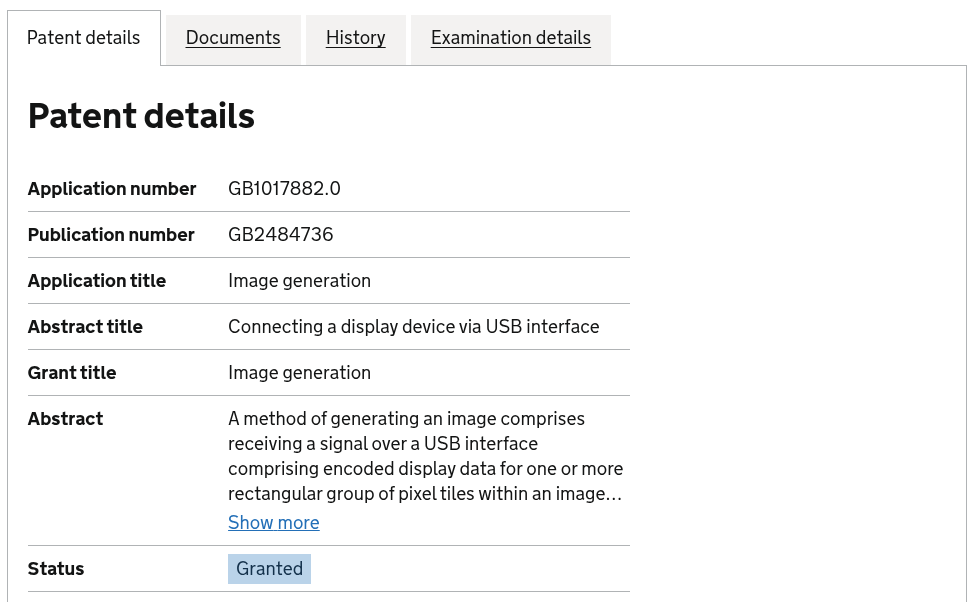
However, Synaptics’ legal stance underscores a fundamental distinction in intellectual property law: clean-room design and independent creation are generally recognized defenses against copyright infringement, but they offer little to no protection against patent infringement. Under patent law, independently discovering a technique and implementing it from scratch does not exempt a developer from liability if the resulting technology falls within the scope of a validly granted patent.
The timing of the dispute also places Vino within a broader, increasingly contentious wave of projects involving AI-assisted reverse engineering and clean-room implementations across the software industry. As artificial intelligence tools accelerate the pace at which developers can analyze protocols, decompile binaries, and replicate proprietary functionality—ranging from smart TV firmware cleanups to office suite compatibility layers—traditional boundaries of software development are shifting rapidly. Consequently, legal pressure and patent scrutiny have increasingly begun to target AI-assisted projects that push against proprietary hardware and software ecosystems.
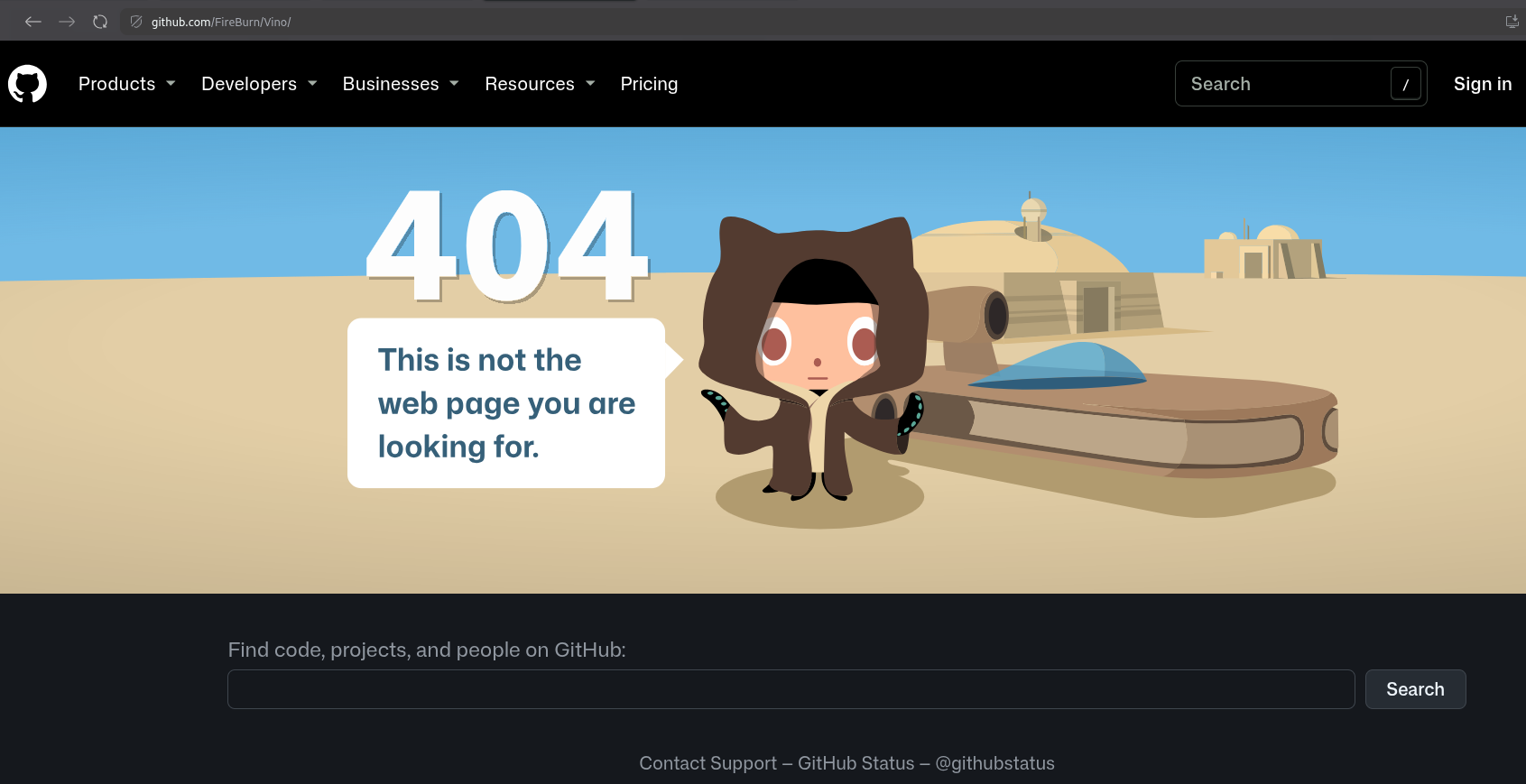
In response to the mounting legal pressure and compounding financial risks, Mike Lothian has taken down the Vino GitHub repository. To date, Synaptics has not issued a public statement regarding the cease-and-desist action or the specific patent claims involved. Whether the codebase will resurface elsewhere through community forks or alternative developers picking up where Lothian left off remains uncertain, though open-source advocates continue to monitor the situation as a troubling precedent for hardware reverse engineering on Linux.