In a notable escalation of its ongoing anti-piracy enforcement campaign, Japanese gaming giant Nintendo has expanded its legal crosshairs from software emulators and hacking tools to target hardware modification firmware hosted on code-sharing platform GitHub. For years, the company has aggressively combated software designed to bypass the security architecture of its popular hybrid console, the Nintendo Switch. However, a series of Digital Millennium Copyright Act (DMCA) takedown notices filed in early November mark the first time Nintendo has formally targeted repositories distributing firmware for physical modchips, including widely used alternatives such as Picofly, HWFLY, and the legacy SX Core system.
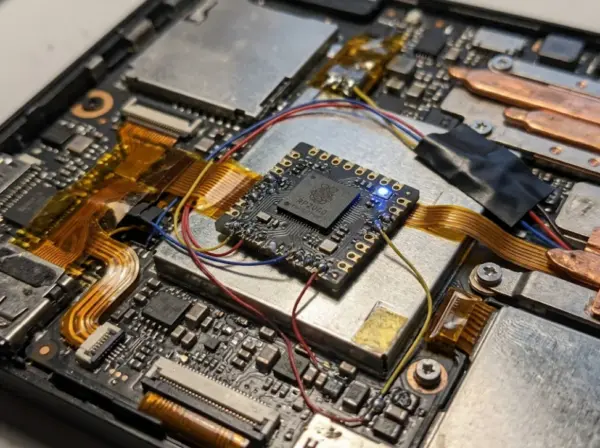
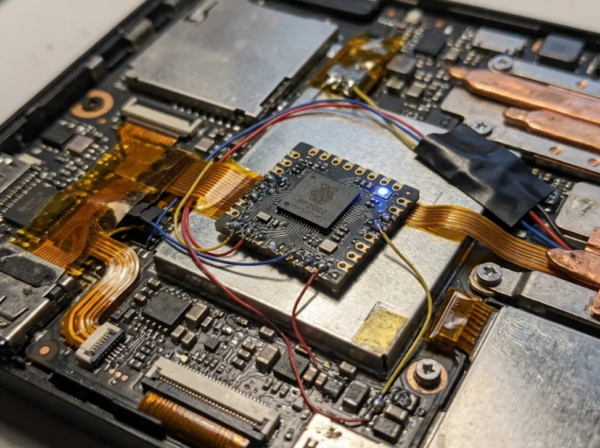
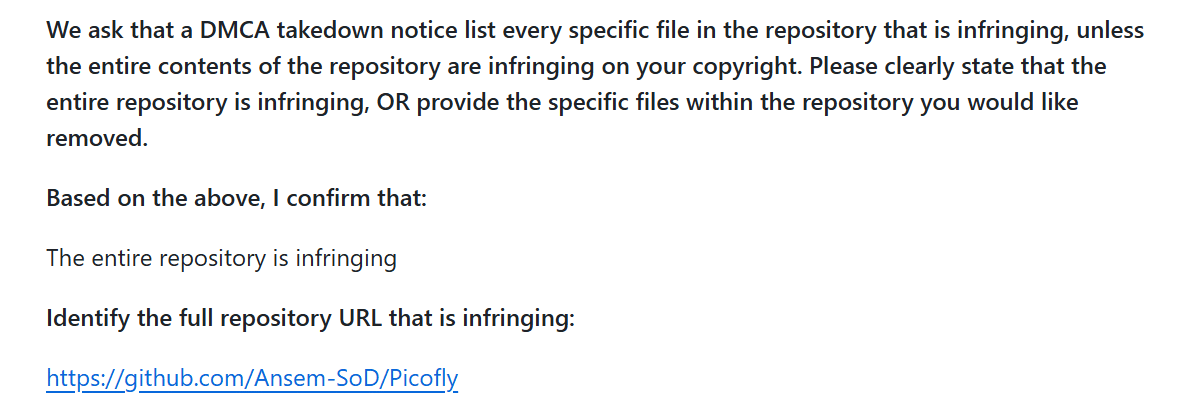
According to documents published by GitHub, Nintendo of America issued a DMCA takedown notice on November 6 specifically targeting a prominent repository known as Ansem-SoD/Picofly. The repository in question provided comprehensive documentation, resources, and firmware for a custom Switch modchip built around the affordable RP2040-Zero microcontroller board. Because Nintendo’s notice asserted that the primary parent repository and its extensive network of forks were entirely dedicated to circumventing copyright protections, GitHub complied with the request by disabling the entire network, which comprised a staggering 144 individual repositories.

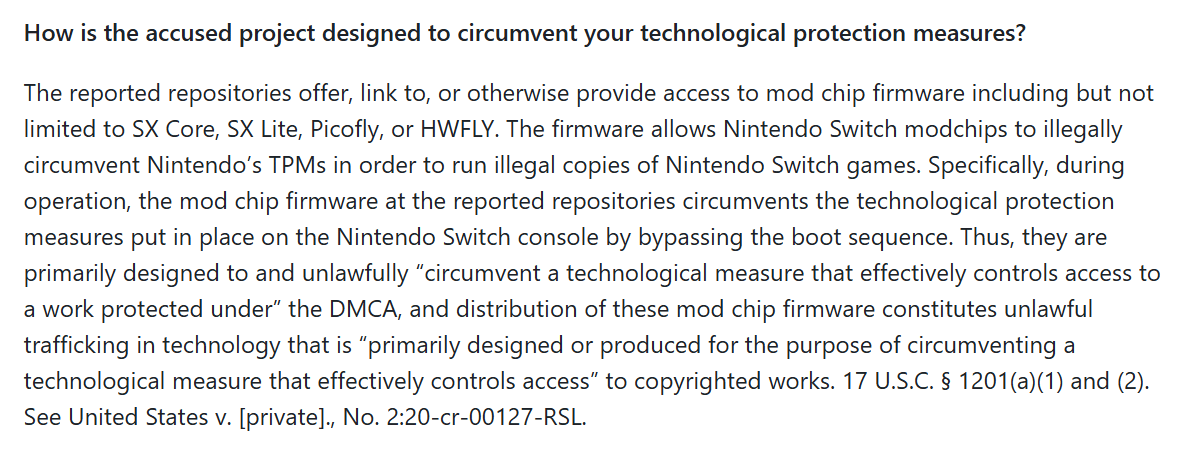
The legal arguments underpinning Nintendo’s latest enforcement wave rely heavily on the anti-circumvention provisions of the DMCA. In its formal notices, the gaming corporation asserts that the technological protection measures protecting the Nintendo Switch—such as its intricate boot sequence verification protocols and proprietary cryptographic signatures—are illegally bypassed by the modchip firmware. The notice states that the firmware enables unauthorized hardware modifications to defeat these built-in security barriers, ultimately allowing users to execute unauthorized, pirated copies of commercial Nintendo Switch video games.
While Nintendo has previously issued dozens of DMCA notices to GitHub, a review of public archives indicates that none of the company’s prior approximately 90 filings specifically targeted modchip firmware. Historically, the company’s code-removal requests focused on software emulators, key dumping utilities designed to extract cryptographic keys from physical hardware, and specialized software patches often referred to as sigpatches. The inclusion of hardware modification firmware represents a strategic broadening of Nintendo’s legal tactics to suppress the ecosystem that supports console modifications at both the software and hardware levels.
To substantiate its claims of illegal circumvention under federal law, Nintendo’s legal team pointed directly to a prominent criminal prosecution in the United States federal court system: case No. 2:20-cr-00127-RSL, prosecuted in the Western District of Washington. This landmark case targeted the leadership and operations of Team-Xecuter, an international group notorious for developing and distributing commercial hacking devices across multiple generations of video game consoles, including the Nintendo Switch.
The federal case began in late 2020 when the U.S. Department of Justice indicted three alleged members of the Team-Xecuter organization. Among them was Gary Bowser, a veteran technology enthusiast whose legal battles turned him into one of the most high-profile figures in the modern console-hacking landscape. In November 2021, Bowser formally pleaded guilty to criminal conspiracy charges involving the circumvention of technological measures and trafficking in unauthorized circumvention devices. Following his guilty plea, Bowser was sentenced to 40 months in federal prison, while other high-profile co-defendants, including alleged group leader Max Louarn, remained outside the direct reach of U.S. authorities and fugitive from justice.
Although Bowser’s guilty plea and subsequent conviction did not establish a formal, binding civil ruling specifically declaring modchip firmware to be illegal per se under every legal framework, it provided Nintendo with substantial rhetorical and legal leverage. In the context of administrative DMCA takedown notices, rights holders
are not required to secure a final judicial ruling before platforms process validly submitted complaints. Consequently, GitHub acted swiftly upon receiving Nintendo’s formal notification, rendering the targeted Picofly repositories inaccessible to the public.
Despite the sweeping nature of the takedown, the availability of modchip firmware on GitHub has not been entirely eradicated. Following the execution of the November 6 notice, several other independent repositories hosting Picofly and HWFLY firmware remained fully operational on the platform. Among those left untouched was what community members on specialized forums, such as GBAtemp, identified as the original source code repository for the Picofly project, which was omitted from Nintendo’s specific filing.
The November 6 enforcement wave was not limited to hardware modification files. On the exact same day, Nintendo filed additional DMCA notices targeting software emulation projects. One of these filings targeted a repository associated with an emulator project known as Citron Neo, prompting GitHub to disable a network consisting of 71 distinct repositories. Two separate notices were similarly directed at individual code repositories hosting versions of yuzu, the prominent Switch emulator that was effectively forced to shut down earlier following a massive federal lawsuit and multi-million-dollar settlement between Nintendo and the emulator’s creators, Tropic Haze.
While the targeted yuzu repositories remain physically hosted on GitHub, the repository owner has actively scrubbed the source code and completely cleared the historical commit logs. In place of the original programming code, the affected yuzu repositories now display only a brief informational README file directing interested developers to the Internet Archive for access to historical source code snapshots.
As the dust settles on the latest round of copyright enforcement actions, the primary Picofly repository network remains offline, displaying GitHub’s standard administrative placeholder notification explaining that the repository has been disabled pursuant to a DMCA takedown. Under the statutory guidelines of the legislation, the affected repository owner retains the legal right to file a formal counter-notice if they believe the material was removed or disabled as a result of mistake or misidentification. However, public transparency logs maintained by GitHub show no indication that a counter-notice has been filed or processed thus far, leaving the future of these specific code repositories uncertain as Nintendo continues its relentless pursuit of console modification tools across the digital landscape.