
As the mobile technology industry slowly inches toward the turn of the new year, attention naturally begins to shift toward the next generation of flagship smartphones. For Samsung, this means the upcoming rollout of the Galaxy S27 flagship lineup, which is traditionally unveiled during the first quarter of the year. Recent leaks and supply chain rumors have already begun to paint a vivid picture of what consumers can expect from Samsung’s next major hardware refresh. However, the latest batch of information suggests that one of the most anticipated additions to the lineup, the rumored Galaxy S27 Pro, might come with a surprising limitation under the hood.
According to new data emerging from global import-export databases like NBD, all four models of the forthcoming Galaxy S27 series have recently been spotted. The listings explicitly mention the base Galaxy S27, the larger Galaxy S27 Plus, the brand-new Galaxy S27 Pro, and the top-tier Galaxy S27 Ultra, alongside critical details regarding the chipsets slated to power each device. While leaks are always subject to change before an official announcement, these database entries provide a compelling look at Samsung’s hardware strategy for the upcoming year.
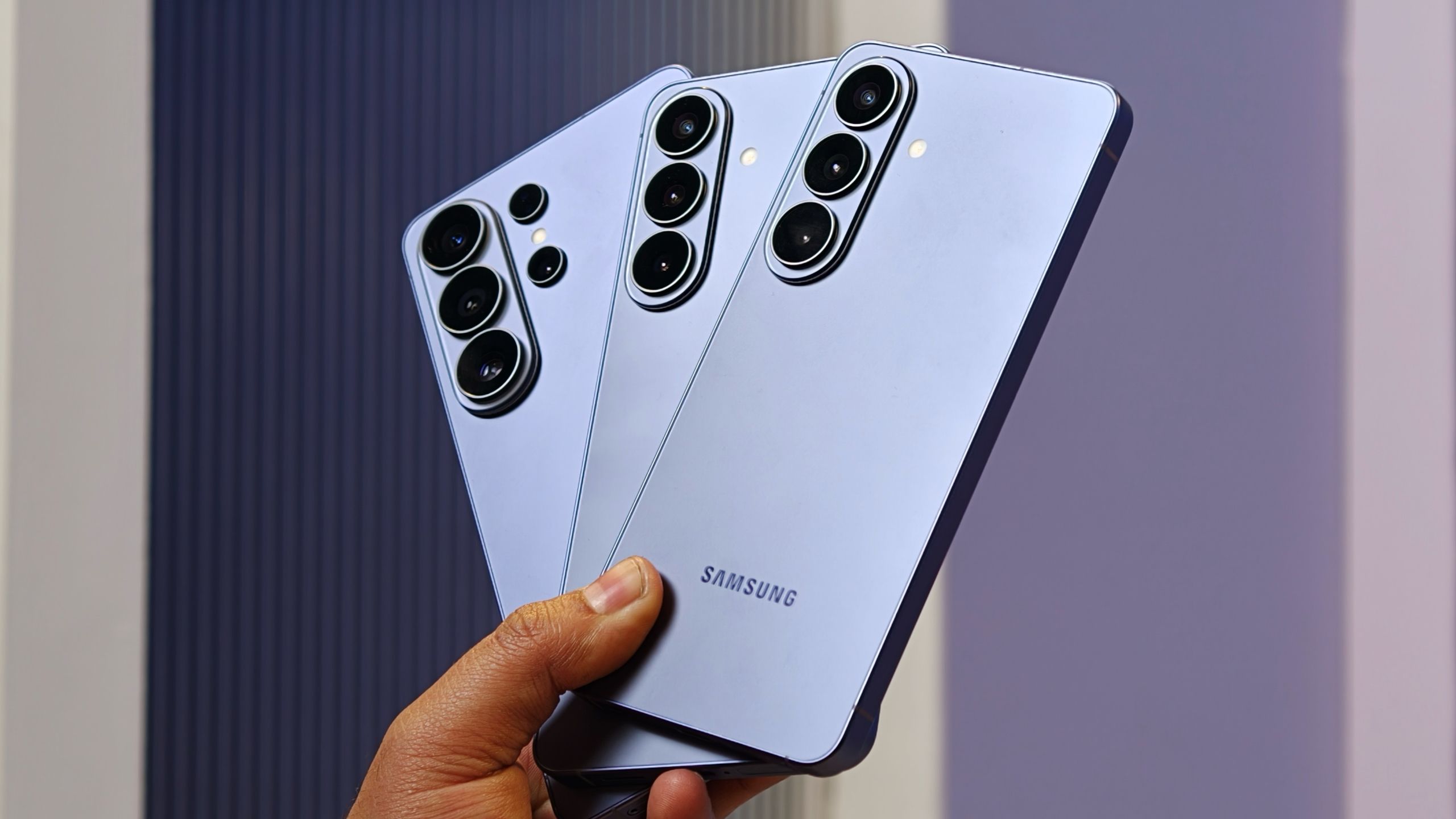
The leaked database listings indicate that Samsung plans to continue its regional and model-based processor division. Specifically, the base Galaxy S27 and the larger Galaxy S27 Plus are expected to be powered by Samsung’s proprietary Exynos 2700 chipset. Meanwhile, the ultra-premium Galaxy S27 Ultra will reportedly feature Qualcomm’s high-end Snapdragon 8 Elite Extreme Gen 6 processor. This division aligns with Samsung’s long-standing tradition of reserving Qualcomm’s absolute most powerful flagship silicon exclusively for its highest-end Ultra models, ensuring that the top-tier device maintains a clear performance edge.
However, the inclusion of the Galaxy S27 Pro in this generation’s lineup brings an unexpected twist. Leaks suggest that while the Pro model will bridge the gap between the standard and Ultra tiers, it is reportedly listed with the regular Snapdragon 8 Elite Gen 6 rather than the more powerful Extreme variant reserved for the Ultra. When Qualcomm introduced its Snapdragon 8 Elite Gen 6 processor series earlier in the year, the chipmaker split the lineup into two distinct versions: one carrying the "Extreme" branding and another utilizing the standard configuration. The Extreme variant sits comfortably at the top of Qualcomm’s mobile hierarchy, capable of achieving blistering clock speeds of up to a remarkable 5GHz.
By seemingly settling for the standard Snapdragon 8 Elite Gen 6, the Galaxy S27 Pro appears poised to miss out on Qualcomm’s absolute peak processing performance. Nevertheless, it is worth noting that even the standard tier of this processor is built on the same cutting-edge 2nm process architecture, meaning it will still deliver exceptional power efficiency and robust overall performance compared to previous generations.
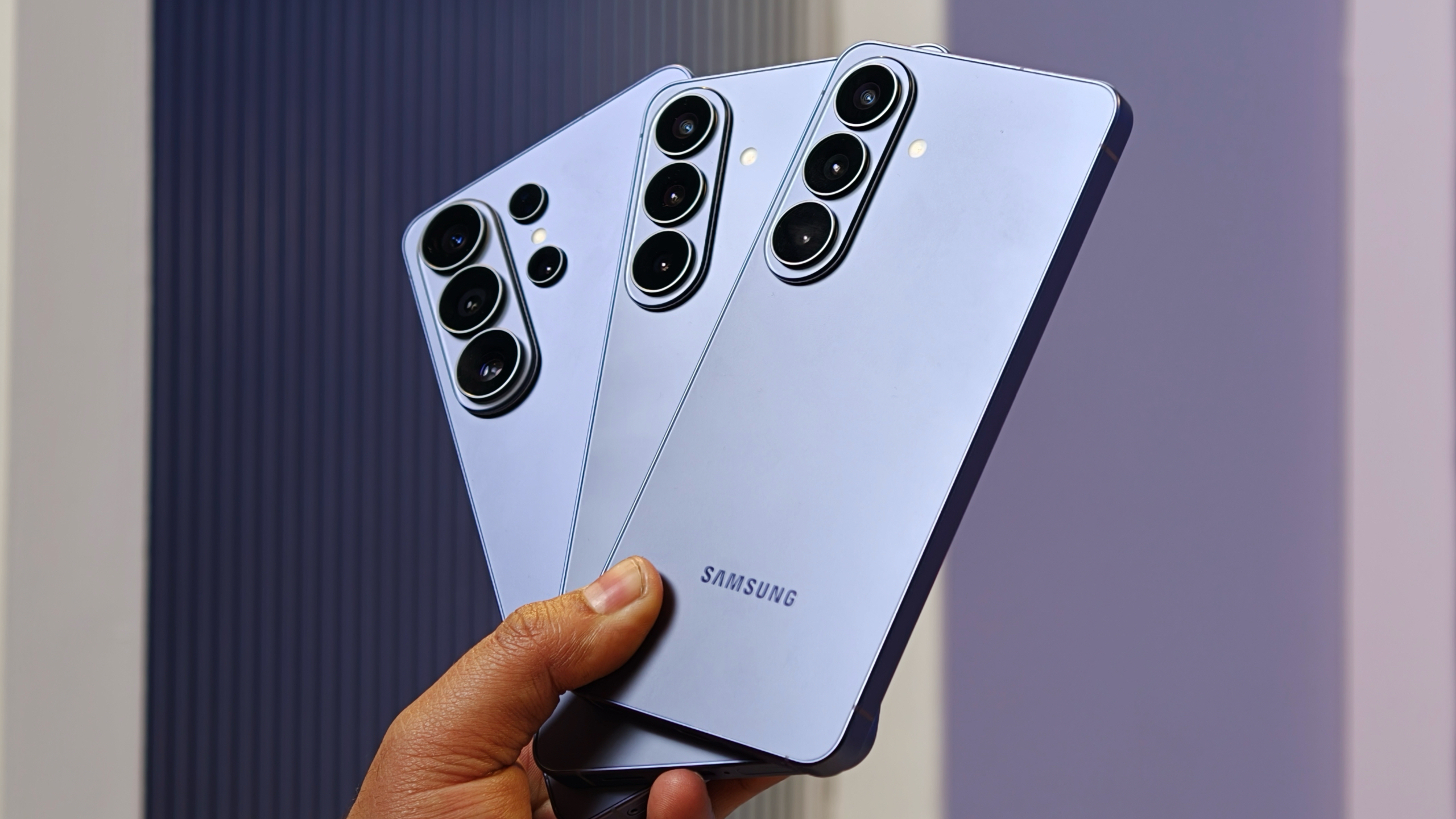
Industry analysts and hardware enthusiasts are already speculating about the rationale behind Samsung’s decision to equip the Pro model with the slightly lower-tier silicon. One of the leading theories revolves around thermal management and physical space constraints. The Galaxy S27 Pro is heavily rumored to inherit many of the high-end capabilities found on the Galaxy S27 Ultra—including innovative features like the Privacy Display—but package them into a significantly smaller, more compact form factor that lacks the built-in S Pen housing. Managing heat output in a tighter chassis is a persistent engineering challenge, and opting for a slightly less aggressive, lower-clocked chipset could be Samsung’s way of keeping operating temperatures and battery consumption under strict control without sacrificing day-to-day usability.
The physical dimensions and screen sizes of the broader Galaxy S27 family are also coming into sharper focus through these leaks. The entry-level Galaxy S27 is expected to retain a manageable 6.3-inch display, while the Galaxy S27 Plus will likely continue catering to fans of larger screens with a 6.7-inch panel. At the absolute apex of the series, the Galaxy S27 Ultra is anticipated to maintain its expansive 6.9-inch screen real estate. The newly introduced Galaxy S27 Pro is projected to occupy the middle ground, likely featuring a 6.5-inch panel that hits a sweet spot for users who want ample screen space without the unwieldy footprint of a massive Ultra device.
Beyond internal specifications and screen sizes, Samsung’s design language for the upcoming generation is also undergoing a noticeable evolution. Recent leaked renders indicate that the company is drawing inspiration from competing designs, most notably from Apple’s iPhone aesthetic. Most strikingly, the Galaxy S27 Ultra is reportedly moving away from the familiar vertical camera layout that has characterized recent models, shifting instead toward a distinctive horizontal camera plateau across the rear glass panel. These aesthetic adjustments suggest that Samsung is willing to experiment significantly with form factor and visual identity to keep its flagship line fresh in a fiercely competitive market.
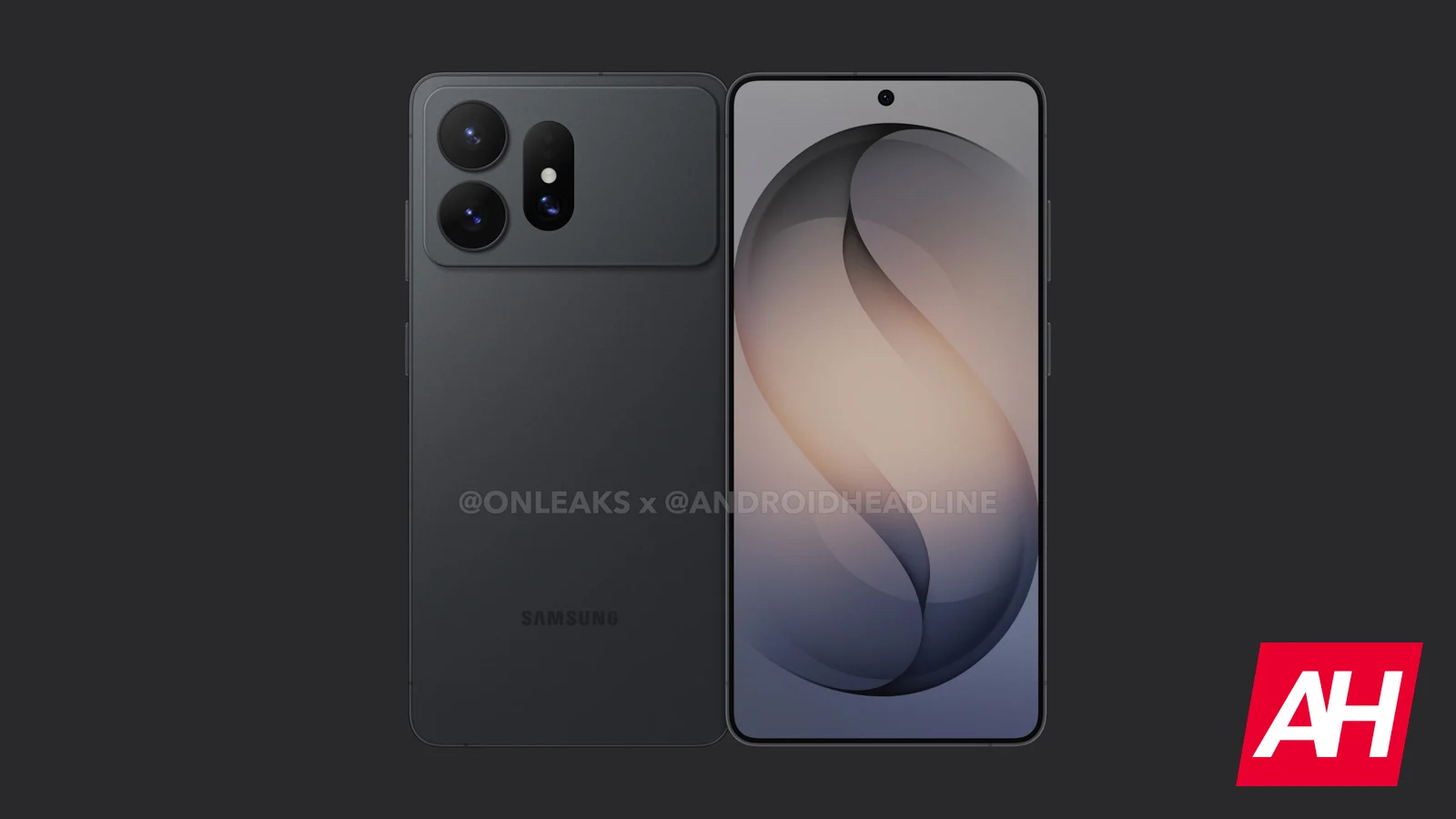
For consumers, the Galaxy S27 Pro shapes up to be one of the most intriguing additions to Samsung’s portfolio in years. It is specifically tailored for buyers who admire the advanced capabilities and feature set of the Ultra model but prefer a lighter, more pocket-friendly device that does not require managing a built-in stylus.
As the tech world looks ahead to the official launch window in the first quarter of next year, plenty of variables remain open to change. Supply chain adjustments, software optimization, and final manufacturing decisions could still alter the final specifications before Samsung makes its announcements official. If these early database leaks prove accurate, however, prospective buyers will need to weigh whether the Galaxy S27 Pro’s smaller form factor and feature-rich design outweigh the absence of Qualcomm’s most extreme processor tier.