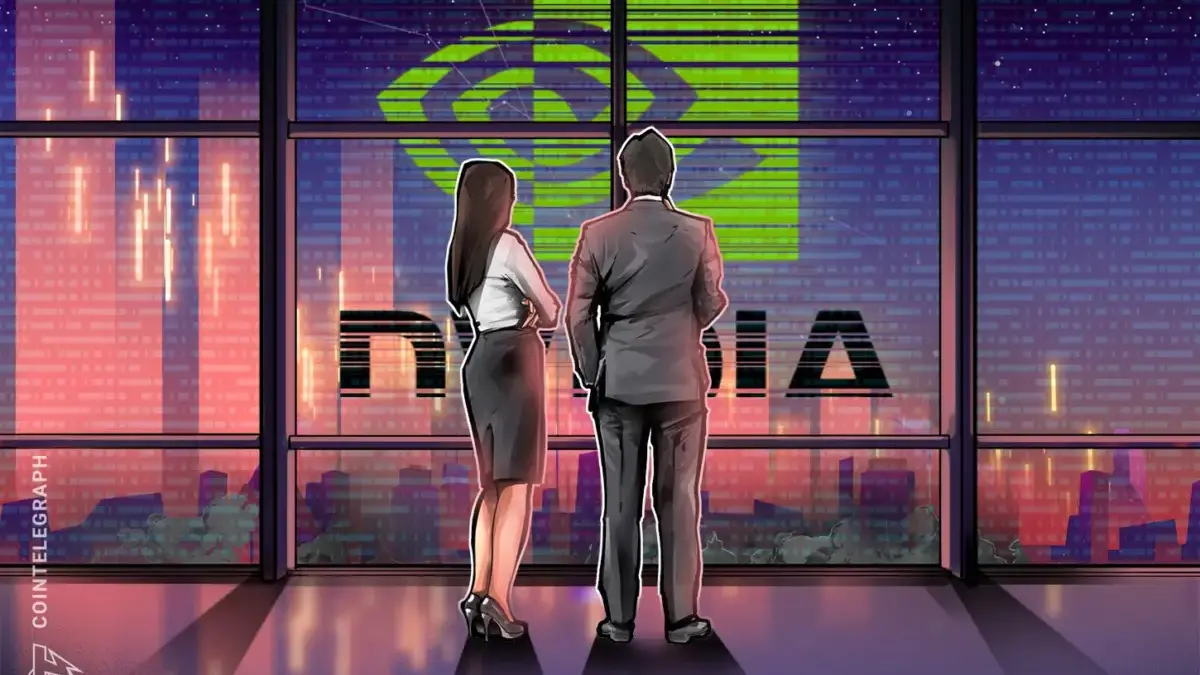
Chipmaker Nvidia and its high-profile Chief Executive Officer, Jensen Huang, are bracing for a significantly more adversarial political climate in Washington, D.C., according to a report published by Semafor. Despite Huang’s prior working relationship and strategic engagements with President Donald Trump—including a seat on a prominent presidential advisory council—political analysts and recent developments suggest these ties will likely be insufficient to shield the tech giant from escalating bipartisan scrutiny.
The post-election landscape in the United States capital is shaping up to be a complex regulatory battlefield for the world’s leading artificial intelligence hardware provider. On one side of the political aisle, victorious Democrats are positioning themselves to take the lead on powerful congressional regulatory committees, eyeing aggressive oversight of the technology sector. Concurrently, Republicans in the House and Senate are independently planning to advance tougher, more restrictive export controls on advanced semiconductors, a move that directly intersects with Nvidia’s global business model and its lucrative market operations overseas.
The mounting political pressure was thrown into sharp relief this week following actions from both parties. According to Semafor’s reporting on Friday, three Republican members of the House of Representatives have formally requested that Huang appear for a congressional briefing. The lawmakers are seeking answers regarding whether the CEO had recently been targeted by a Chinese intelligence agent, an inquiry that highlights the intense national security concerns surrounding the semiconductor supply chain and top-tier tech executives.
At the same time, Democratic lawmakers are ramping up their own independent lines of inquiry. Senator Elizabeth Warren has publicly called for Huang to testify before Congress regarding Nvidia’s complex chip sales to China, alongside other related business practices and regulatory compliance matters. These simultaneous moves from both Republicans and Democrats underscore a rare moment of bipartisan alignment when it comes to scrutinizing the dominance and geopolitical exposure of American artificial intelligence hardware manufacturers.
The tightening political net comes despite concerted efforts by Nvidia’s leadership to maintain a collaborative dialogue with the highest levels of the United States government. Earlier in the year, Cointelegraph reported that President Trump appointed leaders from the cryptocurrency, blockchain, artificial intelligence, and broader technology industries to his Council of Advisors on Science and Technology. That high-level advisory body notably included Nvidia’s CEO, signaling an initial attempt by the administration to incorporate key industry voices into national tech strategy.
Furthermore, Huang had previously met directly with the president to discuss the intricacies of export controls governing Nvidia’s advanced artificial intelligence chips. These high-stakes discussions were aimed at finding a balance between national security objectives and the commercial interests of American technology firms operating in a competitive global market. However, political realities in Washington appear to be shifting away from industry-friendly accommodations toward a much harder line, driven by growing concerns over technological competition with foreign adversaries and national security vulnerabilities.
The brewing storm in Washington also coincides with broader legislative and regulatory debates impacting the tech and crypto ecosystems. As policymakers grapple with the rapid acceleration of artificial intelligence and digital assets, regulatory bodies and congressional committees are finding themselves under immense pressure to establish clearer rules of the road. For Nvidia, the intersection of foreign policy, trade restrictions, and domestic political maneuvering creates a uniquely challenging environment, proving that personal relationships at the executive level may no longer insulate major corporations from rigorous legislative oversight.