The individual at the center of the operation, Alice Huang—who is not related to the Nvidia chief executive—served as an executive at Megaspeed, an artificial intelligence company and a customer of Nvidia. According to the Times, China’s Ministry of State Security (MSS) enlisted her not only to glean critical technical and strategic information regarding advanced United States AI hardware, but also to potentially maneuver the chipmaking giant into advocating for relaxed export controls that would make its most powerful semiconductors more readily available to the Chinese market.
Megaspeed operates within a delicate ecosystem of global technology supply chains, and Alice Huang’s professional footprint extended far beyond a single firm. Investigators and reporting indicate that she maintained extensive relationships with executives at the highest echelons of the global AI chip industry, including key leadership figures at major hardware manufacturing firms such as Gigabyte. These high-level connections made her an exceptionally valuable asset for foreign intelligence operations seeking deep visibility into the rapidly accelerating development cycles and supply distribution strategies of the American technology sector.
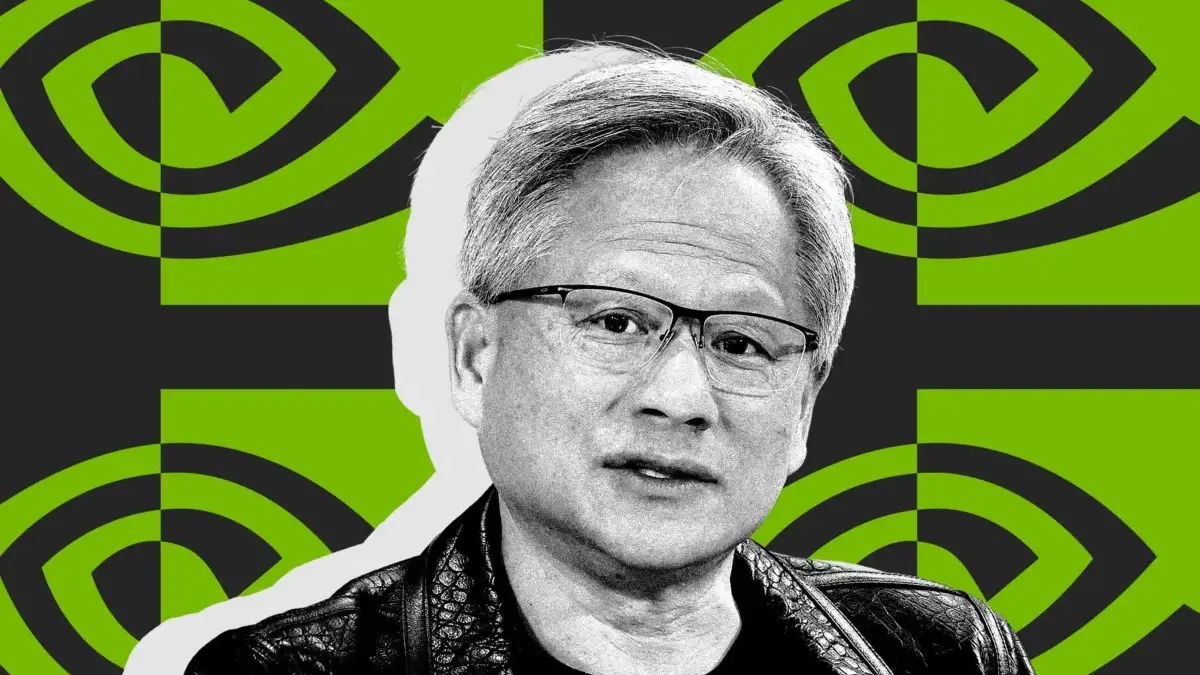
This latest revelation builds upon previous reporting from The New York Times, which initially revealed that Jensen Huang had been targeted by a sophisticated Chinese espionage plot and shed light on the personal and professional relationship between the two namesakes. While the earlier reporting detailed the existence of their close relationship and framed the Nvidia CEO as a target of foreign intelligence interest, the confirmation that Alice Huang was formally recruited and directed by China’s Ministry of State Security marks a significant escalation in our understanding of the security threats facing foundational American technology enterprises.

The national security implications of the operation quickly reached the highest levels of the United States government. President Donald Trump, who has cultivated a friendly and visible rapport with Jensen Huang and previously hosted him at high-profile technology summits, was personally briefed on the unfolding situation involving the Chinese intelligence asset last year. Despite being apprised of the intelligence community’s findings regarding the relationship, the administration did not take immediate public executive action at the time, leaving the matter to evolve as counterintelligence investigations continued behind the scenes.
However, political pressure intensified dramatically following the publication of the latest investigative details. In a swift bipartisan move on Capitol Hill, the leaders of three key House committees formally requested that Jensen Huang appear before Congress for a joint, closed-door briefing. The congressional inquiry, spearheaded by House committee chairs including Representative Brian Mast, Representative John Moolenaar, and Representative Rick Crawford, aims to examine the nature and extent of the Nvidia CEO’s interactions with Alice Huang, as well as any potential vulnerabilities these engagements may have introduced to America’s critical technology infrastructure.
The congressional push highlights the growing anxiety among federal lawmakers regarding the aggressive tactics employed by foreign intelligence services to infiltrate the American artificial intelligence supply chain. As AI chips increasingly become the cornerstone of global economic dominance and national security, companies like Nvidia find themselves at the center of a tense geopolitical struggle between the United States and China. Nvidia’s graphics processing units and specialized accelerators are vital for training frontier artificial intelligence models, making the company’s leadership, proprietary technology, and regulatory lobbying efforts prime targets for foreign espionage.
The ongoing scrutiny underscores the unprecedented challenges tech executives face as they navigate international business relationships in an era of intensifying great-power competition. With federal investigators digging deeper into the MSS operation and congressional leaders demanding answers behind closed doors, the spotlight remains firmly on Silicon Valley’s most influential chipmaker and the complex web of global intelligence threats surrounding the race for artificial intelligence supremacy.