OpenAI announced a sweeping new set of community commitments on Thursday regarding its massive infrastructure expansion, most notably pledging that it will no longer use non-disclosure agreements (NDAs) with public officials when negotiating and planning new data center projects.
The policy shift comes in the wake of recent midterm elections where voters across multiple regions voiced strong opposition to the rapid, often opaque expansion of energy-hungry data centers in their backyards. By dropping broad secrecy agreements, the creator of ChatGPT is attempting to foster a more transparent relationship with the municipalities that host its sprawling AI infrastructure.
For years, the burgeoning data center industry has faced intense public scrutiny and criticism for relying heavily on NDAs to shroud discussions between private developers and local government officials in secrecy. These confidentiality pacts have frequently prevented residents from understanding the true environmental impacts, resource consumption, and fiscal incentives associated with massive tech investments in their communities.
Under its new framework, OpenAI says it is moving away from restrictive secrecy and will permit only narrow protections explicitly covering legitimate security information, trade secrets, or proprietary and competitively sensitive information. This policy mirrors a similar move made by Amazon in October, when the e-commerce and cloud computing giant announced it would halt the use of NDAs with government agencies collaborating on its own artificial intelligence data center initiatives.

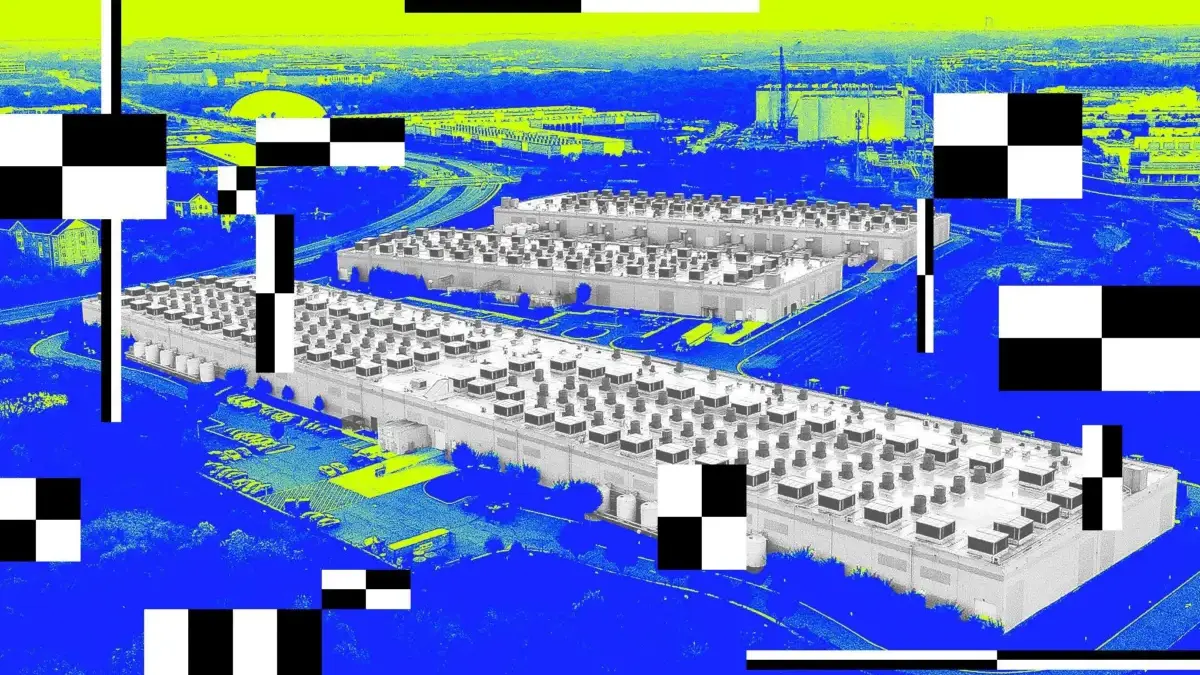
The decision by OpenAI to abandon broad NDAs highlights a growing recognition within the tech sector that community pushback has become a significant bottleneck for AI infrastructure development. As artificial intelligence models require increasingly vast amounts of computational power, the physical footprint of these facilities has expanded dramatically, sparking local debates over zoning, water usage, grid stability, and noise pollution.
Alongside the pledge to eliminate non-disclosure agreements, OpenAI’s new community guidelines outline several other operational standards designed to reassure local stakeholders. The company stated that it will pay the full cost of the electricity it consumes, as well as cover the costs of the local infrastructure needed to support its operations. Critics of the data center boom have frequently expressed concern that tech campuses could strain local power grids and shift utility cost burdens onto residential taxpayers, making energy and infrastructure funding a central pillar of OpenAI’s new commitments.
Furthermore, the company has committed to driving local economic opportunities by publicly sharing projected job creation metrics and publishing regular reports on its hiring practices. To ensure these standards are applied consistently, OpenAI announced that every future "compute campus"—the company’s recently adopted terminology for what are traditionally known as data centers—that it owns and operates will feature a formal "local compact."
According to OpenAI, these local compacts will codify the company’s new commitments while remaining flexible enough to reflect the unique priorities of each host community. As the artificial intelligence industry continues its unprecedented physical expansion across the country, these shifting transparency standards signal a new phase in how major technology firms negotiate their presence with local governments and the public.