When the Fedora Design Team set out to host the inaugural Creative Freedom Summit in January 2023, the organizers faced a fundamental philosophical question: Can a conference dedicated to open source creativity be successfully executed using entirely open source infrastructure? For the team behind the event, the answer not only proved to be a resounding yes, but it also offered a valuable blueprint for community-led virtual events moving forward.
The event, held from January 17 to 19, 2023, was designed to fill a growing gap in the open source community. The initiative was conceived by Marie Nordin after she reviewed an overwhelming number of talk submissions for Flock, the annual conference for Fedora users and contributors, held in August 2022. The submissions focused heavily on design and creativity within the open source ecosystem—far more than the schedule could accommodate. Recognizing the immense enthusiasm for open-source-based design work, Nordin brought the idea of a dedicated spin-off conference to the Fedora Design Team in the fall of 2022.
Given that it was the first time running a completely new event format, the organizing team decided to curate the schedule using invited speakers drawn from the previous Flock submissions and personal networks within the open source creative community. The response was overwhelmingly positive, with nearly every invited speaker accepting. Because the initial roster was curated directly, the team did not utilize an open source Call for Papers management tool, a logistical component the organizers plan to tackle ahead of future iterations.
The Dilemma of Hosting Open Source Events on Proprietary Platforms
Since the onset of the COVID-19 pandemic, the Fedora project’s primary event, Flock, has relied on Hopin, a proprietary online conference platform. While Hopin is not open source, it has remained popular due to its polished professional feel, integrated sponsor booths, multi-track support, and built-in moderation tools. As a Fedora-sponsored event, the Creative Freedom Summit had access to this existing infrastructure, presenting an early logistical dilemma for the organizing committee.
For long-term open source contributors who have spent decades championing decentralized, transparent software, relying on proprietary systems to host events celebrating open source can feel counterintuitive. However, as the scale and complexity of modern online communities grow, developing and maintaining an integrated, reliable open source conference system presents significant logistical hurdles.
Organizers must weigh various competing factors when making these decisions, including budget constraints, technical capabilities, and volunteer hours. For the Creative Freedom Summit, the team operated with zero budget, relying instead on a dedicated group of volunteers willing to contribute significant work hours. They also had access to established Fedora infrastructure, including a Matrix server and a hosted WordPress system. Furthermore, key organizers possessed the technical experience required to run live weekly video calls using PeerTube, and the team shared a collective desire to experiment with an entirely open source technical stack while maintaining a low-key, single-track, and informal atmosphere.

Building an Open Source Conference Stack
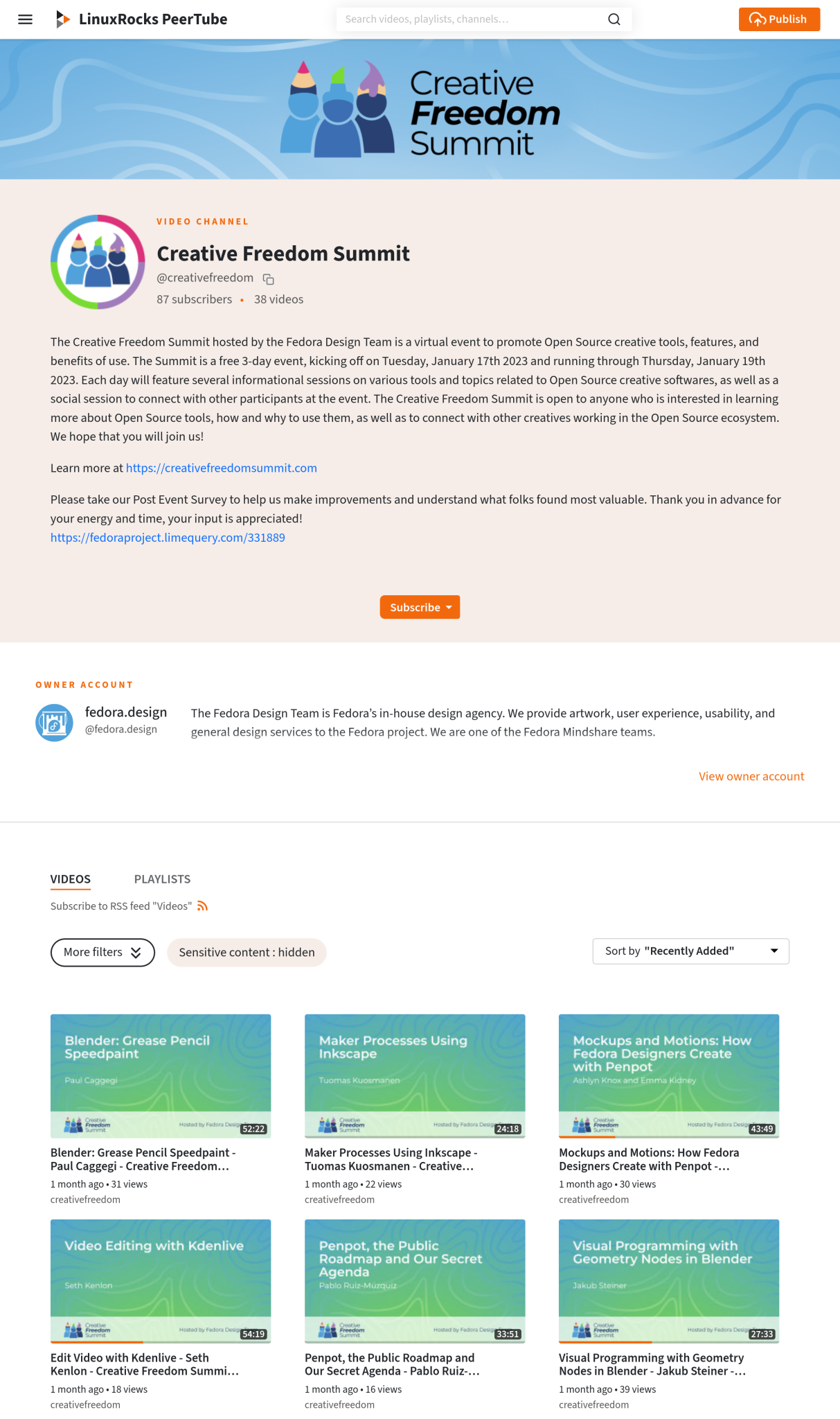
To bring the Creative Freedom Summit to life without relying on proprietary event platforms, the team assembled a robust stack of free and open source tools. The live components of the event relied on the LinuxRocks PeerTube platform for livestreaming, Jitsi Meet for the virtual stage where speakers presented, and Element via Matrix for the backstage coordination and attendee chat experience. For announcements, scheduling, and live question-and-answer sessions, the team utilized collaborative pads.
Following the conclusion of the live broadcasts, the post-event phase involved community-driven video editing using Kdenlive, project management through GitLab epics, and attendee feedback collection via LimeSurvey.
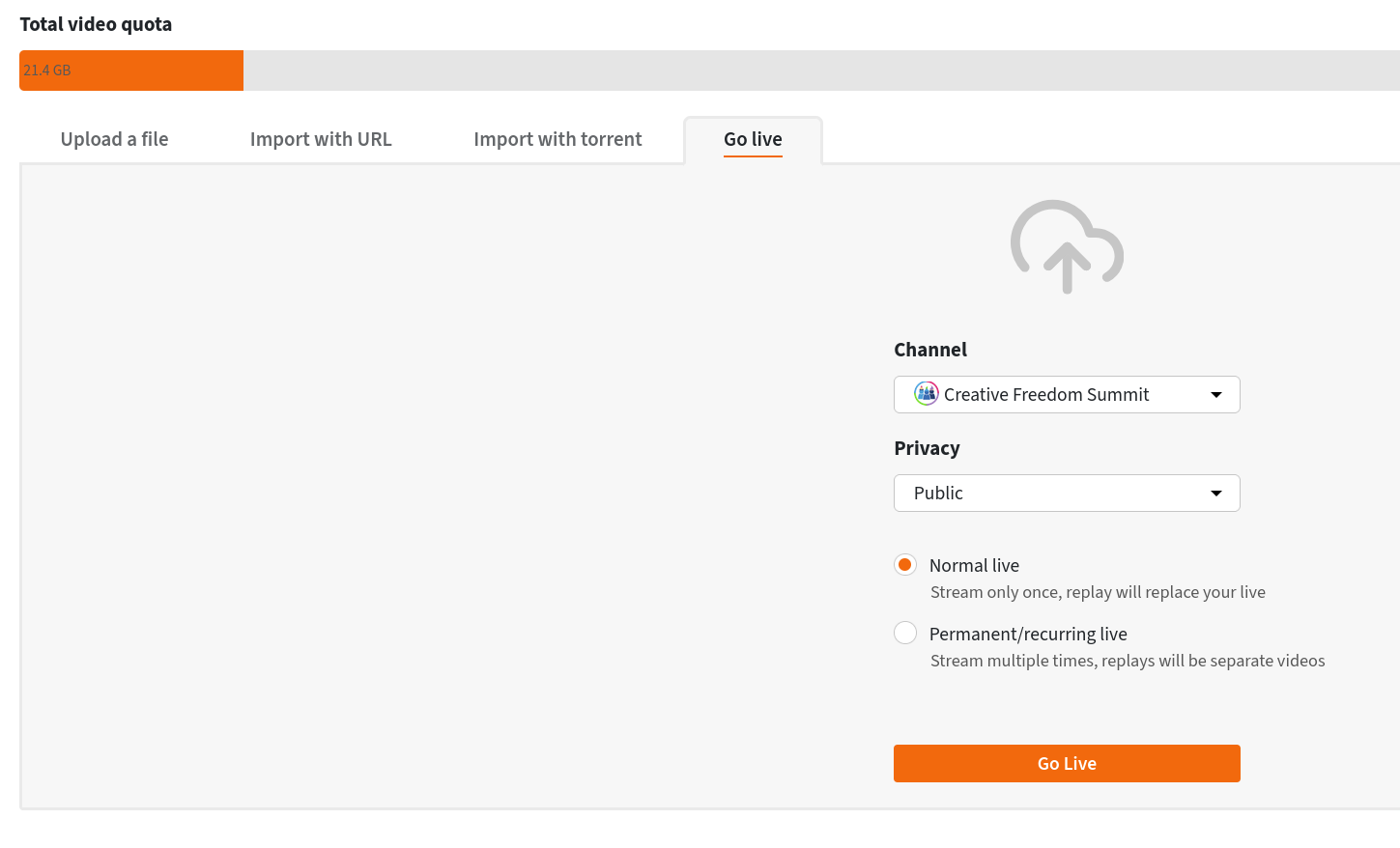
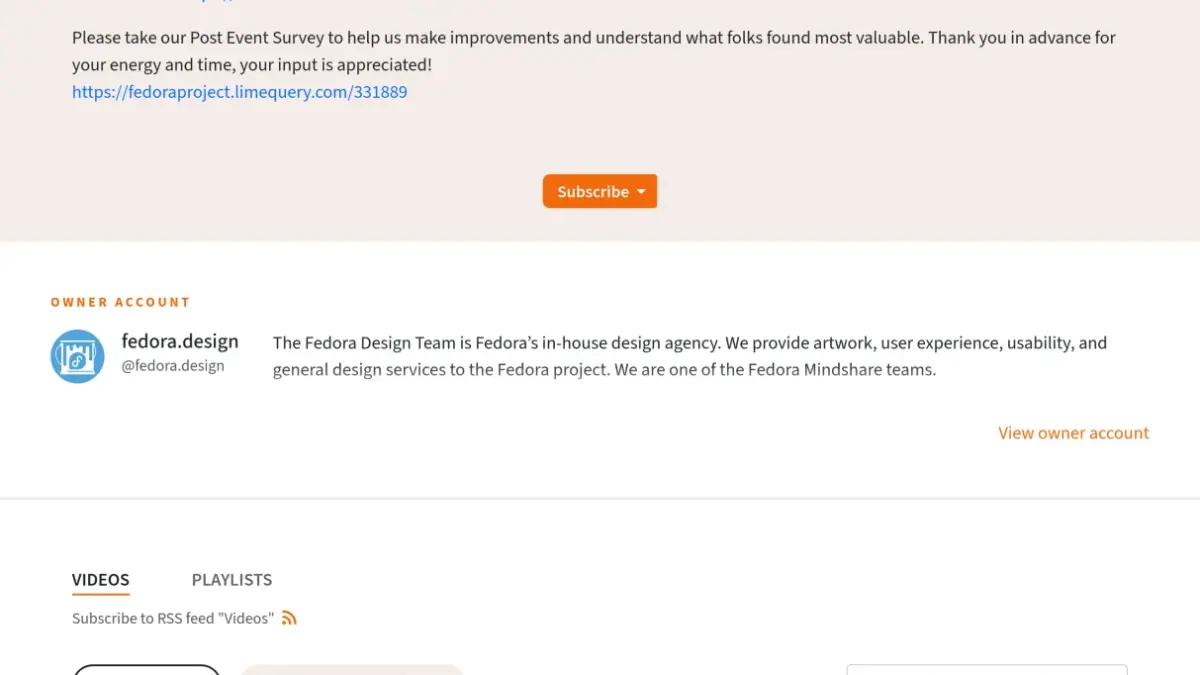
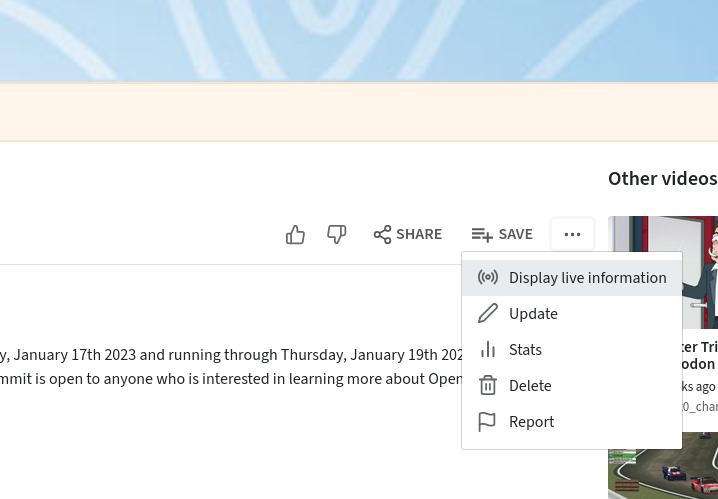
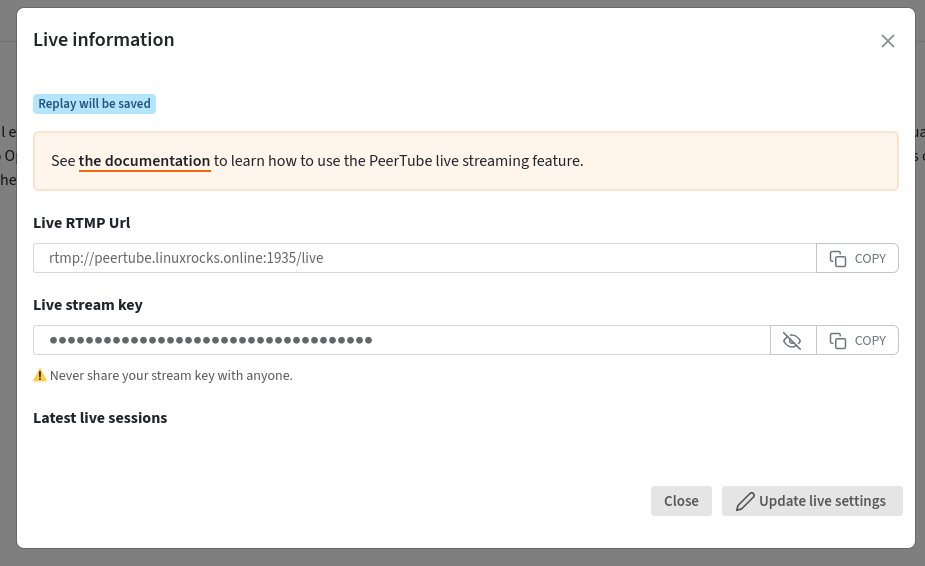
For the livestreaming infrastructure, the team partnered with LinuxRocks.online, which generously hosted the Creative Freedom Summit channel on its decentralized PeerTube platform. PeerTube is a free and open source video platform integrated into the broader Fediverse. One of the platform’s standout features is its automated instant-replay functionality. Unlike traditional streaming setups that require manual uploading and coordination after a broadcast concludes, PeerTube automatically generates a near-instant recording on the event channel the moment a livestream ends. This feature received high praise from attendees in the chatroom, who could catch up on missed sessions within minutes of their conclusion without any manual intervention from the volunteer organizing team.
The streaming workflow utilized a reusable livestreaming URL and authorization key, which eliminated the administrative overhead of generating unique stream keys for every individual talk. Organizers shared the key in a common document, allowing different hosts across various shifts to initiate the streams seamlessly.
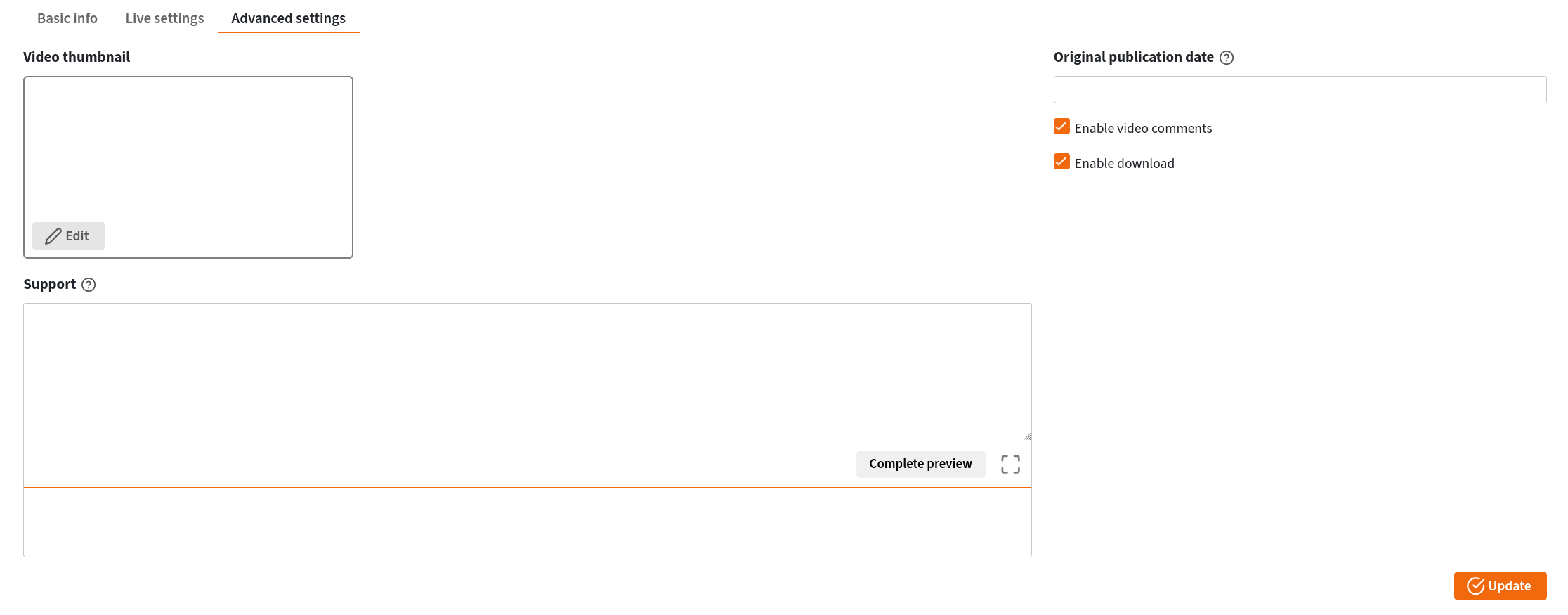
For the virtual stage where speakers delivered presentations and shared their screens, the team utilized the open source video conferencing platform Jitsi Meet. By creating a custom meeting room and sharing the link strictly with speakers and hosts, the organizers maintained control over the virtual backstage. The room was configured with a virtual lobby, allowing speakers to join shortly before their scheduled presentations without disrupting ongoing sessions. To broadcast these presentations to the public, the Jitsi room was directly connected to the LinuxRocks PeerTube channel via built-in streaming integrations.
Managing Live Operations and Lessons Learned
Running a live virtual conference using a decentralized stack inevitably presents minor operational hurdles, providing valuable learning experiences for the organizers. During the first day of the conference, the Jitsi stream was left running continuously across multiple presentations, resulting in raw recording files that contained multiple talks. This made the instant-replay function slightly more cumbersome for attendees trying to locate specific presentations before the edited individual video files could be processed and published. For subsequent days and future events, the team adjusted their workflow to toggle the stream on and off between individual talks, ensuring a clean one-to-one ratio of recordings to presentations.
The event also highlighted the importance of managing audio feedback loops when handling multiple concurrent video streams and chat clients. Organizers noted that monitoring livestreams requires strict discipline regarding browser tabs and communication apps to prevent audio loops during speaker introductions.
Behind the scenes, the team relied on Element, a client for the decentralized Matrix communication protocol, to coordinate logistics. A dedicated, invite-only backstage chat room allowed organizers to communicate with speakers, verify audio and video setups prior to going live, and manage schedule adjustments dynamically when unexpected conflicts arose.
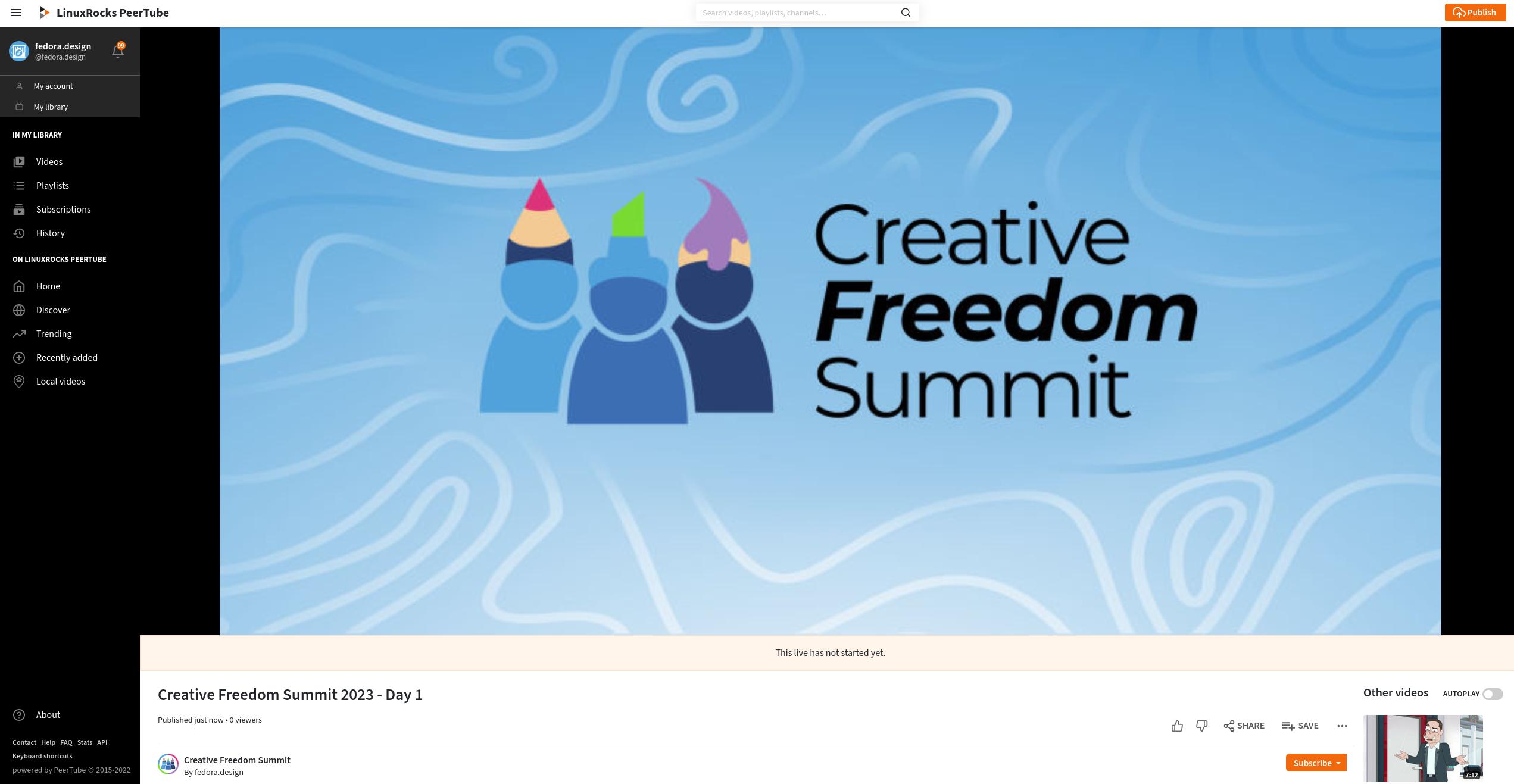
To create a centralized conference experience for attendees, the main Matrix chat room utilized a widget system that embedded external web applications directly into the chat interface. Organizers embedded the PeerTube livestream alongside collaborative document pads that displayed daily schedules, general announcements, and a dedicated space for audience questions. Hosts monitored these question pads and read inquiries aloud to speakers during the live Q&A segments.
Website, Post-Event Work, and Community Engagement
The public-facing web presence for the summit was developed by Ryan Gorley using WordPress and hosted by WPengine. The site functioned as a streamlined landing page featuring an embedded schedule provided by sched.org.
Following the conclusion of the summit, organizers deployed an open source survey tool called LimeSurvey to gather feedback from participants regarding the event experience. The responses were evaluated during regular post-event meetings held by the organizing committee in shared collaborative documents.
A major focus of the post-event phase involved video post-production. Volunteers rallied from the conference chat channel to clean up recordings, add title cards, and insert intro and outro music. Because some raw recordings required trimming or reassembly, the team utilized GitLab epics to organize tasks based on volunteer skillsets and video states. Volunteers downloaded raw files from the main PeerTube channel, edited them locally using the open source video editor Kdenlive, and uploaded the finalized versions to a private account before administrators moved them to the main public channel.
Additionally, the organizing team explored automated accessibility enhancements, noting that tools built into Kdenlive allow for speech-to-text generation of subtitles. While live captioning was not part of the initial live stack, community members successfully utilized collaborative chat features for live transcription, pointing toward potential improvements for future summits.
By successfully orchestrating a multi-day virtual conference entirely through open source software and volunteer coordination, the Fedora Design Team demonstrated that decentralized tools can support professional, community-driven events at scale. The organizers hope the open source stack utilized during the Creative Freedom Summit will inspire other communities to explore similar collaborative approaches for their own virtual gatherings.