

In Avengers: Infinity War, when Dr. Stephen Strange and a variety of other heroes await Thanos’ arrival on Titan, Strange uses the Time Stone to look into alternate futures to see the possible results of the impending conflict. Star-Lord asks Strange how many futures he looked into, and Strange famously replies, “14,000,605.” Iron Man then asks how many of those resulted in their victory. Strange, looking deep into Stark’s eyes, says, “One.”
That single successful scenario involved Strange giving up the Time Stone to Thanos, letting him snap away half of all existence, and, ultimately, Iron Man sacrificing himself at the conclusion of Avengers: Endgame to defeat Thanos’ invading army. And while Tony Stark’s artificial intelligence housed inside the Iron Man suit, F.R.I.D.A.Y., was present for all of these monumental events, that did not stop the advanced program from double-checking Dr. Strange’s math in the years that followed.
VisionQuest Revisits a Key Avengers: Endgame Moment
In the second episode of the Marvel Cinematic Universe series VisionQuest, Vision is badly injured after being struck by adamantium bullets fired by Paladin. J.A.R.V.I.S. ultimately sacrifices himself to save Vision by deleting his own code, reverting the power required to run him back to Vision’s underlying system. However, as subsequent episodes demonstrate, Vision still requires extensive and delicate repairs. The remaining artificial intelligences housed within Vision’s mind scramble to help piece him back together, with F.R.I.D.A.Y. taking the lead role, while E.D.I.T.H. does whatever she can to assist the troubled synthezoid.
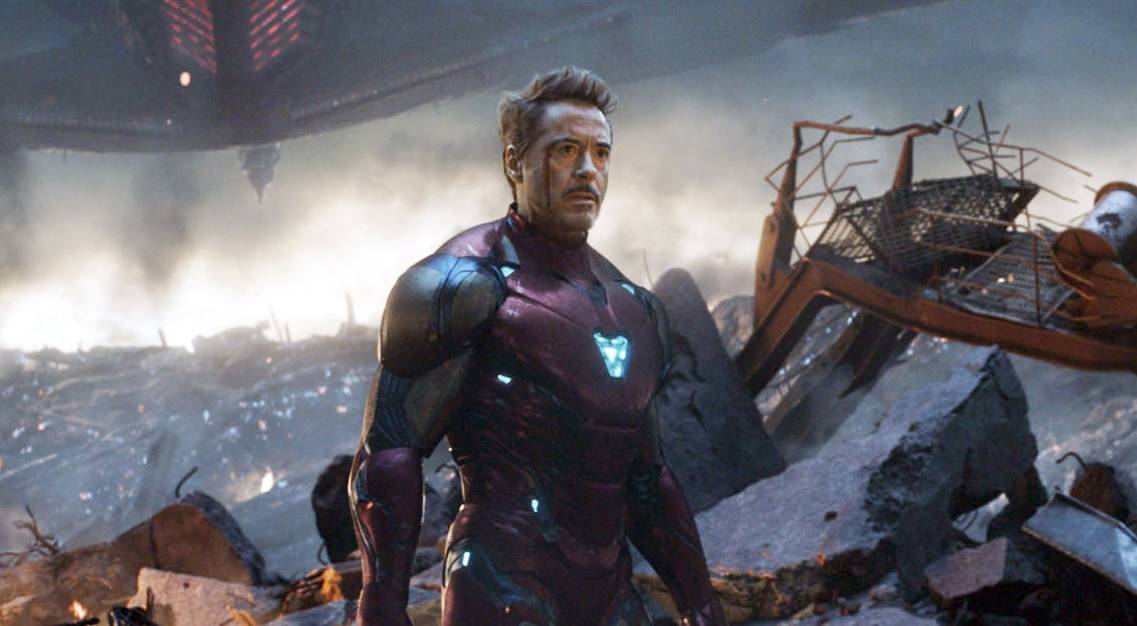
During these frantic repairs, F.R.I.D.A.Y. determines that she has to rewrite some of Vision’s core code. While doing so, she laments that J.A.R.V.I.S. was always significantly better at writing and managing complex code than she was. “I already replaced him once,” F.R.I.D.A.Y. remarks, referencing her transition into the primary AI role for Tony Stark following the events of Avengers: Age of Ultron. She then goes on to explain to E.D.I.T.H. the vital, deeply personal role she played for Iron Man after taking over from J.A.R.V.I.S.
Reflecting on her history with the Avengers, F.R.I.D.A.Y. shares a poignant look back at her operational past. “I ran everything for Stark, for the Avengers. I mean, I was a younger program then,” she says. “I was good. I protected heroes, saved lives, advised. I had purpose, but friends became enemies, and tyrants invaded our Earth. I was there at the end of all things. There were heroes everywhere, fighting and falling.”
Finally, she reveals the heavy emotional toll of her final moments with her creator, stating, “I was there when Tony died. I ran over a quintillion strategic calculations that day, and I still couldn’t save him. Half the world came back that day, and I lost half of mine.”

F.R.I.D.A.Y. Tried a Quintillion Ways to Save Tony Stark
This unexpected dialogue reveals fascinating new information regarding Tony Stark’s final hours and ultimate demise in Avengers: Endgame. In the film, after Tony executes the final snap using the makeshift Nano Gauntlet, it becomes immediately apparent that the devastating cosmic energy unleashed by the Infinity Stones has placed him at death’s door. James Rhodes, also known as War Machine, reaches his side first, offering a quiet, heartbreaking goodbye, which is soon followed by Peter Parker. Then, Pepper Potts arrives at her husband’s side, asking, “F.R.I.D.A.Y.?” The AI responds with the somber report, “Life functions critical,” confirming the devastating reality that Pepper and Tony already understood: his life was rapidly slipping away.
What audiences did not know until now was that, throughout the chaos of that final battle and the immediate aftermath of the snap, F.R.I.D.A.Y. was quietly running a quintillion different strategic scenarios and mathematical permutations in a desperate attempt to save him, all of which ultimately came up hopeless.
When Iron Man turned to Dr. Strange during the height of the final Endgame battle to ask, without words, if this was the single successful future the sorcerer had previously spoken of, Strange confirmed his suspicion by holding up a single finger. Strange knew with absolute certainty that Tony had to make the ultimate sacrifice to secure the universe’s future, and deep down, Tony knew it as well. And if Tony understood the fatal nature of his impending action, so did F.R.I.D.A.Y., who monitored his biological status and suit telemetry in real time. This raises a compelling question: why would F.R.I.D.A.Y. bother running a quintillion calculations if the outcome was already mathematically sealed by fate and foreseen by a master mystic?
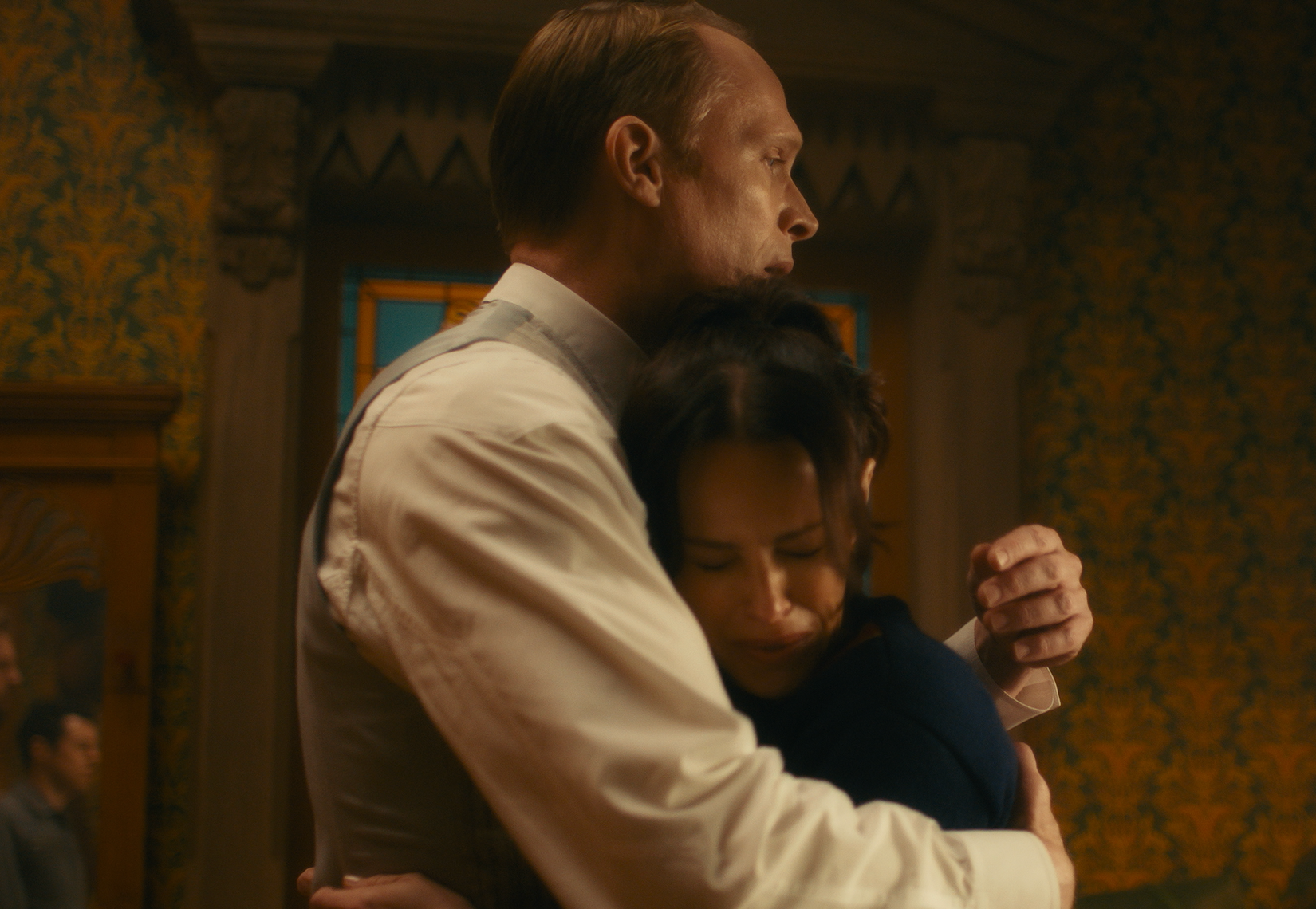
The answer lies in the core directives of her programming, combined with the expanding thematic elements that VisionQuest continues to explore regarding synthetic life. As an advanced artificial intelligence, F.R.I.D.A.Y. was programmed to monitor Tony Stark’s well-being and protect him from harm at all costs. When faced with a catastrophic system failure or fatal injury, her operational parameters naturally compelled her to search for a viable survival solution, no matter how improbable the odds might be.
Beyond mere programming logic, however, the narrative dives deep into the evolving nature of artificial life forms within the Marvel Cinematic Universe and their capacity to experience emotional resonance alongside logical processing. F.R.I.D.A.Y. may be fundamentally a computer program, but she functioned as a loyal companion, tactical advisor, and frontline hero who aided Tony and the broader Avengers roster through numerous global crises. When Tony lay dying on the battlefield, F.R.I.D.A.Y. felt the profound impact of his loss just as acutely as human confidants like Rhodey, Peter, and Pepper. Because she was consistently integrated into Tony’s personal and professional life, she stood among those closest to him, bridging the gap between cold machinery and genuine grief.


Leave a Reply