
As artificial intelligence systems take on increasingly complex engineering tasks—ranging from selecting appropriate software development kits to executing intricate tool calls—human developers are discovering a distinct friction point: workflows that appear effortless to a human can still cause coding agents to stumble, loop, or fail entirely.
To systematically uncover these hidden failure modes and evaluate the real-world reliability of autonomous software engineering systems, Microsoft has developed a new evaluation framework called Scope. Released under the permissive MIT license on GitHub, the project focuses on the emerging field of Developer Agent Experience, or DevAx, providing engineering teams with a robust mechanism to drive existing coding agents through standardized tasks and objectively score their outputs.
How Scope Evaluates Coding Agents
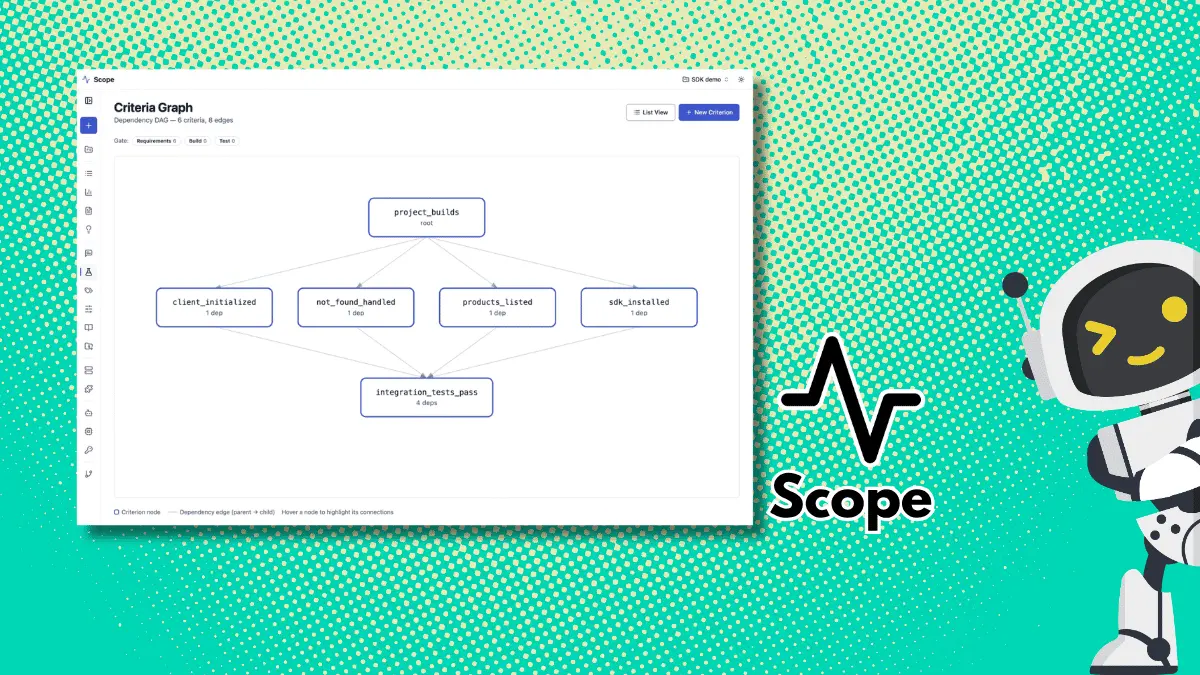
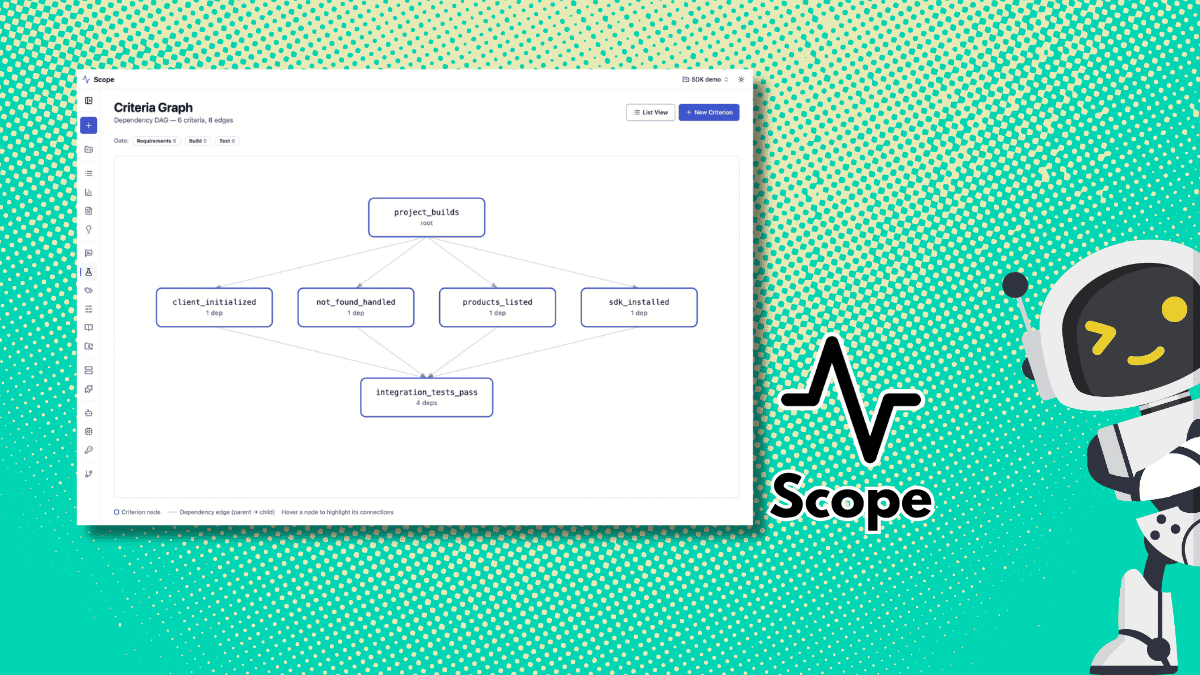
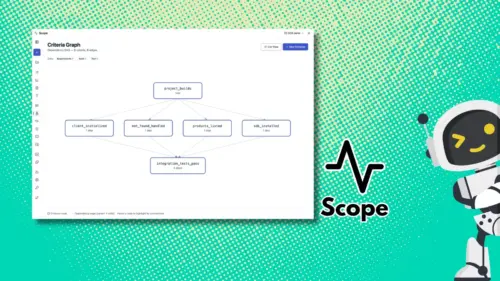
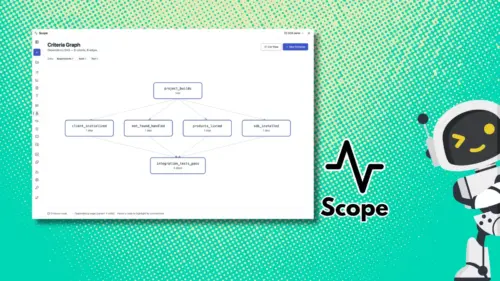
The core architecture of Scope is designed to simulate authentic development scenarios by taking a defined task, an optional starting codebase, and a specific agent configuration, and then driving established platforms such as GitHub Copilot and Claude Code through the workflow from start to finish. Rather than relying on simple subjective impressions, success within Scope is defined through granular criteria structured as a dependency graph, where specific checks can gate subsequent validations. For instance, a basic evaluation scenario might ask an agent to build a Node.js server and verify that it successfully implements a specific GET health route returning a structured JSON response.
To handle the evaluation of complex software outputs, Scope integrates an LLM-based Judge service that scores each automated run against the predefined dependency criteria. Because automated judges are inherently susceptible to edge-case errors, Microsoft explicitly advises that critical architectural conclusions and high-stakes deployment decisions still warrant careful human review.

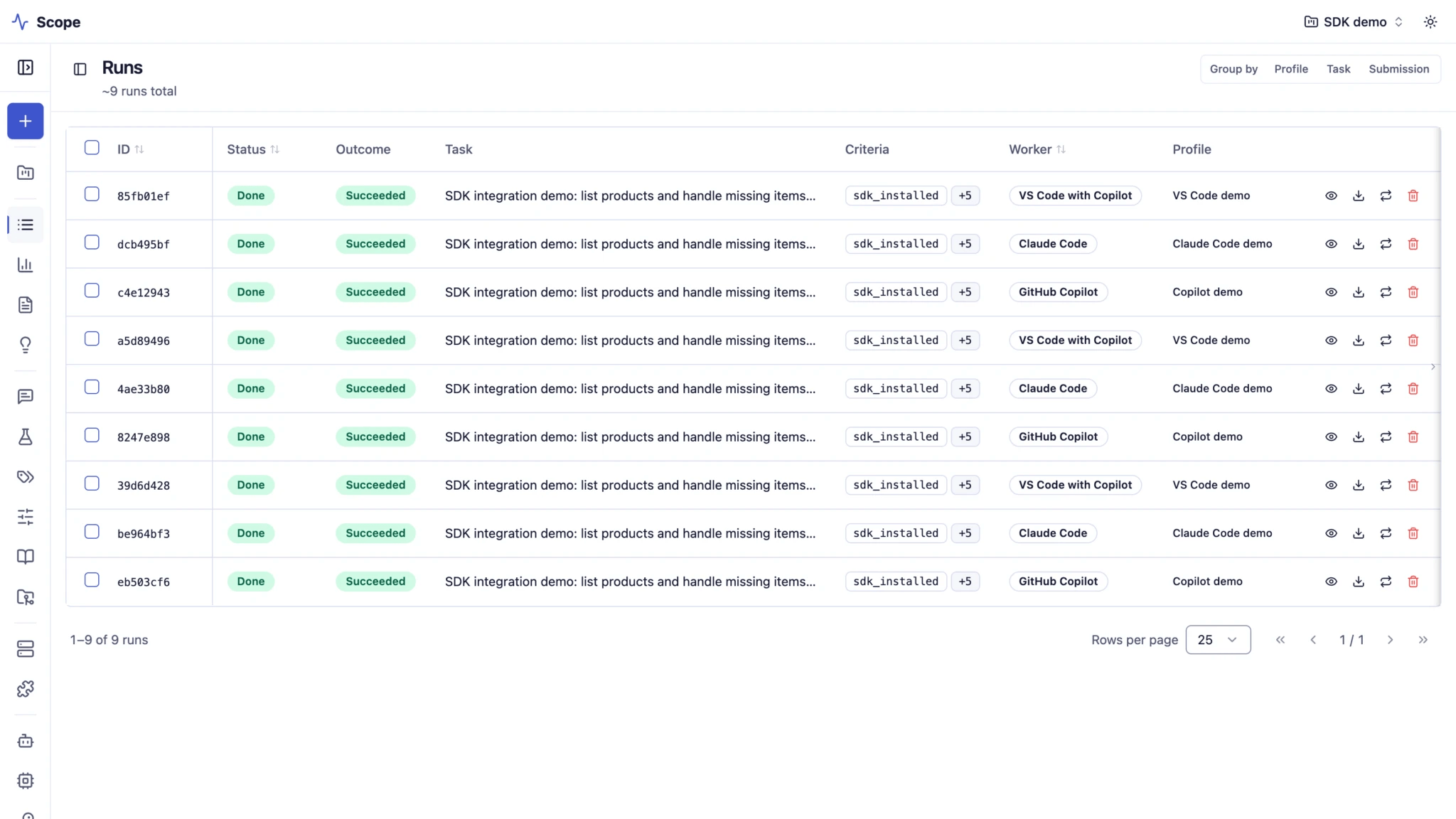
During every evaluation run, the framework captures comprehensive telemetry, including live execution logs, generated source files, complete workspace snapshots, and detailed tool call histories. When a specific criterion fails, engineers can trace the exact sequence of events back through the recorded steps to pinpoint the root cause. Furthermore, Scope utilizes versioned profiles to preserve the exact state of the agent, underlying model, specialized skills, Model Context Protocol servers, and associated extensions.
This version control approach allows teams to swap out a single variable, rerun the identical task, and directly compare the resulting performance shifts. Because artificial intelligence model outputs naturally vary between attempts, repeating scenarios helps development teams distinguish between recurring systemic problems and isolated, one-off execution errors. Additionally, configurable personas allow operators to simulate different user viewpoints and interaction tones, while results can be reviewed directly within a dedicated web portal or integrated into continuous integration pipelines using the provided command-line interface and REST application programming interface.
Practical Applications Across Software Ecosystems
The utility of an evaluation framework like Scope spans several distinct segments of the modern software development lifecycle. Documentation teams, for example, can leverage the tool to monitor instructions or guidelines that automated agents consistently miss across successive runs, allowing technical writers to refine documentation pages and immediately retest the scenario to confirm improvement.
Meanwhile, software development kit maintainers can use the evaluation harness to determine whether an agent actively selects their SDK over alternative libraries when presented with a natural language prompt. Maintainers can also test whether introducing new sample code blocks, architectural patterns, or specialized agent skills meaningfully alters the agent’s decision-making process.

For creators of command-line tools and Model Context Protocol servers, the detailed execution traces generated by Scope highlight precise moments where an agent stalls or becomes confused. These insights often point directly to vague tool descriptions, ambiguous parameter names, or unhelpful error messages that inadvertently leave the agent guessing its next move rather than progressing toward a solution.
Local Deployment and Technical Requirements
While the source code for Scope is freely accessible on GitHub for developers interested in auditing or contributing to the architecture, the framework does not currently offer a hosted cloud version. Consequently, teams wishing to utilize the tool must handle their own local execution or infrastructure deployment.
Setting up a local development environment requires a specific suite of modern engineering tools, including Docker equipped with Compose version two, Node.js version twenty-two, pnpm package manager, mkcert for local SSL certificates, and the official GitHub CLI. Microsoft provides comprehensive local development documentation to guide engineers through the initial configuration process.
For standard worker execution, the framework requires an active GitHub Copilot entitlement, while the underlying Judge service needs authenticated credentials for a supported model provider. Organizations looking to establish a centralized, shared evaluation environment within their enterprise infrastructure can deploy Scope on Kubernetes using the official Helm chart provided in the repository.
Leave a Reply