
Readers visiting Opensource.com lately may have noticed a distinct quietness across the platform. Behind that digital calm, however, a significant amount of work is underway. The community is hard at work building something entirely new, and while specific details regarding the upcoming project remain under wraps for the moment, there is already plenty to discuss. And what better way to begin a conversation about the future of a connected platform than by looking at the internet itself?
The Internet, and Top-Level Domains
To understand where the community is heading, it helps to revisit how the digital world is structured. Most people know that the internet is a vast network. By definition, a network is simply a group of interconnected connections. In fact, the very word "internet" is a portmanteau combining "interconnected" and "network."
Historically, the internet began as a network of interconnected networks, originally consisting of just two main entities: a military network and an academic network. As the technology matured and gained popularity far beyond those initial specialized groups, it quickly became apparent that different designations were necessary to help users identify the nature of the digital spaces they were visiting. Society needed a way to instantly differentiate between a commercial entity, a charitable organization, a university, or a governmental department.
These critical designations are formally known as top-level domains, or TLDs. While there are numerous extensions available across the web today, for a long time there were only a handful of options. These original top-level domains remain remarkably popular and deeply embedded in internet culture. Most internet users intuitively understand that when they navigate to an address ending in .com, they are visiting a commercial site. Conversely, when they visit an address ending in .org, they expect to find a non-profit organization providing community services, educational resources, or public advocacy. These suffixes do more than just route traffic; they tell a story about the intent, governance, and identity behind the web page.
Open Source Is a Network
Open source, much like the broader internet, can take many different forms. It can be commercial, non-profit, academic, or cultural. It powers enterprise software, grassroots community tools, scientific research, and artistic endeavors. However, no matter what form open source takes, it is fundamentally and always a network.
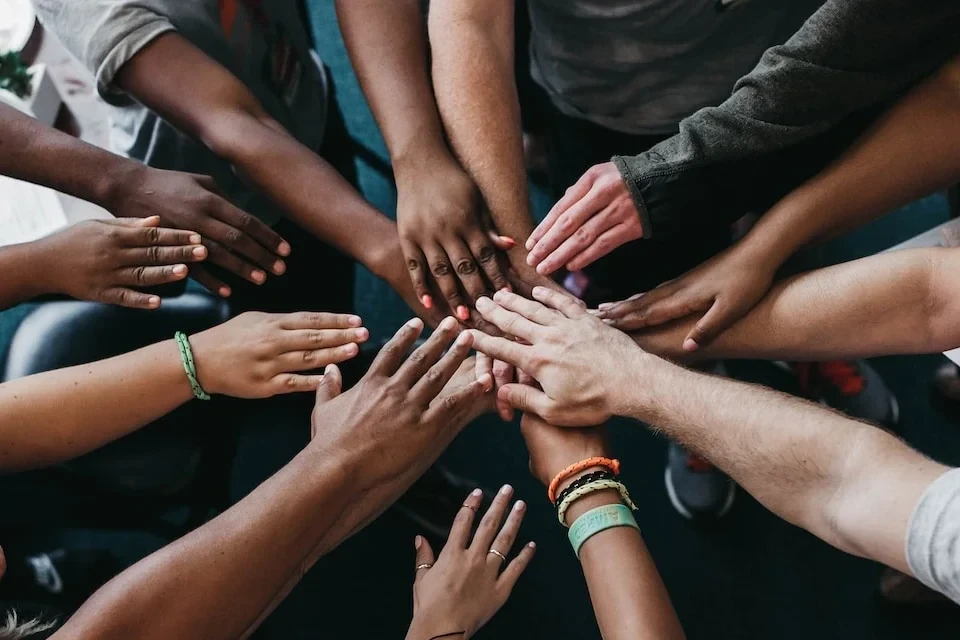
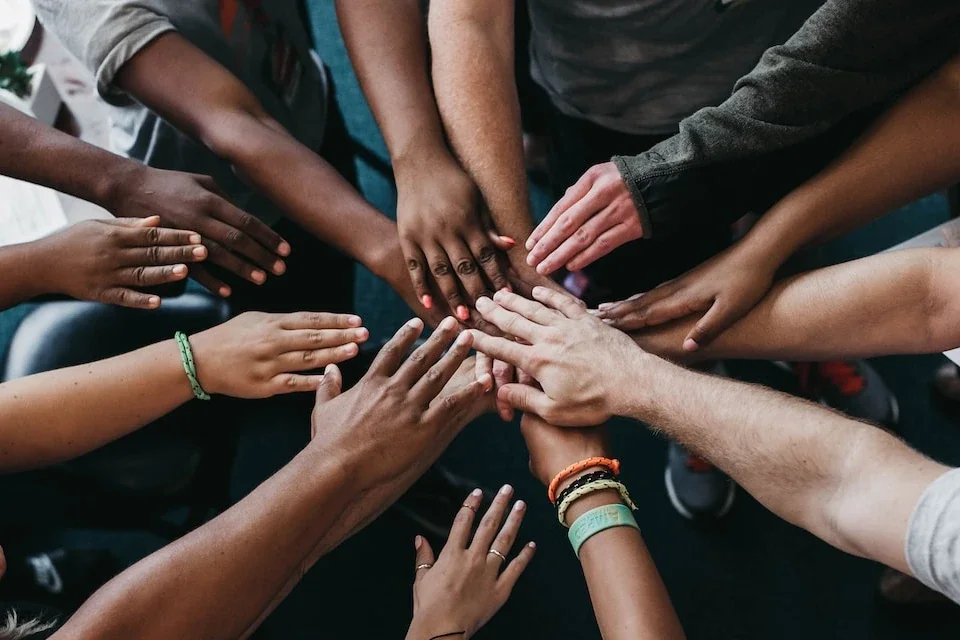
Sometimes, that network is literal, consisting of computers, servers, repositories, and distributed codebases. But more importantly, and at its very core, open source is a network of people. Whether individuals are gathering in person at a bustling global technology conference, sharing ideas over drinks at a local pub, or collaborating asynchronously in an online chat room, open source is first and foremost a community of living, breathing human beings.
For the past twelve years, the website Opensource.com has been supported by a commercial entity. That backing helped the platform grow into a widely recognized hub for sharing ideas, success stories, and technical insights. Yet, the people who actually make up the Opensource.com community—the writers, editors, advocates, contributors, and readers—are not commercial entities. They are individuals. They are people bound by a shared passion for collaborative creation, transparency, and the free exchange of knowledge.

The structural relationship between a corporate-backed platform and a vibrant grassroots human network has occasionally presented unique dynamics. Now, the community is preparing to address that dynamic directly. In just one month, Opensource.com is set to resolve that long-standing alignment and take its next major step forward.
As the countdown begins, the community invites everyone who has contributed to, read, or shared stories on the platform to stay tuned for the official unveiling. Opensource.com continues to publish stories about creating, adopting, and sharing open source solutions, maintaining its presence across digital channels as preparations move forward behind the scenes.



Leave a Reply