
The release of open-world role-playing games featuring sprawling branching paths often prompts a broader conversation about interactive storytelling: What does it truly mean for player choices to matter in a video game? Conventionally, players and developers alike tend to measure the success of a branching narrative by its sheer scale. Good choice-driven design is frequently associated with massive, dramatic shifts in the overarching plot or an exhaustive catalog of distinct endings.
Consider the overwhelming focus on the conclusion of Baldur’s Gate 3 and the myriad ways players could shape the fate of Faerûn. Years prior, a similar phenomenon surrounded the Mass Effect trilogy. While Bioware’s sci-fi epic subtly altered smaller details across three interconnected games, public discourse overwhelmingly zeroed in on the restrictive and polarizing final outcomes of Mass Effect 3.
Large-scale narrative branches are undeniably engaging. They offer a profound sense of satisfaction, granting players a tangible illusion of influence over events and beloved characters. Much like romance subplots in video games, however, this traditional format has grown somewhat predictable. The industry’s standard approach to consequence—where A leads to B, and choices serve primarily as traffic controllers steering players toward one of several pre-determined cinematic buckets—can begin to feel formulaic.
To explore more innovative territory, it is worth examining three distinct titles that utilize branching narratives in bolder, more unexpected ways, shifting away from simple binary outcomes to redefine how player agency shapes a virtual world.
Zero Parades: For Dead Spies
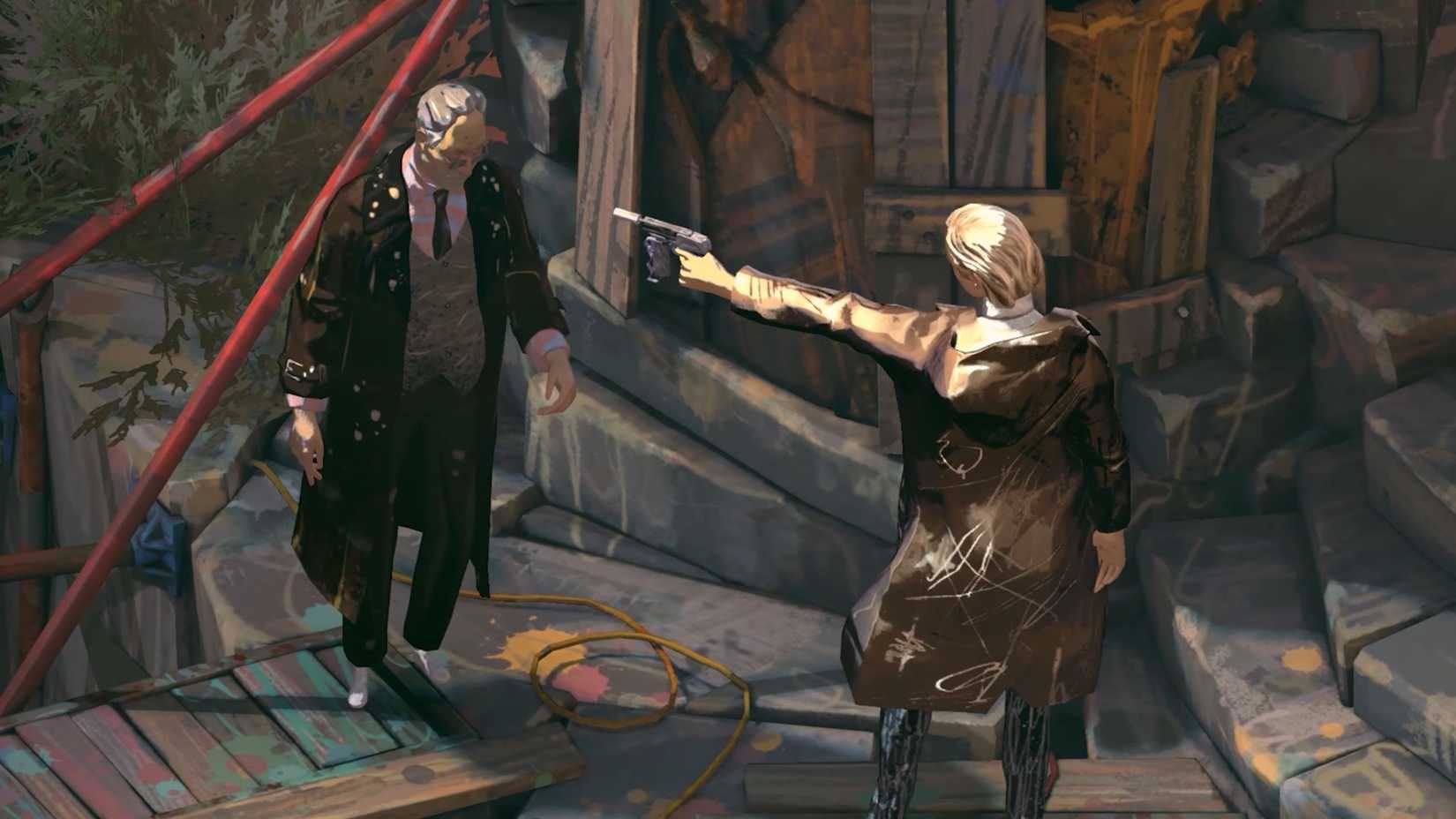
Releasing for Windows PC with subsequent console ports planned, Zero Parades: For Dead Spies stands out as a rare piece of interactive media where player choices influence far more than just the external plot; they fundamentally dictate the protagonist’s internal actions and mental state. The player steps into the shoes of Hershel, a seasoned operative who was once a spy. Following a catastrophic sequence of undisclosed incidents, Hershel finds herself decommissioned, trapped in a room alongside a comatose individual with zero recollection of how she arrived. A high-stakes, dangerous conspiracy is quietly unfolding in the fictional setting of Portofiro, and the player’s objective is to unravel the mystery, survive, and perhaps even stumble upon a path toward redemption.
Drawing clear thematic inspiration from its spiritual predecessor, Disco Elysium, Zero Parades incorporates familiar computer RPG elements such as persuasion, intellect, and internal mental checks. Yet, the game utilizes these attributes for much more than picking locks or deceiving NPCs. Allocating higher points to specific social or psychological skills unlocks entirely new perspectives during conversations, reframing the player’s understanding of unfolding events. While acquiring extra lore in traditional video games often feels like a consolation prize, the meticulous writing in Zero Parades ensures that these revelations are just as rewarding as discovering an entirely new physical path through the story.
At the same time, leaning too heavily into specific mental traits can lead the protagonist down a rabbit hole of psychological instability. Players might find themselves bonding with a drunken businessman over shared, bizarre delusions regarding a towering goddess, which proves entertaining until the character’s delusion statistic maxes out and results in an untimely demise. Similar mechanical threats are tied to fatigue and anxiety statistics, mimicking the fragile equilibrium of real life.

Balancing extreme decisions with measured restraint forms the core gameplay loop of Zero Parades, but regardless of the path chosen, the narrative consistently adopts an improvisational "yes, and" philosophy. Even when a player’s choice appears profoundly wrong or potentially fatal, the game almost always provides a way forward. That path, however, may diverge drastically from the original trajectory the player anticipated. This design keeps individuals in a state of perpetual uncertainty, cultivating the genuine feeling of having no idea what the correct course of action is, forcing players to improvise and hope for the best. In doing so, the game allows players to genuinely embody a character on a remarkably profound psychological level.
Slay the Princess
The development duo at Black Tabby Games has consistently embraced the challenge of pushing the boundaries of choice-driven narratives. While simultaneously working on their expansive horror project Scarlet Hollow, the studio stepped back to craft something more contained and experimental with Slay the Princess.
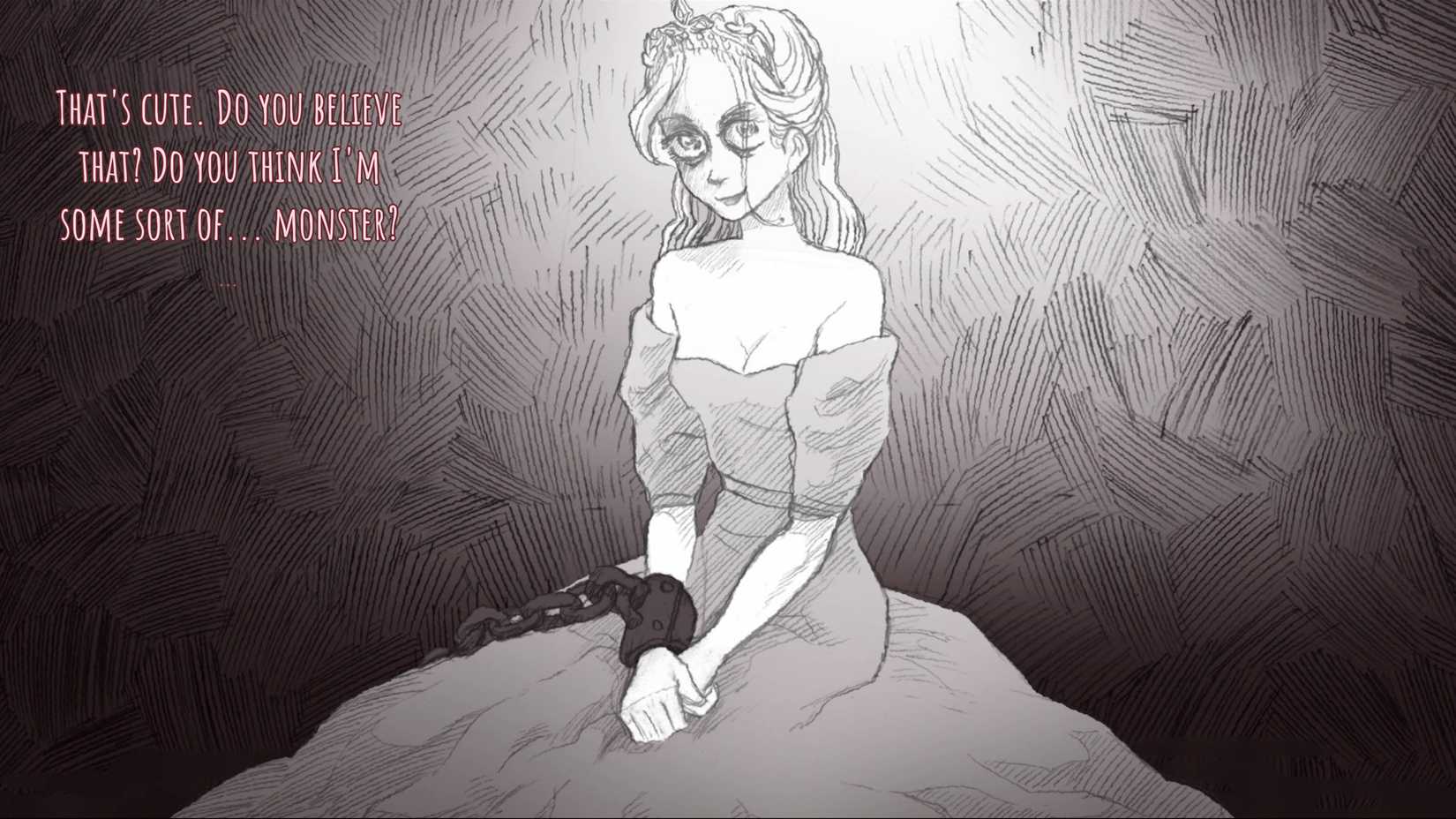
The premise places the player in the role of a lone warrior given a straightforward, ominous mandate: enter a secluded cabin, descend into the basement, and slay the princess imprisoned within. The accompanying narrator emphasizes that the prisoner is exceptionally dangerous—a fiendish monster disguised as an innocent maiden rather than a human being. The decisions made in those opening moments ripple outward across the remainder of the experience in wildly unforeseen ways. Even an act as defiant as refusing to enter the cabin is treated as a valid choice, instantly carving out an entirely new narrative branch.
When discussing games defined by player choice, the conversation inevitably drifts toward the total number of available endings. This metric represents the logical endpoint for assessing whether choices truly matter, yet it frequently overlooks the subtle ways a story transforms based on moment-to-moment interactions. Slay the Princess successfully bridges both philosophies. While its numerous branches ultimately funnel into a fixed set of potential conclusions, reaching those endpoints is only a fraction of the experience. Each path—even those that converge on the exact same final outcome—unfolds by exposing a fresh facet of the scenario, the protagonist, the princess, or an intricate combination of all three.
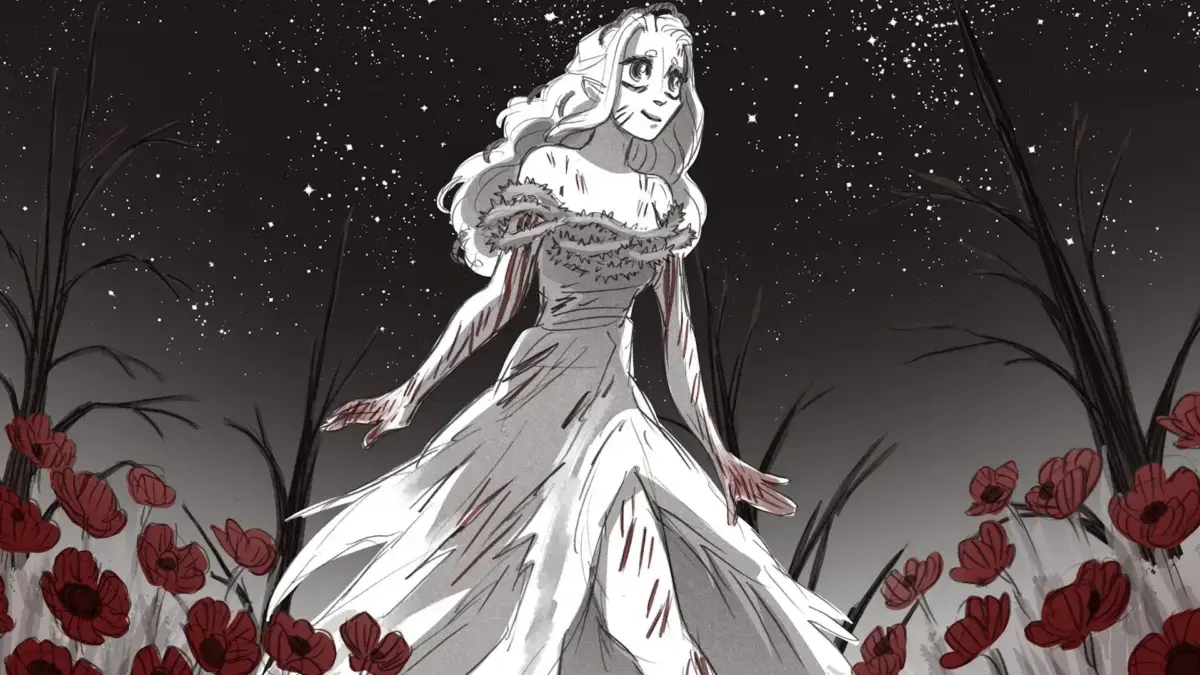
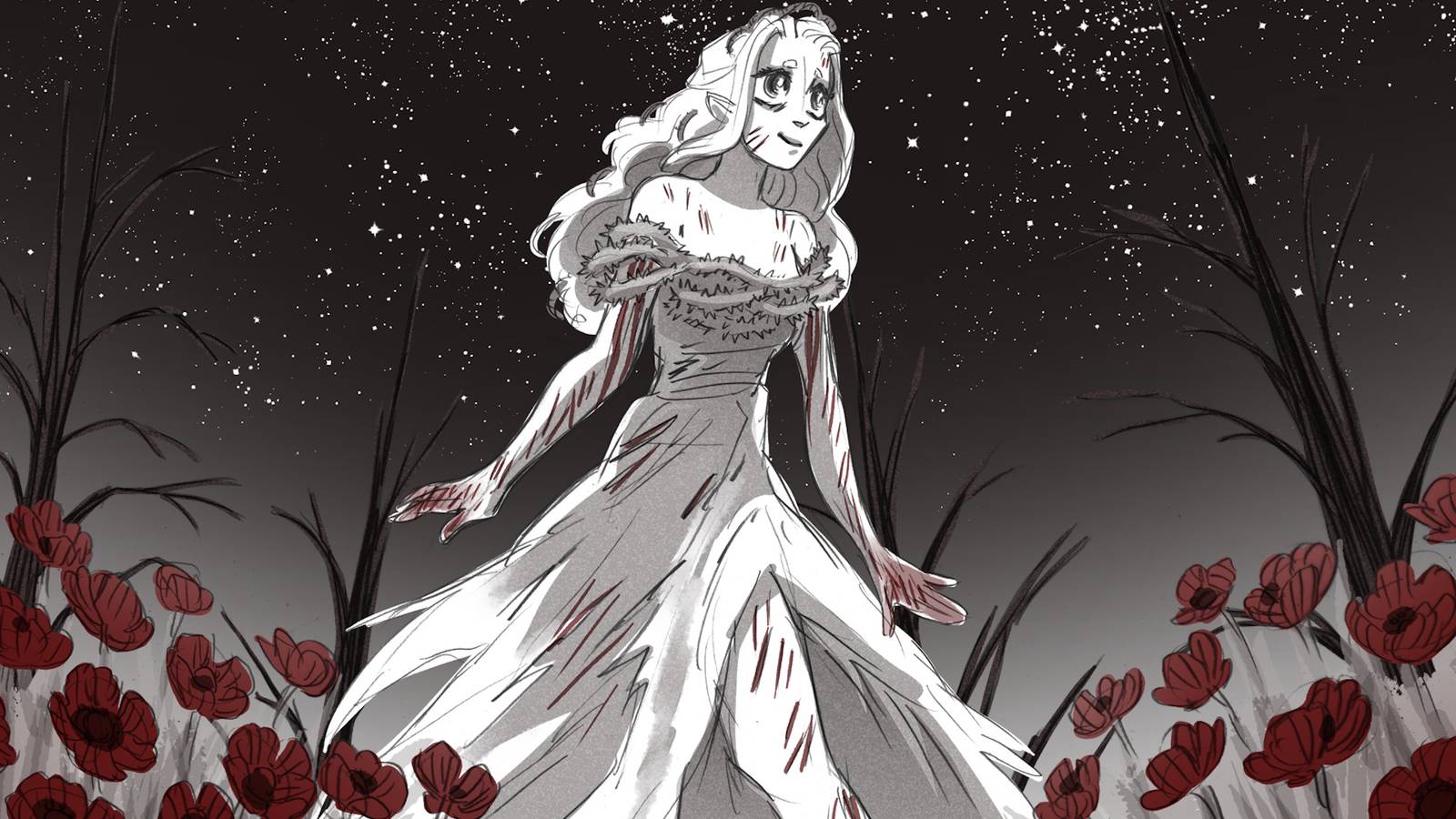
Players make their choices guided exclusively by raw instinct and the subjective interpretations they gather from ongoing interactions. For instance, if the princess brutally executes the player during an initial run, subsequent encounters are naturally colored by suspicion, making it far more difficult to believe her future protestations of innocence. This mechanical interplay instills an intensity unique to the title, achieving an emotional resonance that is impossible in stories where choices are reduced to a simple binary calculation of who lives and who dies.
Meanwhile, Black Tabby’s horror-infused visual novel and RPG-lite hybrid, Scarlet Hollow, continues to attract significant attention from enthusiasts of the genre. Although technically incomplete across its extensive chapter releases, the project shares the same sharp writing, distinctive artistic vision, and innovative approach to interpersonal relationships that define the studio’s broader philosophy on interactive storytelling.
The Hundred Line: Last Defense Academy
While traditional role-playing games rely on a continuous stream of decisions to propel the narrative, The Hundred Line: Last Defense Academy adopts a vastly different approach. Players are not constantly bombarded with choices, but when pivotal decisions do arise, their impact radically alters the game, sometimes in surprisingly literal ways.
The story centers on a group of ordinary youths mysteriously transported to an unusual school after an invasion of Tokyo by bizarre, deceptively cuddly murder monsters. A strange, ghostly figure rescues the students, assuming the dual role of headmaster and military commander. Rather than traditional academics, the students are endowed with blood magic, granting them supernatural abilities to combat the invading threat—all within the opening thirty minutes of the experience.
For the first thirty hours, the game funnels players down a largely linear path devoid of branching paths, culminating in what feels like a definitive narrative conclusion. At that point, the story cycles back to the beginning, unlocking the ability to alter previous events. This mechanic is introduced with high dramatic stakes, signaling immediately that player choices have grown exponentially more consequential. A single altered action can transform the entire storyline as well as the lives and ultimate trajectories of everyone inside the academy, and these shifts do not always lead to positive outcomes.
In many ways, developer Too Kyo Games took conventional expectations surrounding choice-driven video games and pushed them to their absolute extremes. The Hundred Line features a staggering one hundred distinct endings, none of which are designated as the official "canon" path. The game’s absurd, comedic scenarios—housed within an entire branch dedicated to humor—hold just as much validity as its deeply traumatic, serious storylines, even if the comedic tangents occasionally test the player’s patience. Questions regarding who survives, who perishes, and whether the narrative concludes on a happy or tragic note become secondary to the overarching suspense of wondering what chaotic event could possibly happen next.
Imbuing a solitary choice with such immense narrative gravity while simultaneously stripping away granular player control is a radical design choice for interactive media. Projects of that immense structural scale carry significant risks, yet the way the title subverts expectations and upends the traditional dynamic between player and game remains a remarkable achievement, cementing its status among standout modern role-playing releases.
Leave a Reply