
For millions of viewers, the quintessential Halloween television tradition began in 1966 when CBS debuted the now-classic animated special, It’s the Great Pumpkin, Charlie Brown. Created by legendary cartoonist Charles Schulz, the television event captured the traditional autumn activities of the Peanuts gang—trick-or-treating, apple bobbing, and carving jack-o’-lanterns—while setting apart one notable exception. While his peers engaged in standard holiday festivities, Linus van Pelt dedicated his evening to a very different pursuit: preparing for the arrival of a mythical holiday figure known as the "Great Pumpkin."
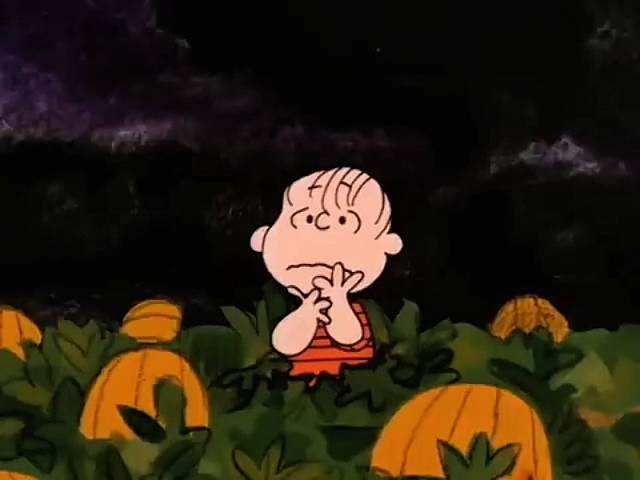
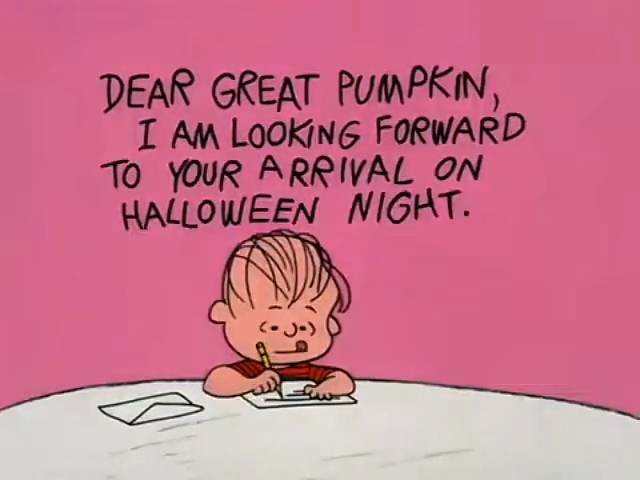
As Linus famously explains in both the special and the original comic strips, the Great Pumpkin is said to rise out of the pumpkin patch he deems the most sincere on Halloween night, soaring through the air to distribute toys and gifts to the children patiently waiting for him. Throughout the television broadcast, Linus spends his time writing letters, attempting to convert skeptical friends, and ultimately enduring a chilly, fruitless night alone in the patch. Of course, the Great Pumpkin never emerges. Yet, despite the disappointment, Linus steadfastly vows to return and wait again the following year.
To the casual fan of the franchise, this television special represents the definitive and perhaps only narrative regarding Linus and his botanical obsession. However, dedicated readers of the Peanuts comic strip know that the mythology of the Great Pumpkin extends far beyond the 30-minute television program, stretching across years of meticulous storytelling, satirical social commentary, and deeply humorous character dynamics that reveal a much more obsessive side to Linus van Pelt.
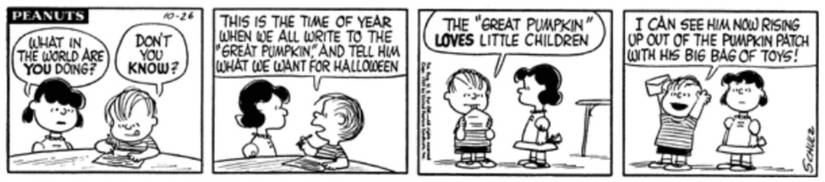
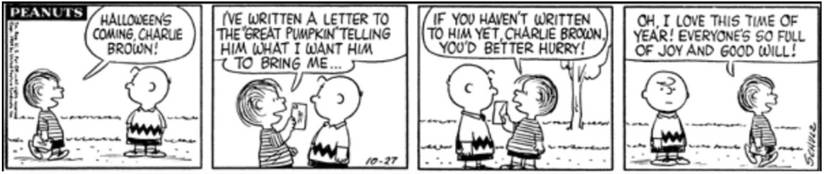
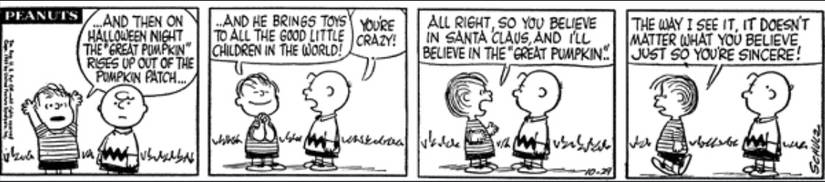
The legend of the Great Pumpkin made its very first appearance in the Peanuts comic strip on October 26, 1959. In this foundational strip, Linus is depicted earnestly scratching out a letter to the mythical figure when Lucy approaches him, dumbfounded by his actions. When asked what he is doing, Linus explains that this is the time of year when children write to the Great Pumpkin to tell him what they want for Halloween, expressing total faith that the entity loves children and will soon rise from the earth with a giant bag of toys. The very next day, Schulz published a follow-up strip featuring Linus once again lecturing a blank-faced Charlie Brown about the impending arrival.
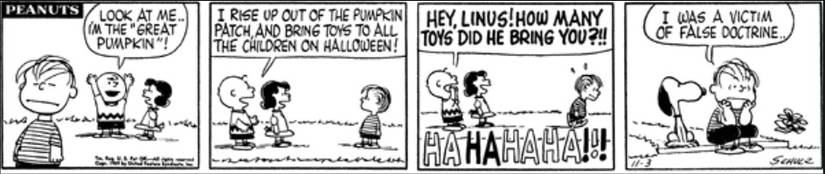
As the years progressed, Schulz established a reliable late-October routine. During the final week of October, Linus would inevitably begin preaching about the Great Pumpkin and dispatching letters into the void, invariably meeting reactions ranging from blank stares to outright mockery. By 1960, Linus successfully manages to convince Charlie Brown to join him in the pumpkin patch, prompting one of the most logical and humorous questions in the history of the strip. Looking out across the landscape, Charlie Brown asks Linus what makes them think they are in the correct patch out of the millions scattered across the country.
The humor in Schulz’s writing often leaned into exquisite specificity. In a series of strips published in October 1961, Linus attempts to validate his beliefs by citing supposed historical precedents for Great Pumpkin sightings. He earnestly informs his friends that on Halloween night in 1959, the Great Pumpkin appeared in the pumpkin patch of a man named Boots Rutman in Connecticut, and followed it up in 1960 by visiting the pumpkin patch of an R.W. Daniels in Texas. The granular detail of these fictional historical sightings injected a layer of absurdity that arguably surpassed the material adapted for the later television special.
Another memorable strip cast Linus’s unwavering belief not merely as an eccentric childhood phase, but as an absolute economic necessity. When Lucy questions his sanity, Linus explains that he has already sent out 57 pumpkin-themed greeting cards and invested heavily in his campaign of belief, declaring that it would be "economically disastrous" for him to stop believing now.
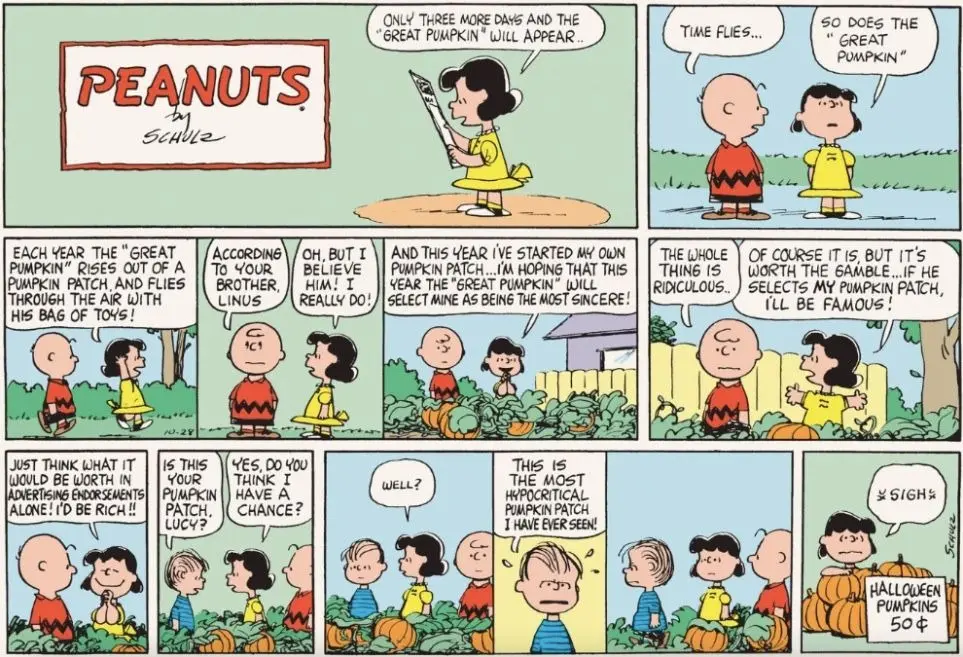
In a surprising narrative twist in 1962, Linus actually succeeds in converting Lucy to "Great Pumpkinism." Lured by the prospect of receiving a massive haul of presents, Lucy establishes her own pumpkin patch in hopes of catching the entity’s attention. However, Linus quickly dashes her hopes by declaring her venture entirely hypocritical, accusing her of greed. Offended and disillusioned, Lucy abandons her spiritual crusade and decides to simply sell her gourds for a profit instead.
When readers go back through the October Peanuts archives to read these strips back-to-back, the collective impact is twofold. For audiences intimately familiar with the animated special but unfamiliar with the print origins, reading the strips feels akin to uncovering lost deleted scenes. It showcases the breadth of Linus’s campaign to convince his community and highlights the myriad ways his friends found his crusade utterly ridiculous.
Simultaneously, consuming these strips in succession shifts the perception of Linus himself. While the television special portrays him as a quirky child with a harmless, romantic imagination, reading the comics in bulk transforms Linus into something closer to an obsessive zealot. This heightened intensity amplifies the comedy of the premise, a dynamic that Schulz fully leveraged in October 1964 with one of the most ambitious storylines of the strip’s run.
Typically, Schulz restricted his Great Pumpkin content to the final week of October, occasionally dedicating the first couple of days of November to Linus lamenting another missed opportunity. However, the autumn of 1964 brought a notable shift in strategy. With the United States approaching a major presidential election, Schulz launched a multi-week storyline on October 5, 1964, featuring Linus running for school class president.
For two straight weeks, the Peanuts daily strips focused heavily on Linus’s political campaign. Portrayed as a surprisingly charismatic and formidable candidate, Linus delivers powerful, revolutionary speeches that electrify his classmates and cause him to rapidly climb in the polls. By all accounts, Linus is positioned for a definitive landslide victory.
The political momentum screeched to a halt on October 21, when Schulz executed a narrative twist. While delivering what was meant to be a rousing final campaign speech before the election, Linus abruptly pivots to discussing the Great Pumpkin, instantly alienating his constituents and torpedoing his political career in a single misstep.
Examined purely on its own merits, the strip serves as a clever commentary on how a single extreme position or ill-advised tangent in a speech can ruin a viable candidate’s prospects. Yet, when viewed through the lens of the preceding two weeks, the timing is a masterclass in comedic storytelling. By spending nearly a fortnight building up a serious, grounded political narrative only to derail it entirely with the Great Pumpkin, Schulz underscored Linus’s absolute single-mindedness. The patience and structural precision required to pull off such a gag cemented Schulz’s legacy not just as a cartoonist, but as a master satirist, leaving behind a rich legacy of print stories that continue to expand upon the enduring mythology of the Great Pumpkin.

Leave a Reply