
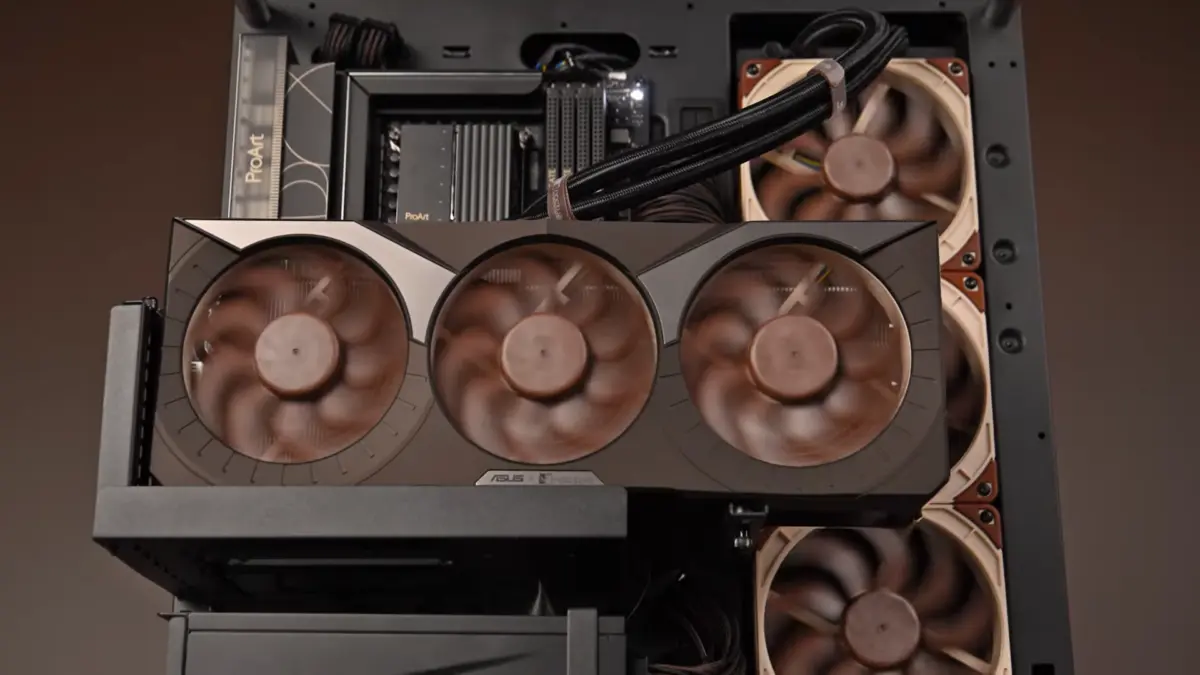
Traditionally, modifying a graphics card’s VBIOS—whether to unlock higher power limits, alter fan curves, adjust clock speeds, or enable specialized features—has been a high-stakes endeavor for PC enthusiasts, overclockers, and hardware modders. The standard procedure involves extracting the existing BIOS ROM file, editing its parameters using specialized hex editors or configuration tools, and then forcing the graphics card to overwrite its onboard non-volatile memory with the modified firmware using flash utilities.
While this method has been a staple of PC enthusiast culture for over a decade, it carries a severe, inherent risk. If a flash operation is interrupted by a power failure, a system crash, or an incorrect firmware file, the graphics card can easily become "bricked"—rendering the expensive hardware completely inoperable and leaving the user with a dark screen and an unresponsive component. Recovering a bricked GPU often requires specialized recovery hardware, a secondary graphics card for video output, or blind-flashing techniques that demand advanced technical expertise and considerable patience. Furthermore, modern graphics cards implement stringent security measures, digital signatures, and cryptographic checks in their firmware to prevent unauthorized modifications, making traditional flashing increasingly difficult and restrictive on recent hardware generations.
The newly released tool, known as the nvidia-windows-vbios-vix-loader, aims to bypass these dangerous flashing hurdles entirely. Instead of permanently rewriting the physical firmware stored on the graphics card’s flash memory chip, the utility provides a sophisticated software-based approach. By operating at a different layer of the software stack, the loader allows users to apply custom configurations and parameter adjustments dynamically. This means that enthusiasts can achieve many of the desired tuning benefits and configuration adjustments traditionally associated with custom VBIOS flashing, but with a drastically reduced risk profile. Because the physical firmware remains untouched during normal operation, the potential for catastrophic bricking is virtually eliminated, offering peace of mind to users who want to push their hardware without risking permanent damage to an expensive GPU investment.
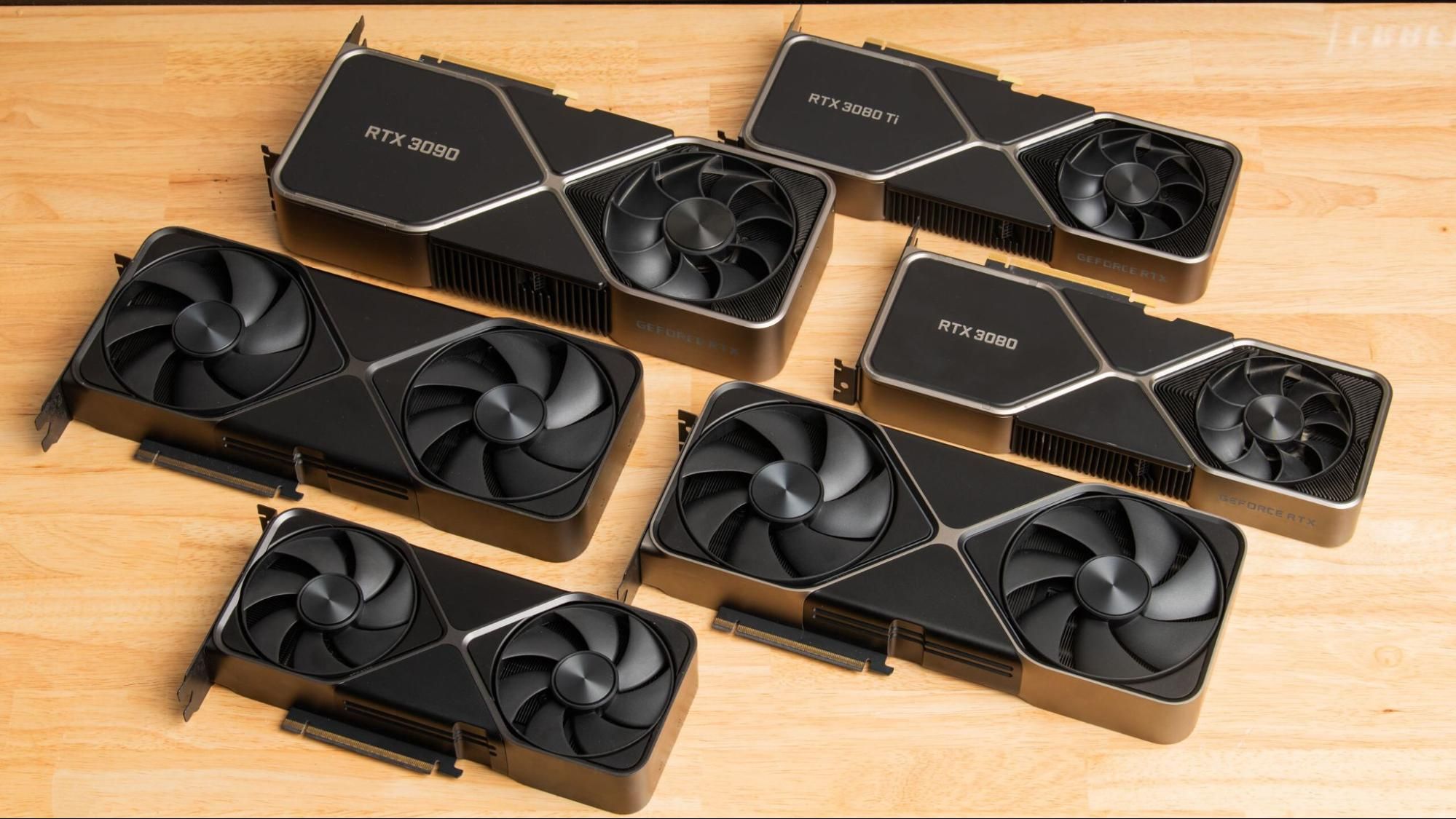
To make these advanced capabilities accessible to a broader audience, the VBIOS loader features a dedicated graphical user interface. Rather than forcing users to rely on command-line arguments, complex configuration scripts, or hexadecimal code modifications, the intuitive UI allows for straightforward management of card settings. This design choice lowers the technical barrier to entry, making low-level hardware configuration approachable for users who might have previously hesitated to experiment with VBIOS modifications due to safety concerns.
Adding to its versatility and appeal within the broader computing community, the utility is not restricted to the Microsoft Windows ecosystem. Panchovix has engineered the loader to be available for Linux systems as well, accommodating the growing demographic of gamers, developers, and power users who utilize Linux distributions for their daily computing, workstation tasks, and gaming setups. This cross-platform compatibility ensures that enthusiasts operating outside of Windows are not left behind as new GPU generations emerge and proprietary tuning software remains limited.
The release of the VBIOS configurator arrives at a fascinating time for the PC hardware market, as the industry navigates the integration of advanced graphics architectures. With Nvidia’s RTX 30-series, RTX 40-series, and the cutting-edge RTX 50-series hardware deployed across countless enthusiast rigs and professional workstations, the demand for flexible, safe, and powerful optimization tools remains consistently high. Hardware enthusiasts are constantly seeking ways to extract maximum performance, optimize power delivery, and fine-tune acoustic profiles to match their specific system builds, whether housed in a compact form-factor chassis or a high-airflow custom liquid-cooled loop.
As the open-source development of the nvidia-windows-vbios-vix-loader continues to gain traction within GitHub and various online hardware communities, early adopters and technical enthusiasts are already exploring its capabilities across different GPU tiers. While the tool represents a significant shift away from traditional, permanent firmware flashing, it underscores the ongoing ingenuity of the PC modding community in finding safer and more sophisticated ways to interact with modern silicon.


Leave a Reply