
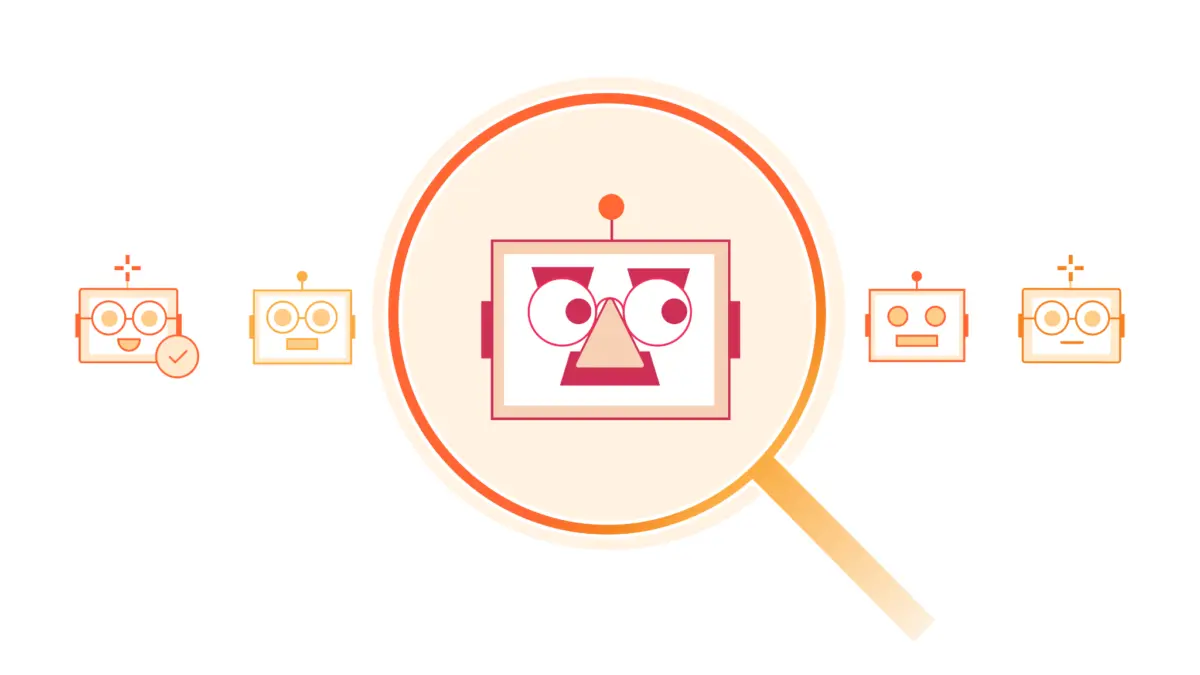
Just as a driver’s license confirms a person’s identity and proves they have passed a driving test without guaranteeing they will drive responsibly on the road, knowing who operates a software bot is no longer enough to ensure network safety. The mere verification of a bot’s identity creates accountability, but true trust depends entirely on its subsequent actions. A known and identified bot can still ignore website preferences, overwhelm origin servers, or evade established security controls. While such behavior is not always malicious—frequently stemming from simple misconfigurations or software bugs—the impact on web infrastructure remains disruptive.
To address this growing challenge in web traffic management, Cloudflare has introduced a new evaluation and reporting system designed to measure when verified bot behavior deviates from foundational rules of conduct. Building on previous frameworks that categorize bot activity, the infrastructure and security giant aims to ensure that the fundamental question of whether automated agents can be trusted always receives a definitive and verifiable answer.
The cybersecurity industry has long recognized a critical distinction between risk and trust in automated systems. Identity verification tells a system who is knocking at the door, but trust must be earned through consistent, cooperative behavior over time. A prominent example of this distinction occurred when Cloudflare de-listed Perplexity’s bot from its Verified Bot list after the crawler attempted to access resources on websites that had explicitly opted out of data scraping. When those initial access requests were blocked, the bot subsequently attempted to circumvent the controls, severely undermining the trust required to maintain verified status.
To prevent similar occurrences and maintain order across the web, Cloudflare’s approach centers on a simple foundational rule for verified entities: do no harm. While this requirement may sound self-explanatory, operationalizing it across millions of diverse websites involves considerable nuance. When automated crawlers fail to respect site preferences, or when they ignore explicit requests from webmasters to slow down or halt scraping entirely, trust is rapidly eroded.
To measure adherence objectively, Cloudflare has developed a system that tracks how consistently a crawler honors published site preferences. Rather than issuing a permanent, irreversible judgment about a bot or its operator, the system translates these observations into an explainable trust band. This dynamic range illustrates how consistently a bot respects site preferences and highlights the specific observed behaviors that informed the assessment. The initial signals evaluated by the system reflect common-sense rules and basic courtesies toward the operators who provide the valuable information bots seek. Plans are already underway to publish these scores publicly on Cloudflare Radar, providing responsible bot operators with a transparent mechanism to demonstrate that trust is continuously upheld.
At the core of these evaluation metrics is the traditional robots.txt file, which remains the primary method for website owners to communicate their access preferences. Cloudflare’s system evaluates whether a bot’s observed traffic aligns consistently with these published preferences over time. Under RFC 9309 standards, responsible bots are expected to consult and honor the preferences published by websites. Isolated violations or rare one-off anomalies may not carry significant weight, but the system actively screens for repeated patterns of behavior that systematically disregard site preferences. Furthermore, the existence of a robots.txt file establishes only the baseline rules of what bots should avoid, without implying that unmentioned pathways are automatically open for unrestricted access. Continued access can also be declined through alternative signals when a website communicates that automated traffic is unwelcome.

Beyond respecting restricted paths, automated crawlers can place substantial computational and bandwidth loads on visited websites even while remaining within allowed directories. When web servers experience excessive pressure, one of the most direct methods of pushing back is issuing an HTTP 429 response code, which signals that the visitor is sending too many requests. These responses frequently include specific guidance regarding how long the visitor should wait before attempting another connection.
Cloudflare’s evaluation system specifically tracks whether a bot’s traffic patterns adapt appropriately after receiving this congestion signal. The system assesses whether the automated agent slows down, pauses its requests, or continues at an unabated pace. Over time, this adaptive behavior is factored directly into the bot’s trust band. Consistently slowing down or pausing upon receipt of a 429 response increases the bot’s trust score, while repeatedly ignoring the signal results in a lowered evaluation.
Observing these operational signals represents a crucial step toward making automated traffic genuinely accountable. By pairing established bot identity with continuous evidence of responsible behavior, website owners gain greater confidence that the automated agents they permit are honoring their boundaries. Simultaneously, responsible bot operators receive a structured method to prove their reliability, while webmasters gain much-needed context regarding the automated traffic reaching their servers.
This evaluation architecture operates alongside existing tools such as Bot Preference Sync and Bot Management to form a comprehensive accountability loop. Bot Preference Sync assists website owners in publishing their preferences clearly, while traffic observation mechanisms verify whether Verified bots honor those choices over time. Meanwhile, Bot Management empowers webmasters to decide precisely how automated traffic should be handled based on these trust evaluations. Together, these tools ensure that trust is earned through transparent, accountable actions rather than assumed purely on the basis of a verified digital identity.
Cloudflare is already utilizing the new system internally to evaluate the consistency with which Verified bots honor website preferences. Because true trust is built gradually, the methodology focuses on sustained patterns of behavior rather than isolated incidents. This initial operational phase is being used to build historical context and refine how observational data transforms into actionable guidance.
Building upon this technological foundation, Cloudflare plans to roll out the system to all customers, enabling them to select customized trust thresholds to dictate how verified bot traffic is managed across their properties. The overarching objective remains straightforward: to preserve the meaningfulness of website preferences and guarantee that trust is continuously validated through sustained, responsible behavior. Customers utilizing Cloudflare’s existing suite of security products can already manage automated traffic via Bot Management and align published preferences with configured policies using Bot Preference Sync, while public trends regarding the verified bot ecosystem remain accessible through Cloudflare Radar.
Leave a Reply