
As digital storefronts navigate an increasingly crowded online marketplace, artificial intelligence has rapidly evolved from a futuristic novelty into an indispensable driver of modern e-commerce strategy. Industry data highlights a profound shift in how online retailers attract shoppers, maximize conversion rates, and retain loyal customers. By synthesizing vast troves of customer browsing behavior, purchasing histories, and campaign metrics, machine learning tools are fundamentally reshaping the relationship between brands and consumers.

At its core, artificial intelligence in digital marketing functions by identifying intricate patterns in human behavior. When shoppers interact with an online store—whether browsing through product catalogs, filling virtual shopping carts, or reacting to promotional emails—algorithms record and analyze these actions. The technology then leverages these insights to recommend tailored products, optimize advertising campaigns, generate draft content, and flag early warning signs when a consumer’s interest begins to wane.

However, industry experts emphasize that the successful deployment of these tools requires a strategic balance. Effective AI integration typically begins with a single, focused marketing task, backed by reliable data sources and rigorous performance measurement. Because unchecked automation and flawed datasets can lead to inaccurate content, irrelevant product recommendations, or wasted advertising budgets, human review remains a critical safeguard for online merchants.
Modern e-commerce platforms—ranging from Shopify and WooCommerce to Hostinger Ecommerce—increasingly incorporate these technological capabilities, though available features and integrations vary widely across ecosystems. Retailers utilize a diverse array of applications, including advanced recommendation engines, automated ad optimizers, generative text tools, and conversational shopping assistants. While the software handles pattern-finding and repetitive computational workloads, human marketers retain ultimate responsibility for setting strategic goals and deciding how to act on the generated insights.

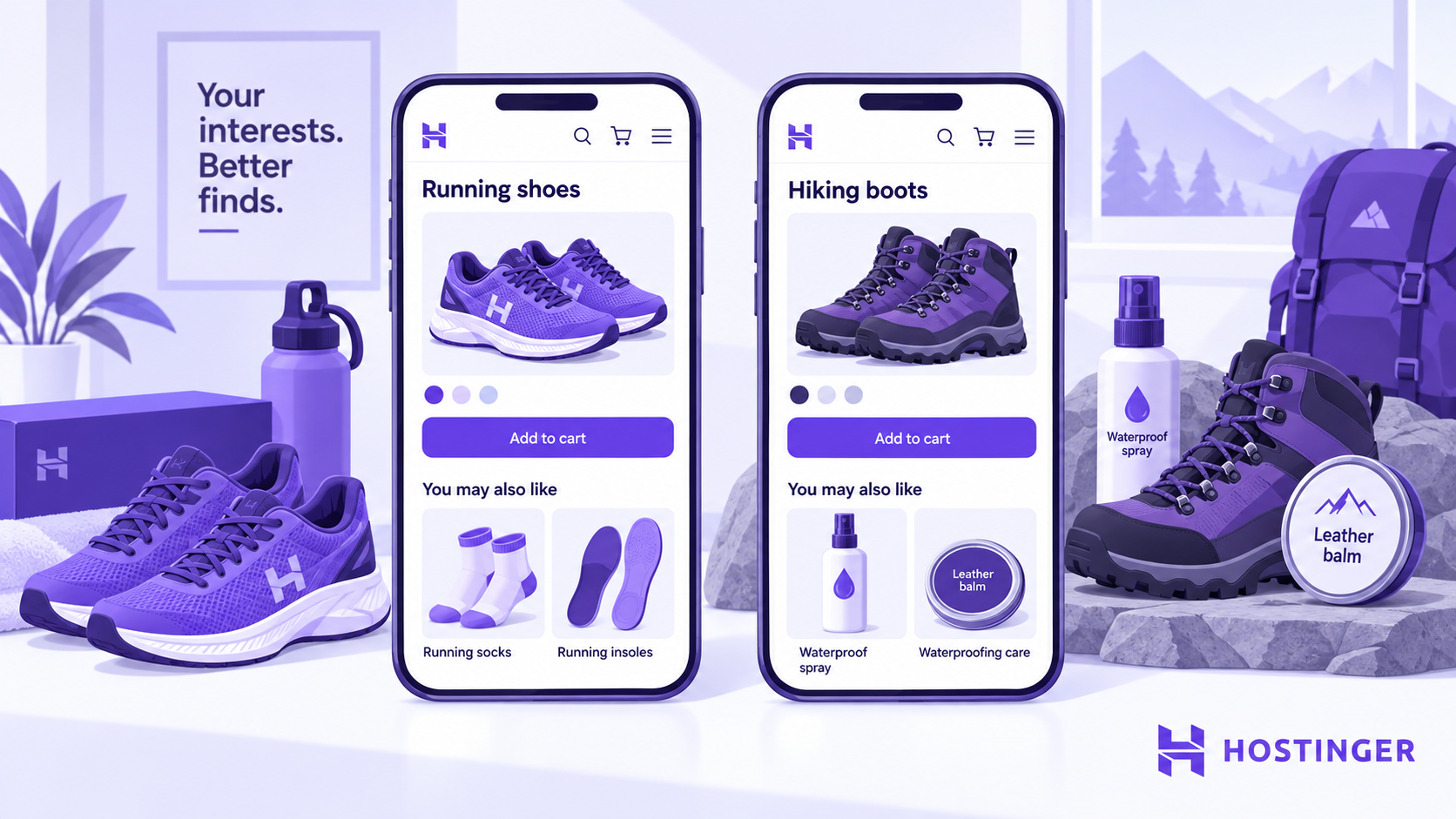
Among the most immediate impacts of this technological shift is the evolution of product recommendations. By analyzing real-time browsing and cart data, stores can present individual shoppers with items that closely match their personal preferences. For instance, a consumer examining running shoes may be shown compatible socks or protective insoles, while a browser looking at hiking boots is directed toward specialized waterproofing supplies. These intelligent suggestions appear seamlessly across product pages, shopping carts, post-checkout screens, and marketing emails.
Research into digital trends indicates that when shoppers actively engage with these personalized suggestions, product recommendations can account for nearly a third of total e-commerce revenue. Merchants typically monitor conversion rates, average order values, and repeat purchase frequencies to gauge whether these automated recommendations are successfully driving sales.
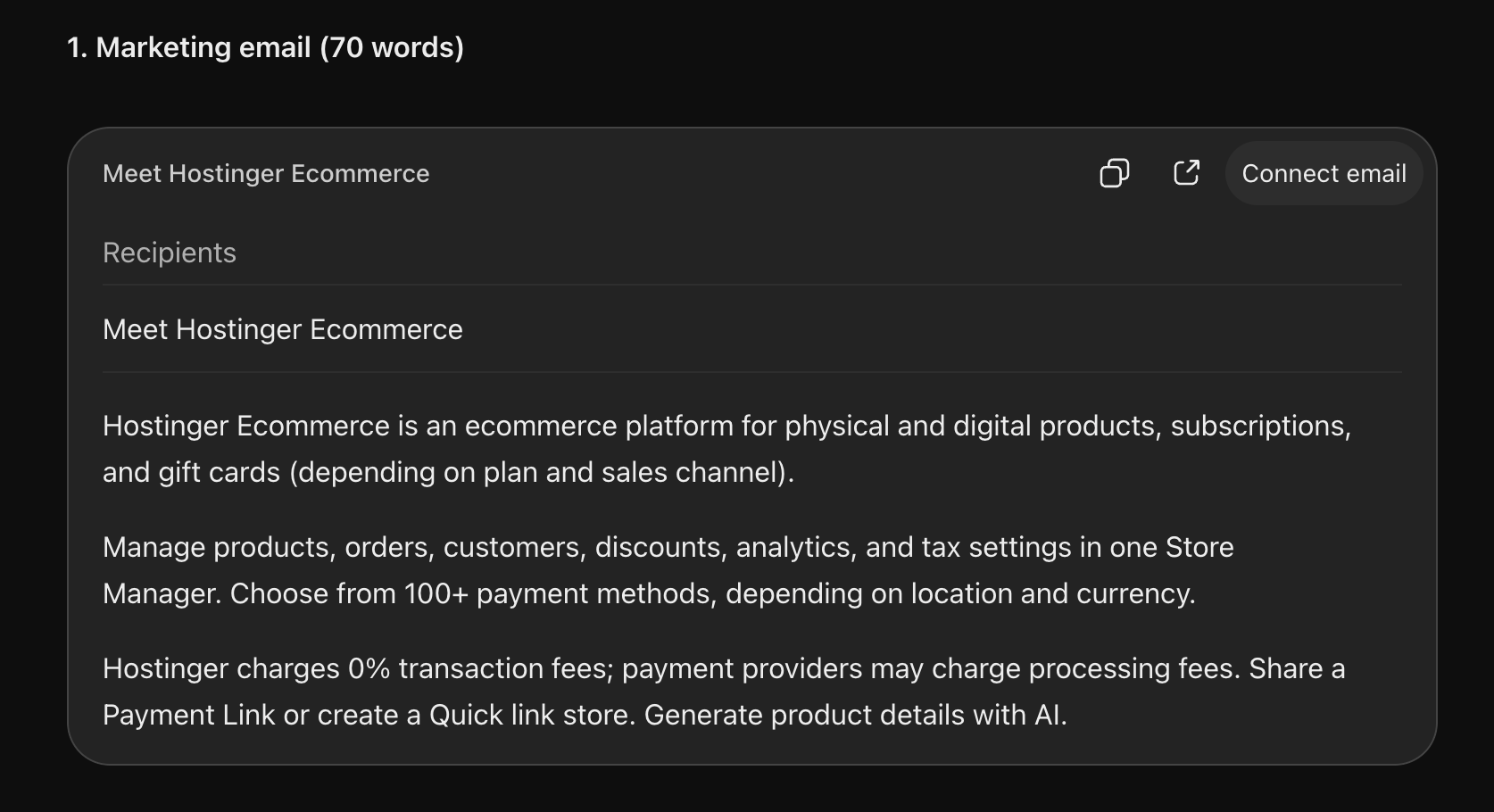
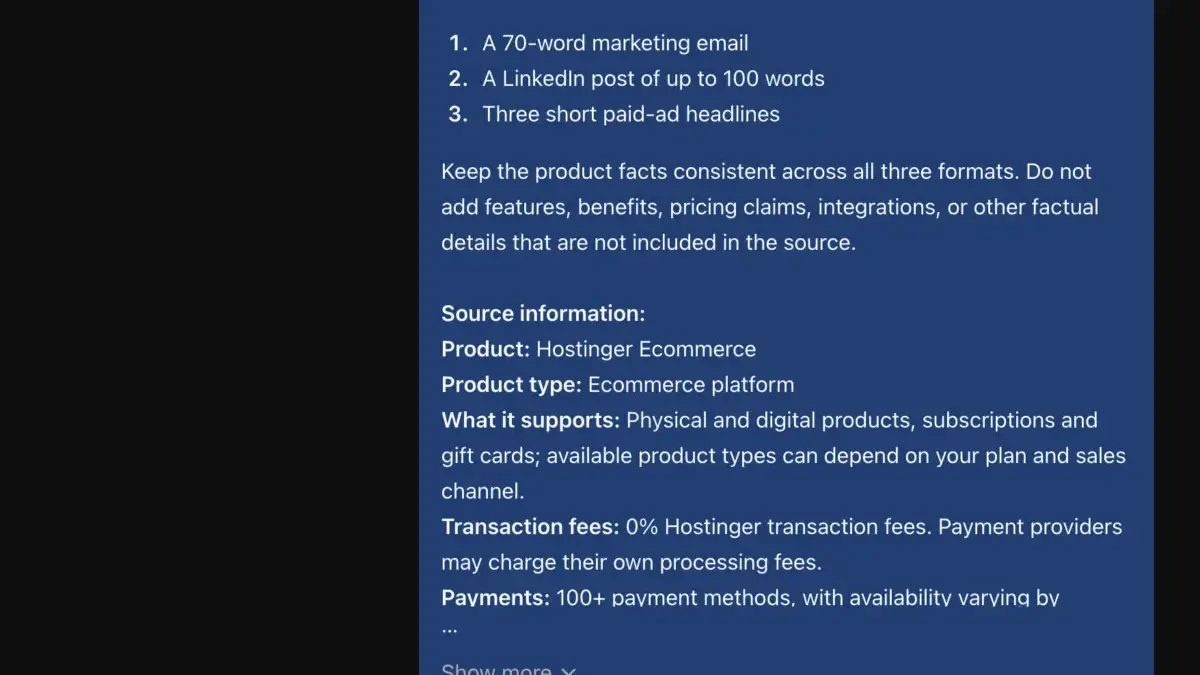
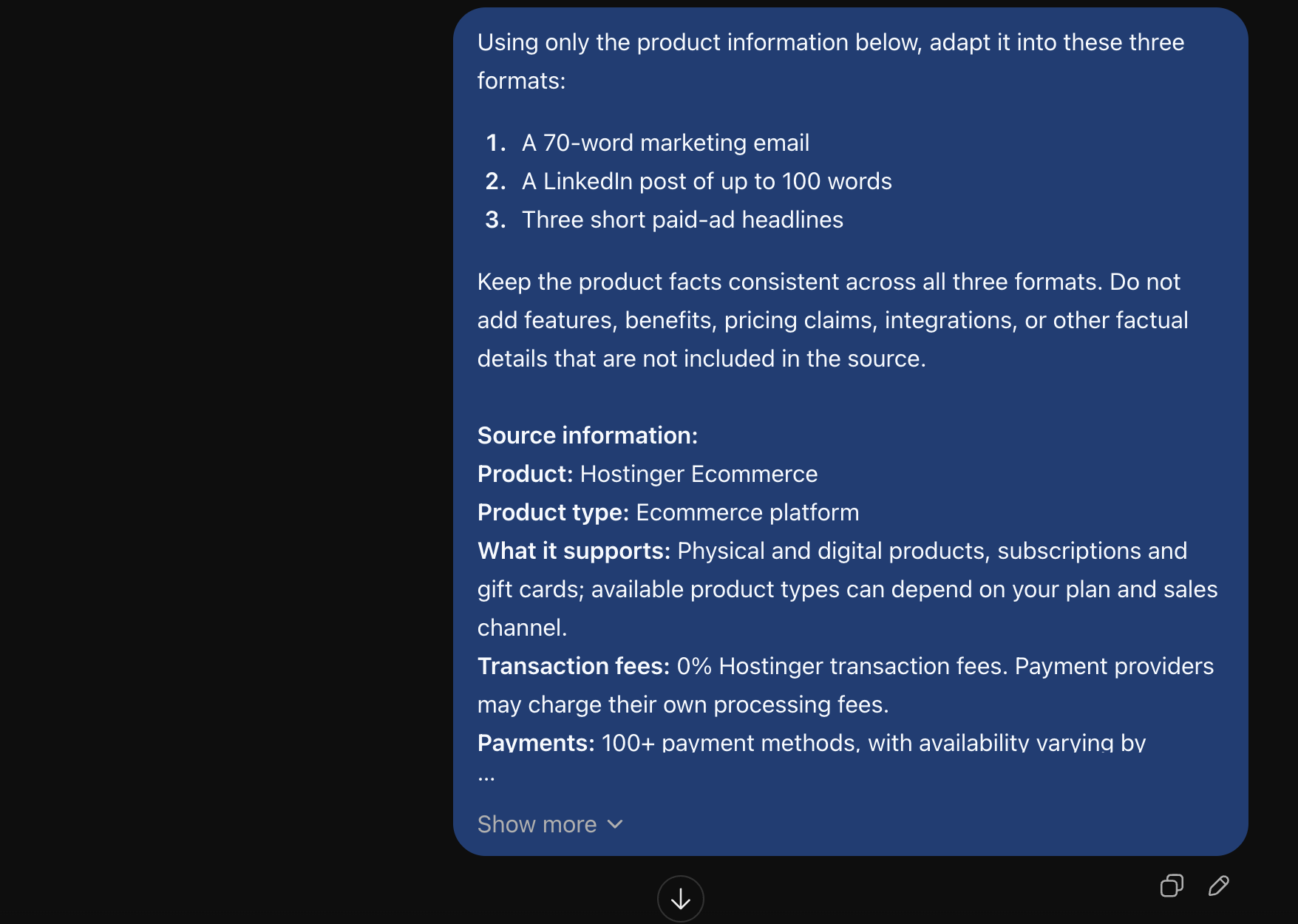
Content creation has undergone a similar transformation. Content generators allow brands to input verified product materials, ingredient lists, brand voices, and target audience profiles to produce initial drafts of product descriptions, advertising variations, email subject lines, and social media captions. Recent marketing statistics reveal that a majority of professionals rely on AI for first drafts, while a substantial segment uses the technology to optimize existing copy. This capability allows teams to adapt a single approved source into multiple formats tailored for different communication channels, significantly reducing the manual labor traditionally required for multi-platform campaigns.
Despite these efficiencies, industry standards dictate that AI-generated copy must be treated strictly as a draft. Prior to publication, human editors must verify factual claims, pricing details, material specifications, guarantees, and performance metrics to ensure absolute accuracy and protect consumer trust.

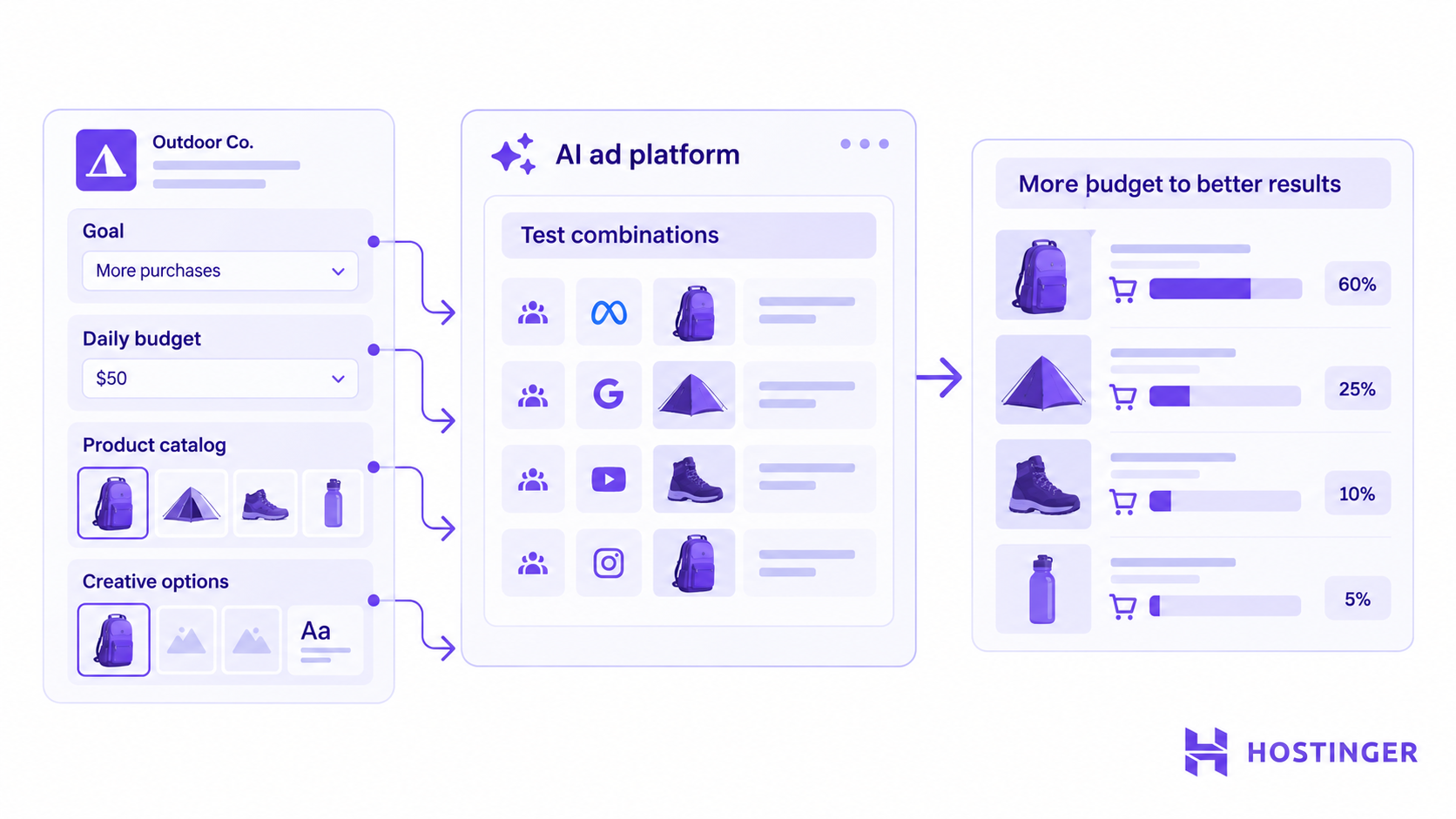
In the realm of paid advertising, platforms now utilize machine learning to dynamically adjust audiences, placements, and bidding strategies based on real-time campaign performance. Advertisers provide product catalogs, creative assets, daily budgets, and overarching sales goals, allowing systems like Google Performance Max or Meta Advantage+ to test various combinations and allocate spending toward the highest-performing configurations. While the technology handles complex delivery decisions, marketers maintain control over budgetary limits, creative approvals, and core sales objectives.
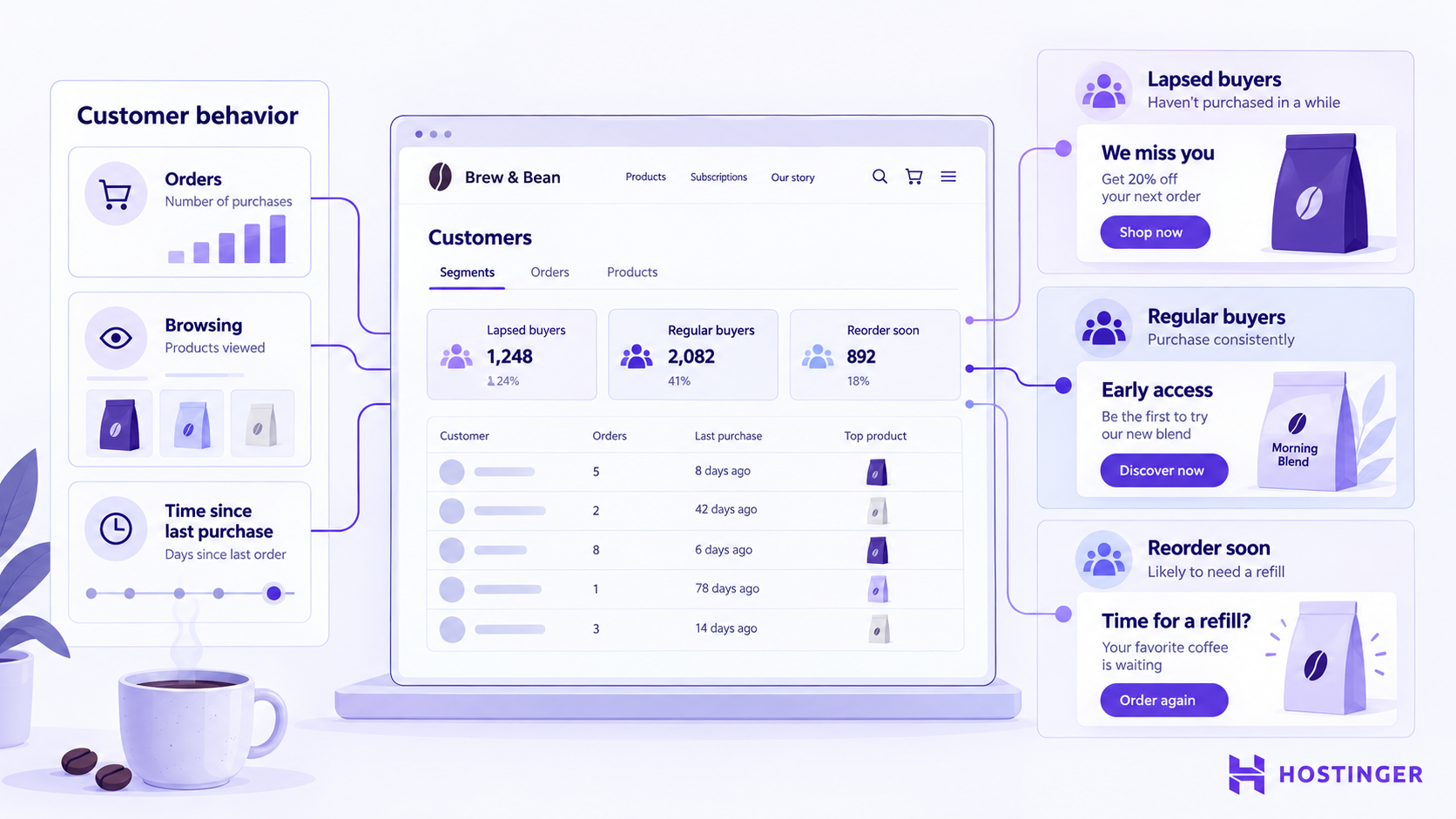
Customer segmentation has also grown more sophisticated. Rather than relying on static mailing lists, algorithms group buyers dynamically based on continuous actions, such as purchase frequency, site engagement, and browsing habits. A coffee retailer, for instance, can automatically isolate customers who have ordered multiple times but remained inactive for a specified period, allowing for targeted re-engagement campaigns rather than blanket promotional messaging.
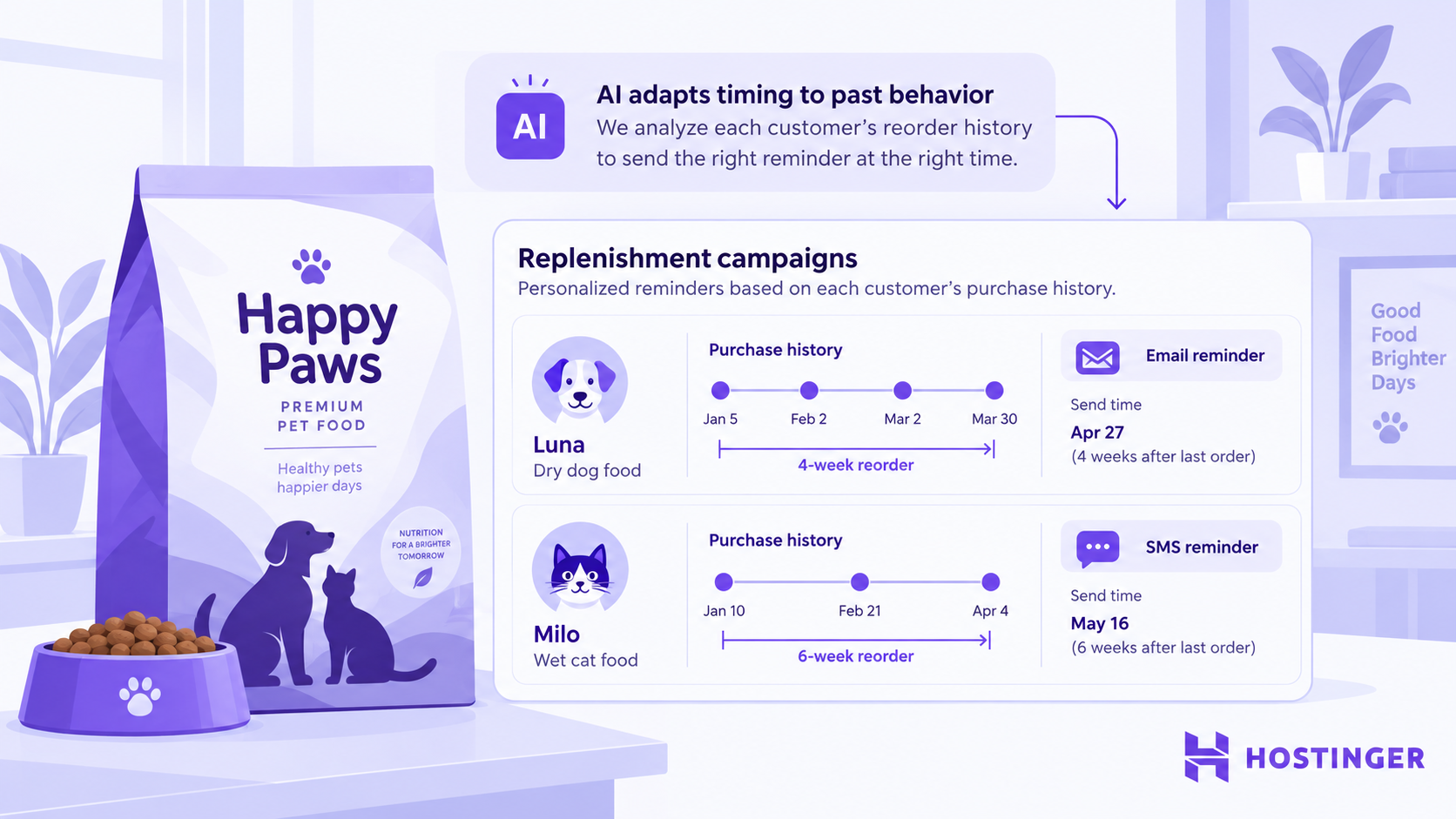
This behavioral insight extends directly into email and SMS marketing campaigns, where timing and messaging are tailored to individual habits. If data reveals that one pet-food buyer reorders every four weeks while another requires six, automated systems can dispatch reminders closer to each consumer’s expected purchasing window. While larger audiences are often required to achieve statistical significance for advanced send-time optimization features, smaller enterprises can still utilize targeted messaging to improve overall customer retention.
Conversational AI represents another frontier in consumer engagement. Modern shopping assistants allow users to describe what they are looking for using everyday language—such as requesting a lightweight waterproof jacket for hiking under a specific price point—rather than forcing them to navigate cumbersome filter menus. These interactive assistants compare suitable inventory and explain product differences, complementing traditional customer support chatbots that focus primarily on order tracking and logistical queries. Studies indicate that a significant portion of consumers have interacted with automated chat features while shopping online over recent months, underscoring the growing demand for frictionless digital experiences.
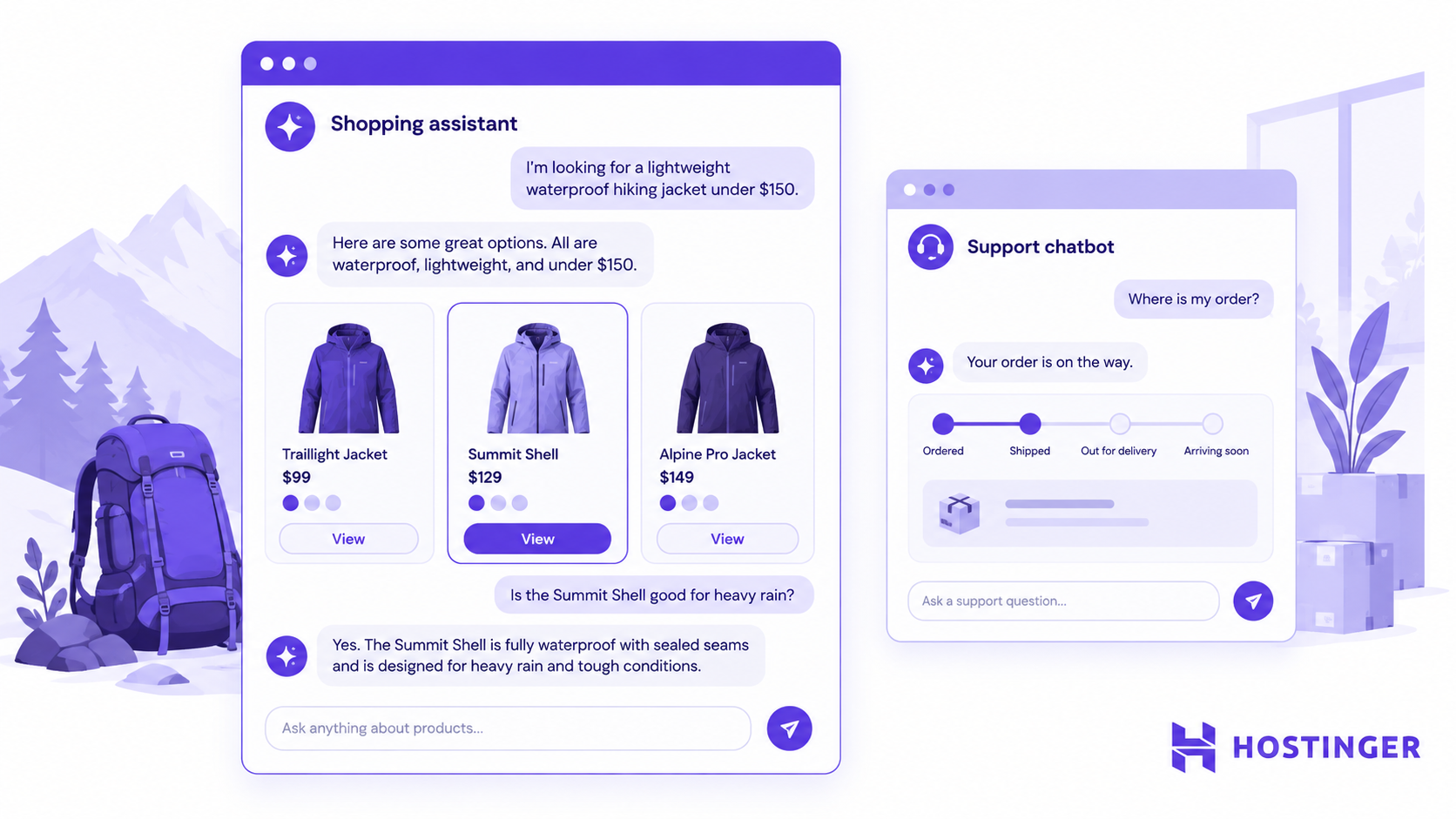
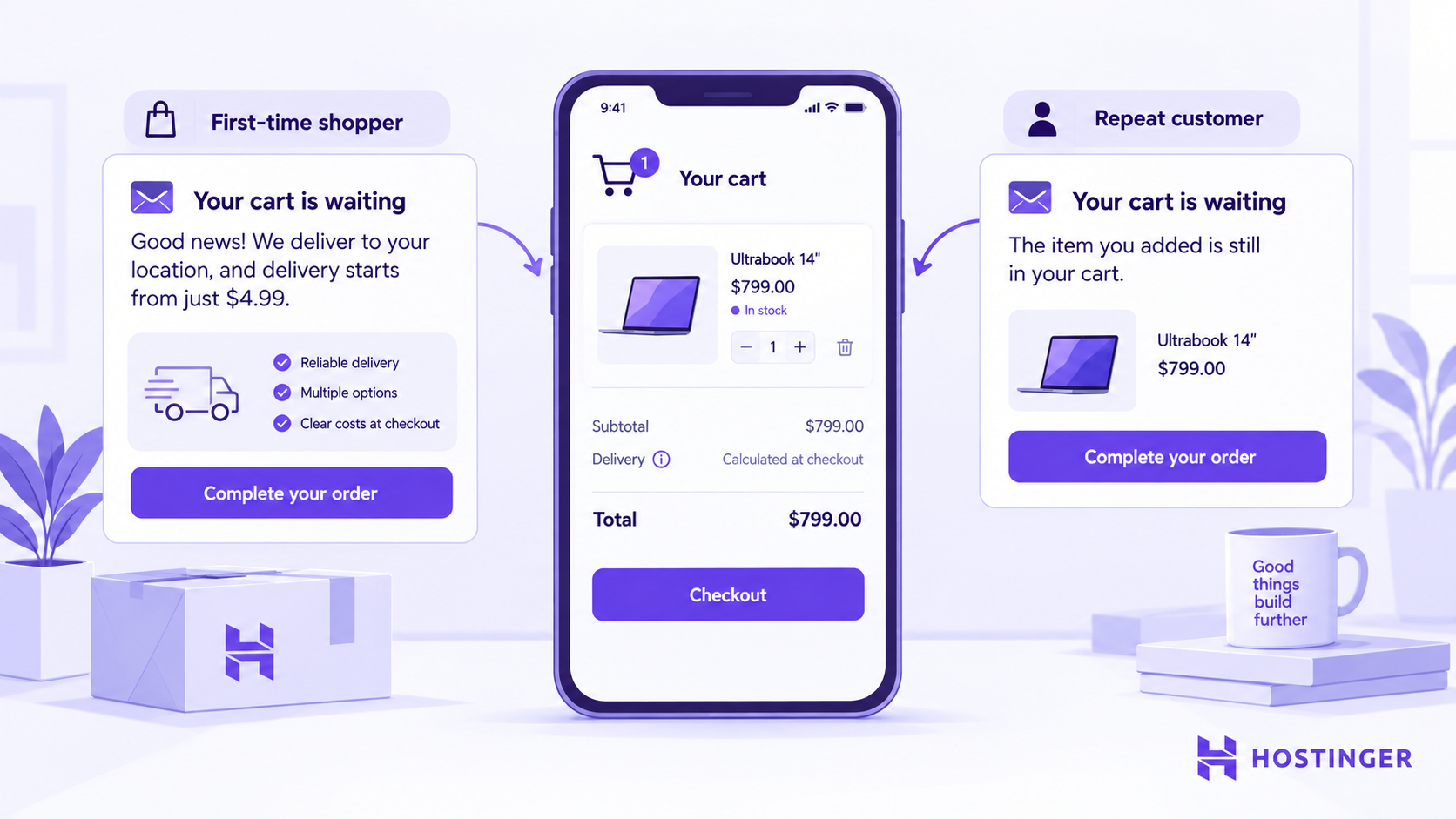
Retailers are also deploying automated tools to combat cart abandonment and customer churn. When a shopper leaves items behind in a digital cart, recovery workflows can tailor follow-up messages based on user characteristics, such as distinguishing between a hesitant first-time visitor facing unexpected delivery fees and a forgetful repeat customer. Similarly, predictive analytics can identify the subtle behavioral shifts that indicate a customer is losing interest—such as missed reorder dates combined with decreased email engagement—enabling brands to intervene proactively before a permanent lapse occurs.
Nevertheless, experts warn of significant risks and limitations associated with these technologies. The primary danger stems from poor data quality; duplicate or missing purchase records can feed algorithms an inaccurate picture of consumer behavior, leading to flawed campaign decisions. Furthermore, overreliance on automation can cause systems to continuously spend money or send discounts long after an underlying business rule has ceased to be profitable. To mitigate these vulnerabilities, organizations must enforce strict limits on advertising expenditure, maintain rigorous data hygiene, and mandate regular human reviews of all automated workflows.

As the digital landscape continues to mature, industry observers note that the ultimate measure of artificial intelligence in marketing remains rooted in tangible outcomes. Whether applied to content drafting, ad optimization, or predictive retention, technological integration must save time, enhance performance, and foster relevant customer interactions without compromising brand control or consumer privacy.
Leave a Reply