
As digital storefronts navigate an increasingly competitive online landscape, artificial intelligence has rapidly evolved from a futuristic concept into a foundational operational tool. According to recent industry insights published on October 15, 2026, by AI Content Editor Alma F., e-commerce merchants are increasingly turning to advanced machine learning systems to analyze massive troves of customer, product, and campaign data. By uncovering hidden behavioral patterns in how consumers browse, purchase, and react to promotional materials, these technologies are empowering online retailers to attract shoppers more efficiently, elevate sales figures, and foster long-term brand loyalty.

At its core, artificial intelligence in the e-commerce sector operates by scanning complex data sets to predict buying preferences, generate marketing materials, optimize ad spend, and flag potential customer churn before it happens. However, industry experts emphasize that these sophisticated systems are designed to handle pattern recognition and repetitive administrative tasks, while human marketers retain ultimate control over strategic goals, creative direction, and ethical boundaries.

What Is AI in E-Commerce Marketing?
Modern e-commerce platforms—ranging from specialized hosting solutions like Hostinger Ecommerce to established ecosystems like Shopify and WooCommerce—now integrate a wide variety of AI-driven tools. These include automated ad optimization systems, intelligent content generators, conversational shopping assistants, and sophisticated product recommendation engines.

For instance, a boutique home decor merchant might deploy AI to analyze historical browsing data, instantly generating personalized product suggestions for visitors, producing multiple creative variations for a new product collection ad, or identifying a subtle downward trend in a customer’s purchasing frequency. While the software executes the heavy computational lifting, the human operator defines the core objectives and decides how to respond to the insights generated.

Core Applications Across the Customer Journey
Retailers are applying artificial intelligence across several critical operational pillars to streamline workflows and enhance the buyer experience. Personalization remains one of the most powerful implementations. By evaluating real-time cart contents, recent browsing paths, and historical purchases, stores can dynamically recommend complementary items—such as suggesting running socks and insoles to a customer viewing athletic footwear, or specialized waterproofing treatments for someone inspecting hiking boots. Industry data highlights the potency of this approach, revealing that well-optimized product recommendations can account for up to 31% of total e-commerce revenue when shoppers actively engage with them.

Content creation and adaptation represent another major area of transformation. Marketing professionals frequently leverage generative AI to draft initial product descriptions, social media captions, email subject lines, and advertising copy based on verified source materials, such as a product’s official ingredient list or technical specifications. Statistics indicate that a significant majority of marketing professionals utilize AI for first-draft generation and content optimization, effectively scaling one approved product brief into tailored formats across multiple communication channels without losing factual consistency.
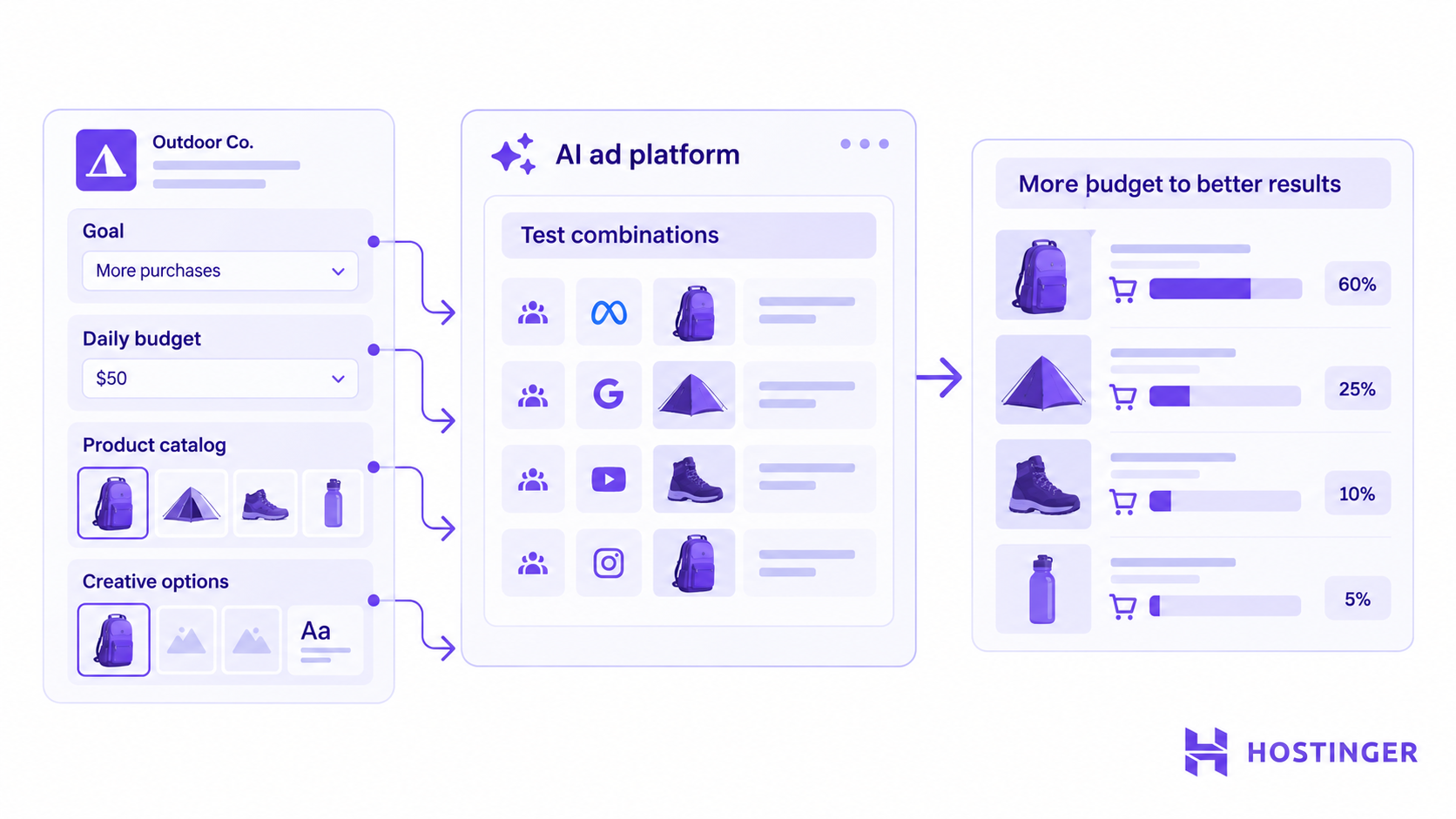
Paid advertising has similarly shifted toward automated optimization. Modern advertising platforms utilize advanced machine learning algorithms to continuously test combinations of imagery, headlines, and audience segments, shifting advertising budgets dynamically toward top-performing assets. While platforms like Google and Meta handle the complex mechanics of real-time bidding and audience placement, merchants maintain overarching control by establishing strict daily budgets, creative guidelines, and performance metrics.
Behavioral Segmentation and Campaign Refinement
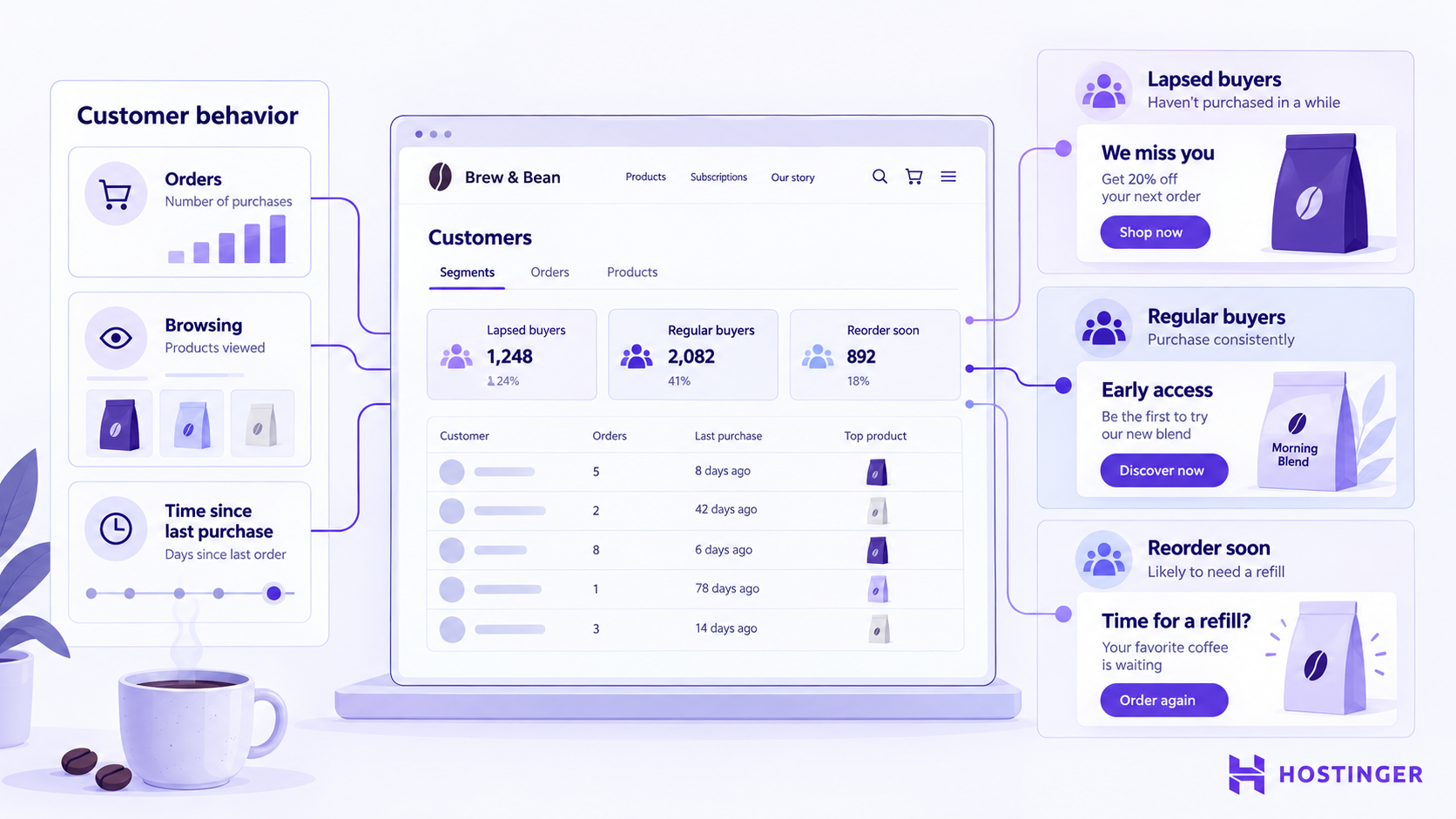
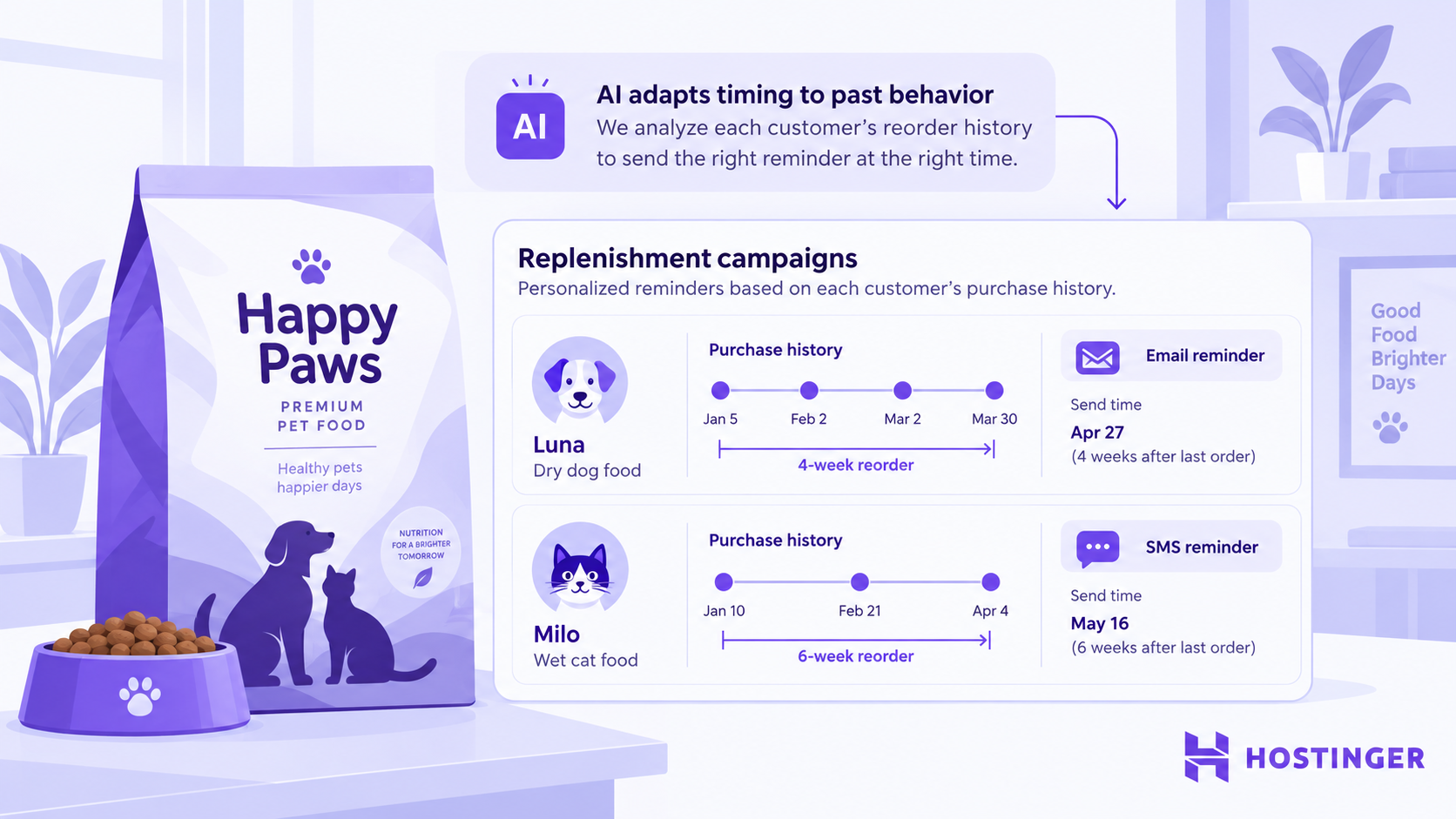
Beyond broad-stroke advertising, AI allows merchants to categorize shoppers into precise behavioral segments based on live engagement data, purchase velocity, and browsing habits. This segmentation directly feeds into email and SMS marketing campaigns, allowing automated systems to dispatch reorder reminders timed precisely to an individual consumer’s purchasing cycle—such as recognizing that one pet-food buyer reorders every four weeks while another maintains a six-week rhythm.

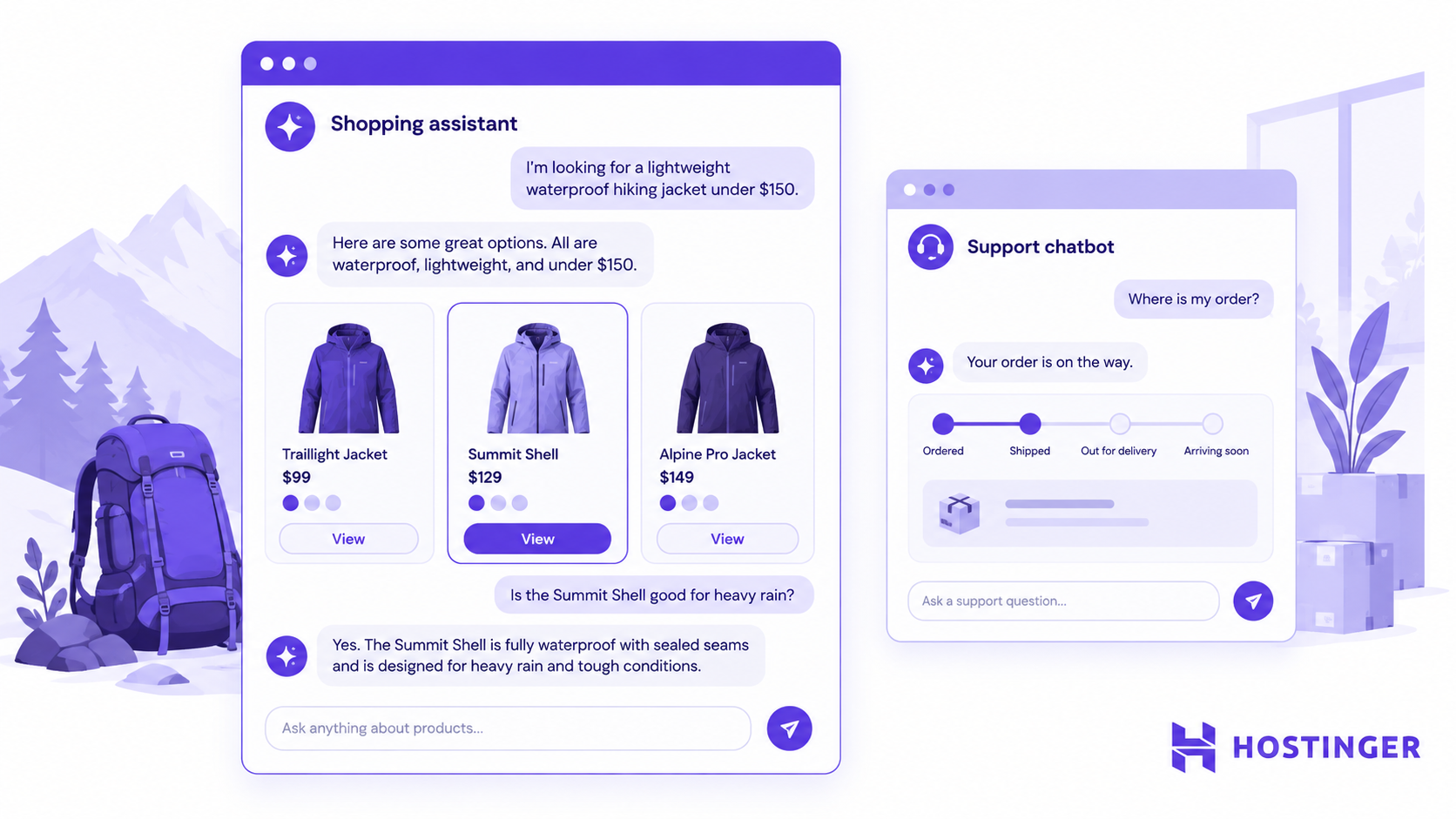
Conversational AI has also transformed customer interaction. Rather than forcing shoppers to navigate rigid menus of filters, modern conversational shopping assistants allow users to describe their specific needs in natural, everyday language—such as searching for a lightweight, waterproof hiking jacket under a specific price point—whereupon the system analyzes available inventory and provides direct, nuanced comparisons.
Furthermore, artificial intelligence plays a crucial role in mitigating lost revenue through intelligent abandoned-cart recovery and churn prediction. By distinguishing between a first-time visitor hesitant about shipping costs and a loyal repeat customer who simply forgot to complete a transaction, automated workflows can tailor follow-up messages accordingly. Predictive analytics can also identify early warning signs of customer churn—such as missed reorder dates combined with declining email engagement—allowing merchants to deploy targeted retention strategies before a buyer completely drifts away.
Managing Limitations, Risks, and Implementation
Despite its vast potential, industry analysts warn that artificial intelligence in e-commerce marketing carries inherent risks. Because machine learning models rely entirely on the quality of the data and rules provided by the user, foundational errors can quickly cascade across entire marketing campaigns. Poor data hygiene, such as duplicate purchase records or missing customer files, can severely skew automated decision-making.
Additionally, generative AI systems remain susceptible to producing inaccurate claims—such as mislabeling a skincare product—if not rigorously checked against verified source materials. Concerns regarding customer data privacy and the potential hazards of unchecked automation further necessitate strict human oversight, spending limits, and regular performance audits.
To successfully integrate these technologies, digital merchants are advised to start small: selecting a single, well-understood marketing task, verifying the underlying data, choosing an appropriate tool, and testing the AI workflow against established baseline results before scaling automation across broader operations. As these systems continue to mature, the ultimate measure of success remains unchanged, requiring that AI genuinely saves time, improves marketing performance, and enhances customer relevance while keeping merchants firmly in control of their brand, budget, and data.



Leave a Reply