
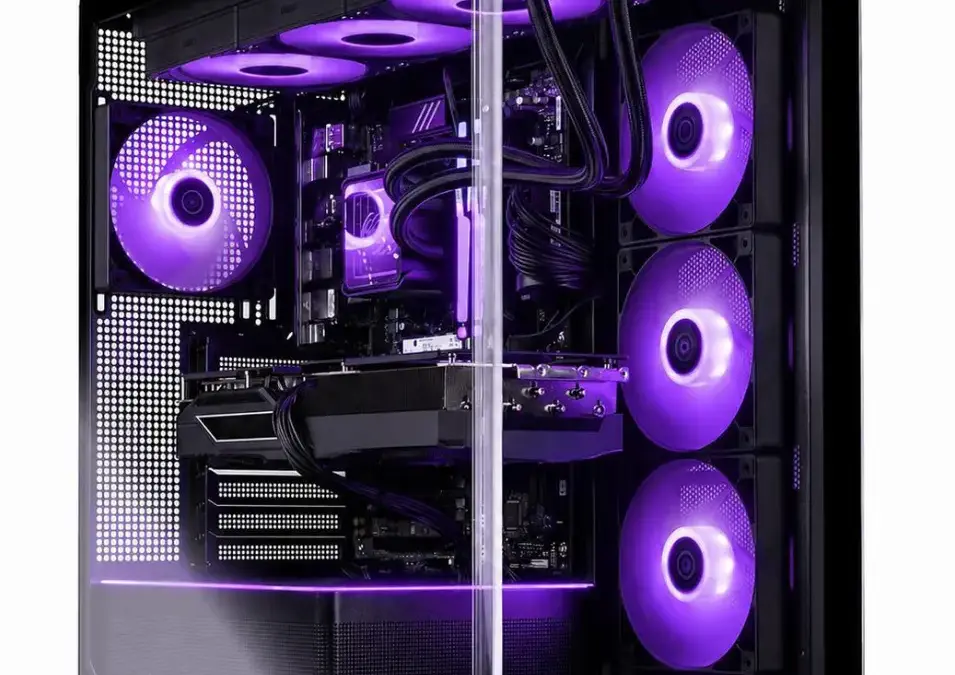
Recent news and rumors have been flooding the tech space about the apparent discontinuation of Nvidia’s flagship graphics card. With no new Nvidia 5090 GPU replacement anticipated before at least 2028, this could well be your last opportunity to get your hands on a very powerful GPU for gaming.
The conversation surrounding the future of high-end PC gaming hardware has taken a dramatic turn in recent weeks, as whispers and official-sounding industry murmurs point toward an uncertain landscape for the absolute pinnacle of consumer graphics cards. Enthusiasts, hardware reviewers, and everyday gamers alike have found themselves caught off guard by reports suggesting that Nvidia may be scaling back or entirely halting production on its crown jewel component. In an industry where generational leaps are eagerly anticipated on a relatively predictable schedule, the prospect of a massive gap in Nvidia’s flagship lineup—with industry watchers noting that a direct successor might not materialize for several years—has sent shockwaves through the community.
For the dedicated enthusiast community that relies on the absolute maximum performance available for high-end simulation, extreme resolution gaming, and heavy computational tasks, the potential absence of a continuation model creates a unique hardware vacuum. The RTX 5090 has long stood as the undisputed heavyweight champion of the consumer graphics card market, commanding respect not only for its raw processing power but also for the technological advancements it brought to the desktop ecosystem. However, the realities of the current market mean that obtaining this level of performance has transformed from a straightforward retail transaction into a grueling challenge for prospective buyers.
The RTX 5090 not only dominates benchmarking charts in performance, but it also dominates price charts, with the cost of purchasing a standalone RTX 5090 rising from its MSRP of $1,999 to currently over $7,500.
When Nvidia initially introduced its flagship architecture, the recommended retail price was already positioned firmly in the ultra-enthusiast tier, targeting professionals, content creators, and gamers with deep pockets who demanded uncompromised frame rates at native 4K resolutions and beyond. Yet, the current market reality has far outpaced those initial figures. Driven by a combination of constrained supply, overwhelming global demand, and the rumored impending end of its production lifecycle, individual standalone units have seen their market values skyrocket to astronomical heights on secondary markets and through specialty retailers.
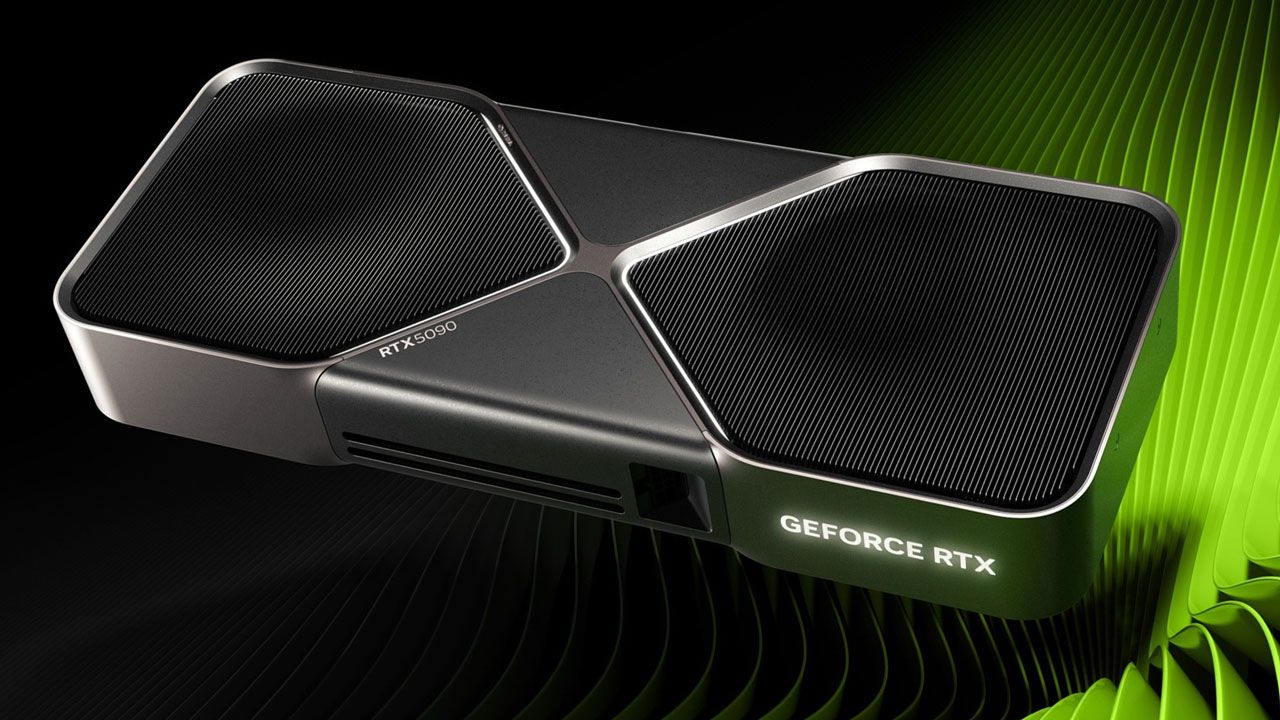
This unprecedented price inflation means that owning Nvidia’s premier piece of engineering is increasingly becoming an exclusive luxury reserved for the most dedicated collectors or commercial enterprises rather than the average enthusiast. The financial barrier to entry has multiplied to levels that fundamentally alter how consumers view high-end hardware purchases, turning what was once a premium upgrade into a scarce and heavily contested commodity.
The cheapest way to previously capture an RTX 5090 in the wild has been from either Micro Centre (who apparently is soon to be no longer stocking them), or picking one up in a prebuilt gaming PC build.
As individual card availability dwindles and standalone prices reach prohibitive heights, consumers looking to secure the architecture have been forced to adapt their purchasing strategies. Major hardware retailers, long known for serving as reliable hubs for desktop component builders, are reportedly altering their inventory strategies. Prominent retail institutions such as Micro Center are reportedly preparing to phase out standalone stocking of the card entirely, reflecting a broader shift in how high-value components are distributed to the retail market.
Consequently, savvy buyers have had to look toward alternative procurement methods. For many, the most viable—and surprisingly cost-effective—path to obtaining the RTX 5090 has shifted away from buying the card by itself. Instead, consumers are turning to fully integrated, prebuilt gaming desktop systems assembled by major system integrators. By bundling the flagship GPU into a complete, ready-to-run machine, these systems have occasionally offered a more rational price-to-hardware ratio compared to the inflated standalone scalper prices found across the open market.
Yet, even these prebuilt avenues are coming under pressure as components become scarcer. With retail channels drying up, major distributors shifting their focus, and the specter of a multi-year drought before any potential replacement hardware arrives on shelves, the window of opportunity for prospective buyers is closing rapidly. For those who have been holding out on upgrading their gaming rigs, the current juncture represents a critical moment of decision as the tech world watches to see how the high-end GPU market adapts to an era without its reigning powerhouse.

Leave a Reply